A New Build Manifesto
Unlock the hidden potential of new build gardens.


The New Build Manifesto
I. The Blank Beginning
Morning falls gently on the estate, and with it the subdued hush particular to places not yet old enough to carry their own stories. The houses stand in orderly rows, brick and render bright, their driveways swept clean, their pavements edged by small front lawns that glisten faintly with dew. From above, the whole place would resemble a patchwork: rectangles of turf divided by fences, hard surfaces alternating with green.
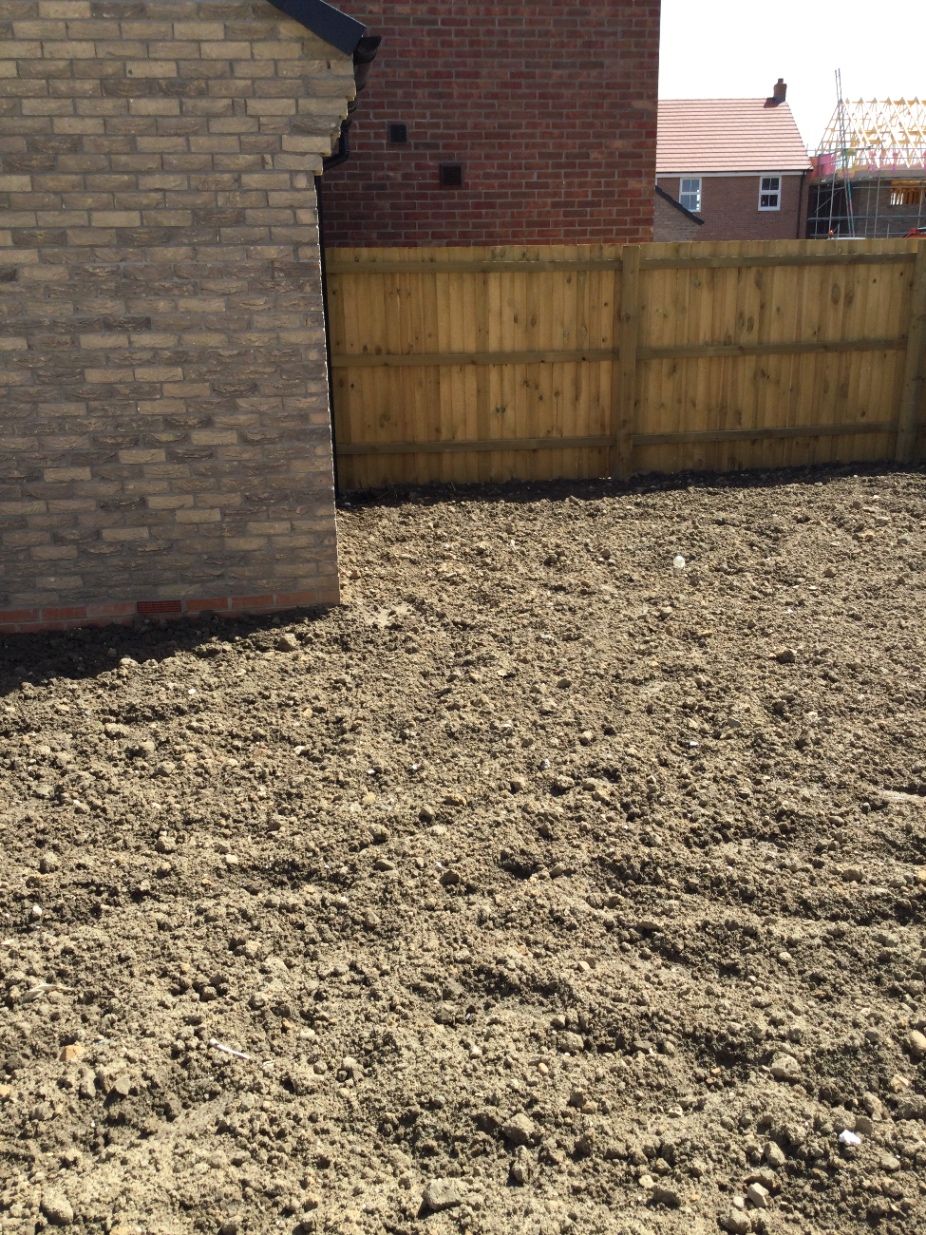
In one such rectangle I pause. The grass is clipped short, each blade still wearing the faint lines of the roller that laid it down. A token shrub huddles by the wall — a dwarf conifer perhaps, or a lonely euonymus. The soil beneath is hidden, but I know what lies there: heavy clay, compacted by the rumble of diggers, suffocated by rubble, and bound in the strangling threads of plastic netting meant to keep the turf from slipping.
It is a familiar scene, and one that repeats itself across the country. New homes spring up daily, and with them these blank gardens, presented as assets on glossy brochures: low maintenance, ready to enjoy, perfect for entertaining. Yet for all their polish, they are curiously silent. No bees drift over them, no butterflies stumble past. There is little cover for a robin, no fruit for a blackbird, no nectar for a bumblebee.
And yet—this emptiness is not hopeless. Beneath it lies possibility, as potent as the silence before a song begins. Soil remembers. Seeds drift. Life waits for invitation. Every new build garden is a story unwritten, and every homeowner its author.
II. The Problem: Gardens as Afterthought
Developers rarely see gardens as anything more than an add-on, the green trim to the real business of selling houses. Their priorities are efficiency, neatness, cost. A house must be delivered complete, its garden dressed just enough to look respectable when the prospective buyer steps out of the French doors. Hence the formula: turf, a couple of generic shrubs, a fence.
This is not laziness so much as habit, an industry default. A tidy lawn suggests control. A blank canvas avoids offending. But in avoiding complexity, something profound is lost.
Consider the soil. During construction, earth is churned by machines, compacted until rainwater puddles on its surface. Subsoil is dragged upward, topsoil scattered thinly. Turf is then rolled on like a rug across a concrete floor. Plastic mesh is often included beneath, invisible but permanent, catching the claws of hedgehogs and the blades of mowers. This is the inheritance given to homeowners: a green surface that hides exhaustion beneath.
Or consider boundaries. Where once hedgerows marked the edge of fields, now fences stand — stark, silent, impermeable. A hedgehog that once wandered across acres in a single night is now trapped in one patch, starved of insects, cut off from mates. The ecological network collapses into fragments.
The emphasis is on sterility. Shrubs are chosen to be evergreen, inoffensive, incapable of spreading. They are plants without story. There is no blossom for pollinators, no fruit for birds, no leaf mould to nourish worms.
And so the gardens of new builds, for all their promise, become deserts. Green deserts, yes, but deserts nonetheless — predictable, contained, silent.
III. The Potential: Nature’s Quick Return
But step outside on a summer’s evening and you may catch a glimpse of what could be. Swifts wheel overhead, their screaming calls threading the warm air. A fox slips down the alley at dusk, tail brushing the concrete. Seeds float in on the wind — thistle, dandelion, willowherb — and find a crack by the shed or a corner of unmown grass.
Nature is opportunistic. It waits at the margins, patient and persistent. Offer it the smallest chance and it rushes in.
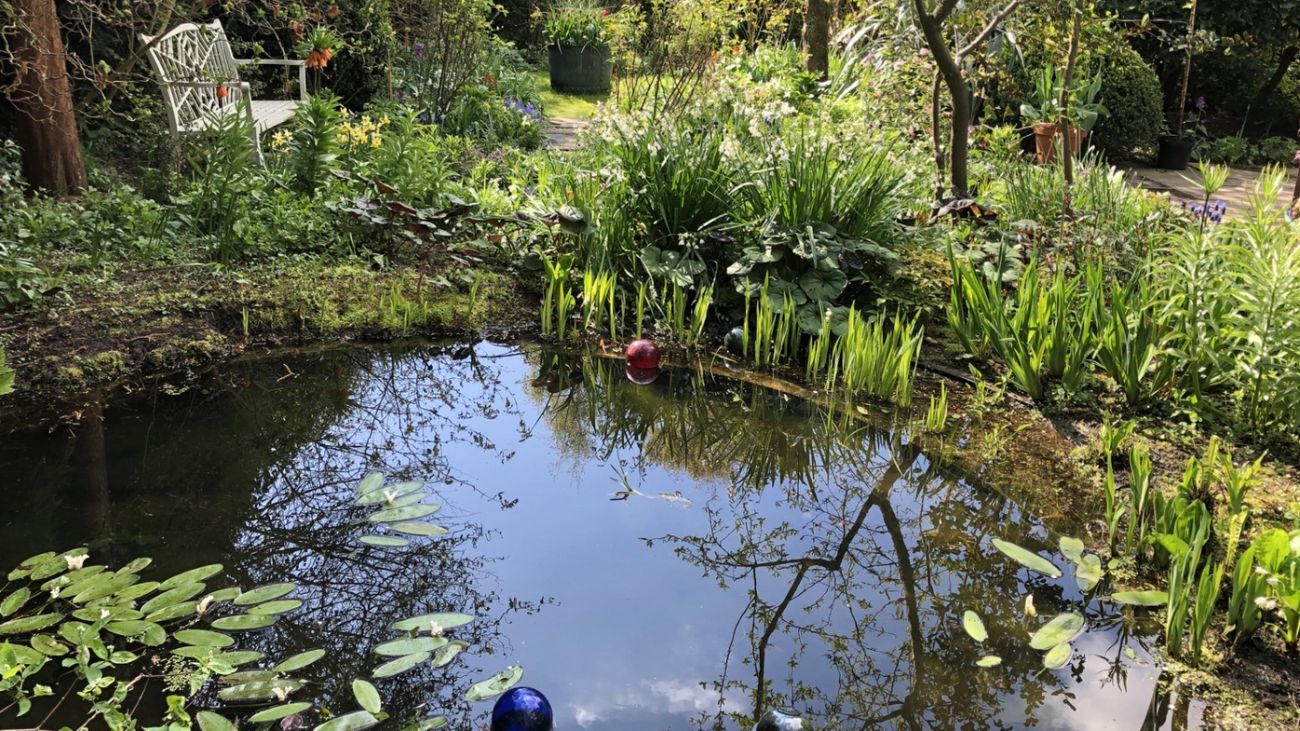
One neighbour plants a crab apple tree. By autumn, starlings gather in its branches, squabbling for fruit. Another lets her lawn grow long; soon meadow brown butterflies appear, followed by grasshoppers, followed by the goldfinch that feeds on their seeds. Someone digs a shallow pond — no bigger than a child’s paddling pool — and within weeks frogs appear, as if conjured. Dragonflies shimmer, their wings catching the sun like glass.
I have seen entire transformations unfold from single gestures. A lavender bush planted by a patio hums all summer with bumblebees. A honeysuckle draped across a fence fills evening air with perfume and brings moths that in turn feed bats. A patch of nettles left at the back of a garden becomes a nursery for peacock and small tortoiseshell butterflies.
These are not grand schemes. They are ordinary acts, small kindnesses extended to the land. And yet they ripple outward, creating abundance where once there was absence.
IV. A Manifesto for Developers
What if developers saw gardens not as cosmetic, but as essential? What if the green space around a home was understood not as a backdrop, but as habitat, as climate buffer, as community commons?
Here is a manifesto, written in hope but grounded in practicality, for what developers could do differently.
- Soil First.Protect the soil during construction. Do not churn, compact, or smother it. Leave topsoil in place, rich with worms and microorganisms. Healthy soil is the unseen foundation of every garden, filtering water, storing carbon, feeding roots.
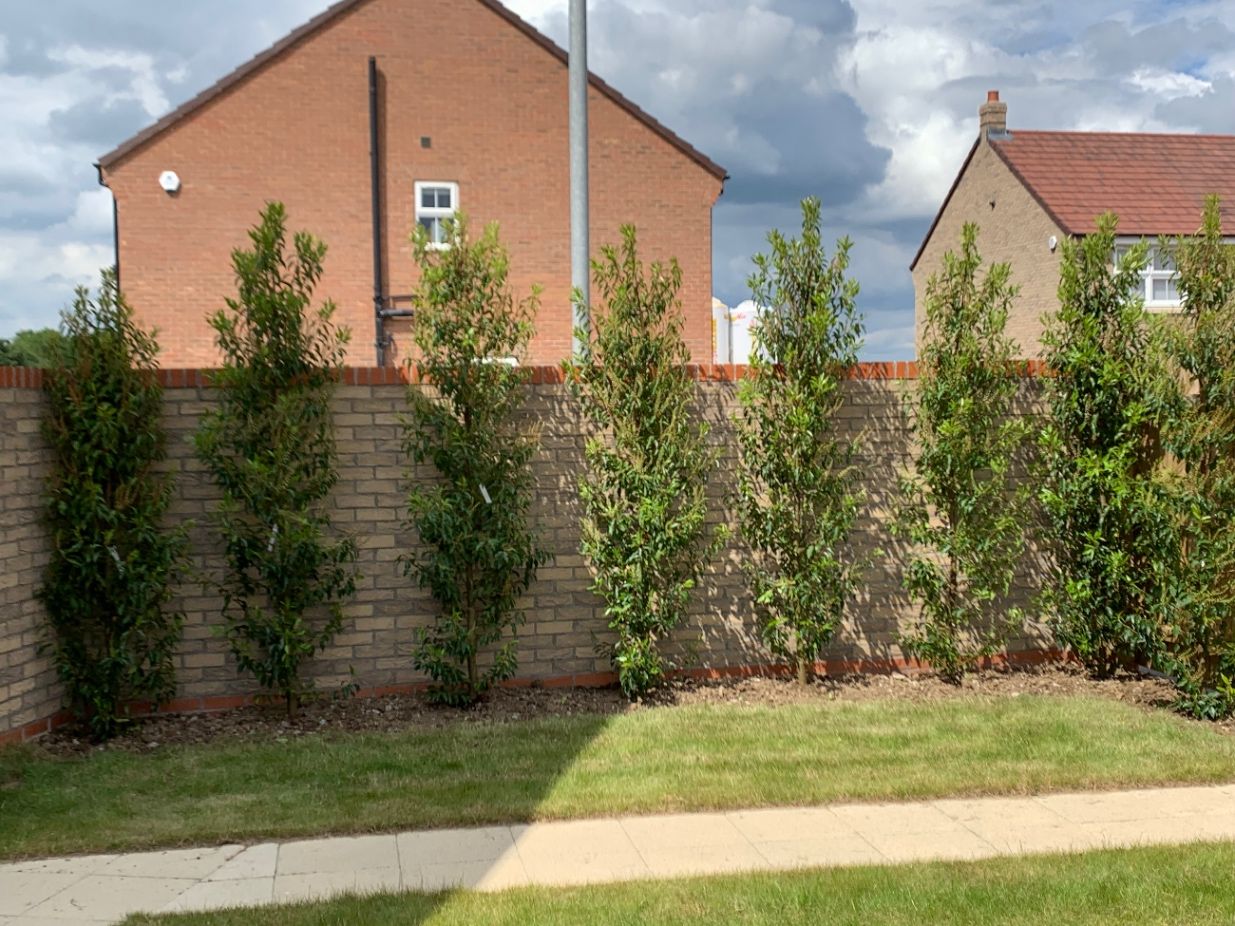
- Hedges, Not Fences.Where possible, replace panels with mixed native hedgerows: hawthorn, blackthorn, hazel, dogwood. A hedge offers berries for birds, blossom for pollinators, shelter for small mammals. It softens the hard geometry of a new estate, weaving life into its edges.
- Trees as Companions.Give each garden a tree — not ornamental lollipop shapes, but living companions. A birch with its flickering leaves, a rowan bright with berries, a crab apple for spring blossom and autumn fruit. These trees anchor gardens in time, their growth a counterpoint to the brick permanence of the house.
- Water for Life.Design communal spaces with ponds or rain gardens. Collect stormwater not in sterile drains but in basins alive with reeds, irises, frogs. Children will delight in them, dragonflies will skim their surfaces, birds will drink and bathe.
- Diversity of Planting.Move beyond the monoculture of turf. Introduce front gardens filled with hardy perennials — lavender, verbena, achillea, sedum. These plants need little care yet burst into flower, drawing bees and butterflies to the very doorstep.
- Wild Corridors.Link gardens with strips of meadow, green verges, or hedges that run through the estate. Wildlife does not live in isolated patches; it needs networks. These corridors let hedgehogs roam, pollinators travel, birds move safely.
- Ban the Plastic Netting.That hidden mesh beneath turf is a silent killer, entangling hedgehogs, trapping roots. It is unnecessary and cruel. Let it be consigned to the past.
- Homes for Others.Build swift boxes into eaves, bat bricks into walls, hedgehog highways into boundaries. Make space for other lives as part of the fabric of the development. These additions cost almost nothing, yet their return is immense.
Such measures would not inflate house prices beyond reach, nor delay construction schedules beyond reason. They would, however, transform estates from sterile grids into living neighbourhoods. And in doing so, they would grant developers something more precious than profit: legacy.
V. A Manifesto for Homeowners
But the work does not end with developers. When the new house is handed over, its garden is given to the care of the homeowner. And here too a manifesto can be written — a guide not of obligation, but of possibility.
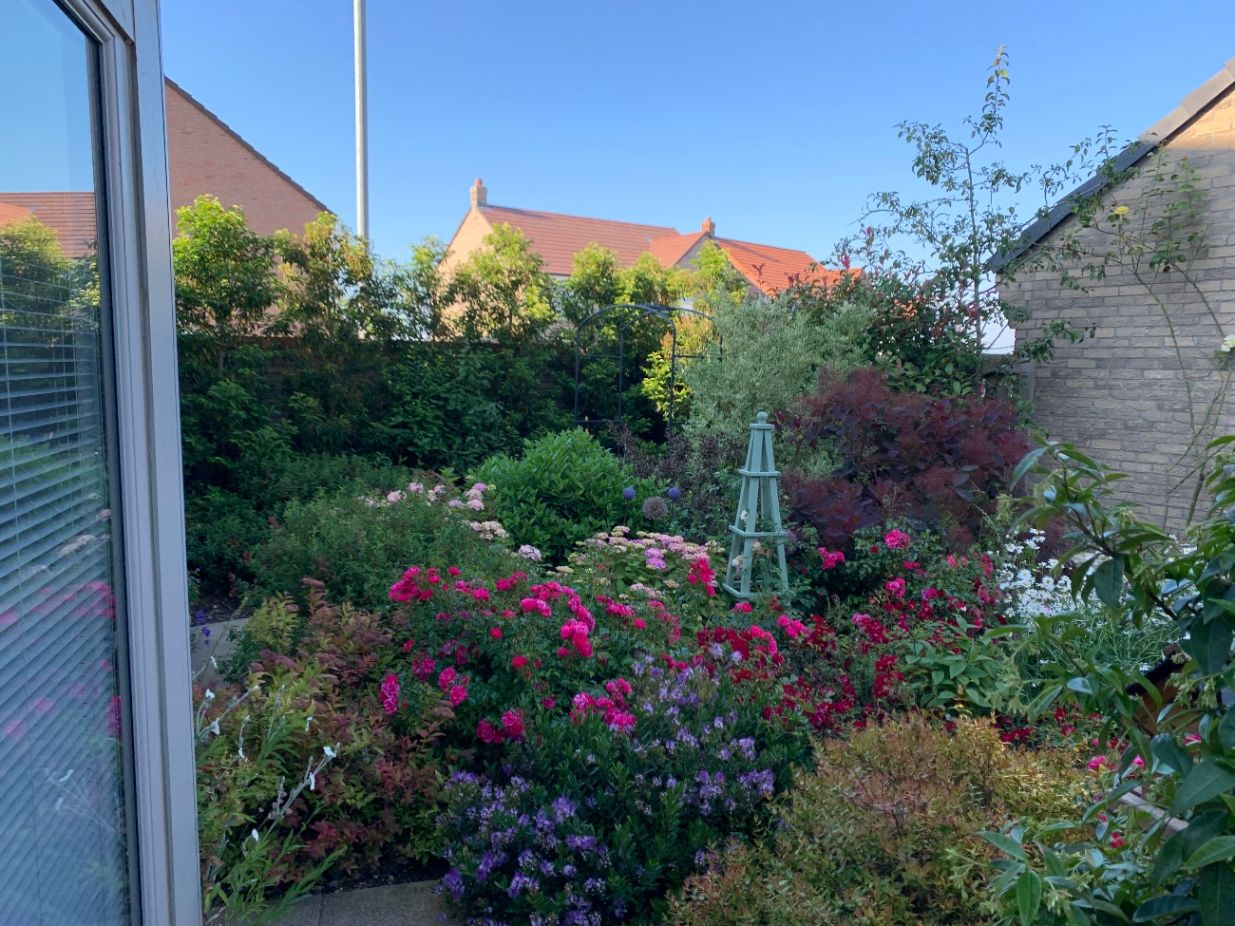
- Plant for Pollinators.Fill borders with a sequence of flowers across the seasons. Snowdrops in late winter, crocuses in spring, foxgloves in early summer, sedums in autumn. Let there always be nectar and pollen. In return, bees will bring the garden to life.
- Break the Boundaries.A fence may mark ownership, but life ignores such lines. Cut hedgehog holes at the base of panels, plant climbers to soften their surface, or replace sections with hedges. In opening boundaries, you create community for creatures as well as people.
- Dig a Pond.However small, a pond is transformative. A bucket sunk into the ground, a barrel half-filled with rainwater — both become ecosystems. Frogs will arrive unbidden, insects will dance on the surface, birds will visit daily. Water is life condensed.
- Feed the Soil.Spread compost, mulch with leaves, add organic matter. Do not strip everything tidy. In decay lies fertility. A soil alive with worms and microbes is a soil that feeds plants, holds moisture, stores carbon.
- Plant a Tree.Choose a tree not just for yourself but for those who will come after. An apple for blossom and fruit, a hazel for nuts, a silver birch for light and movement. A tree transforms not only a garden but the sky above it.
- Go Native.Let at least part of the garden reflect the local landscape. Plant hawthorn, hazel, wild roses. Sow wildflowers native to your soil. These plants do not just decorate; they belong, and in belonging they support countless creatures.
- Leave Some Wildness.Resist the urge to manicure every inch. Leave a patch unmown, a pile of logs, a corner where nettles grow. Wildness is untidy, but it is also abundance.
- Grow Together.Share plants with neighbours, swap seeds, offer cuttings. What begins in one garden spreads across the estate. Together you can transform not just your patch, but the whole community.
These are not burdens. They are invitations to joy: to sit in evening light while swallows skim your pond, to watch your child chase butterflies, to gather apples from your own tree. A new build garden can become not only a place of utility, but of wonder.
VI. Philosophical Reflection: Gardens as Covenant
A garden is never merely private. What we plant or neglect ripples outward — to neighbours, to birds overhead, to pollinators passing through. Each plot is a node in a wider web, and what happens here matters elsewhere.
In tending gardens, we shape not only land but culture. We decide whether we live in landscapes of sterility or abundance, of silence or song. Our choices echo into the climate crisis, into biodiversity loss, into the mental health of communities.
To make a garden is to enter into covenant with place. We borrow the soil for a while; the trees will outlast us. Fences may mark ownership, but roots and wings do not recognise such lines. In every planting, every act of care, we declare what kind of neighbours we wish to be — not only to other people, but to other lives.
VII. Closing Reflection
So let us write our manifesto not only in words, but in leaves, in flowers, in ponds and hedges. Let it be inscribed by bees on lavender, by blackbirds in song, by dragonflies over still water.
The new build garden is not doomed to sterility. It can be covenant, community, sanctuary. It can be a place where the wild belongs once more, and where we too find our belonging.
This land, newly turned, waits for our answer. Let us plant it with hope.