Biophilia, and when gardens become a matter of life and death
The garden you hope you never need. Grace interviews Kate Tantam, pioneer of and advocate for green spaces for patients in ICU, exploring how the most natural of spaces can be adapted for the people who need them the most, and the difference they can make to recovery, or saying goodbye.

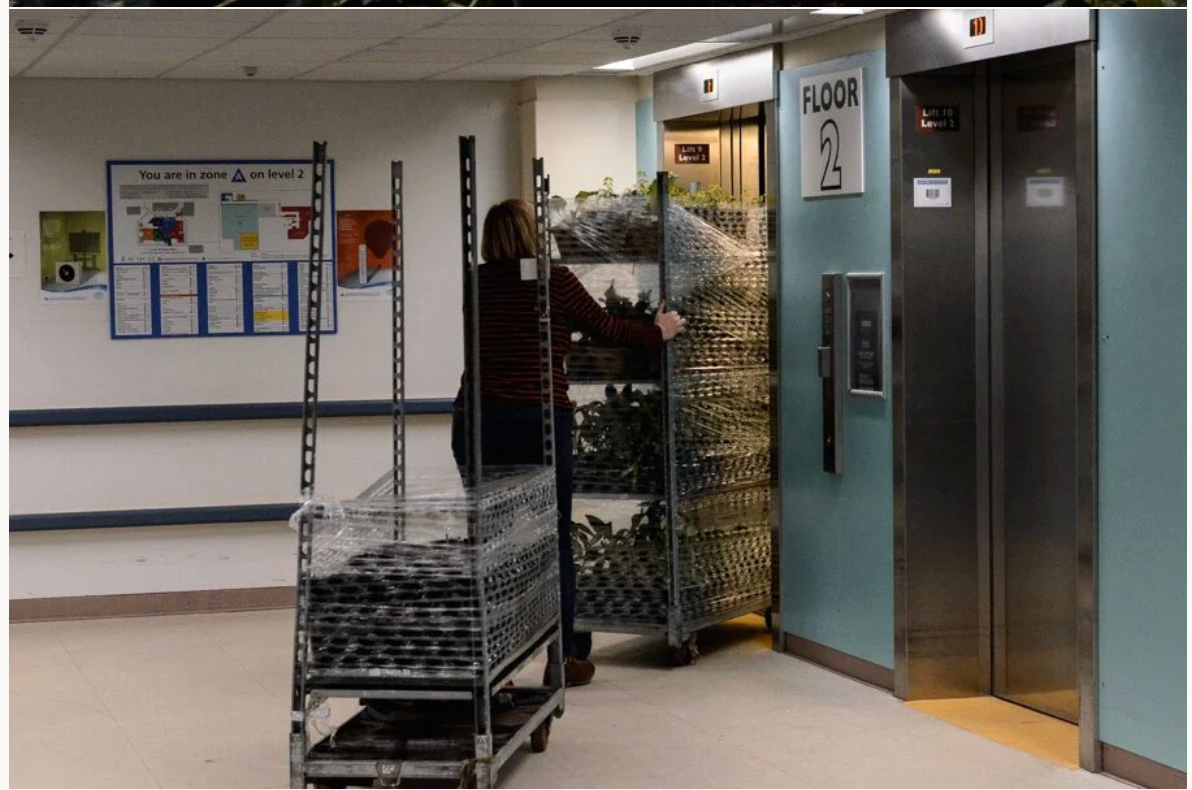
If you were planning on listening to this piece, something of a preamble. The audio accompanying is a 50 minute interview in which Grace and her guest, Kate Tantam, talk about Kate's experience of using gardens therapeutically with the most ill people in hospital. This is not an easy listen, and it is not light. If you would like to hold onto the generally hopeful bits of life, please feel free to just read the piece below, and to know that Grace and the Garden Collective is going to be following Kate's progress over the next 18 months in setting up more of these intensive care gardens around the country.
She is working with both the NHS and the RHS to ensure that staff, patients, and the planet benefit from revolutionising how hospitals use whatever outdoor spaces they have. Perhaps even more importantly, one of Kate's focuses is going to be on finding ways of staffing them with volunteers to make sure they stay safe, beautiful, and therapeutic for as long as the patients and the staff need them.
Introduction to Kate Tantam
I am not the first person to have found respite and healing in a garden and I will not be the last. But what happens when the people most in need of healing and recovery cannot reach a garden? Kate Tantam, B.E.M., is a pioneer of therapeutic green spaces in hospitals.
Most hospitals have a piece of lawn with a bench next to the smoking area outside A&E, but these are not what we are talking about. Kate creates life-changing, high-tech specialist places for the most unwell people in intensive care units and, at times very sadly, a space under the open sky for people to die.
Why? Because this is where garden therapy meets evidence-based medicine. The science is catching up with what most of us in the Garden Collective know already, that not being able to be in a garden can have an incredibly serious impact on mood and mental health. Build a specialist garden where the most unwell people can touch plants and feel fresh air, and this can:
- Reduce the length of time people are in hospital
- Provide respite and refuge for the staff teams
- Increase the sustainability of hospital spaces, through reducing their impact on the climate but also creating areas of shade, reducing flooding and run-off and cooling buildings.
It started with one man and his dogs
The garden began, as these things often do, with a wish. A patient with a high spinal cord injury, repatriated to Derriford after an accident abroad, was desperate simply to get outside. He missed his dogs. He missed the sun. There was a small courtyard nearby, but it offered no privacy and no facilities, and critically, no way to safely take someone who needed constant organ support out into it.
So Kate asked him to help design a garden that could meet the needs of patients as sick as he was. The person who understood best what the space needed to do was the person whose survival depended on the equipment that would have to go with him into it. The first 'Secret Garden' at Derriford followed shortly afterwards. A fundraising campaign with a very modest budget, paid for a ramp, pots and five tons of soil moved on the wettest day of the year. It was a start, but not enough for the sickest of patients, dependent on the array of machines that only an ICU can hold.
It was the first lockdown that brought me into the picture. Chelsea was cancelled, and that meant that I knew that there were hundreds of plants rendered suddenly homeless. I put out a call for plants without a purpose, in the hope that they would make a change to the people that needed our help them most.
Yeo Valley donated the first fully organic Chelsea show garden, grown by Hortus Loci, planted in its place by the designer, Tom Massey, Kate and her team, and me.
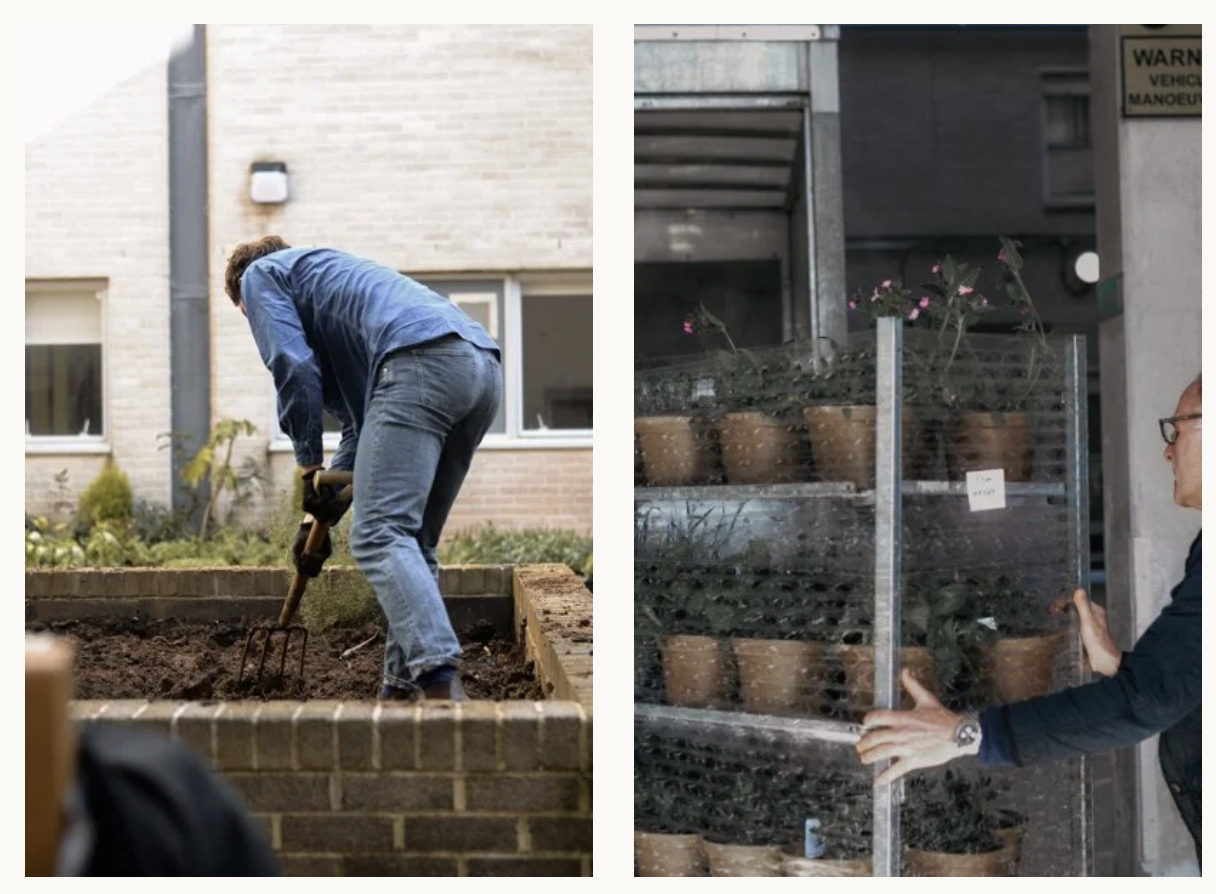
It got the team through the pandemic, but Kate is indomitable, and she wasn't stopping there. The new Secret Garden, designed by Mark Lane, become more than pots and planting, and now has possibly the ultimate high-tech garden room, designed as an intensive care bed space that happens to be outdoors with medical gases, power, and everything the patients needs to stay alive and medically supported.
You can watch a video about this part of the build (featuring Kate) below.
Biophilia theory stretched to its limits
Biophilic design conversations tend to talk about views of greenery and living walls and the psychological benefits of natural light, and all of that is true and evidenced. But for the most vulnerable people in a hospital, access to nature is not a question of aesthetics. It is a question of engineering. Someone has to solve for oxygen supply and fire safety and infection control before anyone gets to feel the sun on their skin. Kate managed this at Derriford, and the successes she and her team have had there are both the inspiration and the template for how other hospitals can follow.
Hospitals, by design, are controlled, temperature-regulated, clinical environments. That control is what keeps people alive. But it also strips away almost every ordinary sensory signal a person uses to locate themselves in time and season and their own body. Patients lose the ability to taste, and the hospital environment deprives them of the ability to smell anything other than antiseptic and reheated food, or to feel the weather. Kate described patients, fearful of food after weeks of illness, reconnect with their appetite by the scent of tomato leaves in a way that clinical intervention alone could not.
What nature reliably offers, for those who want it, isn't only fresh air to breathe or a breeze on the skin. It's agency. In an environment built almost entirely around things being done to a person, the garden is one of the only places where something can be done by them. Or perhaps where they can simply be, rather than just exist.
Grief needs a different room too
Perhaps the most emotional part of our conversation concerned the garden's use in palliative care. During the earliest, most frightened months of the pandemic, Kate's team reunited a dying woman with her recovering husband outdoors, because Covid rules could not allow it indoors. Kate realised that the garden might be a tool for hope and recovery for many, but it might also be a place for goodbyes.
What began as a workaround became policy. The garden is now written into the hospital's approach to end-of-life care, offered to neonatal patients as well as adults. It turns out that the last conversation two people have does not need to happen under fluorescent light, it can happen amongst flowers.
What I learned from this conversation
Gardens aren't valuable in healthcare merely because they're pleasant; they change what's possible. A space where risk has been properly engineered away becomes a space where something as ordinary and as vast as saying goodbye can happen with dignity. If hospital architecture is going to take nature seriously, it needs to start there, with the hardest cases, not the easiest ones.
Because if a garden can hold these extremes of illness and of grief and hope, it can hold anyone.
 Grace Alexander
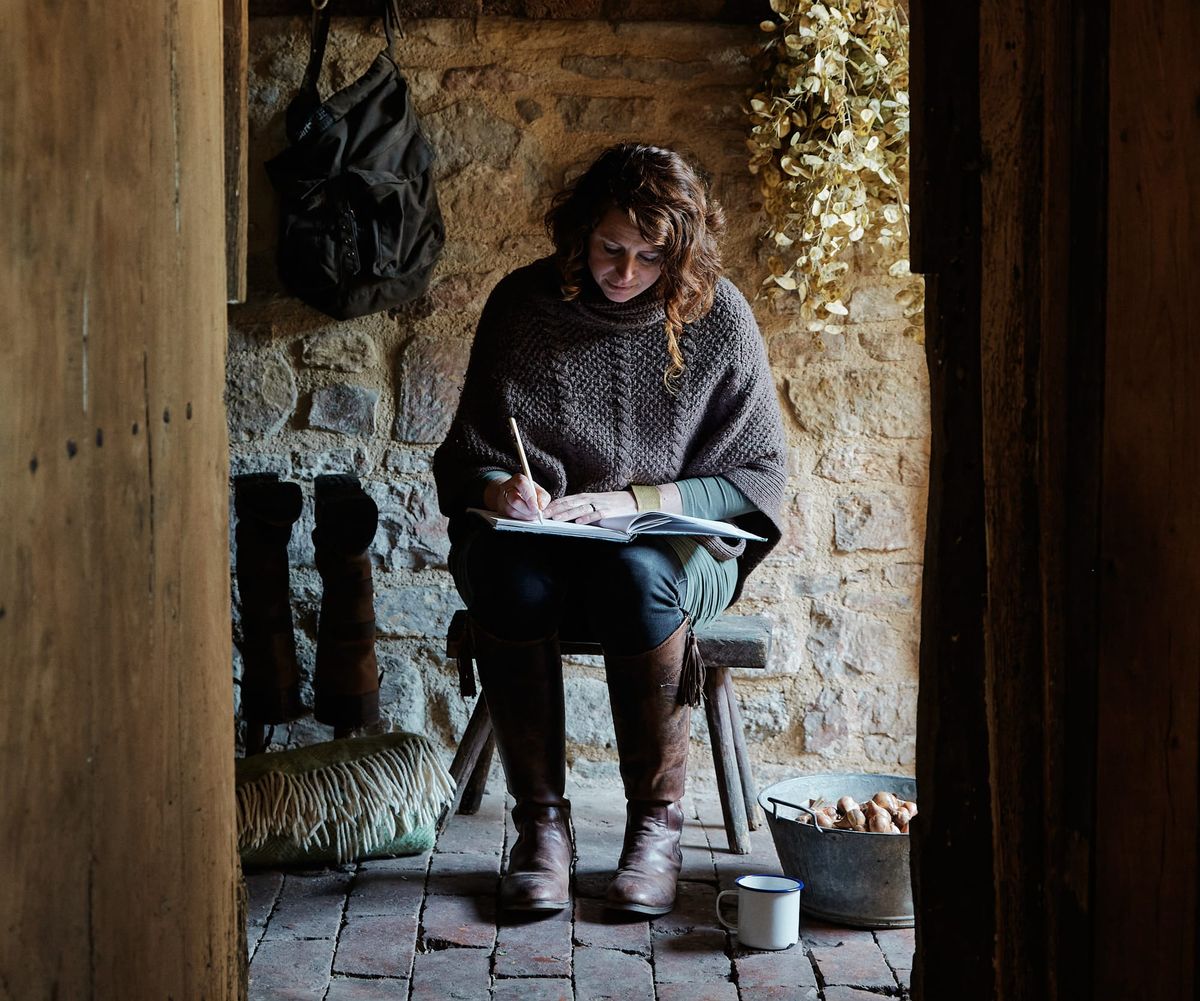
Grace Alexander will be following Kate and her journey into trying to introduce gardens into intensive care units across the country, and the Garden Collective will be featuring this again as part of the Garden Therapy series. Anyway, please do listen and if you feel comfortable, please do share your stories of how gardens have changed your life.