Slow Gardening: Connecting through time at the National Trust
The wonderful Sheila Das has popped back to the Garden Collective to share what she’s learned since she started her new role, immersed in the variety and magic of the National Trust’s gardens.

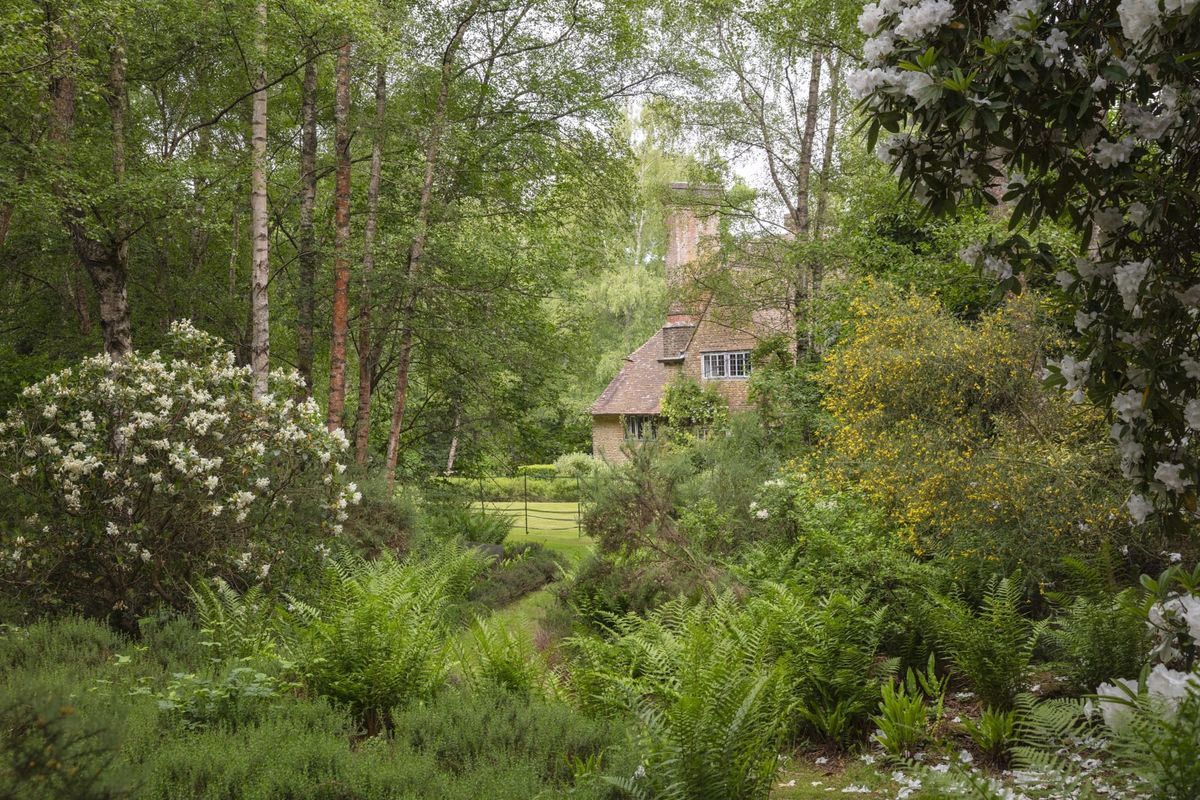
I started my role as Head of Gardens and Parks at the National Trust in January 2025. The organisation is vast, and what had attracted me to it was the breadth of what it does: everything from farming to fine art, with a wealth of disciplines in between. All of these elements can be found in some form in a garden, and the gardens of the Trust are a true expression of the core purpose of the organisation. Founded in 1895, that purpose was to “promote the permanent preservation for the benefit of the Nation of lands and tenements (including buildings) of beauty or historic interest”.
The idea of permanent preservation is not to keep things in aspic, but if we are preserving “for the benefit of the Nation”, we need to ensure that our places are relevant for the times in which we find ourselves and the range of people that make up that nation. Beauty takes many forms and is largely subjective, so there is work in understanding what is beautiful and to whom it is beautiful.
Octavia Hill, one of the founders, stated: “We all want quiet. We all want beauty… We all need space. Unless we have it, we cannot reach that sense of quiet in which whispers of better things come to us gently.”
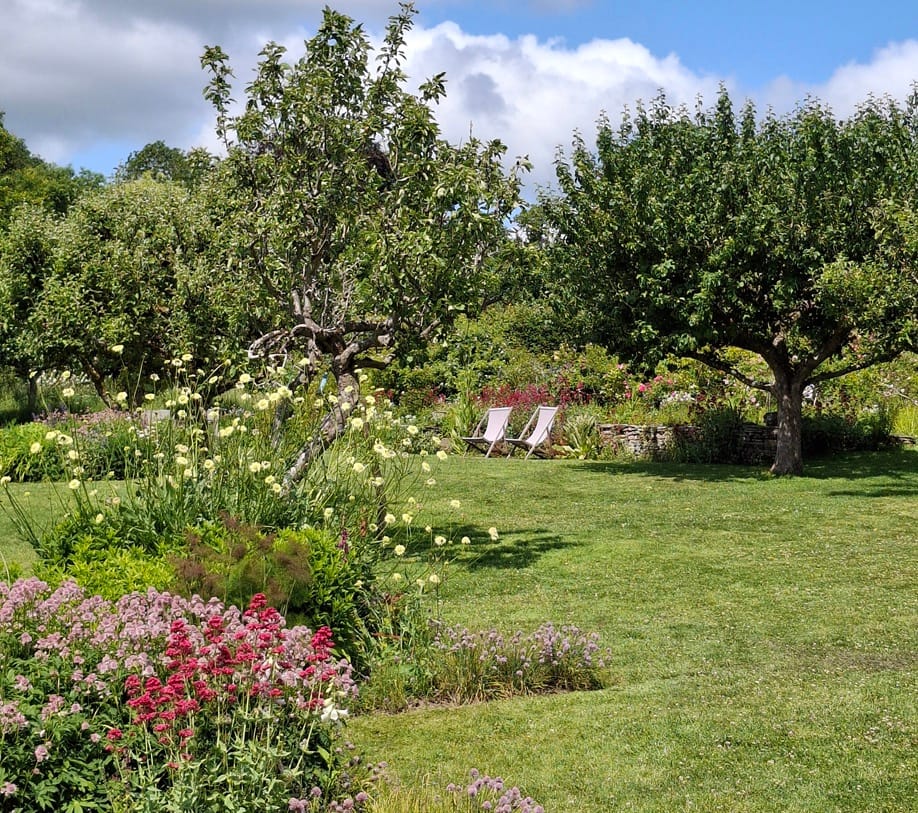
Entering a new era of horticulture
So, what does this mean for our gardens? When I arrived at the Trust, I felt that it was perceived (certainly externally) that these gardens were simply places of the past – that somehow we might be expected to be ‘preserving’ a moment in time. I found that nothing could be further from the truth. All sorts of creative gardening is happening at the hands of garden teams who work alongside cultural heritage curators and other experts of varying disciplines to balance the historic aspects with the needs of now, whilst looking to the future.