What 70 million people think about bedding & brambles
Can Matt Pottage please all of the people all of the time? Let him draw back the curtain on how the first-ever horticulture strategy for London’s Royal Parks came into being, and what we can look forward to when beauty is put at the heart of design.

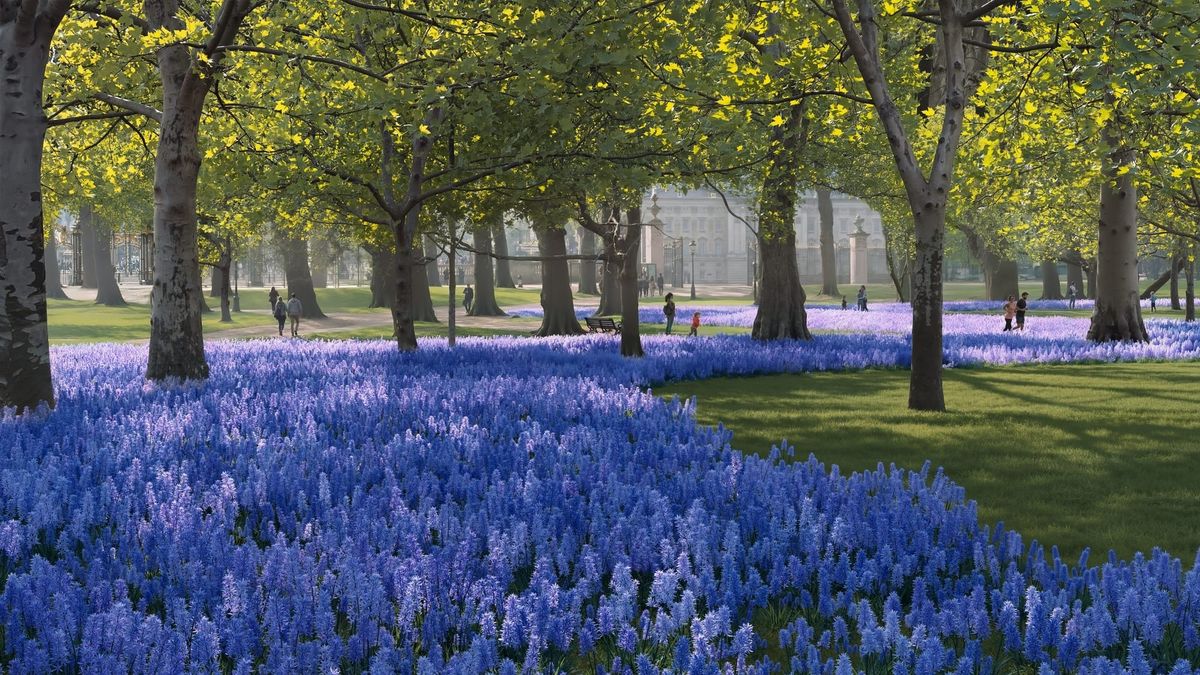
Launching the first ever strategy for horticulture across London’s eight Royal Parks, especially when there had never been one before, felt like a significant hurdle. I took on the challenge to head up the horticulture for the parks just over two years ago, after nearly 20 years with the RHS, at Wisley. The Royal Parks have been a standalone charity for nine years and look after Bushy Park, The Green Park, Greenwich Park, Hyde Park, Kensington Gardens, The Regent’s Park, Primrose Hill, Richmond Park, St James’s Park, plus Brompton Cemetery and Victoria Tower Gardens. Did you get all of those?!
The chance to make a difference to people, through plants, was simply too great to resist. Over 70 million people pass through the parks per year – that’s a lot of opportunity to grab people’s attention, by stopping them in their tracks, and encouraging them to take a moment, to absorb some gardening goodness.
I have followed a strong lead around beauty – I believe beauty and enriching experiences are what stay in one’s memory, what make a lasting impression. You can have as many signs as you like telling people what to think, and even in the gardening world, we have extremists telling you what you should and shouldn’t grow, but ultimately, you cannot tell people what they should be attracted to. People will always be drawn to what they find aesthetically pleasing.
Grabbing people’s attention is the first step of engagement. Perhaps they’ll take a photo, perhaps they’ll post on their social media, or maybe they’ll even do some research into what they’ve seen and try something at home.
Having green canvases like Hyde Park, St James’s Park and The Regent’s Park to develop and enhance is incredibly exciting and humbling. The summer droughts of 2026 helped underline the need to change – doing what we’ve always done, namely large volumes of bedding plants, and many, many roses (typical Victorian park horticulture) isn’t working anymore. There isn’t enough water to throw on the bedding, and many old hybrid tea roses, bred for an era when fortnightly fungicide sprays were normal, are not healthy without such chemical life-support.
When I started at the parks, many of the head gardeners influenced my thinking – and still do. They didn’t want to see large volumes of bedding plant waste, they didn’t want to be spraying chemicals, and they needed a licence to change things – and when people kicked off about change, which they always do, they needed someone to have their back. I knew a new strategy needed to underpin this.