Ancient Tree, Epic Journey: The Buckland Yew Goes Walkabout
Moving trees is child’s play today: we have diggers and cranes. It was not always as easy…

- This article has been unlocked for everyone to read after its author James Alexander-Sinclair won Digital Writer of the Year at the Garden Media Guild awards 2025. Want to hear more from The Garden Collective? Subscribe now.
In the autumn of 1880 a crowd gathered in the churchyard at Buckland in Dover. They had assembled (and paid out 2/6d each) to watch a tree being moved. Admittedly, at the time, entertainment opportunities were in short supply - no television, the first cinema won’t open for 30 years and the last public execution in the area had been in1822 but, even so, this needed to be something pretty spectacular.
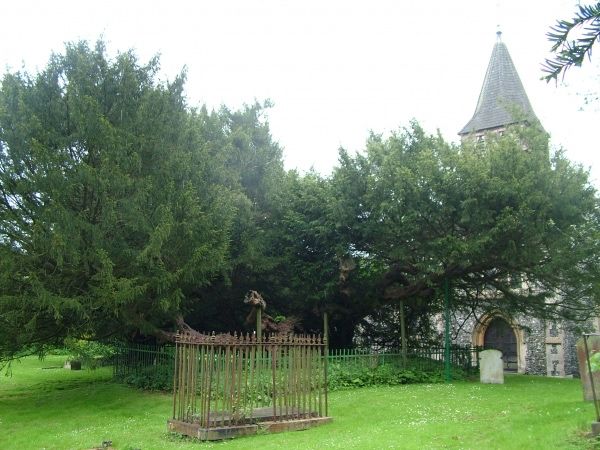
The church of St Andrew at Buckland in Dover had been built in 1180, but the increased prosperity of the Industrial Revolution and the swelling population in the city of Dover meant that it was no longer large enough to accommodate the congregation (a situation about which the 21st century Church of England can only fantasise). The decision was made to enlarge the building but the one snag in this plan was the proximity of a very old yew tree which was right in the way of the extension.
A millennial tree
This tree was about a thousand years old; an antiquity that is tricky to envisage. Just to put it in context...
When it was a seedling King Alfred was on the throne of Wessex and being given the devil of a time by various bands of aggressive Vikings.
It was 160 years old when the Normans pitched up (just down the road at Hastings) and Harold got an arrow in the eye.
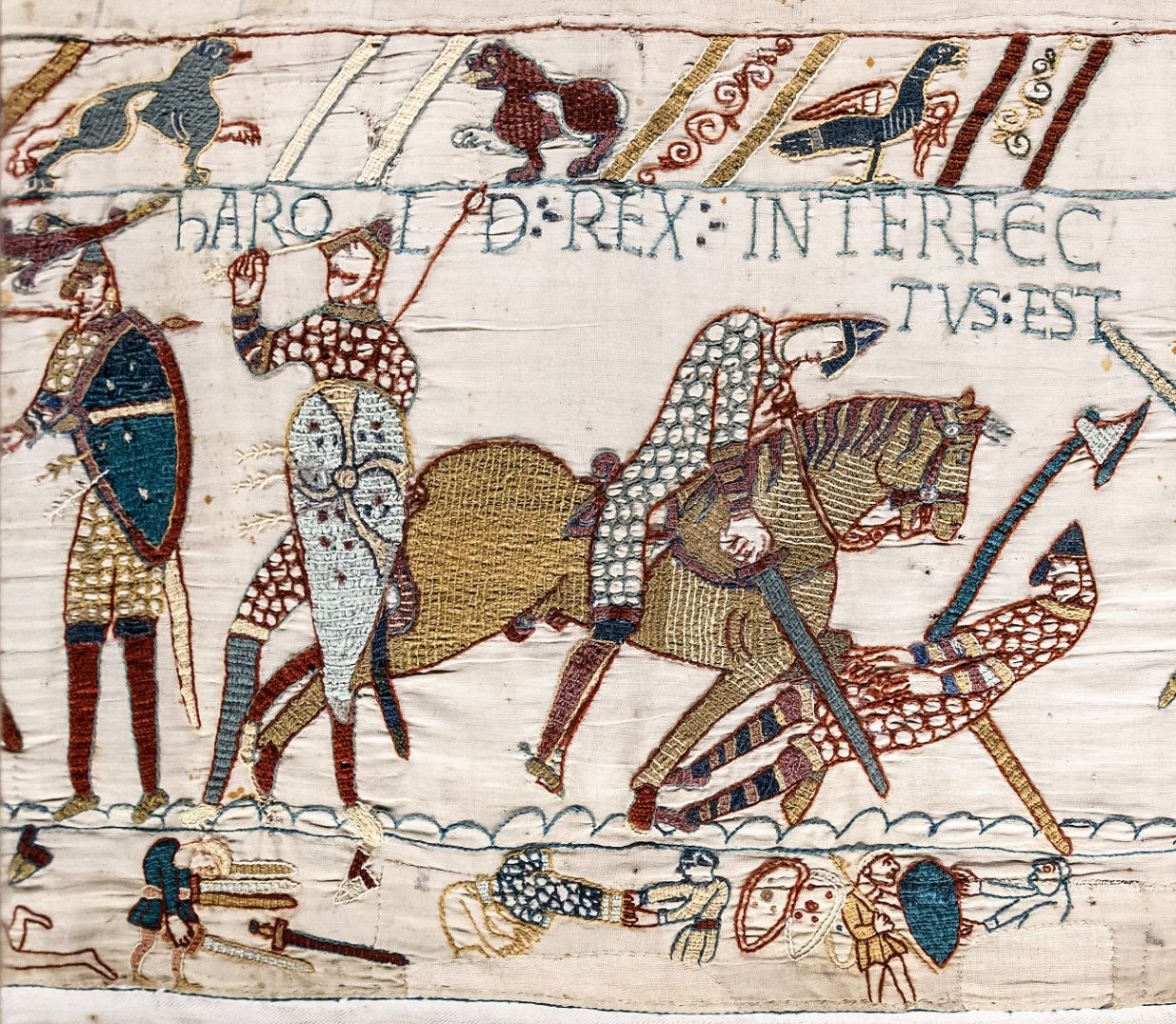
About 400 years into its life the Black Death swept across the globe killing about 50 percent of the population
Anne Boleyn lost her head on its 600th birthday.
A tree, a single organism, which has lived through all written history. That is quite something to wrap your head around.
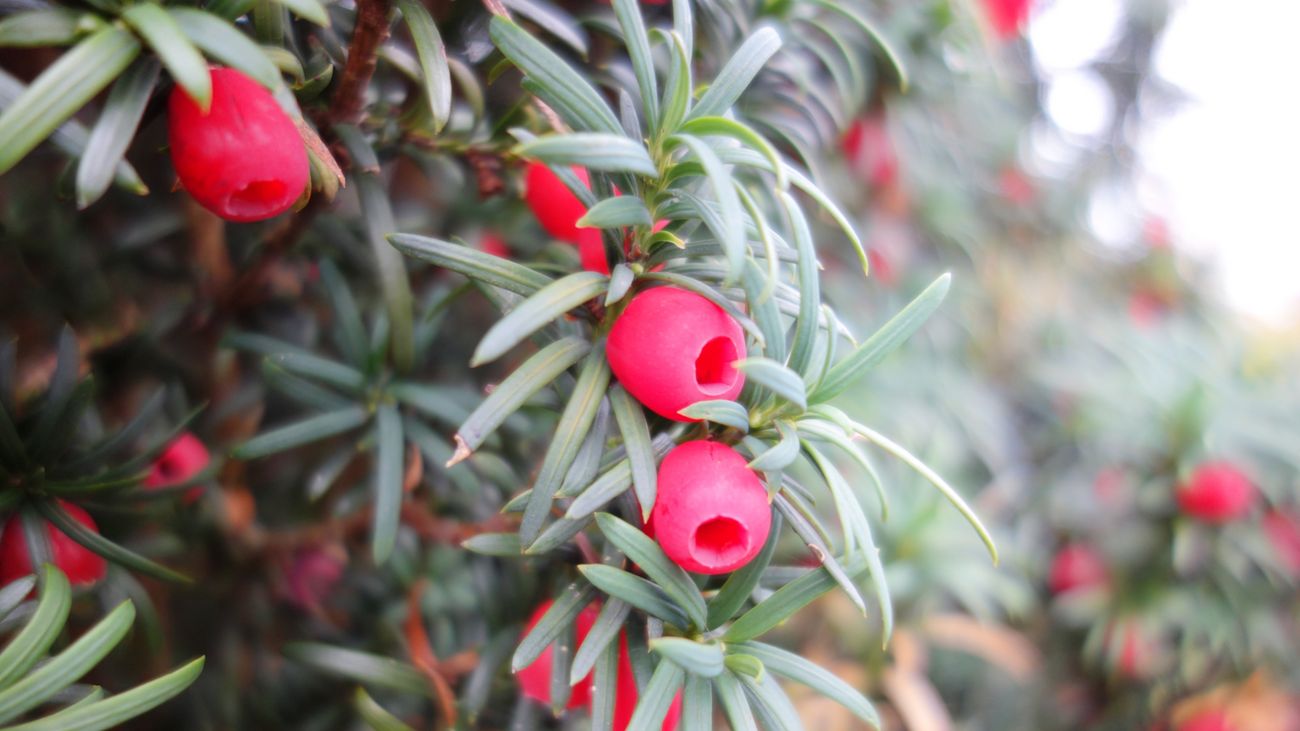
It is by no means a pretty tree - who would be at that age? - but it is both venerable and distinguished. Gnarly is probably the adjective that most readily springs to mind. At some point during the seventeenth century it was struck by lightning so the branches sprawl louchely. A contemporary account describes it quite colourfully.
“Imagination, indeed, might readily trace a fanciful resemblance between this vegetable ruin, as viewed in a particular position, and some anatomical preparation of an animal trunk, of which the viscera are displayed, and preserved entire.”
But looks are not everything and this tree was an important part of local and national history so what were they to do?
Cut it down?
How could they? Even the thought would have the locals chaining themselves to the trunk.
Hmmmm…
Tree moving
Could it be moved? Even just to the other side of the churchyard?
Nowadays we have tree spades, diggers, trucks and hauliers who can help us satisfy those clients who are not prepared to wait decades for their trees to grow. There is a thriving business in growing and transplanting larger trees. Most of them come from huge nurseries in Germany, Belgium and the Netherlands, with lorries buzzing to and fro across the channel every week from October until March.
In the nineteenth century it was not quite as simple.
The idea of moving large trees was not new. The first person to do this was Capability Brown when he was landscaping Stowe in Buckinghamshire in about 1740. His scheme required some instant woodlands so he invented a rudimentary machine (called the Yanker) with two wheels and a long pole. The pole was tied firmly to the tree trunk which was then wrenched over by brute force until it popped out of the ground. Like crowbarring a tooth from a vulnerable gum - I am pretty sure that is not a technique often taught in dental college but you get the idea. This was not a refined operation and, unsurprisingly, many of the trees died a violent and unpleasant death.
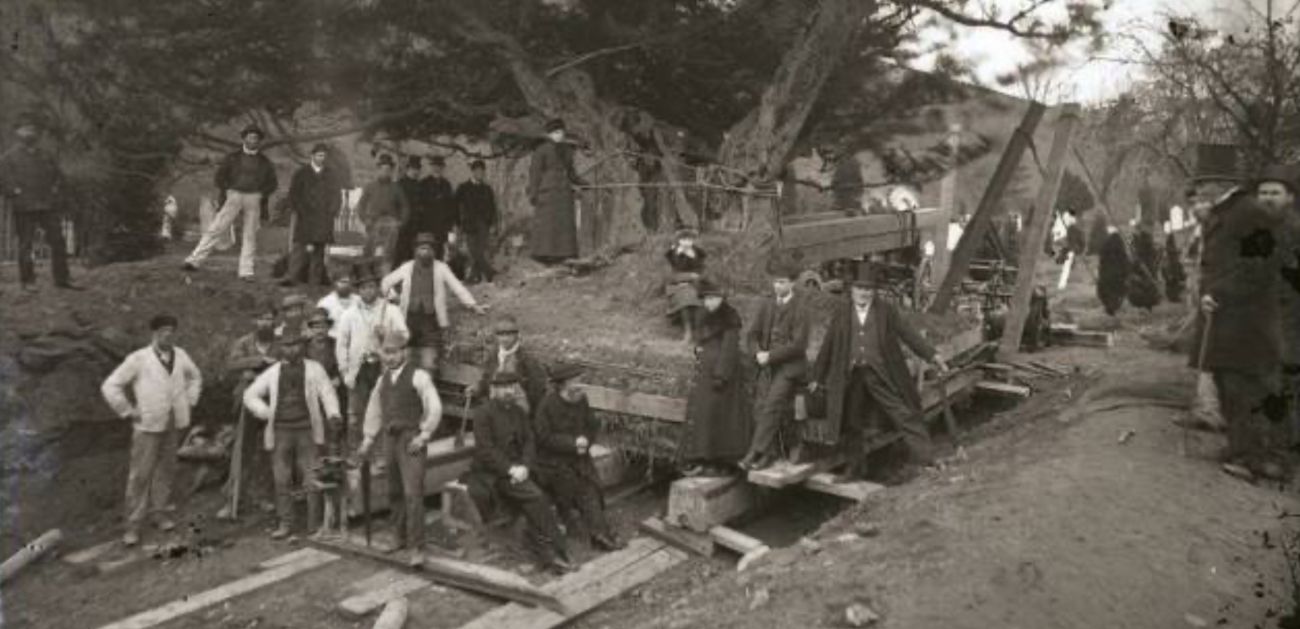
Back in Buckland one of the parishioners thought he knew someone who knew someone and it came to pass that the vicar (the splendidly named Rev. Turberville Evans) contacted a chap called William Barron who was the nineteenth century’s go-to geezer when it came to shifting trees.
Barron was born in Scotland in 1800 and first worked at the Botanic Garden, Edinburgh. In 1830 he was appointed in charge of the gardens at Elvaston Castle which were at that stage in a pretty poor state. Barron decided to add a bit of heft to the landscape by moving some trees and started with three 12 metre cedars. But, rather than yanking them out by the roots (a la Brown) he wanted to move the trees with rootballs attached. He invented a cunning four-wheeled cart armed with a system of chains and pulleys. The mechanism and engineering was borrowed from engines originally invented to move bathing huts from shore to sea. No damp towels and shivering runs across shingled beaches for the Victorian gentry.
After the successful shifting of the cedars, Barron became unstoppable. He travelled the county looking for suitable trees and trundled them back along tracks and roadways so by 1851 the grounds of Elvaston boasted 18 kilometres of transplanted hedge, topiary, an arboretum containing almost every known species of conifer, monkey puzzle trees and lots of parkland natives. It was the first instant garden: a very grand manifestation of Ground Force.
On the move
On that fine day the Barron transporter arrived in the churchyard. Horses were harnessed into pulleys and sturdy yeomen removed their jackets and set their shoulders to the wheels. A trench was dug about six feet deep leaving a rootball of fifteen feet by five metres that weighed about 55 tonnes. (Apologies for mixed Imperial and metric measurements - it is my age. I was part of the sandwich generation whose elementary maths education spanned both eras. I blame my dismal ‘O’ level results on this early trauma.)
This root ball was then enclosed in a wooden box, the spreading branches (remember the lightning strike) were supported and protected and all was ready for the journey. A cheer rose from the assembled spectators and inch by inch the tree was hauled on rollers to its new position. In a moment of drama the chains snapped and it took a week for new ones to be forged - no popping down to Screwfix in those days. It took a couple more days, but eventually it reached its final destination and the waiting hole was backfilled with new soil and a great deal of hope. The tree was surrounded by a fence to protect it from maundering parishioners and it was lovingly tended and watered until it produced new roots and settled into its new home. Barron charged the pretty staggering sum of £1862 for his services.
One hundred and forty four years later it is still there, still gnarly, still growing. The fence has seen better days and there is evidence of the odd local using it as a place for a quiet smoke, but the tree still lives. Dover has encroached from all sides and the churchyard has changed beyond the wildest imaginings of the Victorians.
But the Buckland Yew has seen it all over the last millennium and it would take a lot more than a bit of urban littering to faze something that has lived through not only Brexit but various wars, the Napoleonic threat, Magna Carta and Shakespeare as well as the invention of both the World Wide Web and the Victoria sponge cake.
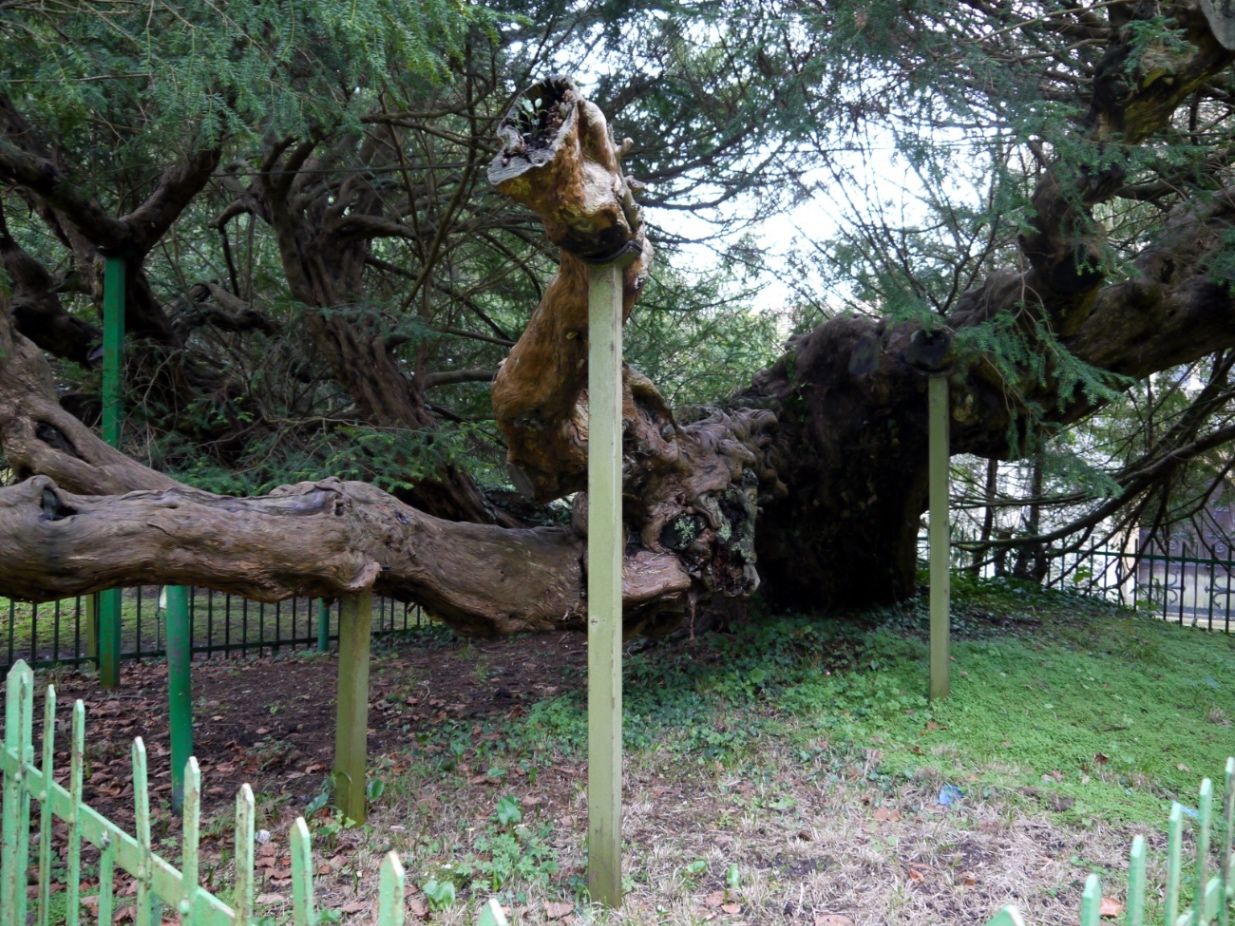
Photographs of the Buckland Yew today by Paul Wood. On Instagram as @TheStreetTree.