Barbarazweig and Moon Pruning: Secrets of Winter's Garden
The solar, lunar and human calendars all combine to create the perfect pause for winter pruning this month, but can you embrace the lull? Join me for the latest in my lunar gardening series.


The sun is so low in the sky now, tracing its shallow arc as we drop into the final days before midwinter. Today it is falling across the garden in shafts of light, forming a shining path up the centre of my garden that picks out in gold every blade of unweeded grass in the real path, bordered by the cold black shadows of the neighbouring houses that the sun can no longer scale.
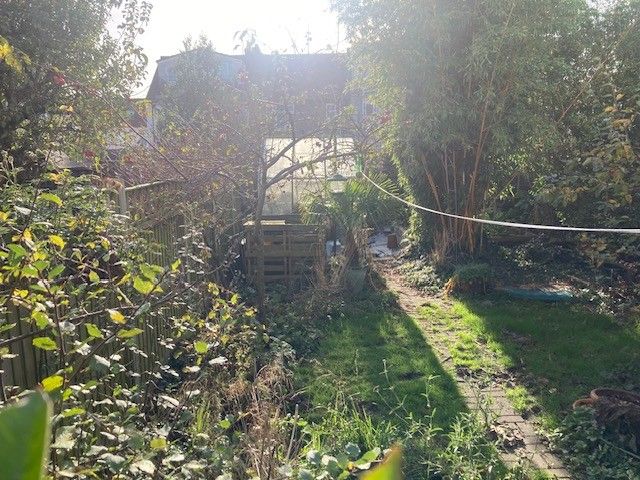
The backlit greenhouse is a cube of light, like the buses on the main road on these dark winter mornings. It is the sort of day that reminds you that winter doesn’t always mean gloom, sometimes it means Miami blue skies in north Bristol, and breath that turns to puffs of gold.
I am happy to find myself working in that sunshine, because even as weak as it is it is still warming me through my gardening jacket. What a miracle our star is. But this is not enough for the sensible roses, which have responded to its drop in the sky and in strength by packing up and closing down. All around me the garden is on pause, the plants dormant. No sap surges in stems, no buds even think about forming and swelling.
Embrace your inner apple
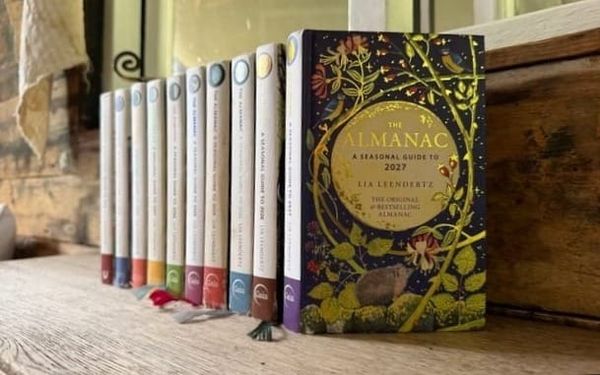
Dormancy seems like a dull and unexciting thing, but in my regular work, writing my annual almanacs (the 2025 one is for sale now! A lovely Christmas present…) I often find myself thinking about it, dreaming about it, almost longing for it. Over my years of writing about the turning of the year I have come to believe that we would all benefit from living in cycles, like the mammals we are.
We humans push on through, matching our spring, summer and autumn pace, while the dormice and hedgehogs tuck up cosy and rest. We wonder why we burn out, and the answer is: be more dormouse; when the dark times come and the sun is low grab all the rest you can.
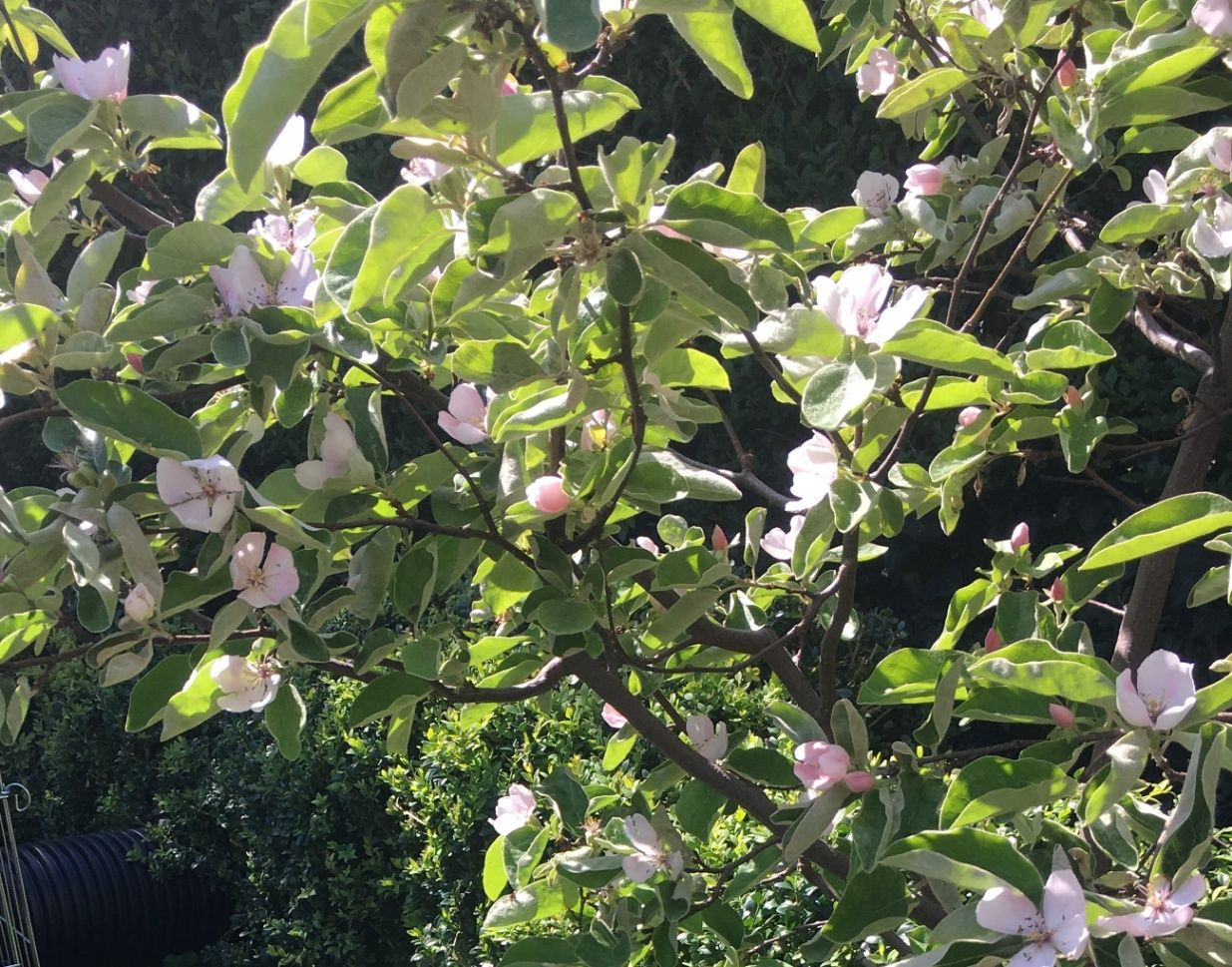
I could equally say ‘be more rose’ though, or ‘be more apple’, because they too follow this cycle, bursting forth in spring, being the life and soul in summer, harvesting their year’s work in autumn, and then closing down for the winter, resting and conserving so that they have the energy to do it all over again come spring.
Sun and moon cycles
On a more practical note we need this dormancy, brought on by the sun’s cycle, for winter pruning, a job I love. We gardeners are all mini dictators at heart and in choosing to cut back to this bud here or that one there I direct the plant’s future energy: go that way! I wield my secateurs to fill gaps and harness the future movement of air and light around the stems. I can see the year unfold, watching the imaginary formation of next year’s elongating stems, flower buds, blooms and hips as I snip. I am a conductor of rose bushes. And I can do all of this during a time when nothing much changes: half finish the job and it will still be here in a couple of weeks. Perhaps dormancy suits my pace.
In this column though we are of course not just concerned with the sun’s influence on our timing, but with the moon’s too (full lunar gardening dates for this month are at the bottom of the page - do go back and read my first column if you missed my introduction to this).
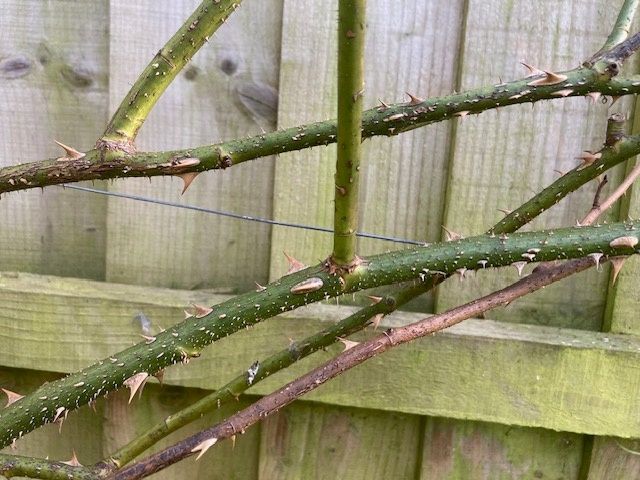
In traditional lunar gardening pruning is pegged to the ‘dormant’ phase of the month, when the moon is waning between the last quarter moon and the new, dark moon. This month the dormant phase of this most dormant of months falls between the 23rd and 30th December, within which, as it happens, will fall the week in which us humans are perhaps at our most dormant: betwixtmas, the strange, lost and lazy week – if you are lucky – between Christmas and New Year. A week in which, after all of the hustle and glitter of December, we can actually pack up and close down for once, eschewing routines, snoozing in front of the telly, living off the leftovers, slowing our heartbeats and practicing being mammals. We can make like the roses. Pruning them at this moment will feel almost zen: we are at one.
Some bonus winter garden lore
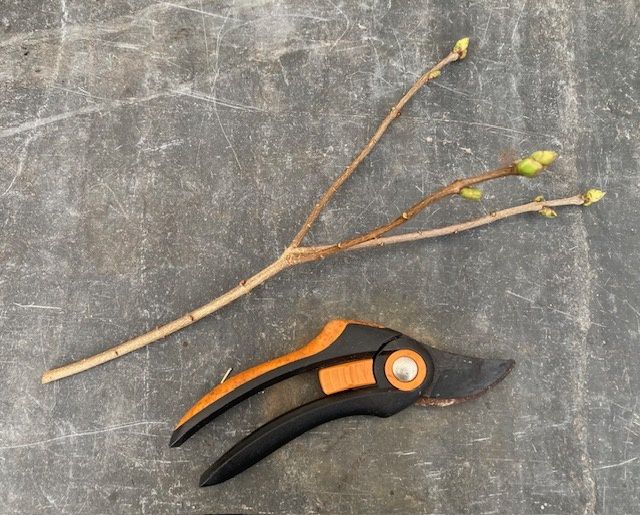
However I am out with my secateurs today for one single snip, because as well as moon gardening I promised you garden folklore, and before I go I offer a small piece of December pruning-based folklore which you must carry out this very day.
Every big date in the year has historically had lots of divination folklore attached to it: the things that happen on those days were thought to tell your future in luck, health or love. Christmas Day was and is the most important day of the year, and so of course it has plenty of this, among which is der Barbarazweig.
Today, the 4th December, is St Barbara’s Day in Germany, and it is traditional to cut a small branch of a flowering tree, ideally cherry, apple, lilac or plum, and bring it indoors. Should this Barbarazweig (Barbara meaning Barbara, zweigmeaning twig) flower on Christmas Day, you will have good luck for the coming year. Liza Frank in her wonderful book 'Everyday Folklore' suggests that you help things along by choosing a branch full of buds and popping it into the freezer overnight to simulate a frost, and then thaw it out gently and put it into a vase of water, but I didn’t tell you that…
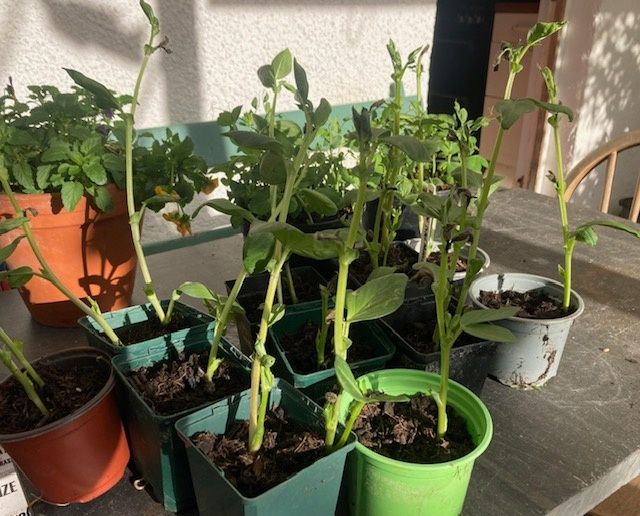
Please find your moon gardening dates for the coming month below, and I’d love to know if you have been timing your tulips, garlic and sweet peas with the moon and how that has been going. You will be delighted to hear that the broad beans are thriving. I wish you a happy Christmas and a deliciously lazy small portion of dormancy after it.
Happy pruning.
Moon gardening dates for December
(for a more detailed version see my book, The Almanac, a Seasonal Guide)
New moon to first quarter: 1st - 8th December (until 15.27) and 31st December - 6th January 2025 and
First quarter to full moon: 8th December (15.27) - 14th December
The waxing of the moon is associated with rising vitality and upward growth, particularly the times closer to the full moon. Sow crops that develop above ground – now that would be broad beans, hardy peas, sweet peas - but avoid root crops. You could scratch the itch to sow with some microgreens on a windowsill: basil, dill, celery, onion, chervil, beetroot, coriander, red mustard and pea to harvest when 5cm tall. Take cuttings of favourite apple and rose varieties and make grafts.
Full moon to last quarter: 15th - 22nd December
A ‘drawing down’ energy. This phase is a good time for sowing and planting any crops that develop below ground: root crops, bulbs and perennials. Right now that would be tulips, ornamental alliums, garlic cloves and overwintering onion sets in the garden, and paperwhites, miniature irises and forced hyacinth bulbs for late winter indoor flowers. Plant anything that needs to develop a good root system: rhubarb crowns and bare root fruit bushes, new grape vines, peaches, nectarines, apples, pears, quince and medlar, flowering perennials. Lift, divide and replant flowering perennials that have finished flowering now.
Last quarter to new moon: 23rd - 30th December
This is considered a dormant phase, with low sap and poor growth, and so not a time to sow or plant. It is however the perfect phase for pruning, while sap is slowed, so a good moment to prune your apple, pear, medlar and quince trees, rose bushes, fruit bushes and grape vines (which – traditionally, again - should also be pruned before the winter solstice on 21st December). Good time for weeding, harvesting crops for storage, garden maintenance, and fertilising and mulching the soil.