Cracking the Plant Code: A Botanical Conundrum
Finding the perfect plants for a far-from-perfect spot is proving to be a conundrum of sorts. One that shouldn't be that difficult, but it is challenging everything I thought I knew about growing plants.

As an avid gardener with a modest degree of experience working in all types and sizes of gardens over the years, I have also been fortunate to have met some very clever people along the way: notable garden designers; botanists, plantsmen, historians, and academics to boot.
How can it be going so wrong?
This has led to my quest to become the best I can be at my craft by using the knowledge I have come to learn and even sweat over exams for about the various characteristics of plants. Choosing for my own garden at home, however, I am left bereft of sensible ideas, confused beyond measure, and becoming increasingly irritated with the impact my seemingly wrong plant, wrong place choices are having on the design ideas I had for my garden, not to mention my bank balance and self-esteem! How is it possible to be so wide of the mark?
In the face of adversity
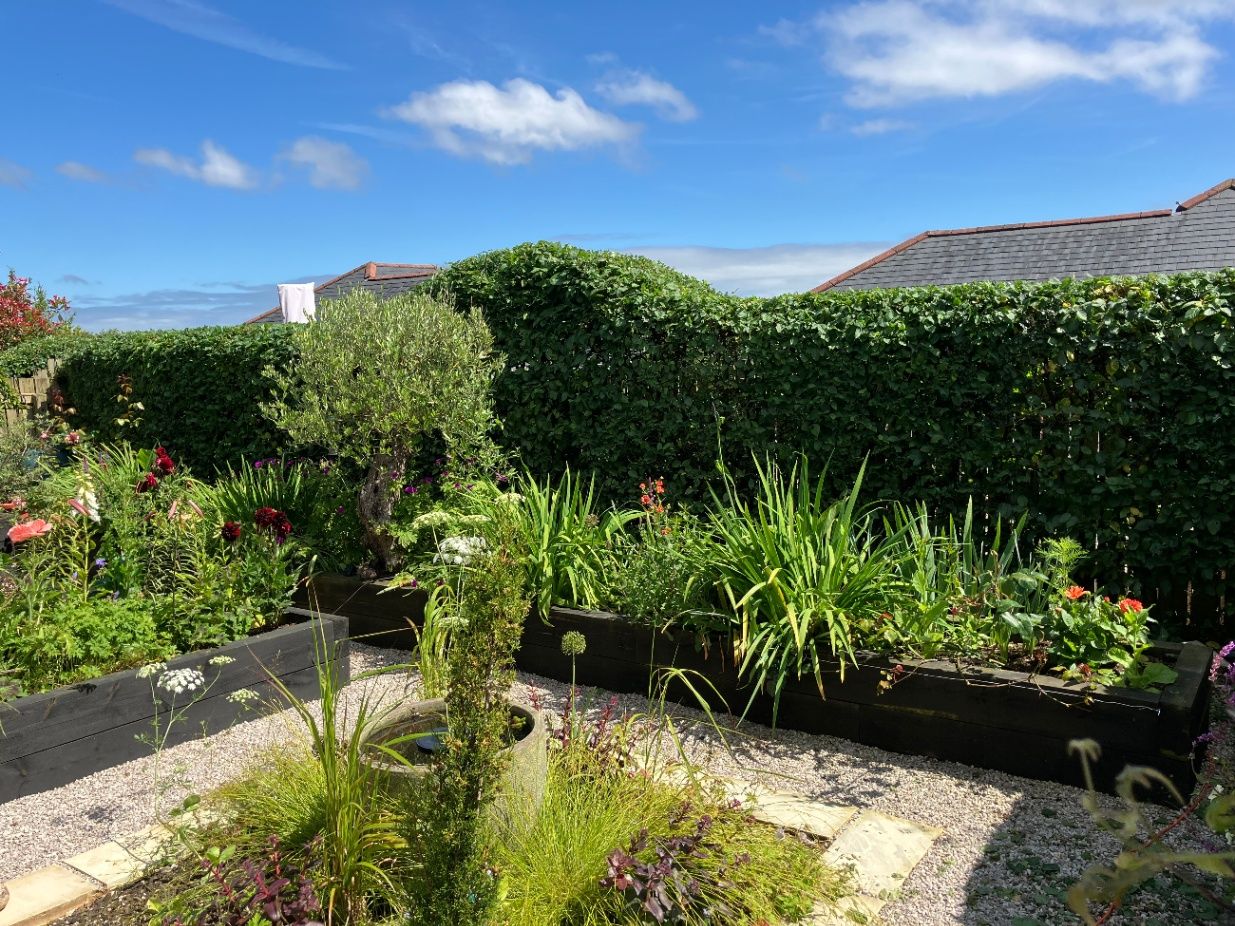
The letterbox-shaped south, southwest facing patch of not inconsequential size has been cleared and the many adverse issues that typically face the new-build estate garden on a steep hillside taken into account. Raised beds help mitigate the consequences of all too surprisingly heavy rainfall and my aging knees and hips. Katabatic winds which can turn over unsuspecting oversized rose bowls and test even the most steadfast of small trees have taught me to be mindful of raising pots off the ground, and to not listen to too many tree merchants. Shifting an awful lot of gravel down far too many steps, employed to assist in drainage towards a bund I’m compelled to maintain (lest my garden ends up in the neighbouring one eight feet below, thereby ending all future party invitations) whilst providing me with a good amount of exercise, has not proved to be an entirely profitable operation despite best efforts.
If plants could speak
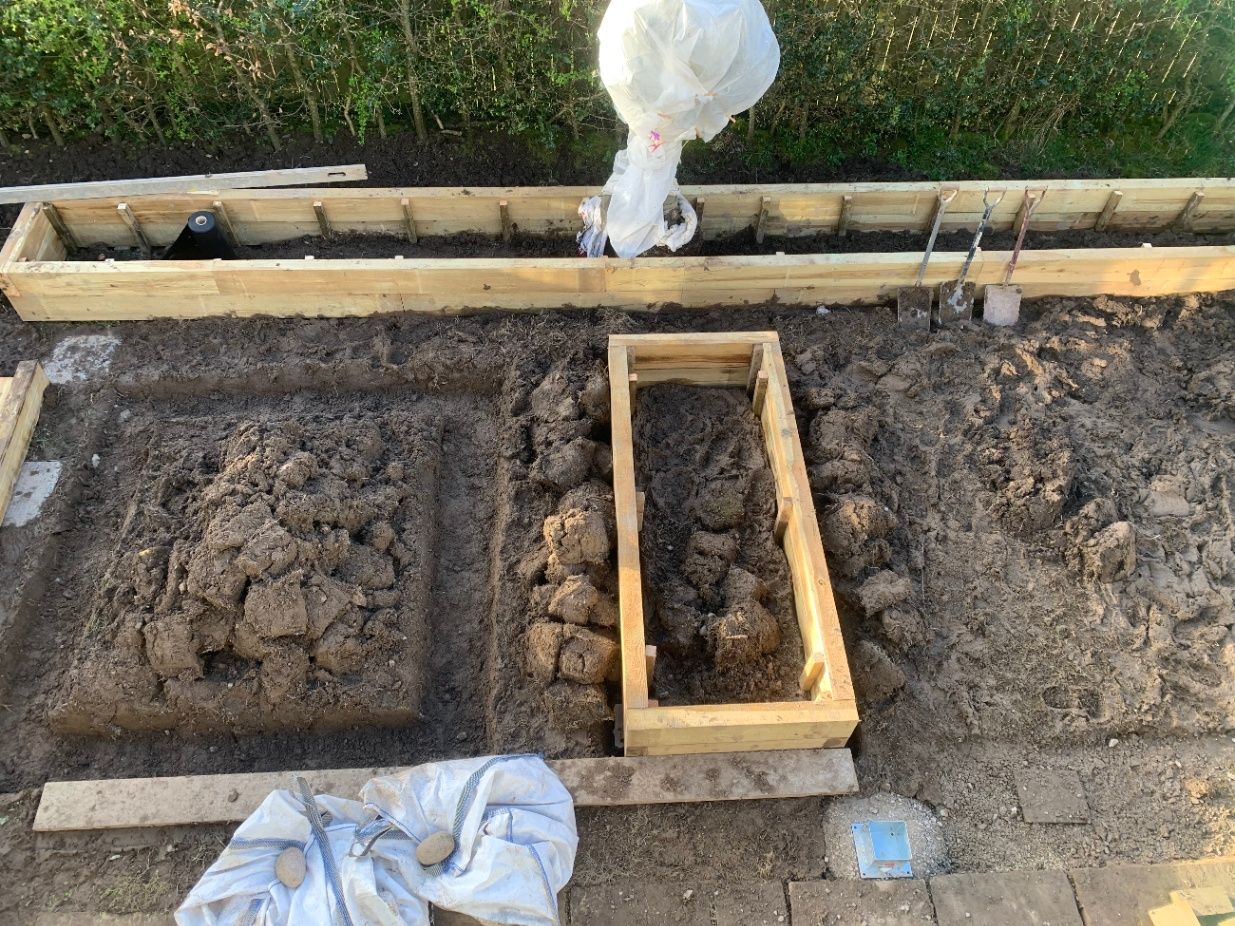
But, my most pressing issue relates to just a small area of ground so close to the subsoil I have found it is impossible to plant anything that will grow happily. My whim for Italian Cypress as cornerstones of my dream garden showed their utter disdain by literally falling over during the last particularly heavy deluge of rain. They now reside in pots, if they could speak, doubtless they would tell me how much better they feel. The soil is a soggy, anaerobic mass when wet, and granite hard when dry and I have made my eyes bleed burning the midnight oil scouring plant guides looking for plants to suit such polarised conditions. I've read the great and the good and deliberated with scholarly local nurserymen over ornamental grasses, and yet, I cannot find a single plant that does not require recognised tenants of basic planting requirements. The one thing I hear and read over and over again: free drainage. If only!
Back to the drawing board
So, what to do? What am I missing? It's back to the drawing board as this bit of my dream for a Mediterranean style garden needs a rethink. I will try not to be a glutton for punishment and go with Origanum vulgare as listed by a very respectable advisory service, or maybe I will.