Every Garden Was Once New
Learning to live with the landscapes we are still making

New-Build Gardens as Cultural Landscapes
When people tell me they have a new-build garden, they often do so with a hint of embarrassment.
It is introduced apologetically, as if it were a temporary condition rather than a place. “It’s just a rectangle.” “It’s all clay.” “There’s nothing there yet.” The implication is that it is not quite a garden at all, but something waiting to become one, once enough money has been spent, enough plants installed, enough time passed.
I understand this feeling. New-build gardens can look stark. The soil is often compacted and shallow, the boundaries abrupt, the sense of exposure keenly felt. There are no inherited gestures, no clues from previous gardeners. Everything feels provisional.
But all gardens begin this way. Every garden, no matter how settled or storied it may now appear, once started as bare ground and uncertainty.
We tend to forget this because age disguises origins. Time softens edges. Trees blur boundaries. Moss, lichen and weather introduce a sense of inevitability, as though things could never have been otherwise. Yet every garden we admire was once questioned, doubted, adjusted, and slowly learned.
Change Is the Only Tradition
There is a comforting idea that the English garden is timeless, a fixed cultural inheritance passed unchanged from generation to generation. In reality, it has always been in motion.
What we now consider traditional is often relatively recent. The cottage garden, rich with flowers and vegetables jumbled together, grew out of necessity. The Victorian villa garden expressed status and order. The twentieth-century suburban lawn reflected new ideas about leisure, ownership and uniformity.
Each of these landscapes was once new, shaped by the social and economic forces of its time. Each required people to learn how to garden differently.
New-build gardens are no exception. They are the product of our particular pressures: housing shortages, higher density living, fragmented land, changing family structures, and a growing awareness of climate instability and biodiversity loss.
To dismiss them as soulless or inferior is to misunderstand how garden culture evolves. Landscapes are not static heirlooms. They are living responses to the way we live now.

Meeting the Land for the First Time
One of the quiet pleasures of gardening anywhere new is learning the land’s character. The first year is always revealing. Frost settles in unexpected hollows. Wind behaves badly where you thought there might be shelter. Rain either drains away far too quickly or refuses to go at all.
In new-build gardens, this learning curve is often sharper. The soil may be tired or thin, the site exposed, the margin for error small. Yet this very directness can be a gift. Plants are honest teachers. They tell you quickly when you have misjudged them.
Instead of imposing preconceived ideas, insisting on roses where they sulk, lawns where grass struggles, it can be more rewarding to watch and respond. What grows willingly is rarely accidental. It is the land offering guidance.
This approach requires patience, and patience is not always easy in a culture accustomed to speed. We are encouraged to resolve things quickly, to make gardens look “finished”. But gardens do not care for our schedules. They unfold at their own pace.

The Value of Small Decisions
Taken on their own, new-build gardens can feel inconsequential. A narrow strip behind a fence. A modest patch of grass. Nothing grand enough to matter.
But gardens are not important because they are large. They matter because they are repeated.
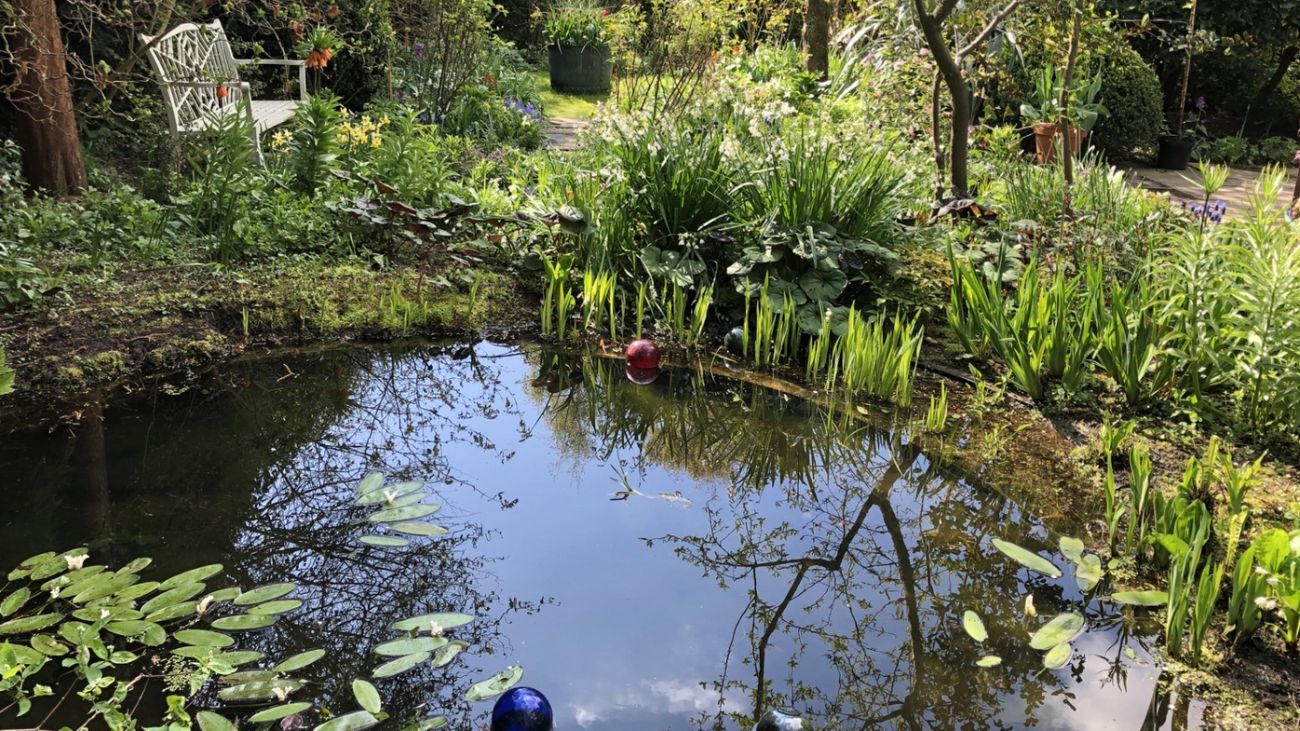
Across the country, estate after estate, thousands of small decisions are being made every day. A fence replaced with a hedge. A pond chosen over a patio. A tree planted with the knowledge that its best years will belong to someone else.
No single garden defines a movement. But together, these quiet choices add up. They soften new developments. They reconnect fragmented habitats. They create green corridors where there might otherwise be hard edges.
This is how garden culture has always evolved, not through manifesto or decree, but through ordinary people responding thoughtfully to the ground beneath their feet.
A Different Kind of Beauty
Older gardens often carry an authority that new ones cannot yet claim. They feel settled, comfortable with themselves. Their beauty is layered.
New-build gardens, by contrast, are often judged harshly in their youth. They are compared to finished paintings rather than seen as sketches still being worked.
Yet there is a particular beauty in newness, if we allow ourselves to see it. The openness of space. The clarity of light. The chance to start without inherited mistakes.
What matters is resisting the urge to over-design. Simplicity, especially at the beginning, allows the garden to breathe and respond. It leaves room for change.
A garden that begins modestly, with a few well-chosen trees, a hedge allowed to grow naturally, planting that suits the soil rather than fashion, has a far greater chance of becoming a place of depth and character over time.
Gardening as Stewardship, Not Consumption
One of the challenges facing new-build gardeners is the way gardens are often marketed: pristine, finished, static. Turf laid, patios gleaming, borders bare but supposedly complete.
This presentation encourages a consumer mindset. The garden is something to be bought, installed and admired, rather than tended and known.
Yet most people instinctively want more than this. They want birdsong in the morning. Shade on hot days. Privacy that feels alive rather than defensive. They want a place that responds to them.
Gardening offers this relationship, but only if we allow it. When we see ourselves as stewards rather than consumers, our choices change. We plant for resilience rather than speed. We leave space for things to move and shift. We accept imperfection as part of the process.
Time: The One Essential Ingredient
The only thing no new-build garden can offer immediately is age.
But age is not something that can be purchased or hurried. It arrives slowly, almost unnoticed. A hedge thickens. A tree’s shadow lengthens. Soil darkens and loosens as life returns to it.
There is something quietly hopeful about working with time in this way. Gardening teaches us to invest without certainty, to care for outcomes we may not fully see.
This is especially true in new-build gardens, where so much of what matters lies in the future. To plant a tree there is an act of imagination. To establish a hedge is to believe in continuity.
These gestures may feel small, but they are profoundly human.
A Shared Landscape
Although each new-build garden is privately owned, together they form a shared environment. Water flows from one plot to another. Birds move freely. Trees cast shade beyond fences.
What happens in one garden inevitably affects those beside it.
Seen this way, new-build gardens are not marginal at all. They are among the most extensive and rapidly evolving landscapes we are creating. They have the potential to support wildlife, moderate climate, and help people feel rooted in places that might otherwise feel transient.
This potential will only be realised if we recognise it.
Becoming Part of the Story
One day, someone will walk through a mature estate and struggle to imagine it as new. Trees will line paths. Hedges will blur boundaries. Gardens will appear settled, as though they have always been there.
The decisions being made now, often tentatively, sometimes imperfectly, will underpin that future sense of inevitability.
To garden in a new-build plot is to work without the reassurance of tradition, but also without its constraints. It is to participate in the making of something that does not yet have a name.
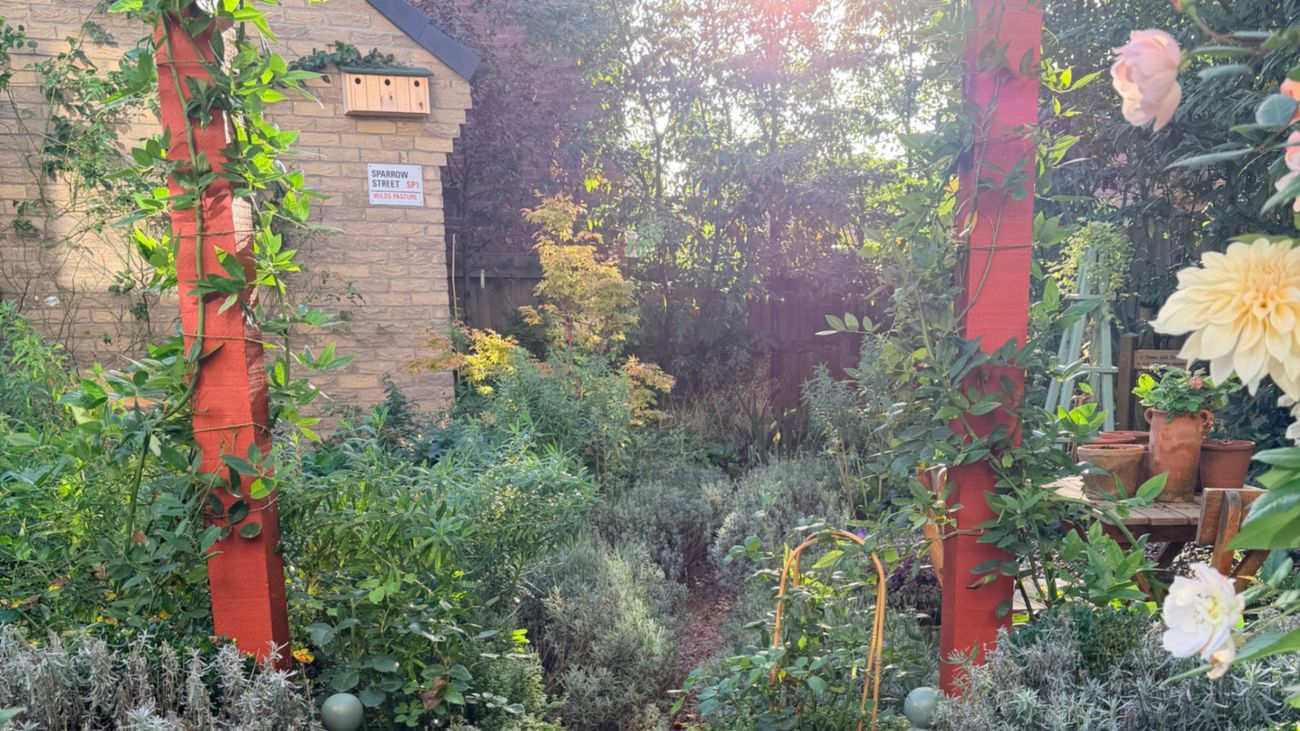
These gardens are not blank. They are simply young.
Given time, care and a willingness to listen, they will become places of meaning, not despite their newness, but because of it.