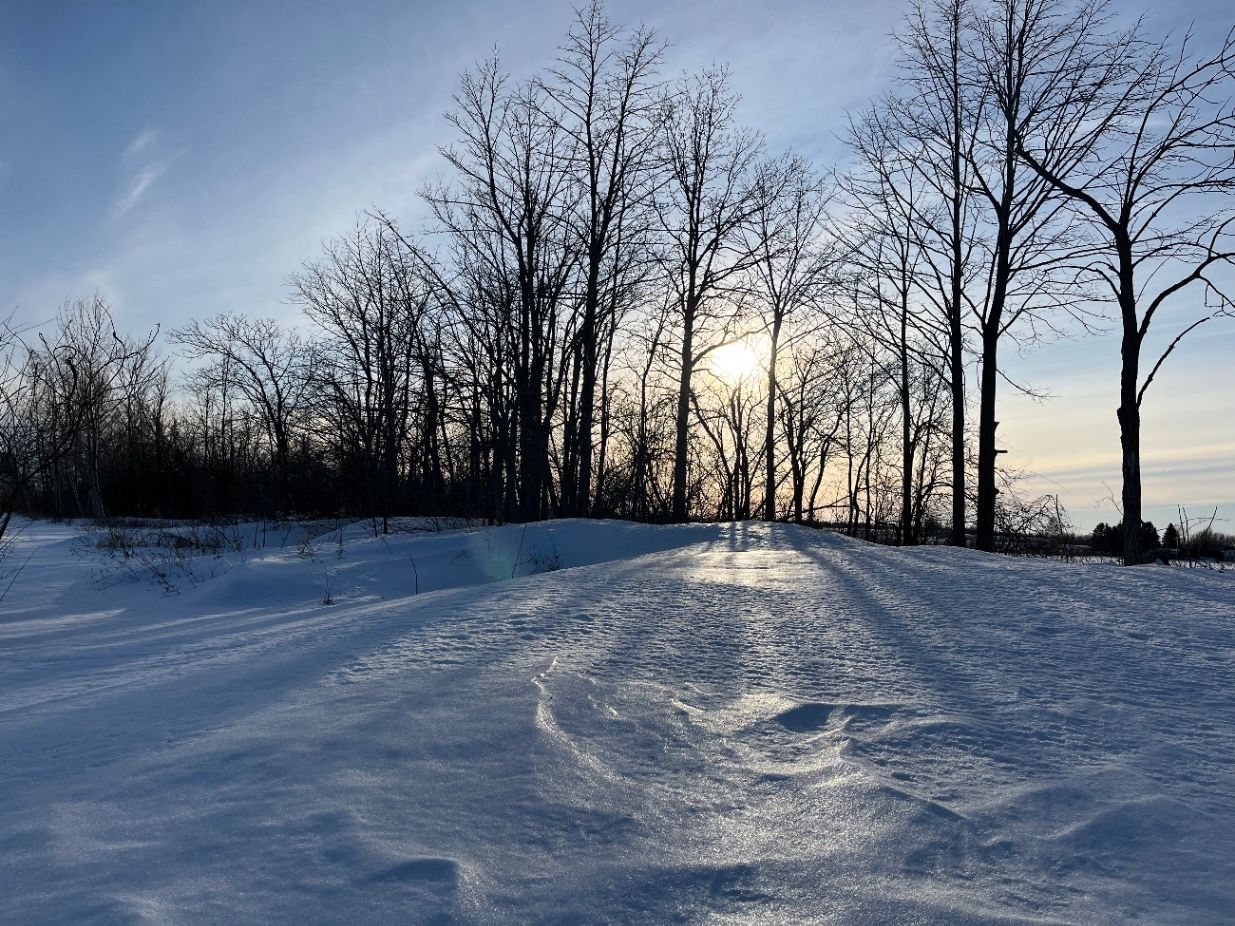
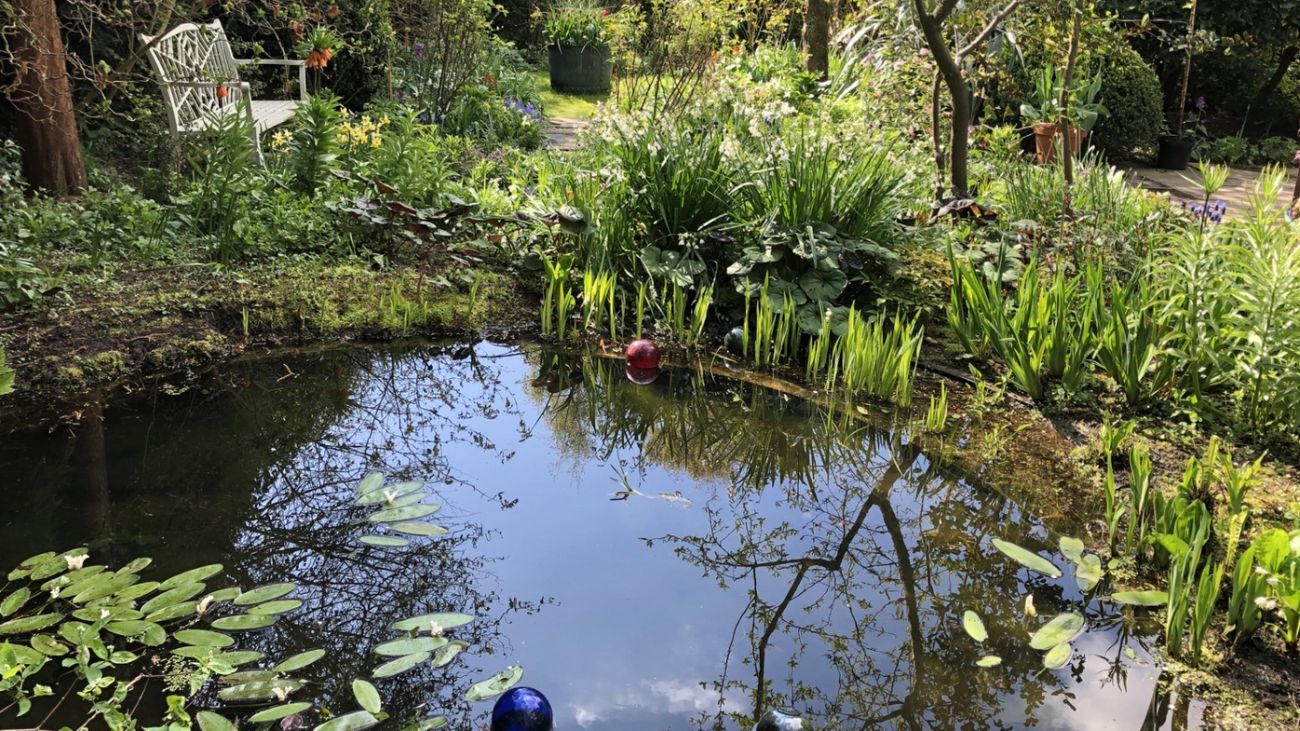
Garden under the Snow
Winter can be such a different experience for gardeners in different zones. For those of us in frosty climes, it is a period of snow gardens.


Oh the great Canadian Winter
Is not so very cold.
I once knew a kid who didn't freeze
Until he was ten years old.
Robert Munsch.
I live - and garden - in Zone 5b. For those unfamiliar with the concept, it means winter minimum temperatures around -26C to -23C (but the calculation is really complex). In our area, the mean amount of snowfall we can expect is 210 to 228 cm which is, honestly, quite ridiculous when you think about it. Yet anyone familiar with Canadians knows that we meet this frozen misery with good humour (just check the rest of Munsch's poem) and a general sense of appreciation for generously heated houses, warm layers of clothing and sun that shines brightly for most of the winter.
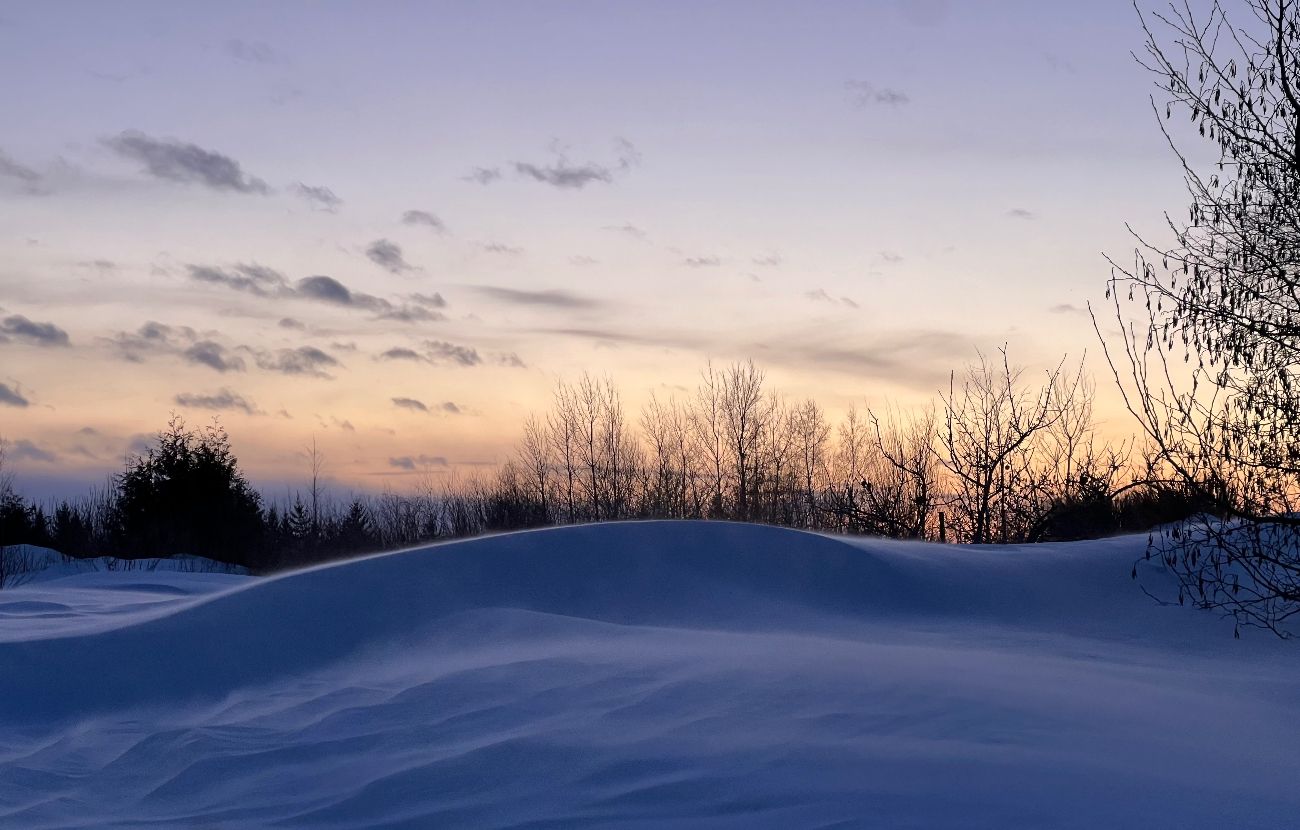
Just last week, we had another few centimetres of fresh snow, but by the next morning, the clouds moved away and the brilliance of the snow in growing light was upon us again. On days like that, most gardeners’ experience seems as far away from mine as ever. All I can do is sit on my cheerful yellow sofa positioned in front of big windows, surrounded by houseplants and wait. I don’t do much of anything. Things I do NOT do in winter:
- No running,
- No weeding,
- No cleaning,
- No digging,
- No mulching,
- No compost turning,
- No hustle and bustle.
There are no snowdrops, no winter flowering shrubs, no hellebores. The garden is sleeping and breathing under the deep cover of snow, brought to stillness with deep ground freeze. For those who love seasons, and I do, winter is a blessing.
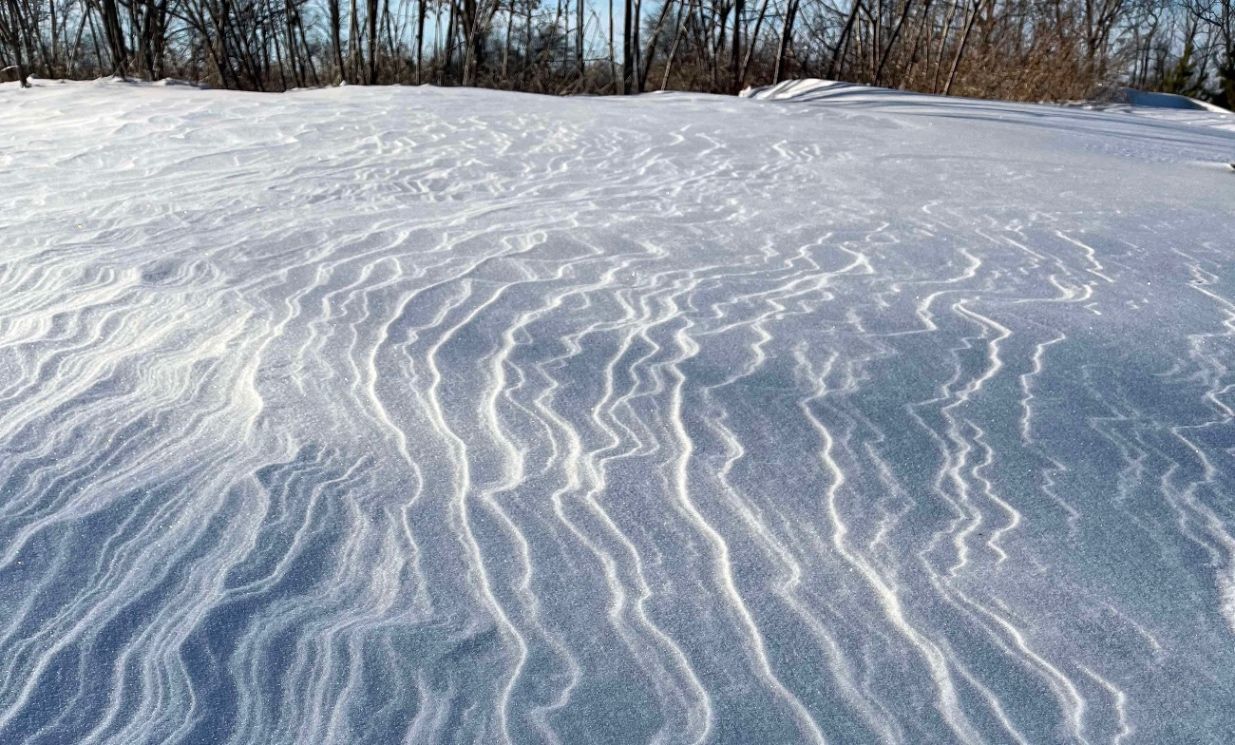
Under the wide Canadian sky, snow is the queen. While urban legends inaccurately claim that there are 52 (how overly precise!) ways of calling snow in Inuktitut, there are still quite many. English adapted to these conditions as well. Today’s fresh dry snow is soft and optimistic. Sometimes we get diamond dust (it’s a real term!) like icing sugar, or ice pellets, like frozen sand. Hoar frost, sweet and extravagant, but fragile. There is wet snow carrying moisture from the Great Lakes: heavy and dangerous snow that can collapse roofs. Snow drifting like snakes over the roads. There are snow dunes and snow banks created by wind, their edges compacted so much that you can safely walk on them, but if you take a step to the side, you can find yourself up to your waist in snow. Snow gets compacted everywhere, sometimes even causing lower tree branches to snap. Freezing rain is the killer among all. It makes roads impassable and snaps electric pylons like twigs, but it also wreaks havoc on gardens. All trees, young and old, are in danger. Few trees can escape unscathed, like birches, which often touch the ground with their tops, bending impossibly, just to spring back up when the wind or sun or rain removes their heavy burden.
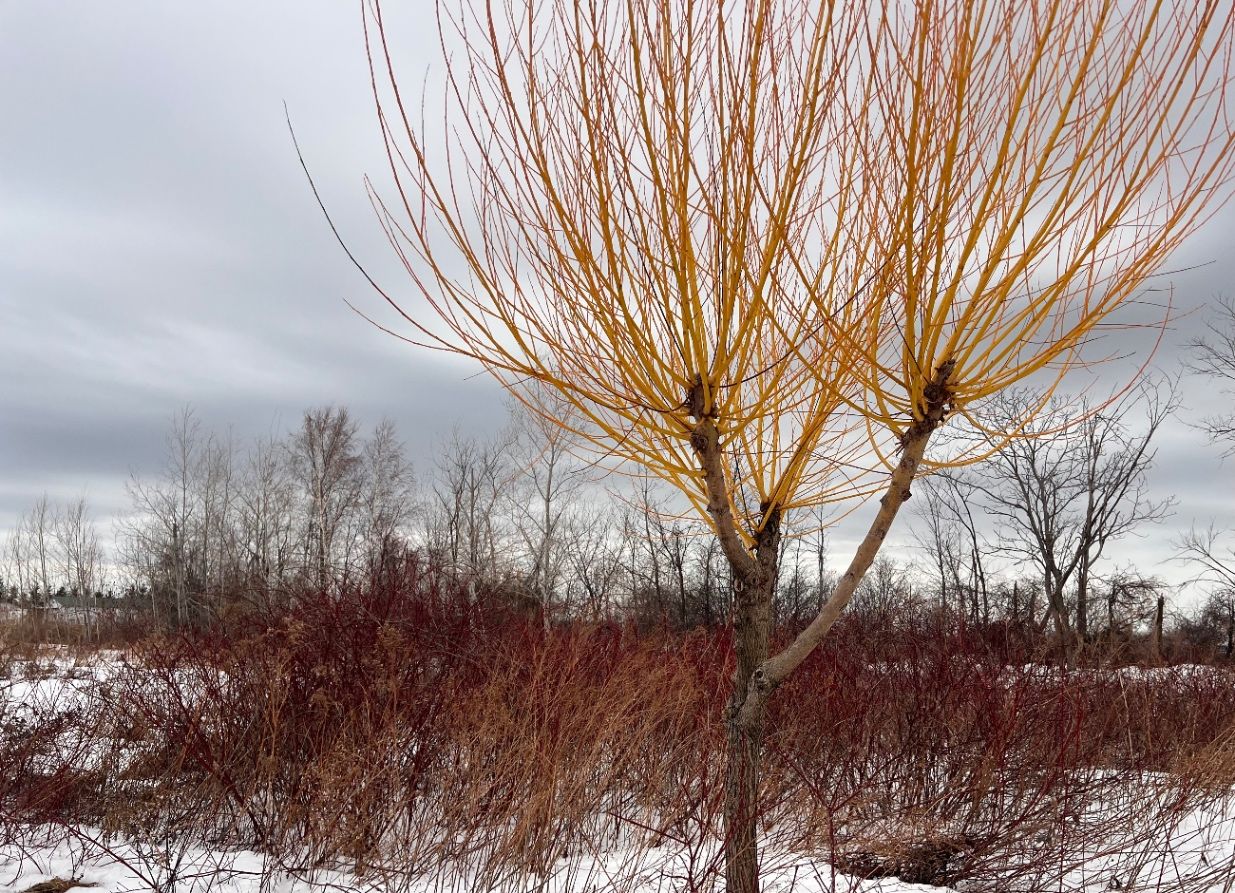
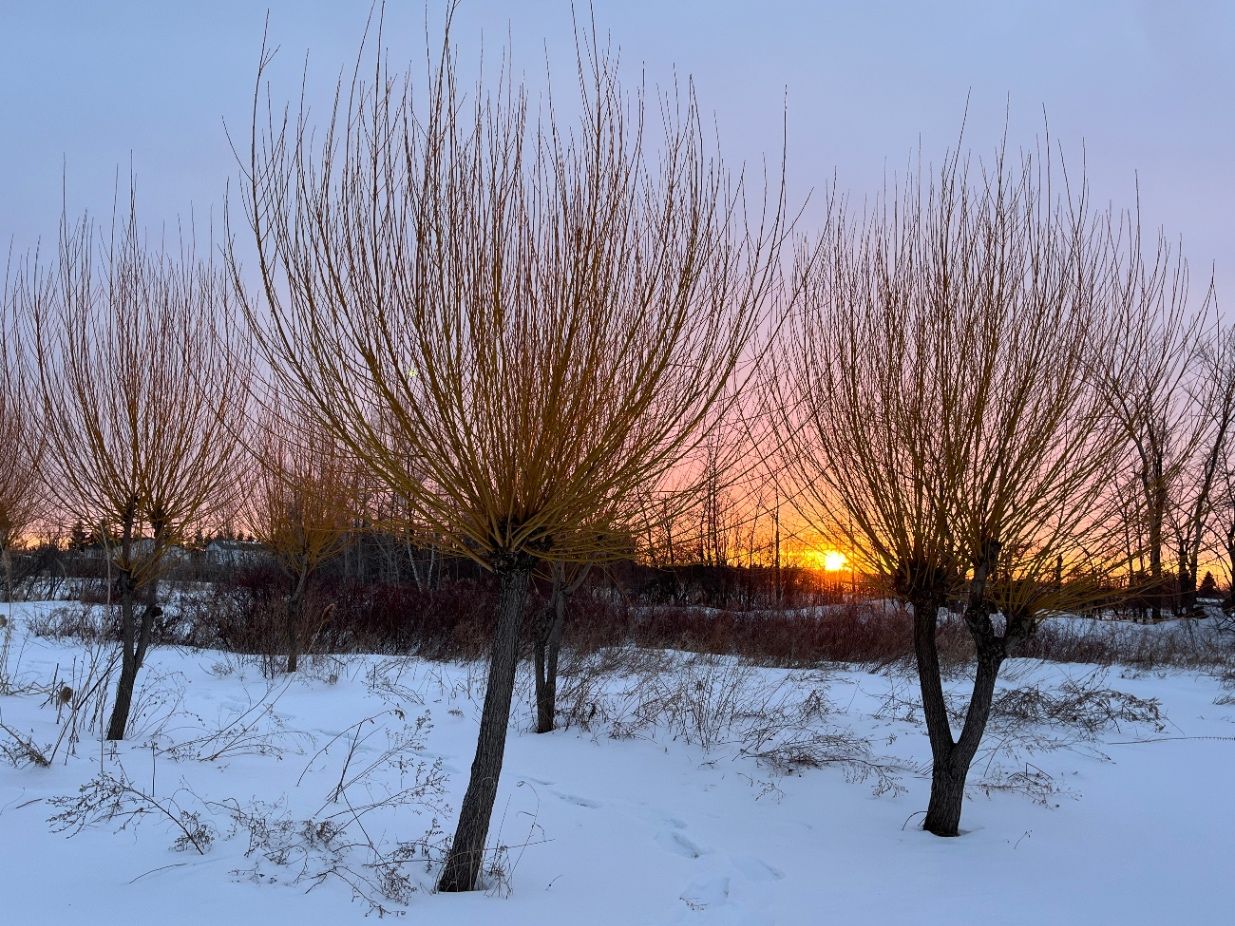
Trees are the only plants reasserting themselves in the snow. Golden willows shake their blond pollarded heads confidently over red dogwoods. Birch trees compete with the snow in their whiteness. Even shy Manitoba maples send long confident shadows. Shrubs fill with birds surviving against all odds, grasses sway in the wind hoping for light dry snow. Lilacs dream of moths visiting their flowers in May. An Eastern cottontail leaves droppings under haskaps, pruning them for us (how helpful !). All living things, undistracted by the green, worship the sun. There is life here yet.
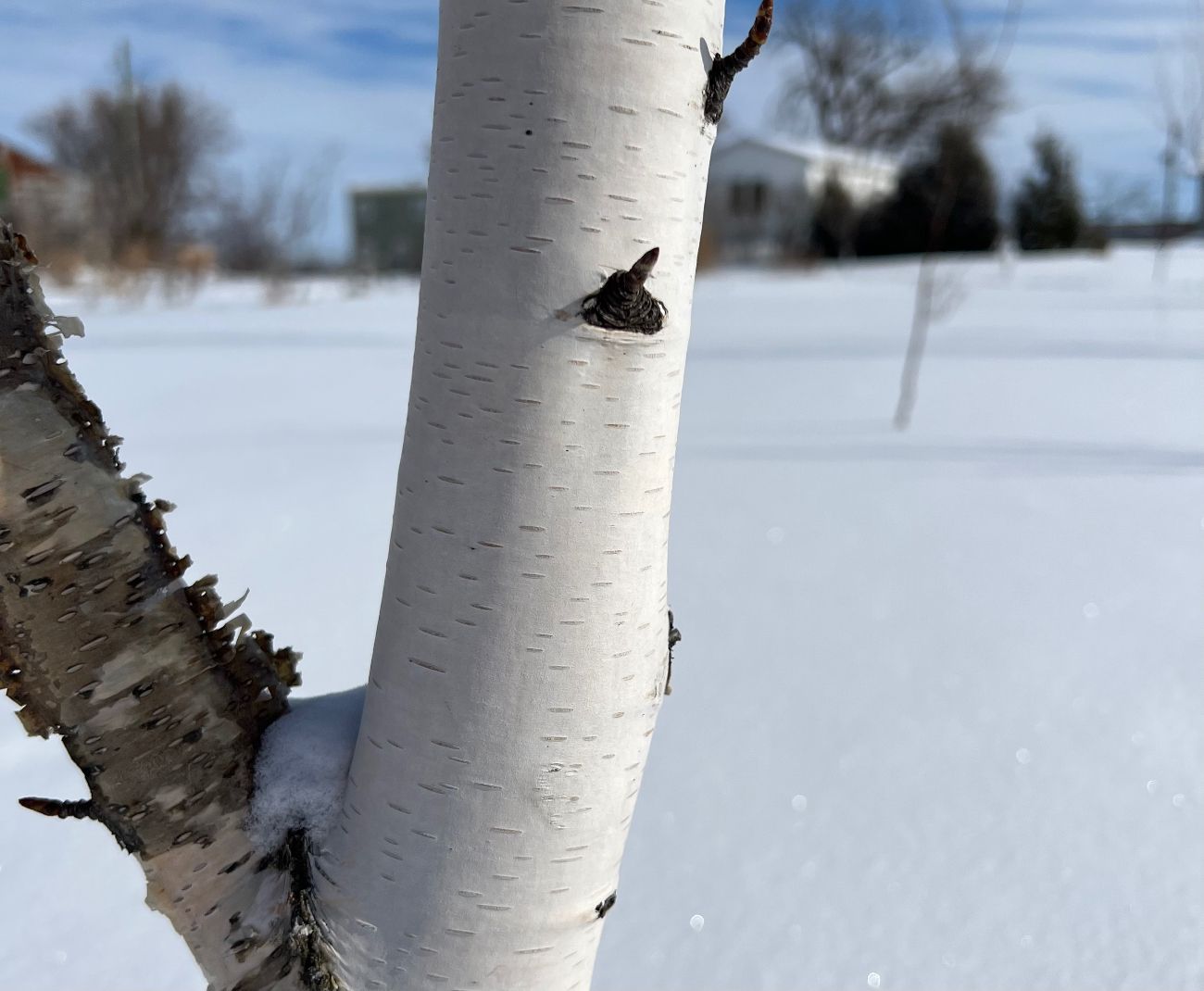
Snow is ever-present. It is not just a transient form of water, a pretty nuisance, a backdrop or a blanket. It is a force and a being. In winter, it’s brighter than the sky. Things of the earth, trees and human structures, are but dark lines and blobs in the sea of white and blue, like markings on white canvas.
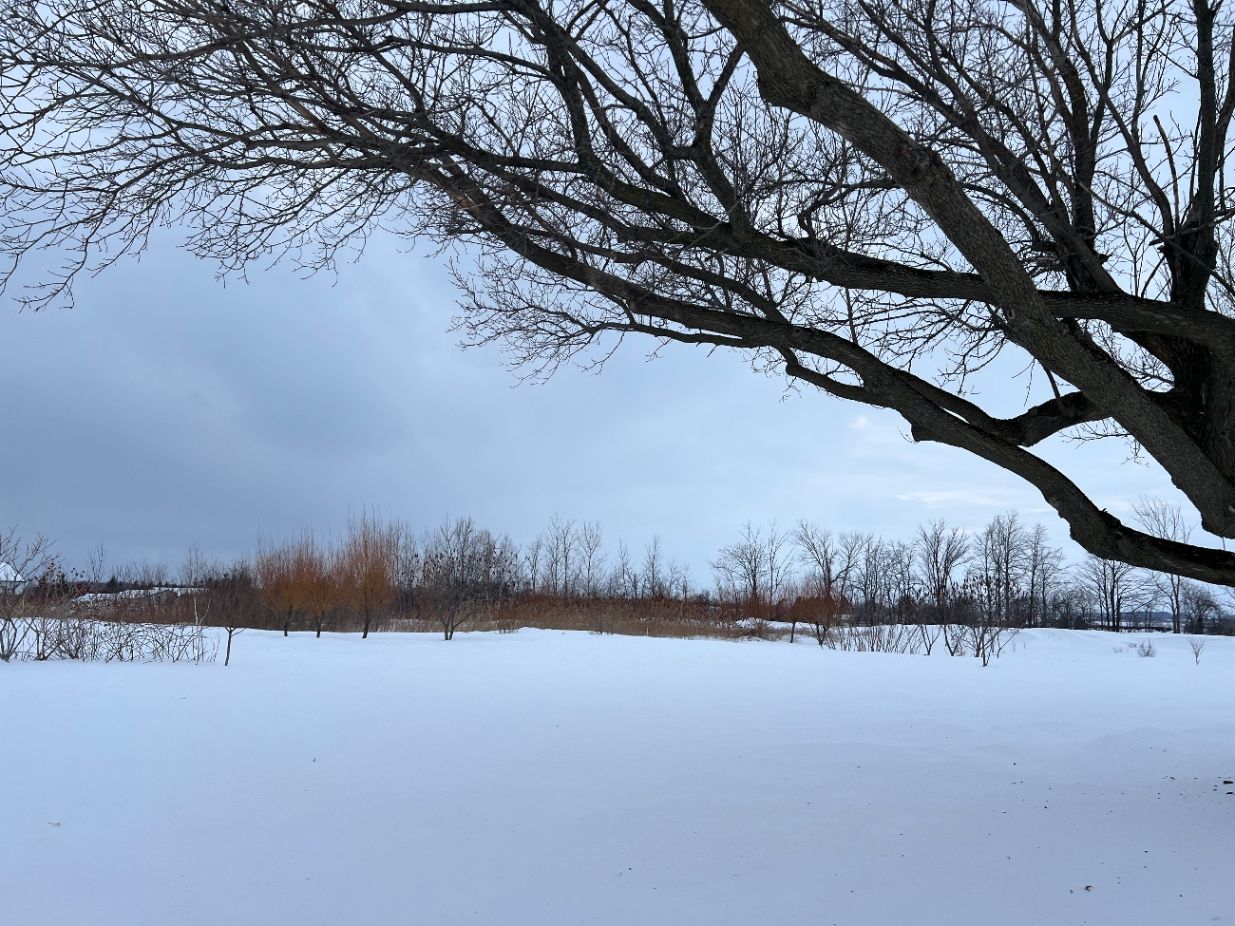
As a gardener, I am humbled. Snow blurs and erases the structure of the garden, creating new lines following shadows and snow dunes. If the garden is landscape re-imagined, the snow garden returns to the landscape. Winter reminds me that plants are just one element of the garden, and not always present. In garden books and magazines, one can often find drawings of planting schemes, with no background, nicely visualized for the gardeners, like a cut-out that could be taken out and placed in any space. Snow effectively erases most plants from view, leaving what is left out in such projects: the landscape. Snow garden allows one to see the place in its essence, the quality of the sun, the views, the trees and human structures. It strips the garden back to its ever-present elements. When I think of new plantings, I find it harder to impose myself on the landscape, but rather consider ways in which the plants will complement and enhance it.
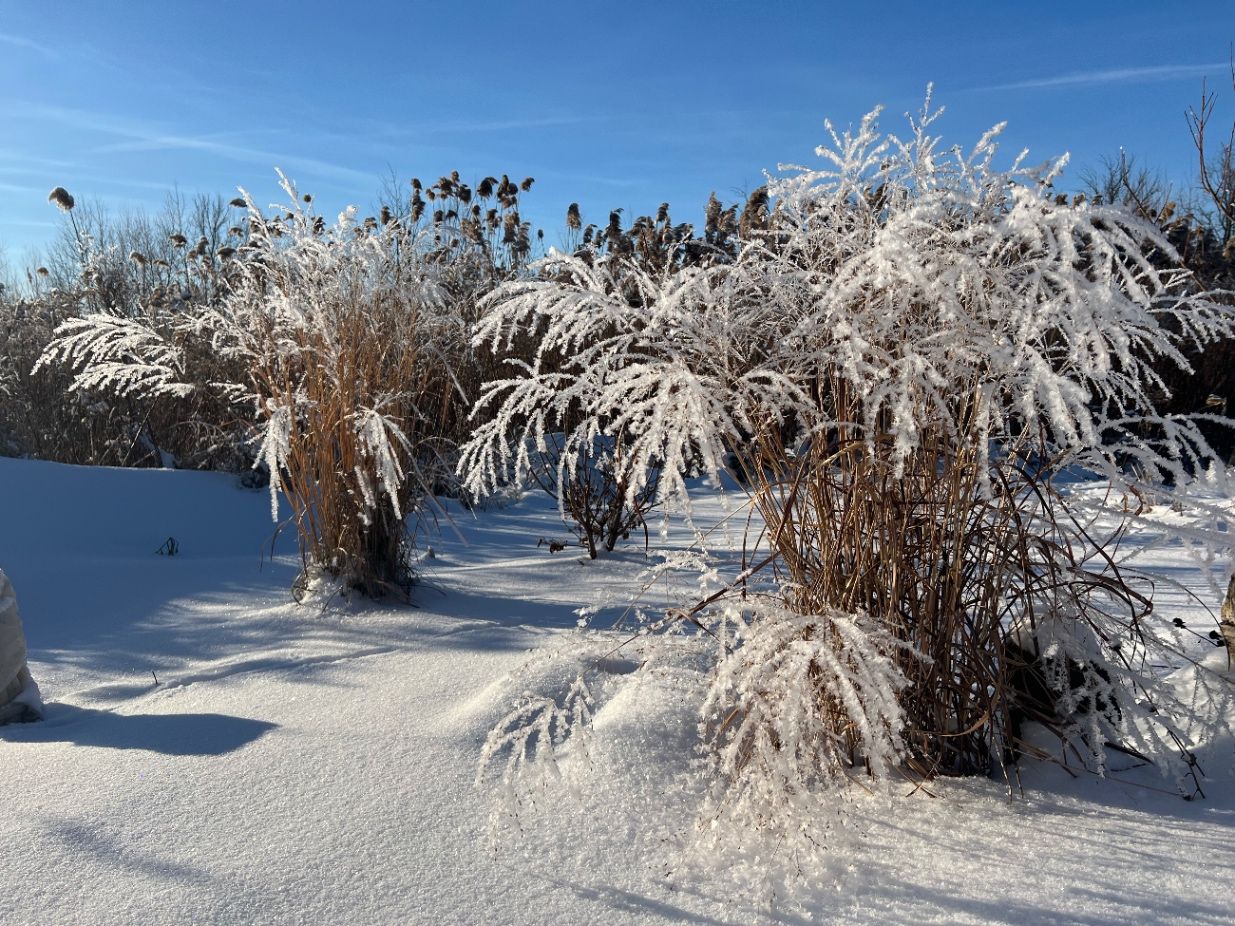
How do we enjoy that garden under the snow, you, as any good gardener who can't imagine not working in the garden incessantly, probably wonder. Of course, we go for walks (a pair of snowshoes by the door), we enjoy it from the windows, too. But also, snow is a great canvas for fanciful, maybe even childlike imagination. We observe the furry and fluffy garden inhabitants and make up the unseen scenes from their lives. I do think that cottontail has a particular taste for haskaps. We imagine what else we could fit into the garden and conjure fantastical plans of ponds and greenhouses. The fact that we are aware our plans will likely end like last year's plans does not change anything. We dream of fields of roses (hardy ones, we are quite sensible in our dreams) and magnolia groves. It's easy to plan as there seems to be so much space since there are no garden beds visible.
We are starting to emerge from the snow in March, more dreamy than we were before, if it is at all possible. We will get beaten by a few more snowstorms or freezing rain, but with eyes fixed on the ground where the first snowdrops will show up, as always, around 18-22 of March. In my native language, Polish, snowdrops are called pierce-the-snow. They will be snowed in, but the snowdrops will show the way out of the snow. It’s a mighty plant that can do that.
No need for self-pity for us. We can’t imagine a garden without snow in winter.