Gardening in the Rockies: A Wild Revival Introduction
How do you garden with the extremes of high elevation, wild weather patterns, and climate change? What I have learned about gardening under these dramatic conditions could help YOU in your garden - even if you aren't gardening at these extremes.

.jpeg)
"We are prone to speak of the resources of this country as inexhaustible; this is not so." - Theodore Roosevelt (18581919), 26th President of the United States
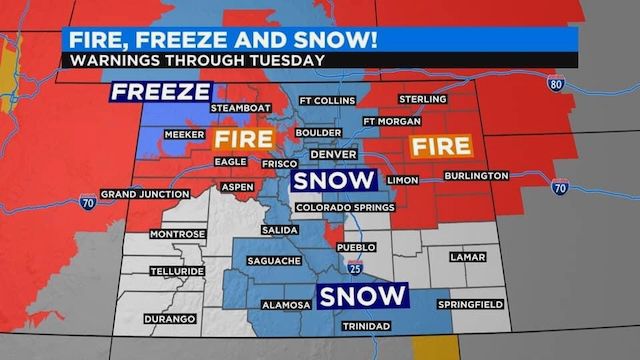
Weather may seem a strange means of introduction, but… well, this tells you a bit about where I garden and how. On September 5, 2020, our high temperature was 101℉ (38℃). It froze and snowed three days later. This is an extreme example of what we in the Mountain West call "weather whiplash". It's something we experience frequently, and as gardeners, we and our plants have to be resilient – and prepared for anything. And it has driven me as a gardener to begin a Wild Revival in my own garden.
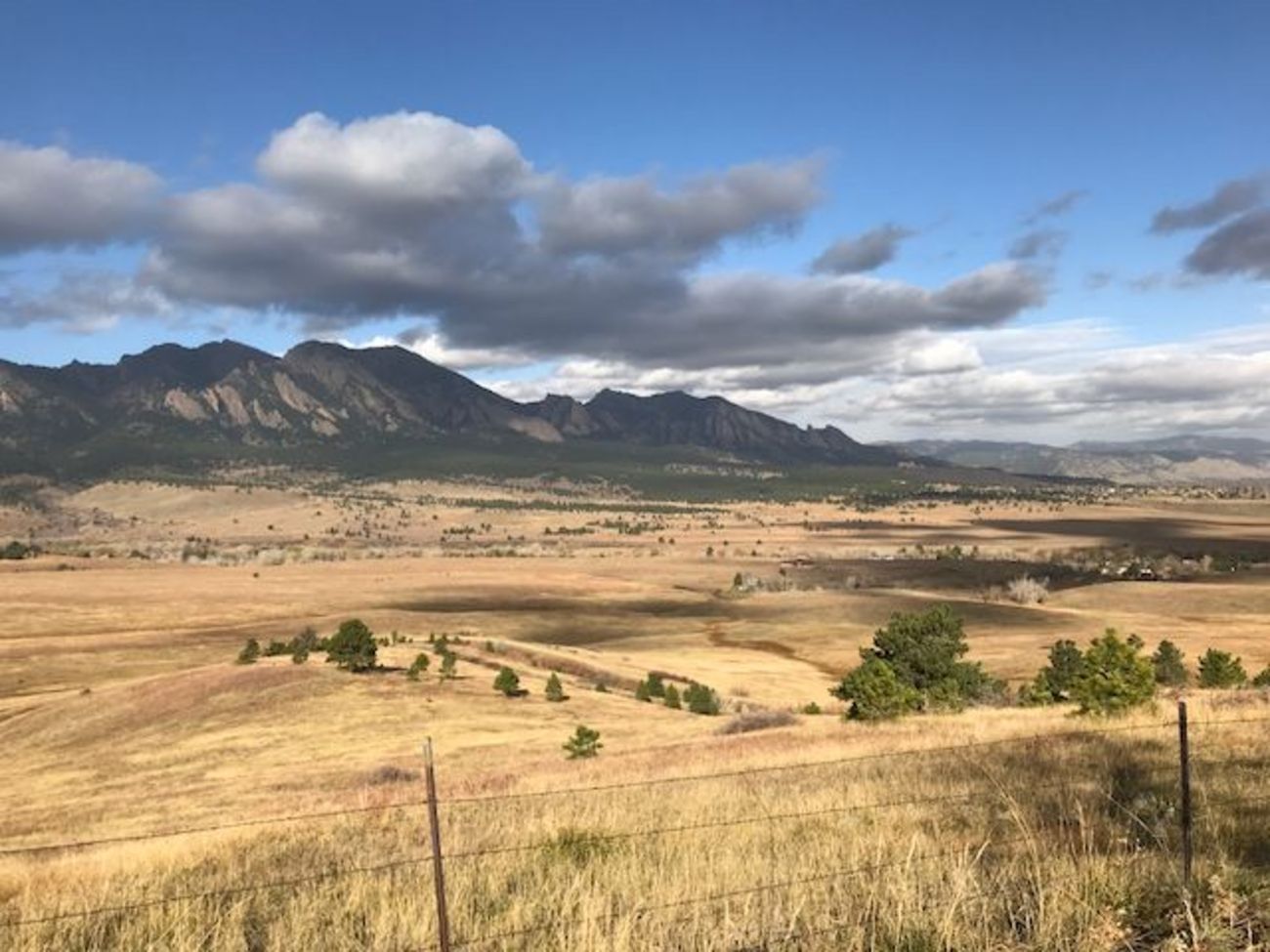
Today I am looking out as the snow flies, blanketing my garden. Winter has finally arrived here in Colorado – much later than usual. We had an abnormally warm and distressingly dry fall. While we are used to dry conditions here, summer and fall have been extremely dry this year, forcing me to think and rethink anything but the most drought-tolerant of my plants. And to use more water than I should to water what's left.
But this is the reality of 21st-century gardening, I think. And here at the base of the Rocky Mountains we grapple with even more extremes than most.
An introduction at last
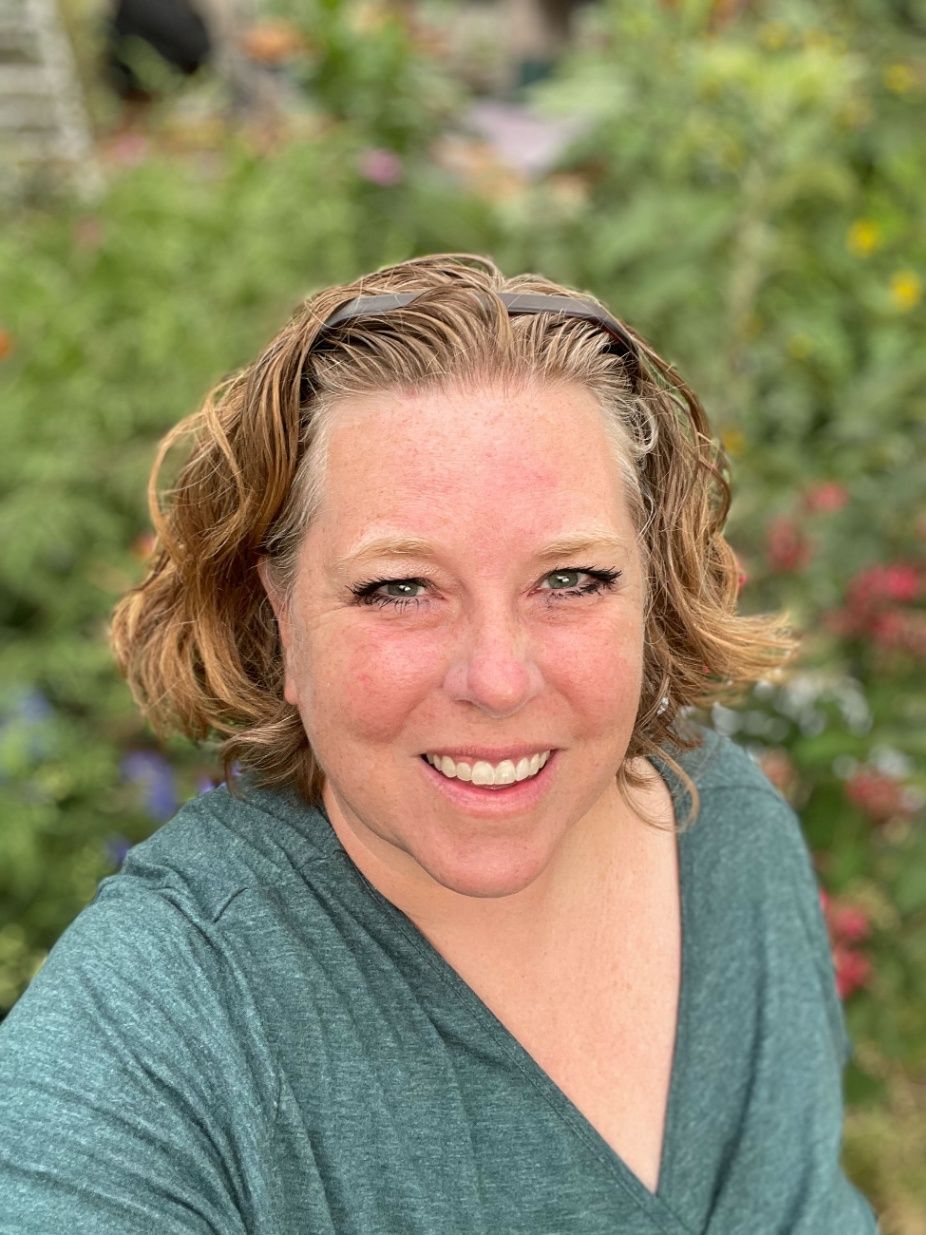
I'm Angela K. Nickerson, a writer and Master Gardener, based near Denver, Colorado in the United States. Together with my husband and son, I have set out to turn our pretty standard American lawn into a garden that supports wildlife and makes our home more beautiful as well.
I have lived in Colorado for seven years, and I have gardened in multiple states and even more growing zones in the US – from California to Minnesota to Texas and now Colorado. But Colorado gardening brings deep, systemic challenges and made me question everything initially. I mean: how do you prepare and protect plants for 60℉ temperature swings? And how do you even choose plants for a climate like this? And how do you grow things you love – like roses and dahlias? And what do you do when it doesn't rain for two months?
And let's talk about gardening at altitude… I garden more than a mile above sea level (5600 ft.) – but I'm not on a mountain – with an increased UV exposure because the atmosphere is thinner, exposing everything to more. Part-sun here is relative. That increased UV exposure means plants burn more easily – and so does my Scandinavian-fair skin. So both my plants and my skin need extra protection – sunscreen for me, shade for even some of my "full sun" plants.
One of the keys to gardening here: native plants. I know this is true everywhere, honestly. But I am often shocked by the non-native plants lining the aisles at the garden centers. I walk the lines and think, "Nope. Never. Nope. Not in a million years." Those plants will need too much water, too much shade, too much pampering.
.jpeg)
Gardening on the Prairie
The native plants of our prairies are tough! Not only do they shrug off the extra UV exposure, they thrive even with our erratic rainfall. We only get about 16 inches of precipitation per year – ⅓ of which comes in the form of snow. So our native perennials usually develop deep root systems reaching sometimes a foot or two into the earth in search of moisture. Many of them are like purple coneflower (Echinacea pupurea) – which has a deep, fibrous root system, wide, dark-colored leaves, and flowers at the end of summer.
Less than 150 years ago my home was prairie – a complex ecosystem filled with hundreds of plant species, home to bison and wolves, prairie chickens and Golden Eagles, grasshoppers and jumping spiders. Prairie dogs tunneled towns, aerating and building mounds of loose soil – perfect places for the seeds of stiff goldenrod (Solidago rigida) and indiangrass (Sorghastrum nutans), and black eyed susans (Rudbeckia hirta) to germinate. Monarch butterflies and broad-tailed hummingbirds appeared in the spring and fall as they migrated up and down our continent – an astonishing journey for these tiny, delicate flyers. And they feasted on the nectar of sunflowers, red birds in a tree (Scrophularia macrantha), and our native salvias.
We have heavy, clay soils which in so many suburban areas like mine have been used and abused for decades. First, the prairies were plowed under for farming and then subdued even further as a suburban neighborhood.
Now our neighbors bemoan their heavy, clay soils. I did, too, until I discovered the secret: native plants need it. That clay holds moisture deep, deep down, keeping my Penstemon strictus (Rocky Mountain penstemon) and Aquilegia caerulea (Colorado columbine) happy even in hot, dry months.
Weather whiplash
Honestly, though, the biggest challenge in gardening here is what we commonly call "weather whiplash". Our temperatures and conditions often fluctuate widely within short periods of time. Remember September, 2020?
Like so many people, I spent the first pandemic summer out in the garden. We had only lived in Colorado for three years at that point, and we had only just begun to work on what at that time was simply a yard – lots of weeds, not much grass, and a few plants here and there. But as the world started to shut down in March, my husband decided to order a delivery of lumber. He figured he would have a few weeks or months to get some projects done. So we did. We built a treehouse and a few raised beds and filled them. My then eight year-old and I planted vegetables – his first big gardening experience. We started a compost pile.
It was hot and smoky that year with wildfires raging all across the Rocky Mountains, but we couldn't get our broken air conditioner fixed because the supply chain was melting down, so we lived outside as much as possible, gardening, puttering, reading in the shade of our trees.
As September started, we sweated and sweltered in record heat. On September 5, 2020 temperatures topped out at 101℉ (38℃).
But a huge storm was headed our way.
Over about 12 hours on September 7, the temperature plummeted from a high of 93℉ to a low of 31℉ – more than 60℉ – and we got about 2 inches of snow overnight.
Now, this is highly unusual in many ways – we don't usually get snow that early in the fall, we don't usually have temperatures that hot in September. But we DO often have temperature swings of more than 40℉ within a 24-hour period – and often much more.
And this is what we mean by "weather whiplash" – our plants have to be able to handle these extremes. Hot. Cold. Dry. Wet. Winds. All of it. Sometimes all in the same day.
.jpeg)
Time for a wild revival
Do I always write about extremes of weather and plants? No. But I am in the midst of a Wild Revival – gardening for a changing world. So certainly those extremes will be the subtext in everything that I write. And I have learned a lot living here about how to adapt – how to make changes both for the short-term weather conditions like a late freeze or a spring hailstorm and for the longer-term changes that are part of climate change. I am learning to be resilient. To choose resilient plants. And to practice resilient gardening.
You may not garden in a place as extreme as Colorado – or perhaps your seasons of extremity are very different. If you are finding that gardening is changing where you are – well, stick around. You might need a Wild Revival, too! There are so many lessons for all of us living in a changing world from those of us living in the extremes. Maybe it is time for us all to have a Wild Revival!
Happy Gardening!