Gardening Through Grief
A reflection on how tending a garden through winter, uncertainty, and seasonal return becomes a way of living alongside grief that does not end, but endures.

The Long Winter Garden
The diagnosis came in December, which felt fitting at the time. December is honest. It does not pretend. The light withdraws, the ground hardens, and growth retreats underground, out of sight. Nothing is finished, but nothing is easy either.
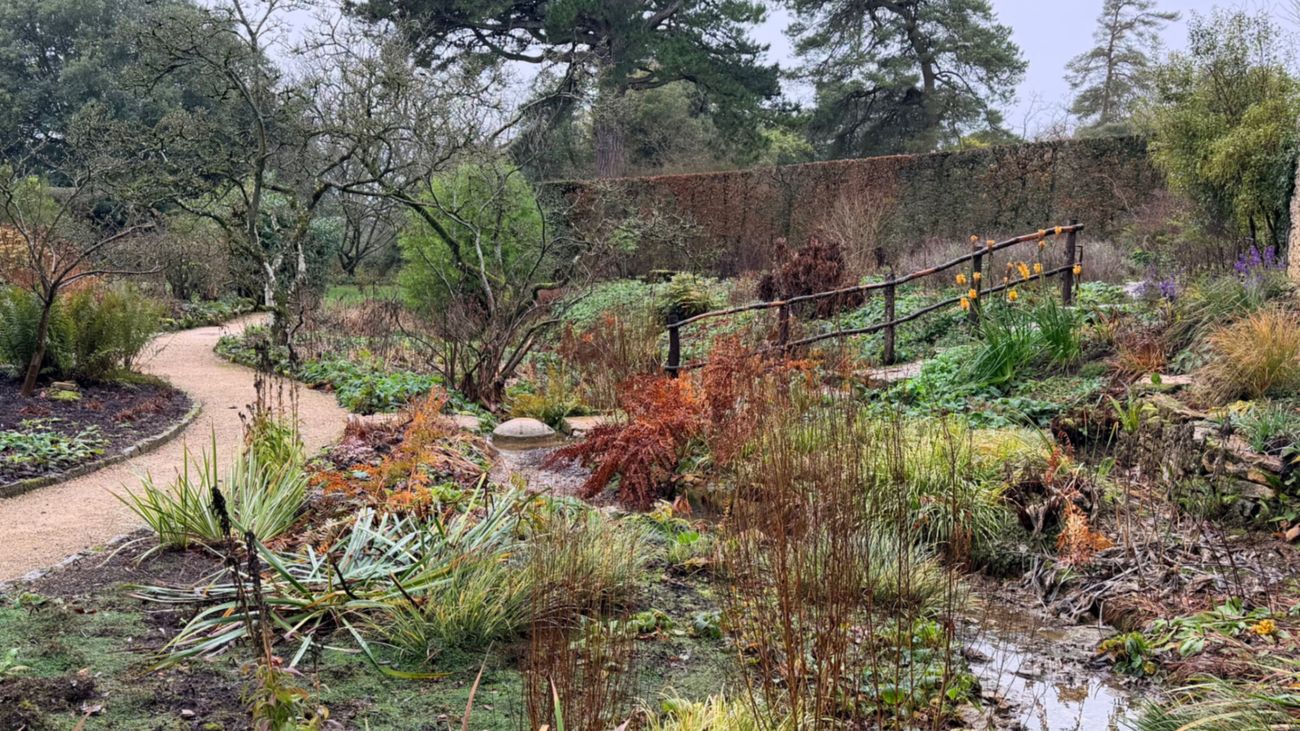
The garden then was stripped back to its bones. Beds bare, paths slick with rain, the compost heap steaming faintly in the cold. I remember standing outside, coat pulled tight, not doing very much at all. The year had narrowed itself down to essentials: breath, earth, time.
Winter has a way of making news echo. There are fewer distractions. Sound travels further. The world is quieter, and so the mind fills the space. Gardening books talk about rest at this time of year, about waiting, about trust. I found that difficult. Waiting is not restful when the ground beneath you feels uncertain.
What no one tells you is that grief does not always arrive with an ending. Sometimes it arrives as a condition of living, a companion that walks alongside ordinary days. When illness does not resolve—when it lingers, treated but not banished—you enter a landscape without clear paths. Gardening, I learned, has much to say about this.
Shock: Frozen Soil
The first weeks were like frozen ground. Everything intact, everything locked in place. You can still walk on it, still see its shape, but nothing will yield. I went through the motions: festive preparations, polite conversations, garden tools cleaned and put away. The rituals continued, as they always do.
In the garden, winter asks very little of you. Don’t interfere. Don’t force. Just observe. At the time, this felt inadequate, almost insulting. I wanted something I could do. But the soil was telling a different story: that not all states of being are active, that dormancy is not failure.
I learned then that shock is not explosive. It is a narrowing. The world reduces itself to what must be done today. Everything else is postponed.
The False Comfort of Lists
By late winter, I began making plans. Seed lists, planting schemes, quiet resolutions for the year ahead. This is, on the surface, sensible. Gardeners are planners by nature, always imagining next season even while standing in this one.
But these plans were not really about flowers or harvests. They were an attempt to impose continuity on something that felt dangerously fragile. If the garden could move forward, perhaps everything else could too.
There is comfort in catalogues in January. They speak of abundance with such certainty. They do not acknowledge frost or loss or the inexplicable gap between expectation and outcome. I clung to them, even as I knew better. Every gardener knows better. And yet we sow anyway.
Anger Beneath the Thaw
As winter loosened its grip, something else surfaced. Irritation, restlessness, a simmering resentment I could not quite name. March arrived late and cold. Seeds sulked. Slugs appeared absurdly early, brazen and unapologetic.
I took it personally.
I have learned since that anger often arrives disguised as criticism: of weather, of soil, of oneself. In the garden, it finds easy targets. Why won’t this plant thrive when I have done everything right? Why now?
Gardening accepts anger without judgment. It gives you something to cut back hard, something to dig up, something to compost. The physicality matters. Mud under fingernails has a way of anchoring feelings that might otherwise spill sideways into places they do not belong.
Still, the garden did not improve because I was angry. If anything, it taught me the limits of force. Plants respond to conditions, not moods.
Grief Without a Funeral
By early summer, the garden was once again convincingly alive. Leaves everywhere. Flowers making a case for optimism. And this, unexpectedly, was when sadness arrived.
Not acute grief, not the sort that draws clear sympathy. This was quieter and harder to explain. The grief of not knowing how the story ends. The grief of loving someone who is still here, while living with the constant awareness that nothing is guaranteed.
There is no ceremony for this kind of grief. No collective pause. Life insists on its own momentum.
In the garden, summer can feel relentless. Growth piles on growth. Miss a week and you lose control. I found myself overwhelmed by abundance, by the pressure to keep up. It mirrored something deeper: the exhaustion of vigilance, of holding space for uncertainty day after day.
I began to sit more. To notice rather than manage. To let certain things grow tall and unkempt. The garden did not collapse. If anything, it breathed more easily.
Learning the Language of Perennials
One of the quiet teachers in all of this has been the perennial border. Plants that disappear completely, sometimes for months, only to return when conditions allow. Not because they were protected from hardship, but because they are adapted to it.
I began favouring plants that know how to wait. Deep-rooted things. Self-seeders. Those that lean into cycles rather than resisting them.
There is a humility in perennial gardening. You do not get instant results. You commit without certainty. And you accept that some losses are absorbed into the whole, not individually mourned.
This was not resignation. It was recalibration.
Autumn, Again
The years have turned, as they do, bringing us back to autumn, and then to winter once more. Each December carries an echo of that first one. The body remembers seasons, just as the soil does.
I notice now how I garden differently. Less correction, more collaboration. I leave seed heads longer. I trust decay to do its work. I plan with a lighter hand.
Acceptance, I have learned, is not an arrival point. It is seasonal. Some days it feels settled, workable. Other days it vanishes, leaving you back on frozen ground, tools useless in your hands.
But the garden remains. It does not ask for explanations. It takes you as you are, whether hopeful or tired or afraid.
The Ongoing Work
Gardening through grief does not resolve grief. It does not soften loss into something palatable. What it offers instead is companionship.
The reassurance that life can be tended even when outcomes are unclear. That beauty and fear are not opposites. That care matters even when it does not cure.
Each year, when December returns, I walk the garden differently now. Not braced, not pleading—just attentive. The beds are bare again. The ground is cold. But beneath it, things are held.
And that, I think, is enough.