Ground cover plants: The beautiful way to protect your soil
With our soil under threat from drought and erosion, keeping it covered is more important now than ever. Annie Guilfoyle turns her attention to finding the right ground cover plants for your garden.

We ‘Horti Types’ often categorise plants into conveniently identifiable groups, for example, wall shrubs or groundcover. It is the latter that I want to focus on this month.
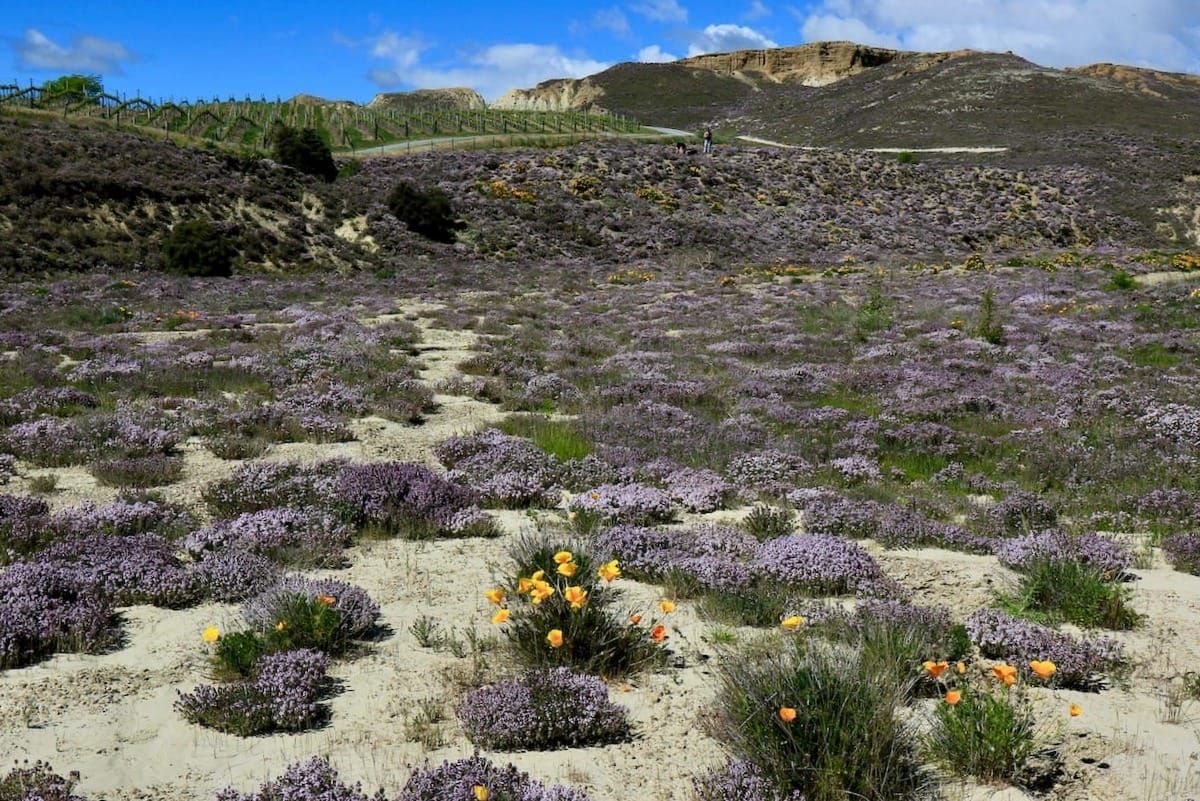
What do we mean when we use the term ground cover, surely most plants cover the ground to a greater or lesser extent? Well, it’s a term used to describe plants that are specifically chosen to ‘carpet’ the ground. The most practical advantage of ground cover planting is to reduce weed population, by minimising bare soil where weed seeds could germinate. We use ground cover planting for aesthetic reasons of course, especially if we are planting in layers, and aiming for plant interest at different levels.
For example, ground cover works very well under shrub and tree planting and of course can create an excellent ‘mat’ for emerging bulbs to push through.
Holding the ground
In their book ‘Planting in a Post Wild World’ Thomas Rainer and Claudia West describe ground cover as the ‘functional layer’. They explain - ‘Its purpose is to hold the ground and fill any gaps to prevent weed invasion. This creates conditions for some stability so that longer-lived species in the upper layers can get established. Ground cover plants are really nook and cranny plants, that is why they are functional’. They go on to suggest that ground cover is also ideal for sequestering carbon, controlling erosion, building soil, and providing nectar sources for pollinators.
Before I suggest some specific plants, I would like to point out what I think is often a common misconception when considering suitable plants. Ground cover doesn’t need to be a low, ground-hugging plant such as Hedera or Pachysandra, in fact you can use low to medium height shrubs such as Hebes (in a sunny spot) or Sarcococca (in the shade) both will work well and perform the task admirably, being evergreen they are also offering all year interest. When planting for ground cover you may want to plant a little denser than normal, but it does depend on the size or age of the plant you are using and the available budget of course.
Walk in woodland
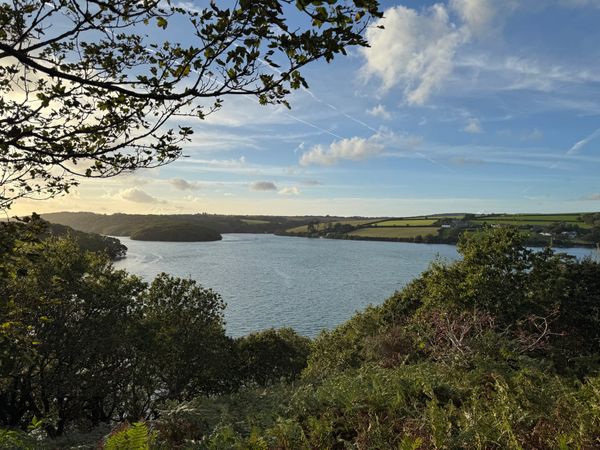
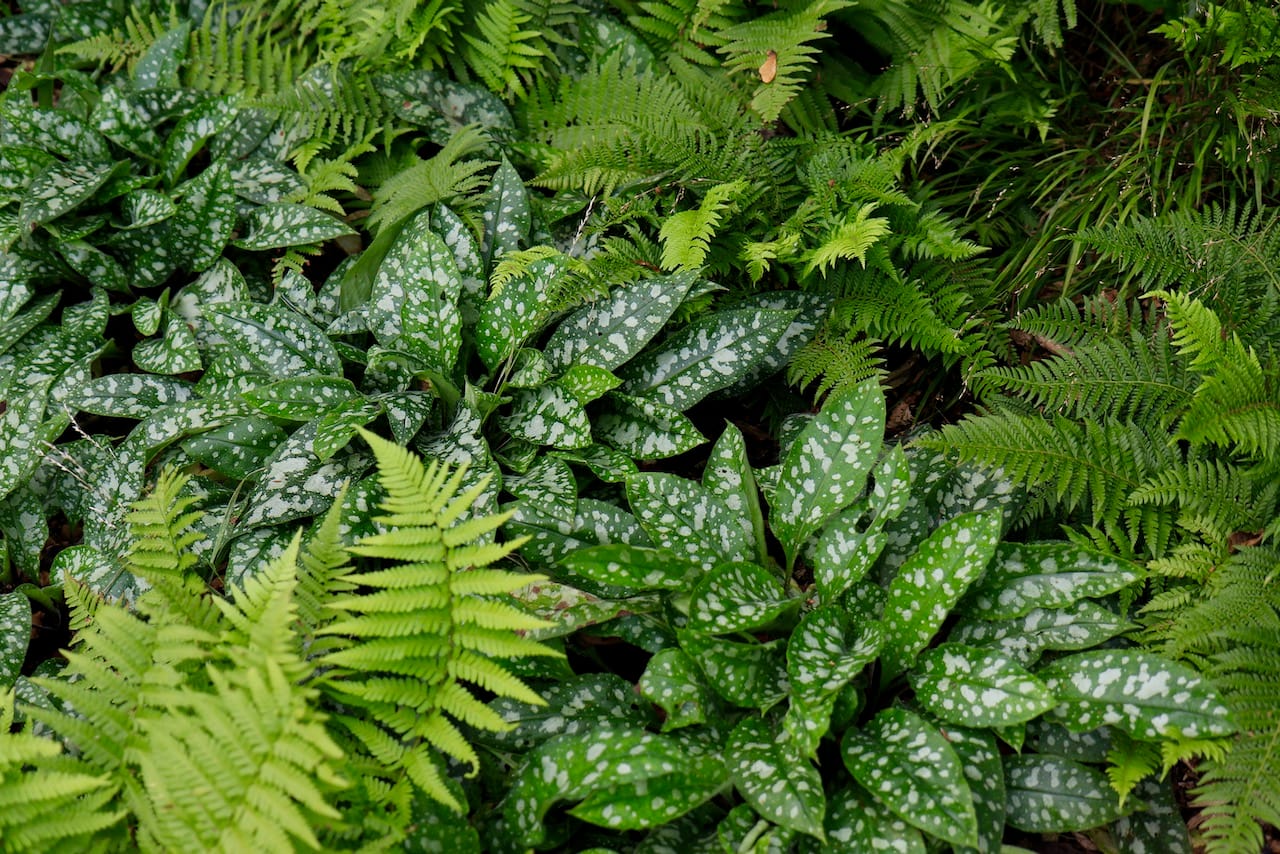
When contemplating any planting scheme, it is best practice to look at how plants perform in their native setting. A walk in a woodland can be a great lesson in how to work with dense or dappled shade, observe the woodland floor and take note of how ferns such as Asplenium and grasses such as Luzula cope with these conditions, both are hard-working evergreen plants, native to the UK. Both species are also good for allowing the influx of bluebells and primroses in spring. The shade created by trees and shrubs is often one of the most challenging situations to plant, not only because of the lack of sun but it can also be extremely dry. This might be the perfect opportunity to use plants that are considered ‘thuggish’ in a more open garden situation.
Or another way to approach this, is that certain plants may be prone to taking over when planted in favourable conditions, but if you increase the level of stress on that plant, so planting in less favourable conditions such as dry shade, it might work to your advantage.
Hedera helix so often gets a bad rap but if planted on the woodland floor it can romp away happily and eventually create an evergreen carpet. Another excellent choice here would be Rubus tricolor ‘Betty Ashburner’, a shade-tolerant scrambler, with shiny evergreen leaves that will bring some light into the shade. Having said that, I would strongly advise trialling plants before you go out and order several hundred to carpet a woodland!
I would also thoroughly recommend learning more about different root systems and how plants increase in size and spread. This is a specialist subject of Dr. Noel Kingsbury, my partner in crime at Garden Masterclass and I am pretty sure that he is planning some future articles for The Garden Collective on just this topic.
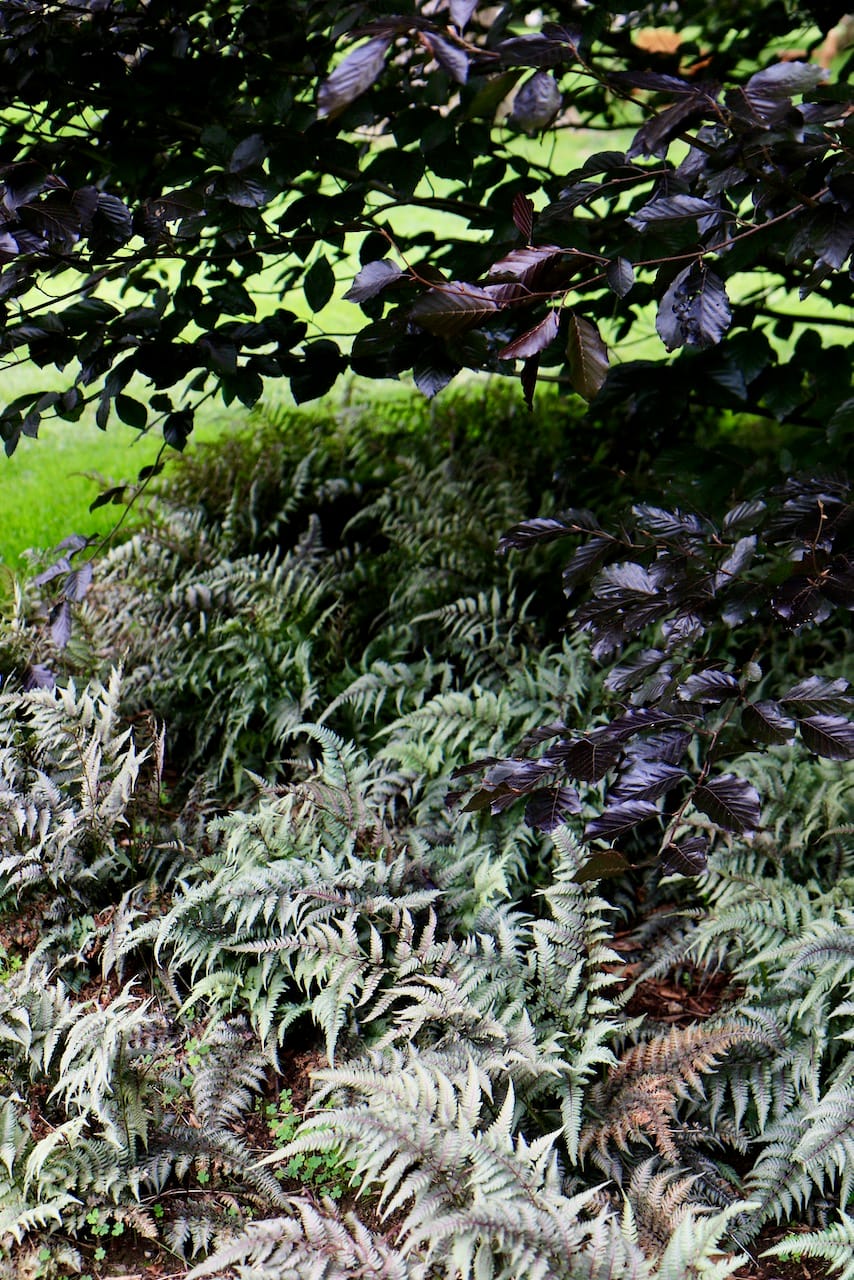
Of course, ground cover is not all about shade planting, you can have a lot of fun putting together a ‘sun-loving carpet’ of plants. This could be an opportunity to add some grasses such as Carex ‘Evergold’ (which is an evergreen) and who doesn’t like an undulating sea of Hakonechloa, so often used to great effect underneath multi-stemmed trees.
Drifts & matrices
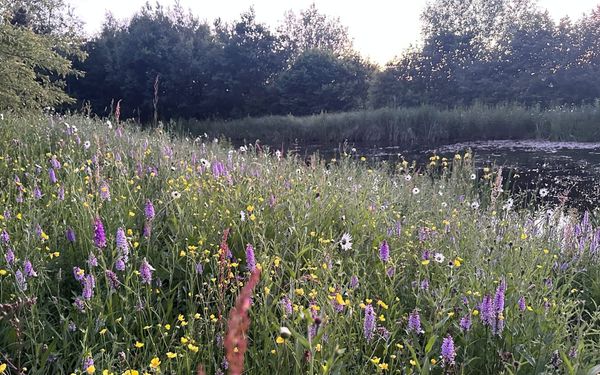
Another advantage of observing plants in nature, is that you can be inspired on how to arrange the plants. Sketching or taking photos, can be beneficial when creating a more naturalistic scheme. When it comes to designing with ground cover, there are no rules, plants can be planted in large drifts; or maybe in a matrix style, by using the repetition of certain key plants surrounded by an informal mix of supporting plants. You might find it helpful to put together a concept board to assist you with the choice and arrangement of the plants. Whether you choose to go for evergreen or deciduous, or herbaceous is up to you and the situation, and it will depend on your brief.
Sources of inspiration
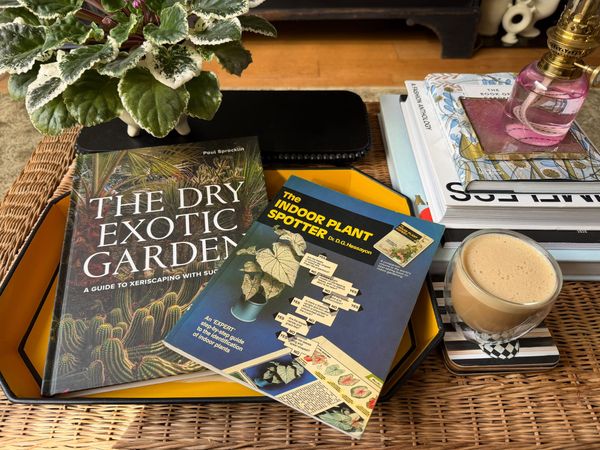
To choose which ground cover plants will work best for your garden, I can thoroughly recommend two brilliant books, both written by the wonderful Beth Chatto.
Firstly, ‘The Green Tapestry – revisited’, it was first published in 1989 and has now been revised and updated.
Secondly, ‘The Beth Chatto Handbook’ has many useful suggestions, in both cases they are mainly listing herbaceous perennials.
For inspiration in the shape of woody, evergreen groundcover, nothing could be better than taking yourself off to a good independent nursery such as Pan Global in Gloucestershire or Great Dixter in East Sussex. We are incredibly lucky to have such a tremendous selection of specialist nurseries, run by people who are not only passionate about growing plants but also exceptionally knowledgeable about how to use them, so let’s make good use of our independent nurseries!
My own recommendations
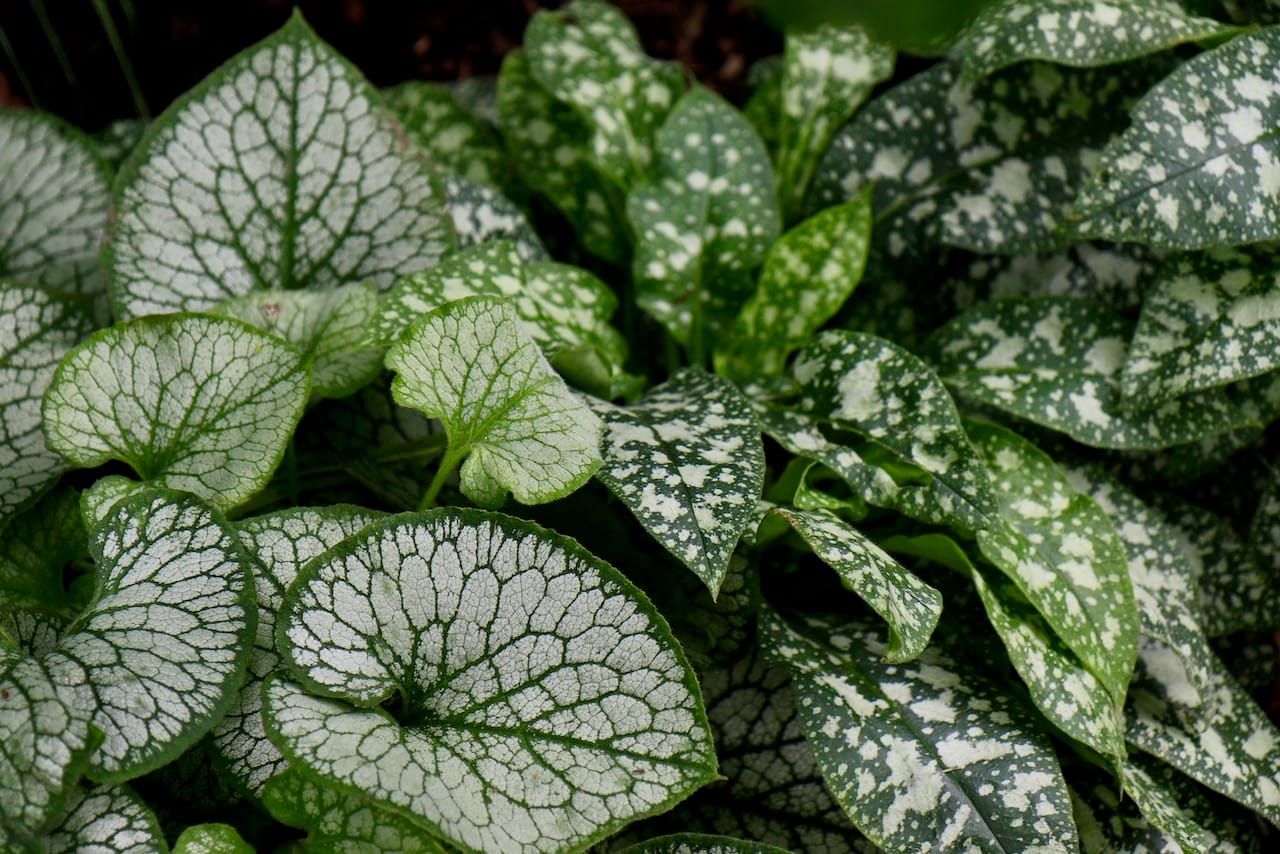
Here are just a few of my go-to suggestions for ground cover planting, (of course you will need to research which varieties are right for your garden):
For shadier situations:
Saxifraga; Pachyphragma; Euphorbia amygdaloides robbiae; Begonia, Bergenia, Beesia, Geranium macrorrhizum; Heuchera; Trachystemon; Pachysandra; Ophiopogon planiscapus ‘Nigrescens’; Lamium; Campanula portenschlagiana and Campanula poscharskyana; Carex; Epimedium; Vinca; Blechnum and Asplenium.
For sunnier situations:
Acaena; Cistus; Erigeron; Potentilla; Ballota; Thymus, Origanum; Armeria; Stachys; Festuca; Sesleria; Stipa gigantea; Phlomis; Euphorbia myrsinites and polychroma; Rosmarinus prostratus; Carex; Salvia officinalis; Ceratostigma; Ajuga; Symphytum; Helianthemum and Vinca.
I'd love to hear what ground cover works in your garden, especially if you have been brave enough to try ivy under a tree... let me know in the comments below.