How the Quince Kickstarted Ten Years of Conflict
Divine retribution, deceit, abduction, chariots, storms, murder, tragedy, sea monsters, sacrifice and dishonour. All this as well as a fine membrillo.

There are not many fruits (or, indeed, vegetables) that have caused a proper all out war. The banana nearly managed it in the late 19th Century by sparking a series of conflicts between the United States and various Caribbean nations but the most famous is the warmongering Quince which was indirectly responsible for ten years of some of the most famous bloodshed in history.
We need to go back to Ancient Greece where all the Olympian Gods were having quite a party to celebrate the wedding of Peleus (a chum of everyone’s favourite beefcake, Heracles) and the nymph Thetis . All was good: the nectar flowed and the tables groaned with ambrosia. The best man’s speech erred just on the right side of tasteful and the disco was warming up. Not yet quite as warm as the classic Hi-Ho Silver Lining (everywhere you go) but that moment was not far off.
Dancing Queen
However, trouble loomed as the wedding planners, while sound on floral arrangements, engraved stationery and canapés, had messed up the guest list and had left one important person uninvited. Forgivable if it was a drunken uncle or groom's ex-girlfriend but in this case it was Eris, the Goddess of Discord. She was well known for bringing a certain froideur to celebrations and get-togethers and, on this occasion, was particularly miffed by her exclusion ( to be totally candid with you, Eris is always miffed). She stormed in, a vision in black taffeta and dramatic eyeliner, and chucked a golden apple onto the dance floor. "That is for the most beautiful” she said before turning on her heel and striding from the hall.
Olympian Gods were not known for their quiet humility and lack of ego so that sort of statement ensured a bit of a hoo-ha amongst the guests. Soon the newlyweds were forgotten and the goddesses Hera, Athena and Aphrodite started squabbling. They asked Zeus to judge which of them was the most beautiful but he declined the responsibility (he did not become the all seeing, all powerful king of the Gods by getting stuck on the horns of that sort of dilemma) instead he declared that Paris (the mortal son of Priam, King of Troy) should have that pleasure.
Judgement hour
It was all very unlike judging at the RHS Chelsea Flower Show as the three front runners immediately started to try to nobble the betting and offering bribes to the Judges. First of all Hera sidled up to Paris and offered to make him the king of everywhere. Next up was Athena who promised to make him wise, powerful and a great warrior. Lastly Aphrodite slinked in and offered him the hand of the most beautiful woman in the world, Helen.
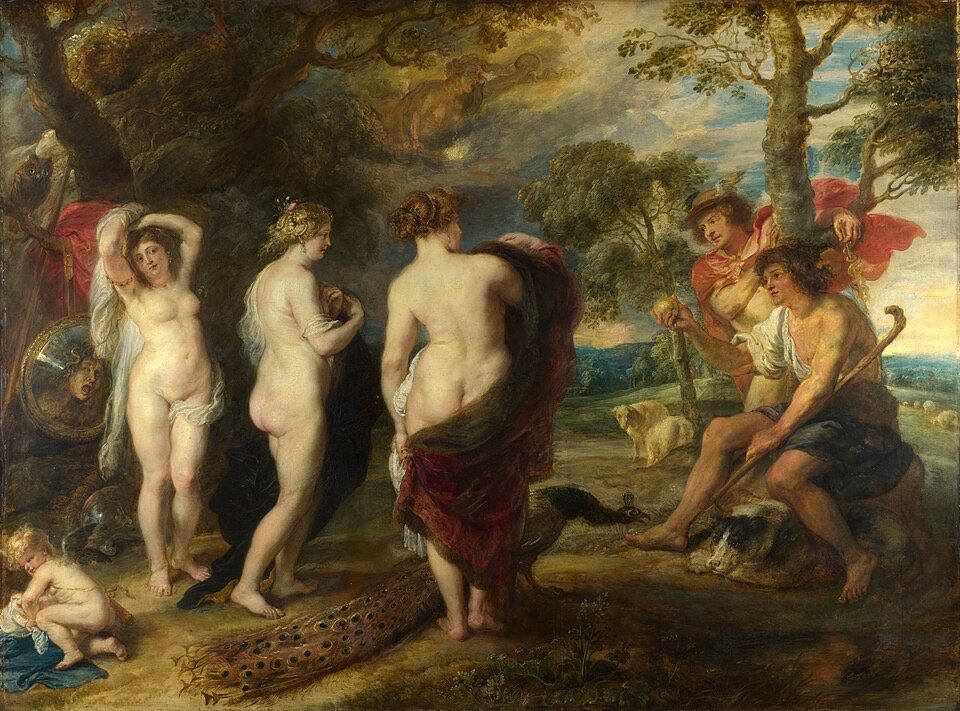
Paris was not the brightest of princelings so he went for the obvious and chose Aphrodite in exchange for the angelic countenance and perfect body of Helen. The small detail that the goddess had missed out was that Helen was already married to Menelaus, King of Sparta. Paris carried on regardless: some say she was abducted, some say she went willingly but whatever happened Helen returned to Troy with him, the Greek army came after them and the net result was ten years of war which brought a great deal of misery and the spilling of much blood and tears to Trojans and Greeks alike.
I mention this little tale on a platform about gardening because the apple that started all this was very possibly not an apple at all but a Quince. Apples had probably not yet reached Greece from the forests of the Tian Shan mountains (up near Kazakhstan) at this stage which means that, finally, we get to the point of this piece which is the joyousness of Quinces.
Or the Quinceness of joy.
Quincey Jones
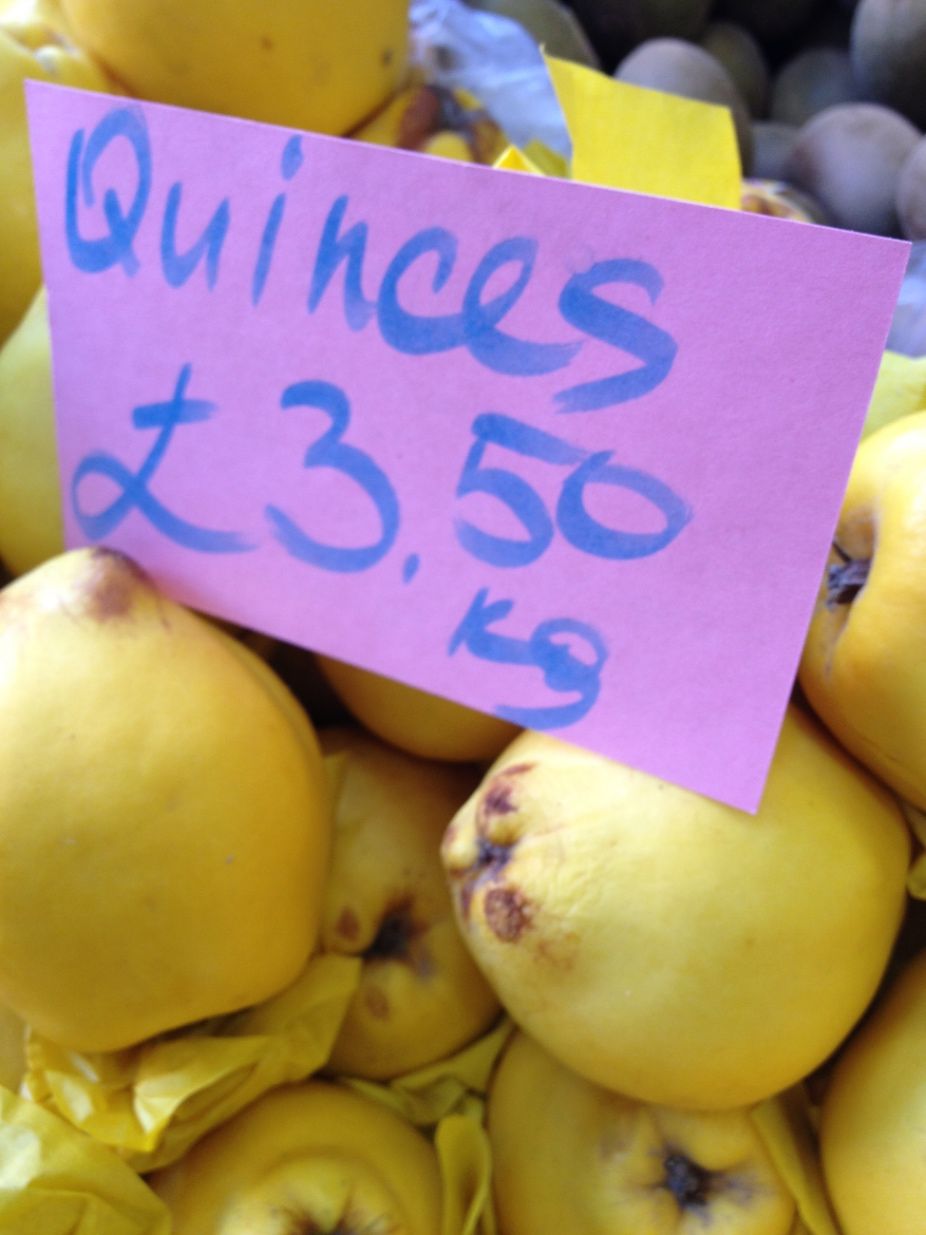
A lot of people get very overexcited by quinces: true, they smell nice and look lovely but they are darned difficult to eat. At this point I must come clean: I am not a chef. Nor am I a cook. In fact, if we are to be totally transparent, I am a culinary incompetent. I have a daughter who is a pastry chef and can do exquisite things with all sorts of seasonal fruit - she has not inherited this talent from my part of the gene pool. I realise that this is not a good thing and am trying to get better , in fact, I have recently added a passable cauliflower curry to my very limited repertoire. That said, please understand that all of the following paragraph is stolen from various parts of the internet...
When picked Quinces are as hard as a newly forged camshaft - this I do know having been put to work chopping the darn things - and, to be honest, seem to only become truly palatable with the addition of a lot of sugar. This way you can make membrillo (a Spanish accompaniment to cheese - it is a bit like a giant squishy fruit pastille), quince jelly (or butter), you can add them to apple pies or simmer in stews if you feel so inclined. All delicious but unlikely to meet with the full approval of your dentist. This is a fruit for the connoisseur and for the dedicated cook: as established, I am neither so I defer on this matter to my fellow writer, Mark Diacono who, even as I type this, is probably dabbing himself with a home brewed aftershave made from the infused juices of a virgin quince.
Back to flowers
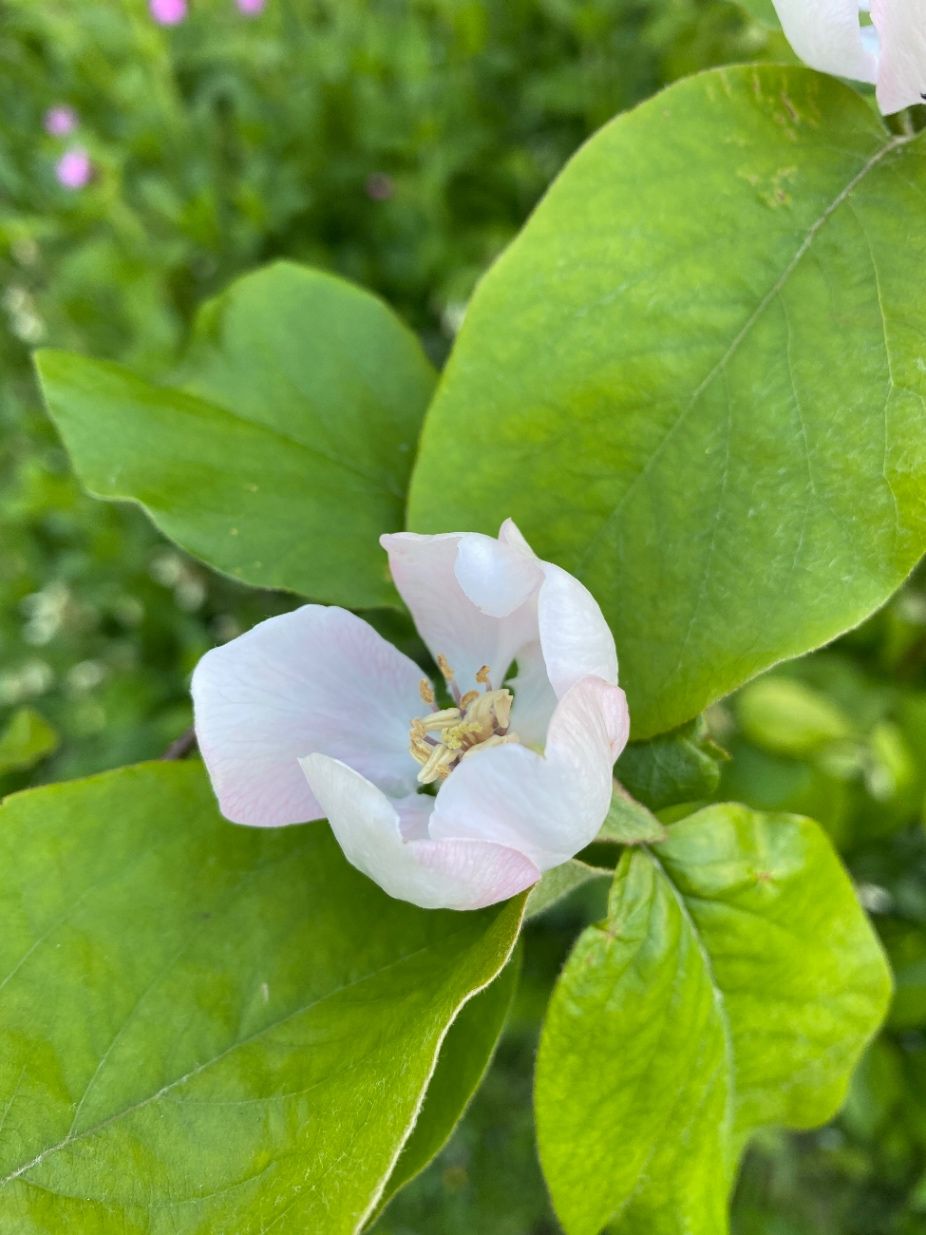
So be it: I will step back onto firmer ground. From an aesthetic and horticultural point of view the Quince has three distinct seasons. Firstly, and this is the true joy of the quince for me, we have blossom. The flowers are a perfect pearlescent pink - I imagine they are the same shade as the underside of the wings of a guardian angel. More alluring than cherry or apple purely because of their simplicity - the only other blossom that can compete with them is the Medlar flower.
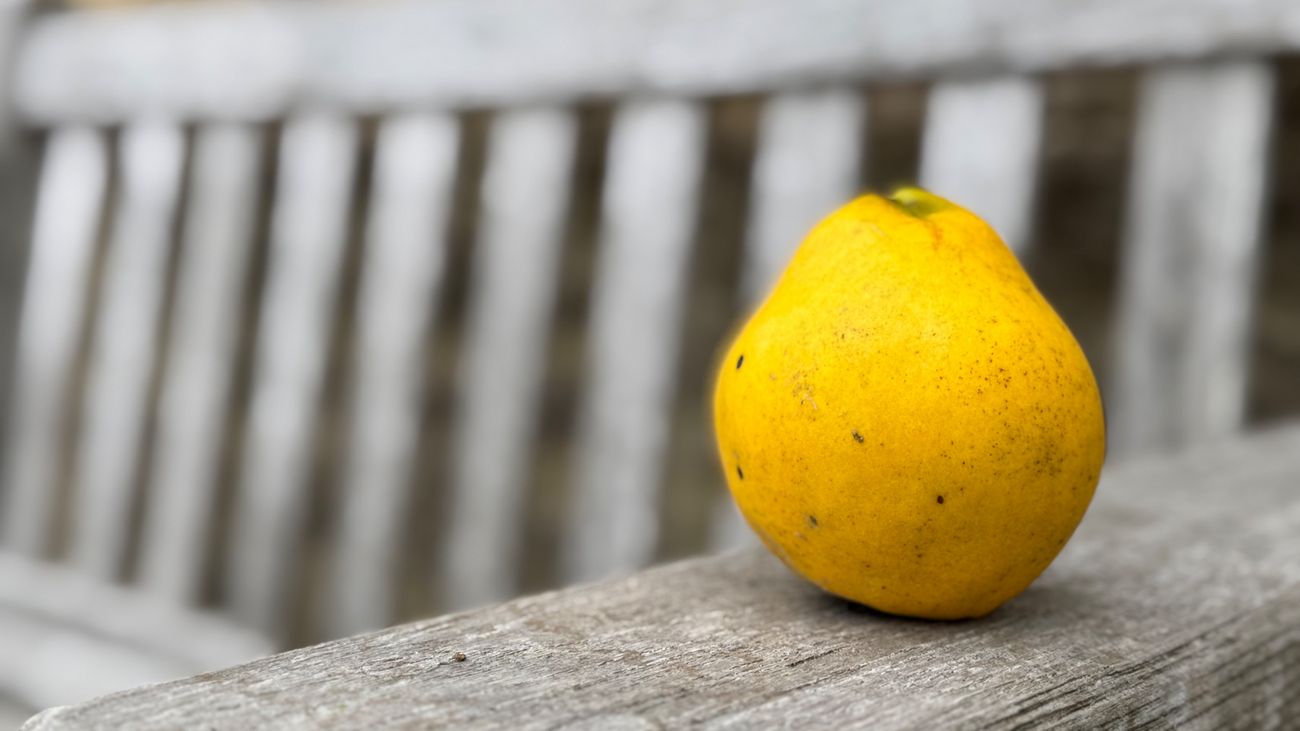
Following that moment of ecstasy, we have a summer of pleasant leaves under whose shade act three is developing, the fruit. Even ignoring the culinary side, these are wonderful things to behold. Primrose yellow with a delicate furry down which rubs off to reveal a shining golden skin. As I write there are three of them in a bowl in my office: the scent is both fruity and enchanting. That is not all for they are a great tree for a small garden and this is the perfect moment for planting. If you do that this winter then, in just a few years, you too can worry what on earth to do with all that fruit.
Easy to see why they would make a good apple substitute if you were an Ancient Greek Goddess keen to make a dramatic gesture and spread around a bit of entertaining chaos among the poor suffering mortals.