Hundreds and Thousands
Fast forward from my park department days to now. How gardening has changed?


So you will be pleased to know I’m keeping myself busy with the construction of my new shed and it’s going quite well if I do say so myself! I was pottering at the weekend, for the first time this year really just removing the bit of foliage here and there that has been damaged by frost and even starting to decay but there is still loads of stem and seed interest out there that has looked glorious in some of the recent frosts. So I will only dip in and out over the next few weeks, just intervening where needed. Also, as I am cutting back I will be adding a little mulch where needed just to help things get away to a good start. How gardening has changed!
The good old days on the parks (as I like to refer to them; that must mean I'm getting on), every green space we had was tidy long before Christmas arrived, put to bed for winter! Winter food and habitats just gone. There was nothing left to see but everyone thought it looked good. When we came back to work in the new year, the drive would be to get sowing seeds, pricking out and growing on the annuals for the season ahead. It was a lot of work but that said, the displays did look amazing.
But then at 21 I started working with Geoff Hamilton and for me things started to change. Perennials became the near mainstay of summer displays and creating for wildlife was at the forefront of why we were creating interest. Over the years the half hardy and hardy annuals and even bi-annuals were moved away from to a degree. I think on a personal level I started to view them as hard work. Admittedly, life was busy with work and bringing up a young family.
Fast forward 25-plus years...
Things have gone full circle for me but in a different way. A large part is driven by environmental change and the other is how I have evolved as a gardener. Thinking back when I was first taught planting design it was all about less is more, big drifts of limited species, mono planting of trees and so on. Now the key word is diversity and for a good reason! Our planted world is under attack from so many directions. You only have to look on the DEFRA website to see how many pests and diseases our wooded stock is having to deal with and has anyone really got the answer to what the future will hold? I don’t think so.
I have always built my planting in layers: trees, shrubs, herbaceous perennials, bulbs and corms. But that diversity of species has probably quadrupled over the years.

There is also another layer which has become a big player for me in the creation of my gardens. I have named it the ‘Hundreds and Thousands' based on that childhood wonder. Was there ever not a birthday cake covered with them! Back in the day I loved them, I can remember going to the cupboard and sticking a wet finger in the pot, even for a second if I thought I could get away with it when no one was watching!
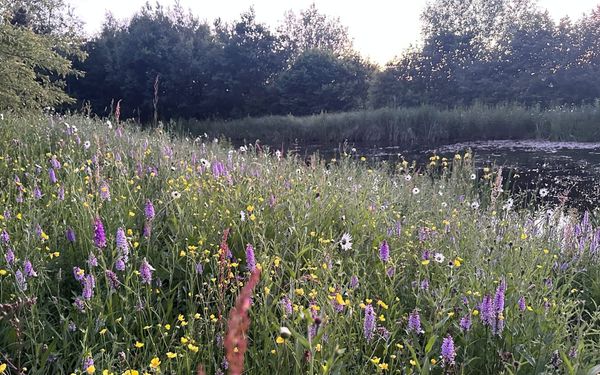
Anyway, so what is this all about? Well in reality it’s that group of plants I walked away from all those years ago. They do say everything goes full circle! But the whole thing really started from the frustration with one border in my old garden. Although we live in a dry part of the country; part of the garden would flood over the winter due to a culvert under the ground that would back up after winter rain, so I was moving from dry summers to flooded winters. Over the years I tried various schemes with not much in the way of success but each year, annuals, bi-annuals and the short-lived perennials would re-appear and in time that just created their own display which so many people would compliment! The plants would rot away during the winter but the seed would sit in the ground and then germinate in the following Spring.
I can remember filming at RHS Hyde Hall after that hot summer of 2017 followed by the wet cold winter. Their dry garden which had been created 16 years previously to deal with the hot dry conditions had been quite badly impacted by the season. But what was starting to fill the gaps where losses had accrued? Yes, those very plants!
I have carried that thinking into so many clients' gardens. I’m finding these plants are naturally filling the gaps of any failures on new planting schemes. It does take a little research to find the right plants for the conditions, but that is part of the joy. I know that this is not for everyone and can at times feel a little on the wild side. But on a personal level it’s become one of my most joyful parts of my gardening year. I do love waiting to see what's coming up where and then getting down on my hands and knees and just editing. For me, it's a bit like painting. Just trying to imagine that final image when plants reach full growth!
Plus I do love propagating, so although I will leave a lot of plants just to seed around freely, I also collect and propagate bits that I want to grow elsewhere around the garden.
I’m always trying new bits. I also enjoy giving away plants I’ve grown too, especially when somebody visits and they comment how much they like something. It’s great to be able to say, “go on, take one with you”. I’ve got this thing going on with Digitalis (foxgloves) at the moment. I can’t help myself, I’ve got about 200 growing behind the greenhouse… do I need them all? Of course not, that's part of the joy.
When it comes to sowing, I simply look at how a plant would seed itself naturally and use that as my guide. If it hits the ground and it comes straight up, I don’t bother covering the seed, but if it will sit there through winter, I tend to cover it. This also guides me as to whether I sow it in a greenhouse or leave it outside. Again, if you understand how something grows in nature, you’ve got a pretty good chance of understanding the best way to propagate it.
It takes a little experimenting just to find what's happy in your conditions, which to be fair is part of the fun. And I love that feel of freedom that the garden takes on. You can end up with combinations that you would just not have tried. So many magical moments, and you get the sense the garden has been there a lot longer than it has. We all garden in different ways and I understand this is not for everyone, but I love it and that will do for me.
PS I have listed below a few bits that are working in my garden. But don’t follow me, have a play and see what works in your space.
Cenolophium denudatum (Baltic parsley)
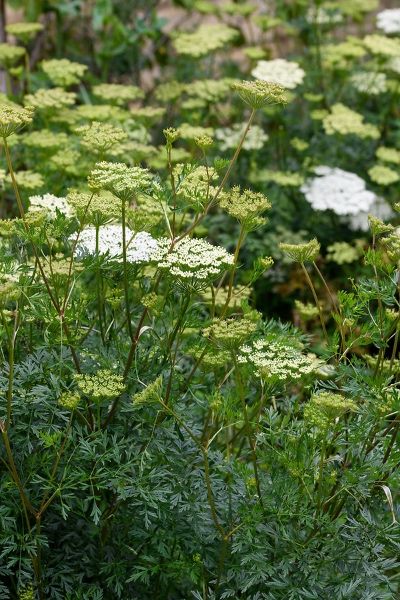
Origin: Meadows from Eastern Europe through to Siberian Russia.
Height: 100cm
Spread: 50cm
Colour: White | Green
Time of flower: April | May | June
Soil: Rich and Fertile
Light/Position: Full sun | Partial Shade
Papaver somniferum
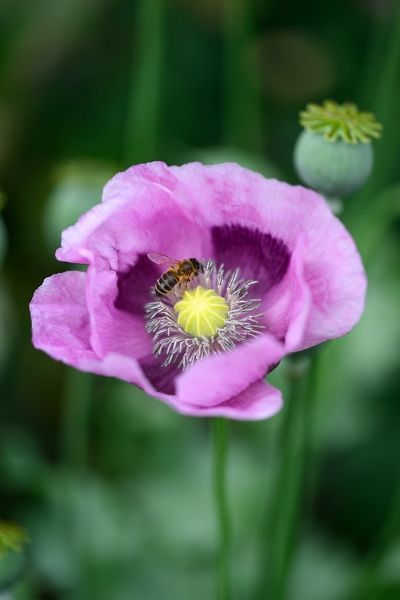
Origin: Western Mediterranean but not native to the UK
Height: 100cm
Spread: 50cm
Colour: Purple | Pink | Red
Time of flower: June | July | August | September
Soil: Moist but well-drained | Well-drained
Light/Position: Full sun | Partial shade
Delphinium requienii
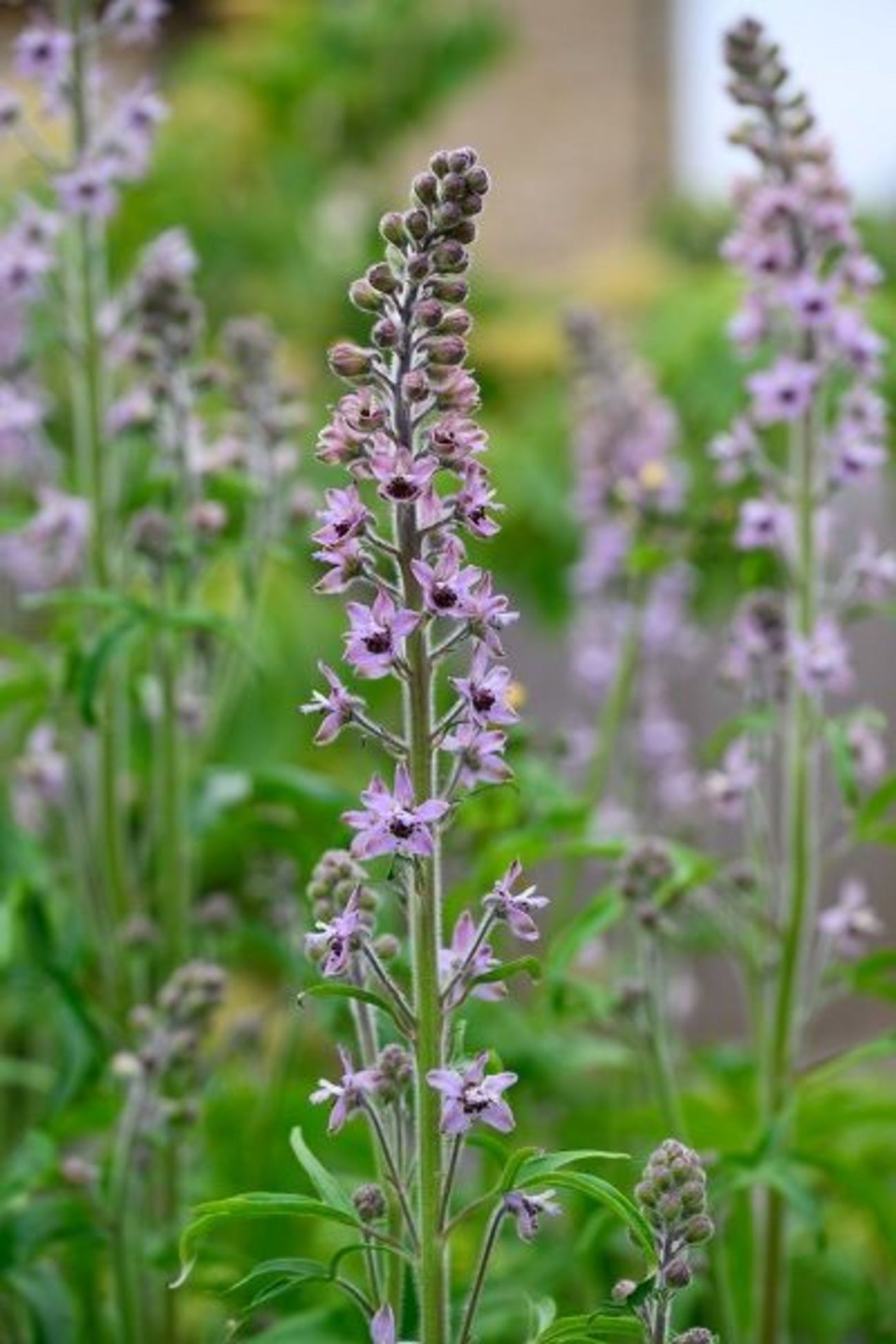
Origin: Southern France
Height: 100cm
Spread: 40cm
Colour: Blue | Grey
Time of flower: June | July | August
Soil: Free draining
Light/Position: Full sun | Partial Shade
Digitalis lutea

Origin: Central Europe and Northwest Africa
Height: 90cm
Spread: 40cm
Colour: White | Yellow
Time of flower: May| June | July
Soil: Moist but well-drained | Well-drained
Light/position: Partial Shade | Shade | Full Sun
Myrrhis odorata (sweet cicely)
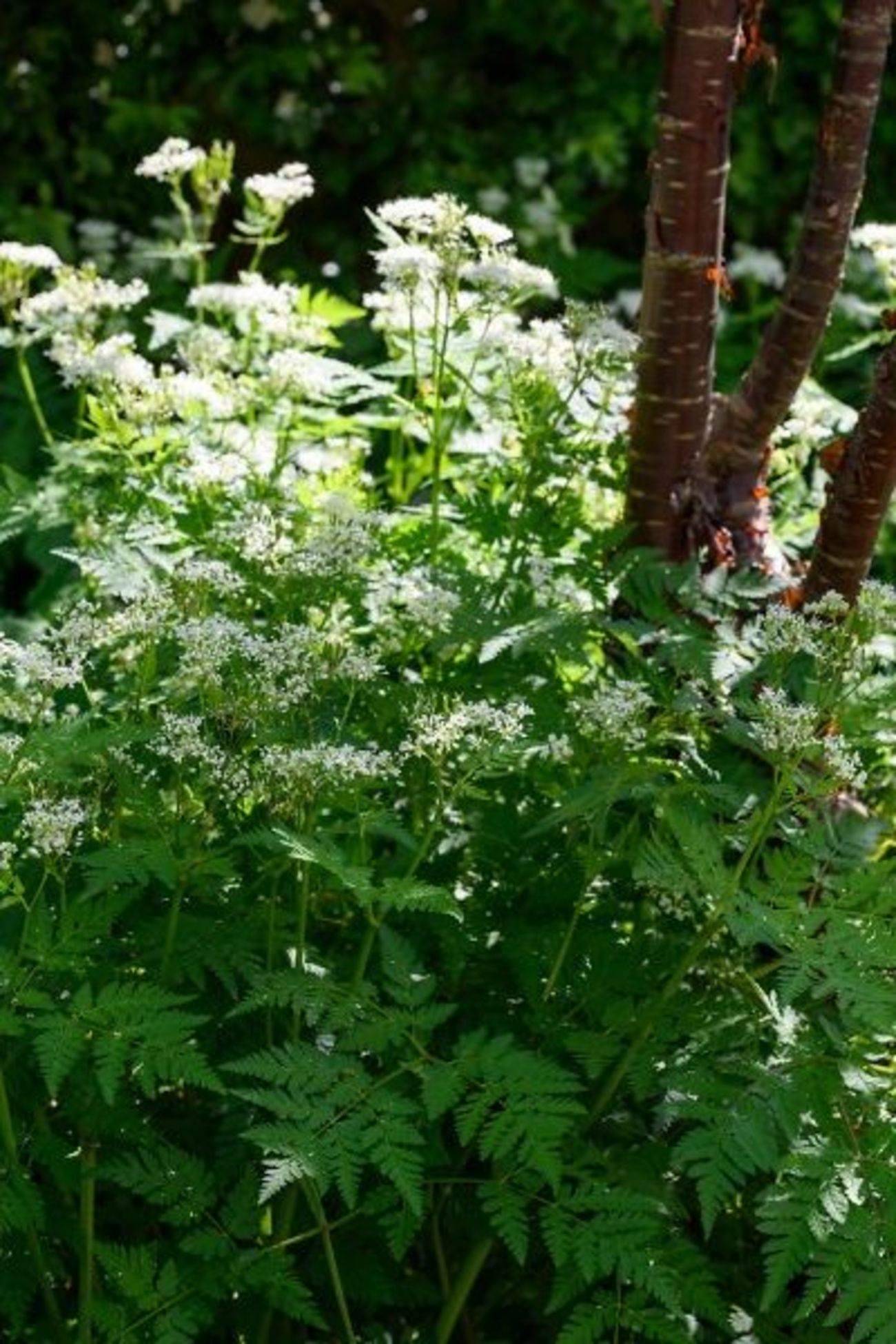
Origin: Europe
Height: 60–80cm
Spread: 100cm
Colour: White
Time of flower: June | July | August | September
Soil: Most types
Light/Position: Full sun | Partial shade
Ligusticum scoticum (Scottish lovage)
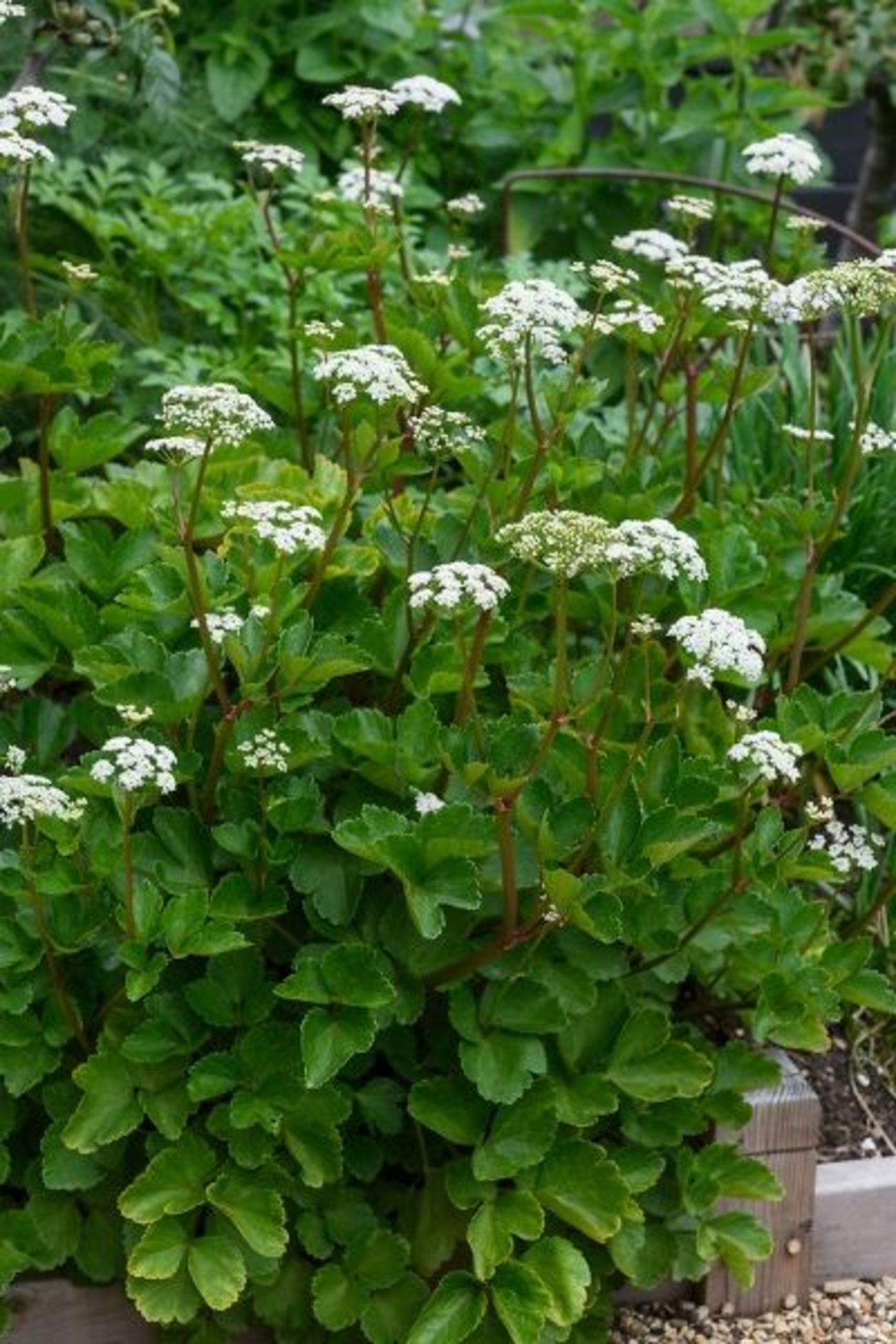
Origin: Northern Norway to the more northerly shores of the British Isles, and from western Greenland to New England.
Height: 70cm
Spread: 40cm
Colour: White
Time of flower: July | August | September
Soil: Rich & Fertile
Light/Ppsition: Full sun | partial Shade
Valeriana officinalis
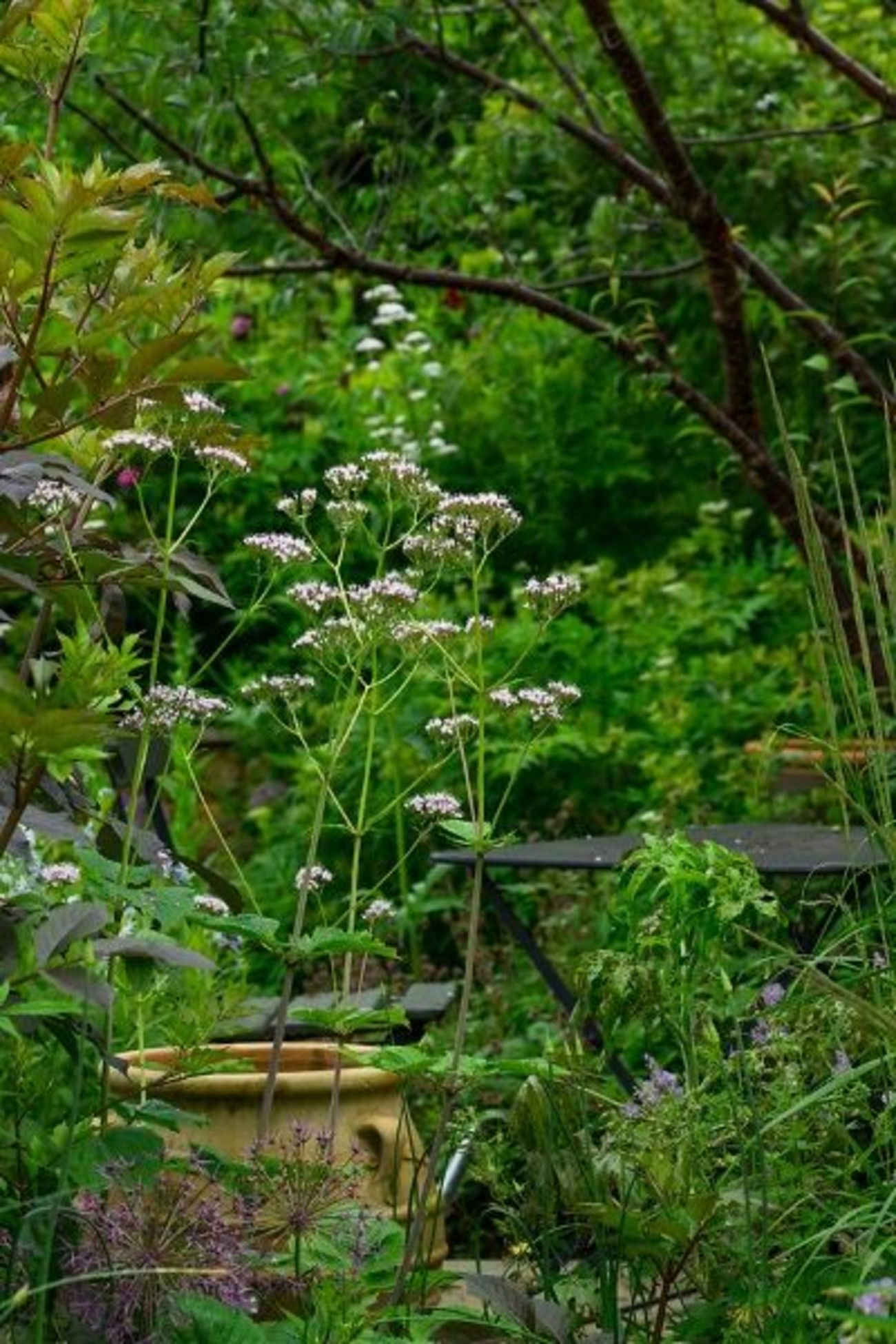
Origin: Great Britain
Height: 150cm
Spread: 100cm
Colour: Pink/White
Time of Flower: June| July | August | September
Soil: Moist but well-drained
Light/Position: Full Sun | Partial Shade