Is 'No Mow May' the Right Message?
I am very glad that biodiversity conservation is finally hitting the public consciousness, but we are in danger of trapping insects in part of their life cycle and not allowing them to continue it.

.jpeg)
I was at an international symposium of Butterfly Conservation a few years ago, and the professor from the Czech Republic mentioned something he thinks is very damaging to Czech biodiversity. He said, having been a Soviet satellite state for a long time before independence, their farmers and municipal contractors had a very disciplined attitude to mowing the meadows and verges. If the rules said they had to be done by the 16th July every year, then by god they were all mown short by 16th July, and you would have to drive 50 Kilometres to see a single nectar source, not one thistle or daisy anywhere!
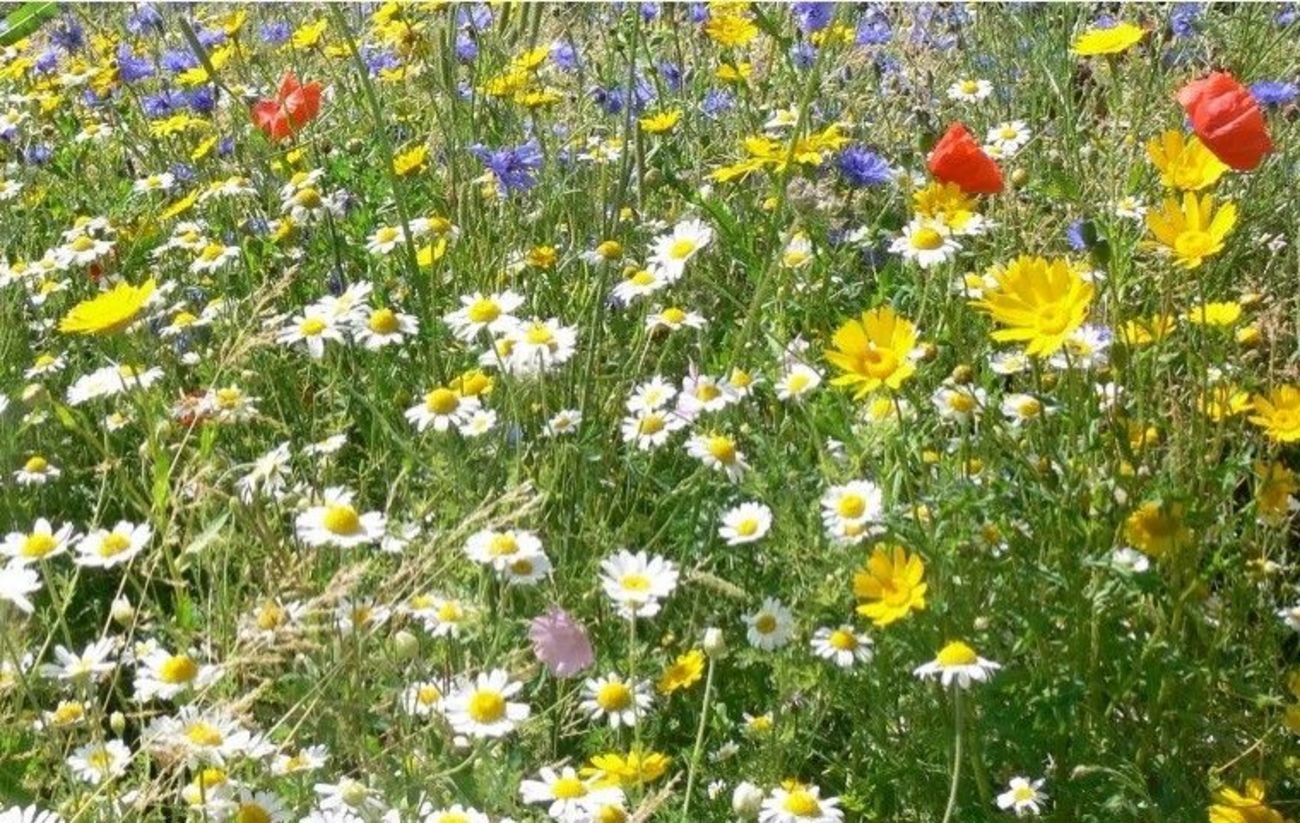
Now I have to say, first of all, that I am very glad to see this ‘No Mow May’ campaign take hold of the UK. It seems a simple rule makes a more memorable headline in the media.
But it does not mean that there are no insects that need nectar or more importantly, larval food plants (many insects, especially butterflies, have to eat just one particular species of wild plant as caterpillars) after the end of May! Nor does it mean that all wildflowers will have set seed by then.
Rotation is the key
As with everything in biodiversity management, making interventions need to be done on ROTATION. This means you don’t cut or graze all the grass meadows, lawns, verges, hedges at the same time, but leave half or a third each time, even within a small garden. This allows at least some species to feed, nest, hibernate or seed, depending on their different seasonal needs. I am afraid that encouraging all gardeners to cut their wildflower meadows before October will only attract lots of our insect species to take up residence there, only to be destroyed by mowers and strimmers before they can continue their life cycles.
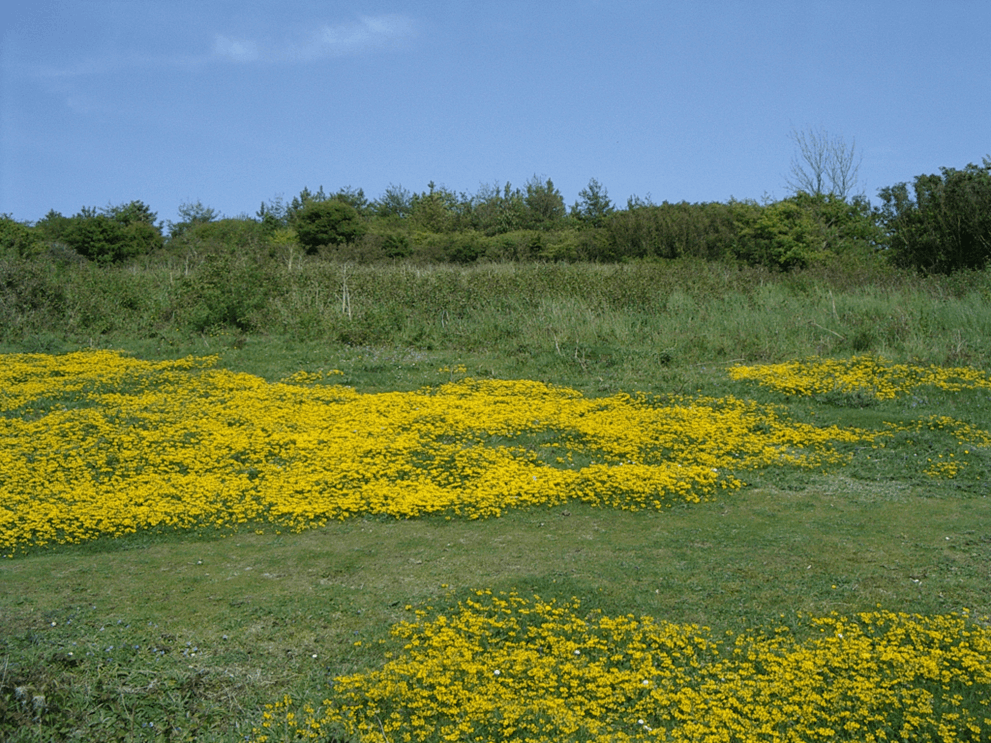
Also we are in danger of causing a backlash of gardeners who stop allowing grass to grow long when they discover that once it rains and the grass fall over, it is impossible to cut with a normal garden mower or even a strimmer.

My experience in unintentional conservation
I have four smallish unimproved fields (between one and two and a half acres each) separated by old, spreading hedges. I have been only mowing or grazing them on a two or three year rotation for over 20 years. I started doing this because I found out that a number of insects; some species of butterflies, moths, grasshoppers, beetles etc. actually have to overwinter in the dead grass or other plant stems from the year before . Thus annual cutting or grazing will destroy their life cycle. But then, unbeknownst to me, I discovered I had created just the right kind of fallen, rough grass habitat that is needed for breeding voles and mice, and in turn this meant that I had vole-hunting barn owls, tawny owls, kestrel and buzzard all come to nest in my uncut hedges.
Also these hedges provide overwintering sites for butterflies that lay their eggs on hedging shrubs like blackthorn, elm, ivy and holly that have to stay there throughout winter before they hatch as caterpillars the following spring.
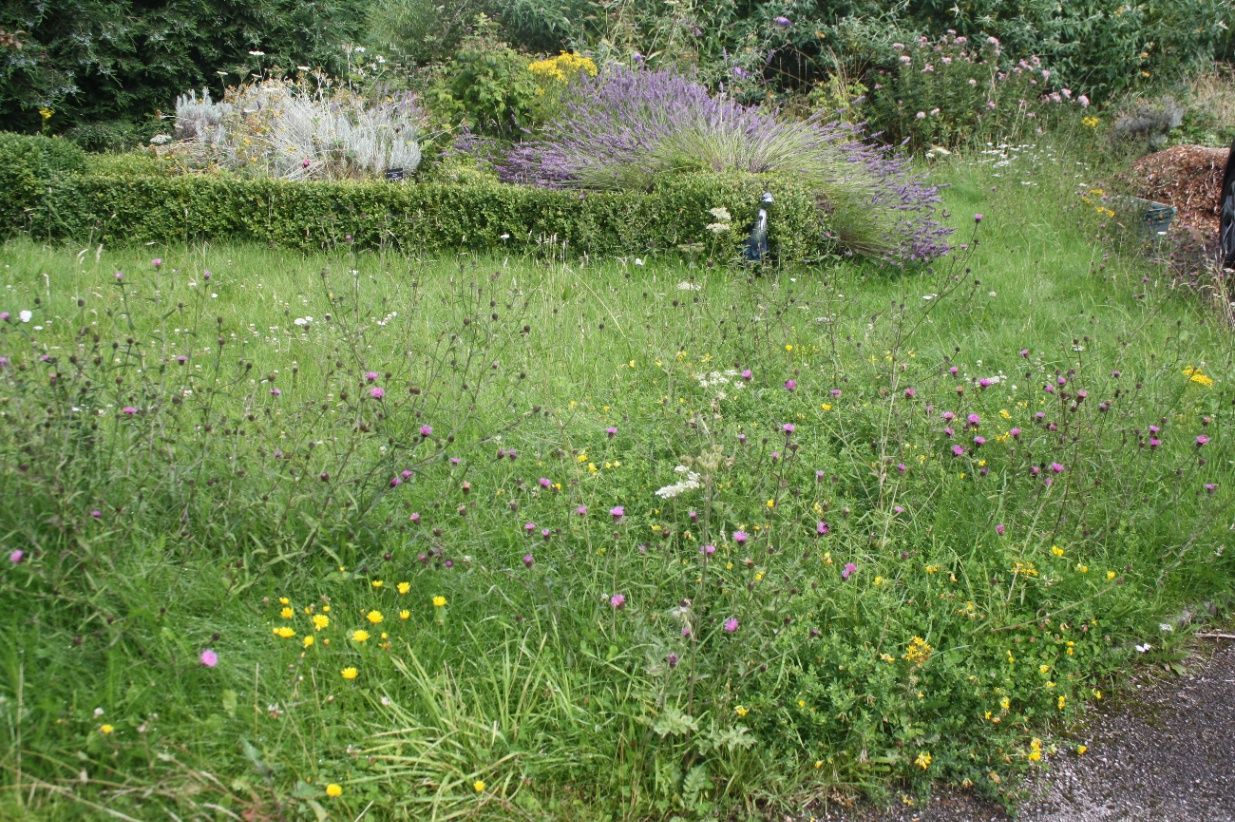
This is the wonder of all our attempts at contriving sites for wild species to thrive. We may not always attract the species we wanted to, but lots of other wonders will come to take advantage. So you don’t have to leave your wildflower meadows to grow too long into June so that your lawnmower or strimmer can’t tackle it. You can cut part of your lawn every three weeks and allow the little plants that flower in between, like the daisies, clover, bugle, eyebright and trefoils in your grass feed the insects between cuts.
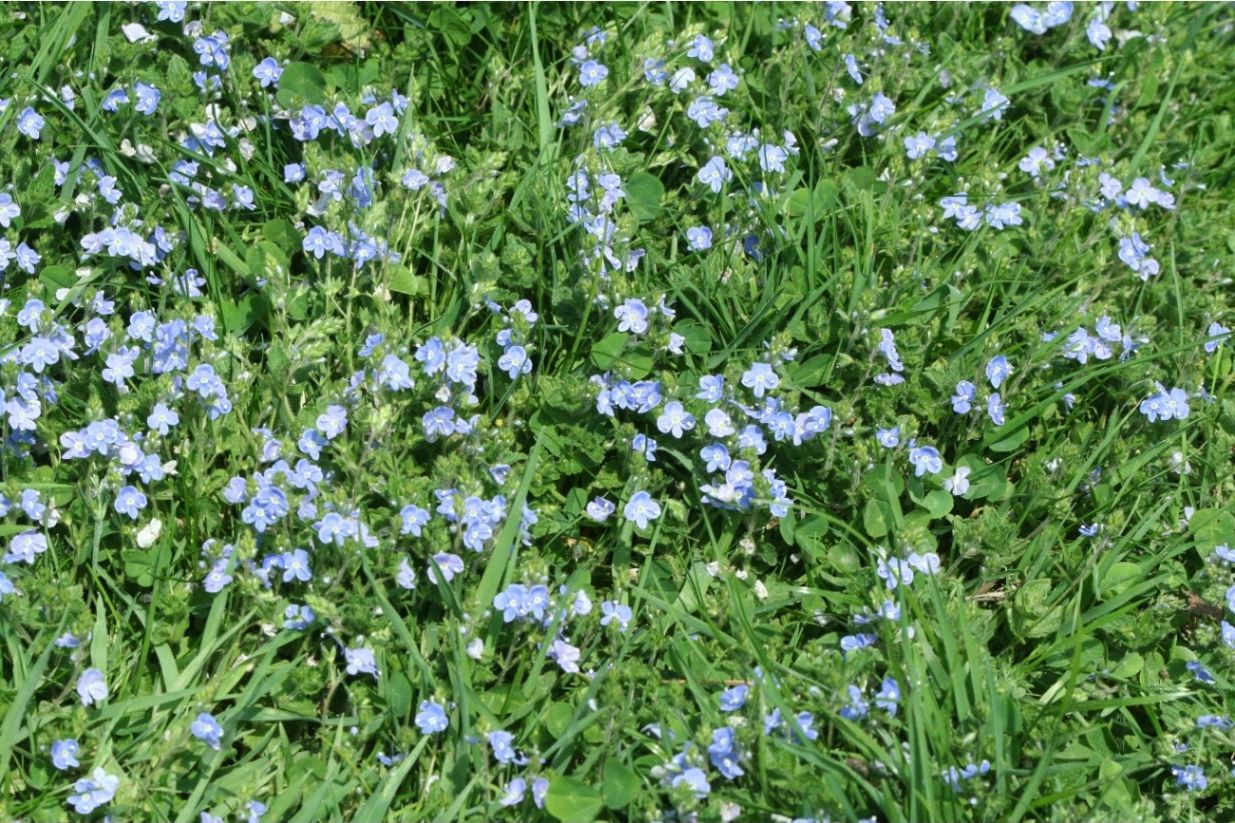
Leave some edges to grow long
But if you can leave some margins and corners to grow long, and leave them all through the winter til the next spring then do so, on rotation if you like; some bits one year and some the next.
It will be much more beneficial to wildlife than cutting everything at the same time, whether it is at the end of May, the middle of July or even in November. If you want to see a detailed list of the kinds of plants you can grow in a lawn that will flower after 4 inch cut you can find it in my book Gardening for Butterflies, Bees and other beneficial insects which is nearly out of print after selling 3,000 copies, but I have a few left if you get in touch with me.
.jpeg)