More Fleeting Moments
This month, I reflect on spring’s quiet beauty – especially the hawthorn’s return. From countryside drives to ancient folklore, it’s a call to pause, notice, and celebrate fleeting moments before they pass us by, just like the blossom itself.


One of the nice things about writing monthly is that it feels like I can simply carry on where I left off. Last month, I was reflecting on our countryside, the walks of John Clare, and that celebration of fleeting moments; a feeling that very much carries forward into this month.
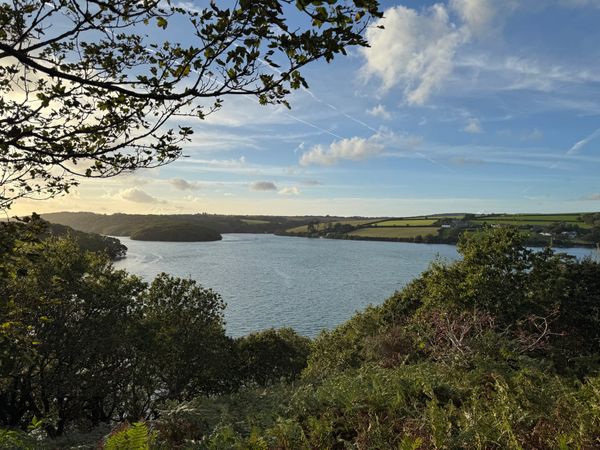
Over the last couple of months, I’ve spent a lot of time on the road, which has meant travelling along I don’t know how many miles of hedgerowed roads and lanes, accompanied by music and podcasts. It's great sometimes just to be in your own world for a while. During my travels those hedgerows have slowly come back to life, and it's been fascinating moving from place to place and each day – a different hedgerow."
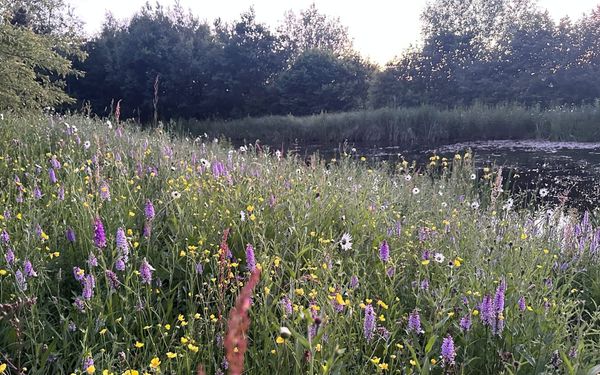
"Anyway, that – and spending a lot of time in the car, it got me thinking that we need to celebrate this more. Here in the UK, spring growth and blossom tend to come and go without too much in the way of fuss. More seems to be said about chocolate eggs (as nice as they are!). But if we slow down and take in the annual display, it’s breathtaking. It’s a shame we’ve lost so much of it – but that’s a topic for another day. This month, we’re all about celebrating what we do have. Hawthorn, blackthorn, wild cherry, and even apple in places, all provide a stunning array of spring colours.
I know a lot of people will say, "But it’s only for a short while.” But for me, that’s the point.
Think about how much the Japanese celebrate the cherry blossom from bud to fall. In Japan, when the cherry blossom starts to show, it’s not just a sign that spring has arrived – it’s something people really make time for. They call it hanami, which simply means ‘flower viewing’, and it’s all about heading out under the trees with friends and family to enjoy the brief moment they’re in bloom.
The tradition goes back over a thousand years, when nobles and poets would sit beneath the blossom, writing not just about its beauty but how it fades. It was never just about the flowers – it was about the moment, and what it meant. These days, it’s still something people look forward to and travel from around the world to see.

That short burst of blossom means something to them – new beginnings, fresh energy, or maybe just a nudge to be in the present. The fact it doesn’t last long is part of the appeal. It reminds people that time moves on, seasons shift, and nothing stays forever. For me, there is something wonderfully romantic about the whole thing. When the trees are in bloom, everyone makes the most of it: and maybe that’s something that we could all do a little bit more of.
So how would that work in the UK?
Could you imagine us doing that? I know, I’m talking to the converted here, but imagine if our streets were planted with cherries. If I was running a survey, stopping people in the street and asking them "So how does the blossom make you feel and what it meant to them?" Yes, don’t get me wrong, some would be on board (probably you?) but, others not so much!
“Well it's nice but it's not here long”, or “I like it, but it's the mess I can't stand”, or “it's a load of fuss over nothing”, or “the flowers make the paths slippery”! On top of that, some of our councils would properly close the roads!
That may all sound a little cynical and it is a little bit tongue-in-cheek, but we really don't celebrate our magical moments enough. I know we have May Day, which is about spring in general, but what about a 'May Flower Day’?
You don’t have to go far in our countryside to spot the May flower, Crataegus monogyna – the hawthorn. It’s one of those trees that quietly weaves itself through our landscape – along country lanes, winding through hedgerows, popping up in towns, parks, housing estates, even in the car park at the supermarket if you're lucky. When May arrives, so does its perfect white blossom. For me, it’s one of the clearest signs that spring is properly underway.
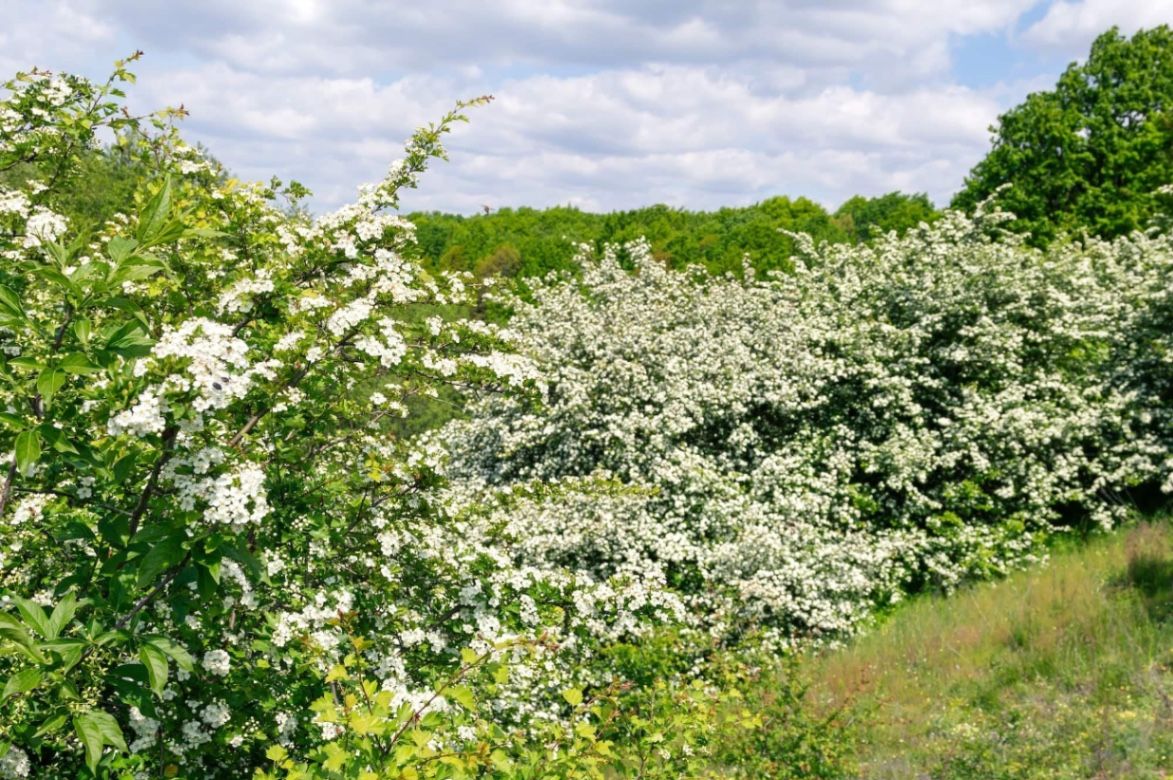
It's as tough as its name would indicate: Crataegus comes from the Greek word kratos, meaning strength. A native tree that grows all across Europe and can also be found in parts of North America and Asia. It’s often seen as a small tree or bush, usually growing between three and 15 metres tall. In spring, it’s covered with small white or pink flowers, and by autumn, can produce stunning red berries. It is grown in many forms: as a standard, multi stem or pleached trees, a shrub, part of a hedge, or even clipped into forms. All this makes it a versatile and reliable plant for varying landscapes.
The hawthorn has also played a huge part in how we’ve shaped and managed the landscape for hundreds of years. Last month, I wrote about John Clare, the landowners, and the enclosure laws – yes, those very ones that John Clare despised!
Open and common land was enclosed by miles of boundaries, much of which, if there was any ‘positive’, was created by planting hawthorn. Thousands of miles of it. Helping keep animals in and protect crops from others. Once it’s got its feet in, it only gets better with age. Some of our old hedges have been around for generations, still doing the job they were planted for. It labours away, but not just for our needs. Its blossom feeds bees and other early pollinators, and later in the year, its red berries are enjoyed by an array of birds, including blackbirds and thrushes. Fieldfares too, to mention but a few. Mice, voles, and more also benefit. Look closely at a thick hawthorn hedge and you'll discover a world of hidden activity; a support system for so much of our declining wildlife. It might not be overly showy, but it quietly holds things together, both physically and ecologically. There's something quite special about that!”
It’s not just played its part in shaping our countryside, but also in so many of our gardens. I have a run of it along one side of the garden, and as I write, birds are darting in and out of it. Added to that, it’s rooted in our history.
You can find so many wonderful stories that have been told about these trees over the centuries. In old folklore, hawthorn was thought to have a foot in more than one world, there was a mystery about them. Lone trees, especially those near ancient sites or wells, were often left untouched. Some believed they were connected to the world of the fairies, and best not to disturb... just in case! Whether that belief was driven by the look of the ageing trees, with their wonderfully knobbly, gnarled shapes that can sometimes seem a little spooky – I don’t know. But I love coming across an old hawthorn on a woodland walk. They can look of another world. I love all that!
Hawthorn has also been linked to fertility and new life – which, to me, makes a lot of sense. Just think about the colour of its flowers and the timing of its arrival: the height of spring, when everything’s bursting into life. In some old May Day traditions, people would decorate their homes or village greens with hawthorn branches, or even dance around the maypole adorned with its blossom. It was a way of marking the season – the arrival of warmth, growth, and the promise of good harvests to come.
Mind you, there did seem to be mixed feelings about bringing the blossom indoors. In some parts of the country it was thought to bring bad luck. Either way, it clearly held a place in people’s hearts and minds.
Its old country name is the bread and cheese tree. That comes from the old custom of eating the young leaves and buds in spring – it was thought to help fill the hunger gap, when winter stores had run low and new crops yet to come.
Ultimately hawthorn reminds us where we are in the year. It tells us spring is here, that summer’s not far off, and that the countryside is ticking along just as it always has. It’s been there in the background all along, quiet, dependable and full of life. And for me that’s something worth celebrating!
So…. cherry, as wonderful and sometimes as showy as you are, I think it’s time we celebrated our own unsung hero of a tree.
So, when you see it, just stop and take it in! It marks a moment, something we should start celebrating. Not in a big, fussy way, but in our own way. Maybe walking the dog, enjoying a morning cuppa, meeting someone for a catch-up at the local park, or just watching the hedges come back to life. It doesn’t need to be official. I think it just needs to catch on. So, what about a gentle movement? Whether you live in the countryside or in the middle of a city, a quick look and you’ll realise these trees are everywhere. And a soft white reminder that the seasons are still turning and that life keeps ticking on!
Or, you can even go to the extra level and plant one or two in your own back garden! Here are a few to start you off:
Hybrid cockspur thorn
Crataegus × lavalleei 'Carrierei', often referred to as the hybrid cockspur thorn, is a hawthorn variety created by crossing two varieties. This tree is valued for its compact, rounded shape, rich dark green foliage, and vibrant orange-red berries that stay on the branches through the winter months.

Origin: France in 19th Century
Height: 5-8m
Spread: 3-5m
Colour: White/light pink
Berry colour: Orange
Time of flower: May
Soil: Most soils
Light/Position: Full sun/partial shade
Hybrid hawthorn
Crataegus × persimilis, commonly known as the hybrid hawthorn, is a cross between the Midland hawthorn (Crataegus laevigata) and the common hawthorn (Crataegus monogyna). This cultivar is appreciated for its dense, rounded crown, glossy dark green leaves, and striking red berries that remain on the tree into winter. It blooms in late spring, typically around May, with large clusters of white or pink flowers that create a lovely contrast to the foliage before the vibrant berries form.
Origin: Europe
Height: 5-8m
Spread: 4-6m
Colour: White/light pink
Berry colour: Red
Time of flower: May
Soil: Most soils
Light/Position: Full sun | Partial Shade
Plum-leaved hawthorn
Crataegus × prunifolia, commonly known as the plum-leaved hawthorn, is a hybrid hawthorn. This tree is known for its dense, rounded crown, dark green leaves that resemble those of plum trees, and vibrant red berries that persist into winter. It blooms in late spring, typically in May, producing clusters of white or pink flowers.

Origin: Europe
Height: 5-8m
Spread: 4-6m
Colour: White/light pink
Berry colour: Red
Time of flower: May
Soil: Most soils
Light/Position: Full sun/partial shade
Splendid hawthorn
Crataegus × prunifolia 'Splendens', commonly known as the splendid hawthorn, is a cultivar of the hybrid hawthorn ‘Crataegus × prunifolia’ This variety is prized for its striking ornamental features, including its rounded crown, dark green leaves, and bright red berries that persist well into winter. The tree blooms in late spring, usually in May, with clusters of vibrant, showy white or pink flowers, which provide an attractive display before the red fruit appears.
Origin: Europe
Height: 5-8m
Spread: 4-6m
Colour: White/light pink
Berry colour: Red
Time of flower: May
Soil: Most soils but prefers well-drained
Light/Position: Full sun/partial shade