My Future Ancient Trees
The loss of two giant Eastern cottonwoods in the span of less than a decade made me all the more determined to give a good start to our Future Ancient Trees.


Who doesn’t love old, even ancient trees? Majestic oaks? Towering red cedars? Bulky baobabs? Mature tree envy is not a sin. We travel far to see them. But we rarely get to experience them in our own backyards. I miss having that deep shade full of whispers right outside my door, but then - a gardener should not despair.
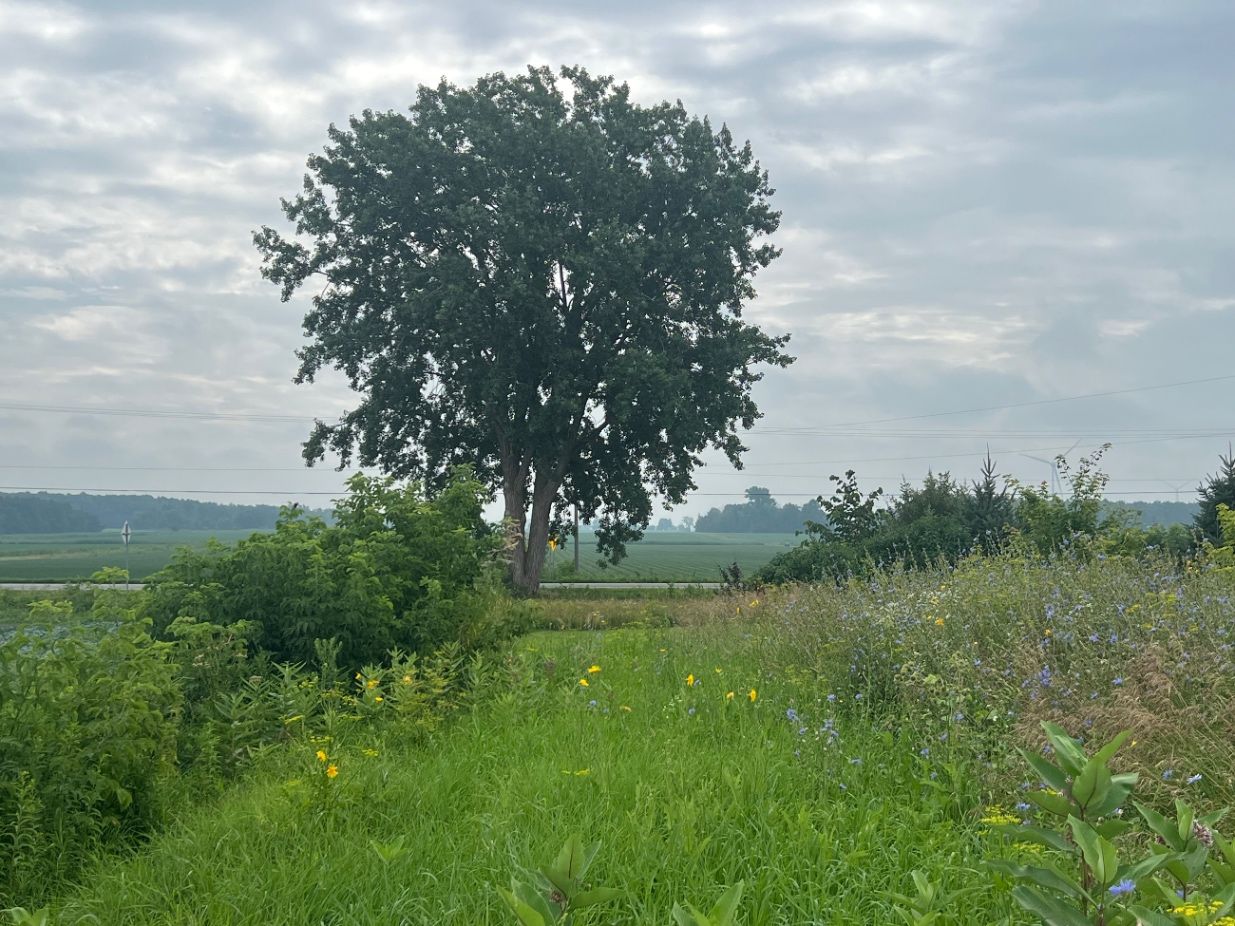
When we first moved to our current location, we could count trees on our property using fingers: three huge Eastern cottonwoods (Populus deltoides ssp. deltoides Bartr. ex Marsh; it's a mouthful, but what excitement to discover such a long Latin name), one young unknown (Norway?) maple, and six Manitoba maples (Acer negundo). There was also one dwarf apple tree (possibly a Cortland, according to the previous owner) and two lilacs, and at the end of the property a line of struggling trees and shrubs that tried to survive on piles of rocks removed from the fields. For five acres, that wasn't much.
We got to work, ordering and planting. In the first year, we planted lilac hedges and hundreds of different trees. It was a very dry year, and many of them did not survive. Others struggled as we tried to find time to water them while taking care of a million other important and time-consuming jobs. We were happy that we had some shade, and grateful for the beautiful Eastern cottonwoods’ guarding presence at the side of the public road.
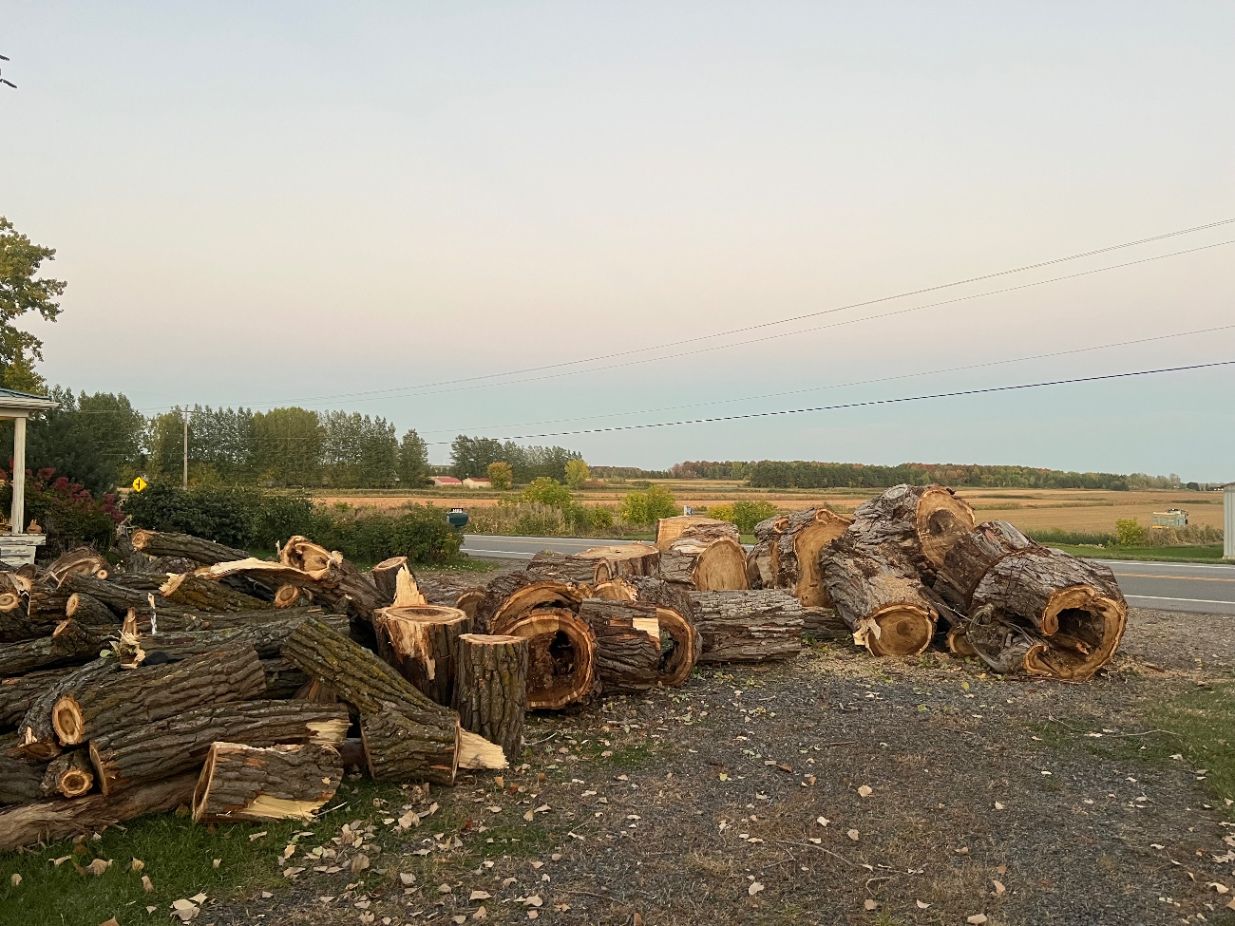
Then disaster struck: the middle cottonwood broke in half during a storm. One half fell on the road, the other swayed precariously. Thankfully, no one was hurt, and there was no other damage. The arborist recommended felling the other half as too dangerous to keep. What followed was a long laborious process of removing the tree and turning it into firewood. The ancient tree, home for many, was no more. The arborist warned us that one other cottonwood will need to be monitored and taken down soon, as it was quickly coming to the end of its life.
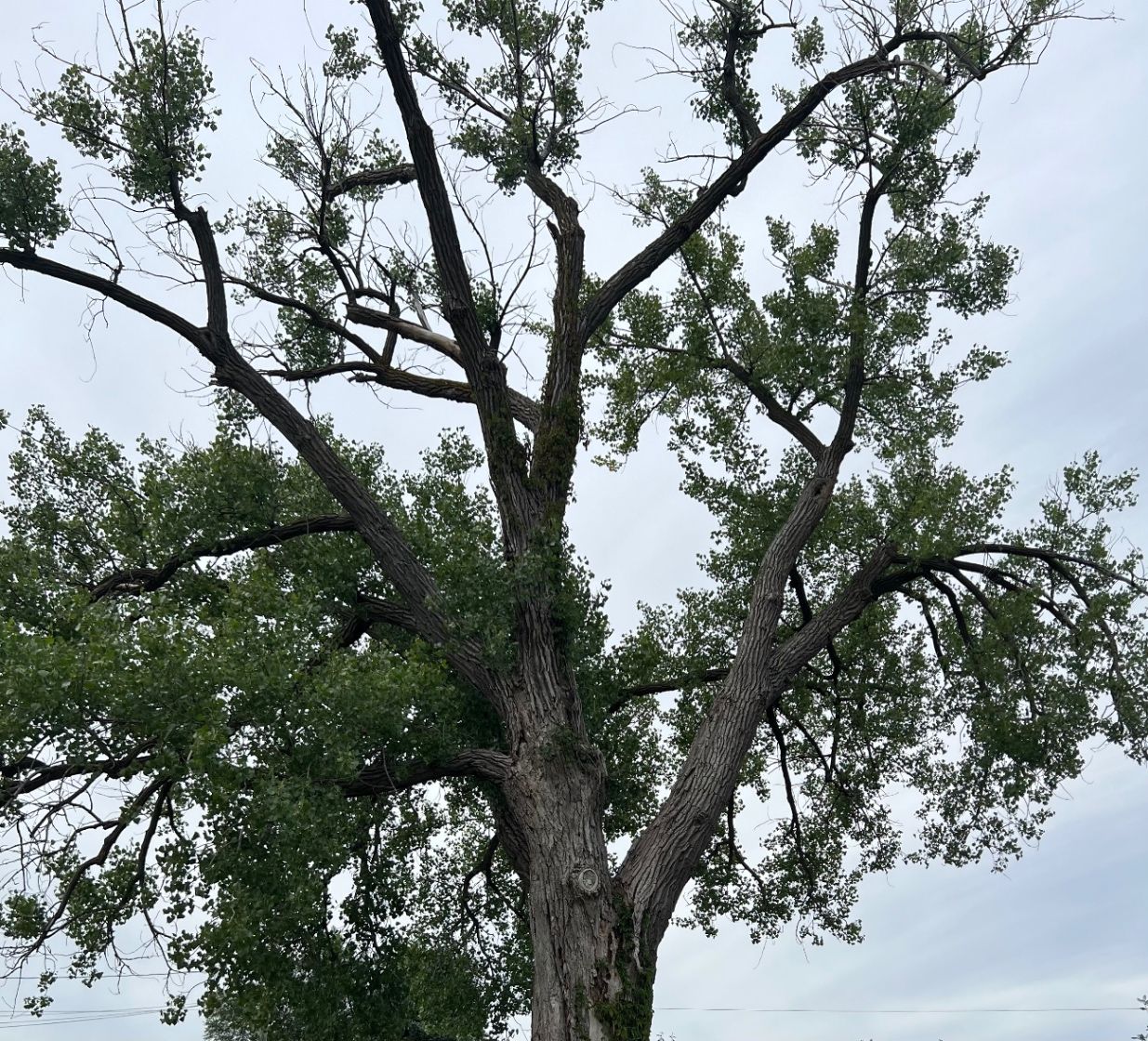
That second old cottonwood was removed last fall. Any storm could have taken heavy branches down on drivers, and we had to face the truth. We lost two out of three of our ancient trees.
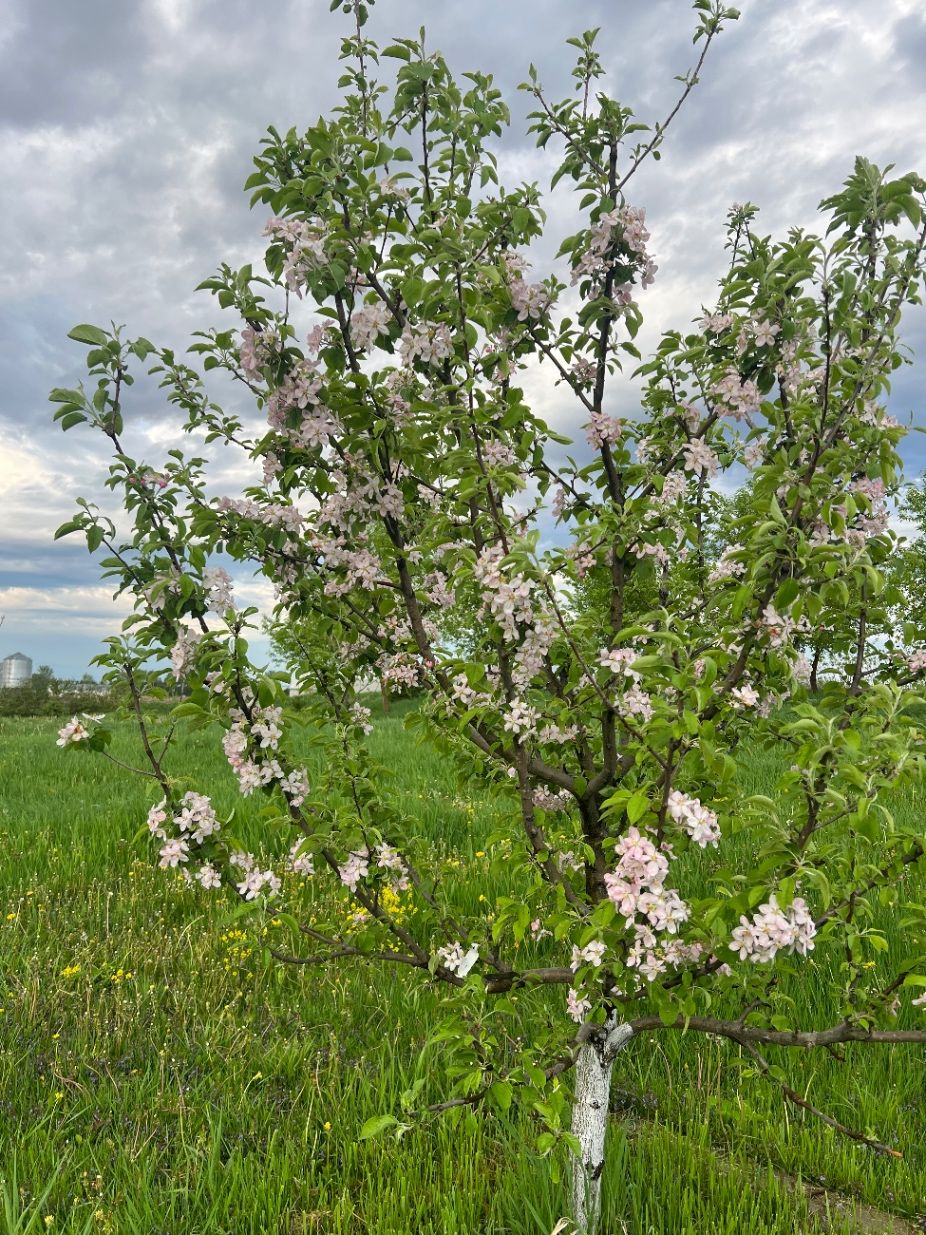
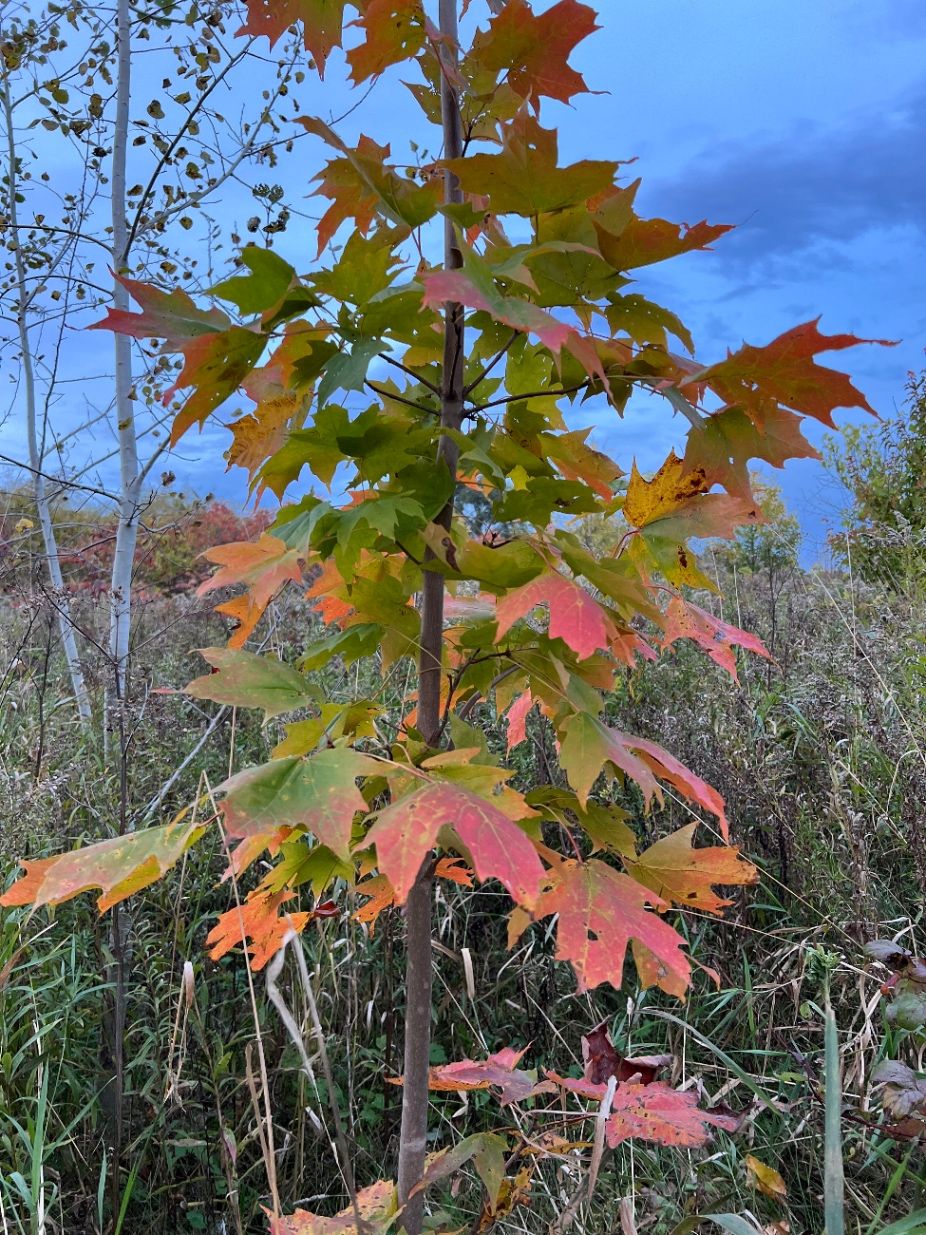
Desperation, however, is not in our nature. I looked at the trees we planted: oaks and pines climbing to the sun, apple trees in the orchard. New sugar and red maples. One day, I closed my eyes and imagined them fully grown. They became my Future Ancient Trees.

Maybe we can’t all be blessed with ancient trees in our backyards, but we can have Future Ancient Trees. Have you ever imagined a giant being just a one-year-old seedling? Now, you don’t have to - you can be blessed watching the giant’s first steps!
When wild rabbits chew through my baby oaks - we planted a row of swamp oaks (Quercus bicolor) at the end of the property - I imagine it will show in strange contortions of the trunk when they grow big. Oaks are extremely resilient and grow right back after having been used as winter food. Bur oaks (Quercus macrocarpa) can’t wait to become giants, it seems, growing and even producing acorns already. Their strange deeply grooved bark is a joy to watch and touch, and before we know it, they will tower over us. Let’s not forget smaller trees, like mountain ashes. We planted three lovely Sorbus aucuparia ‘Robina’, and we hope they will continue to grow strong and live long lives. Hawthorns (Crataegus canadensis) can too be long-lived, so they are my other candidates for my Future Ancient Trees.
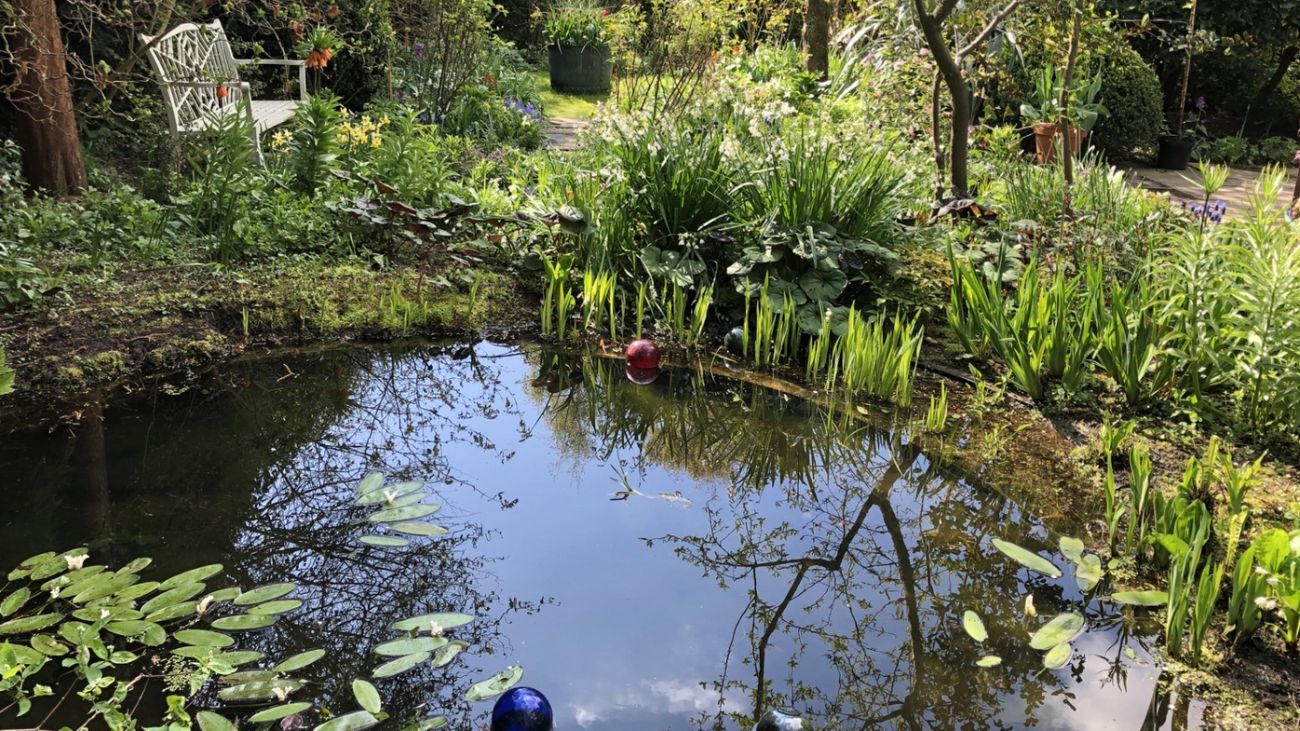
For those who love fruit trees, like me, there is an additional challenge. Who doesn’t love old fruit trees? On last year’s trip to Rusham, I was enthralled by ancient fruit trees, beautifully pruned, supported, productive. A chat with the gardeners quickly revealed their pride in these beautiful ancient pear trees. Seeing such productive fruit trees one can imagine the generations of gardeners who worked each year supporting the trees. I was moved by them as much as by the rest of the garden. These miniature fruit trees hold as much love and care as any other large trees, maybe more, but they can be grown in any garden. I would highly encourage you to designate one of your fruit trees as your “ancient” - give it more love and care and see it becoming part of your own history.
My Future Ancient Trees will need all the luck in the world to become truly ancient one day, but I like to think they need to start somewhere. Maybe one of them at least will get lucky?