Nostalgia, Nature, and Life Lessons in a Spiky Shell
The horse chestnut tree is being battered into submission by a string of unpleasant ailments. The mighty giants are a sorry sight by this time of year but. we still have conkers.


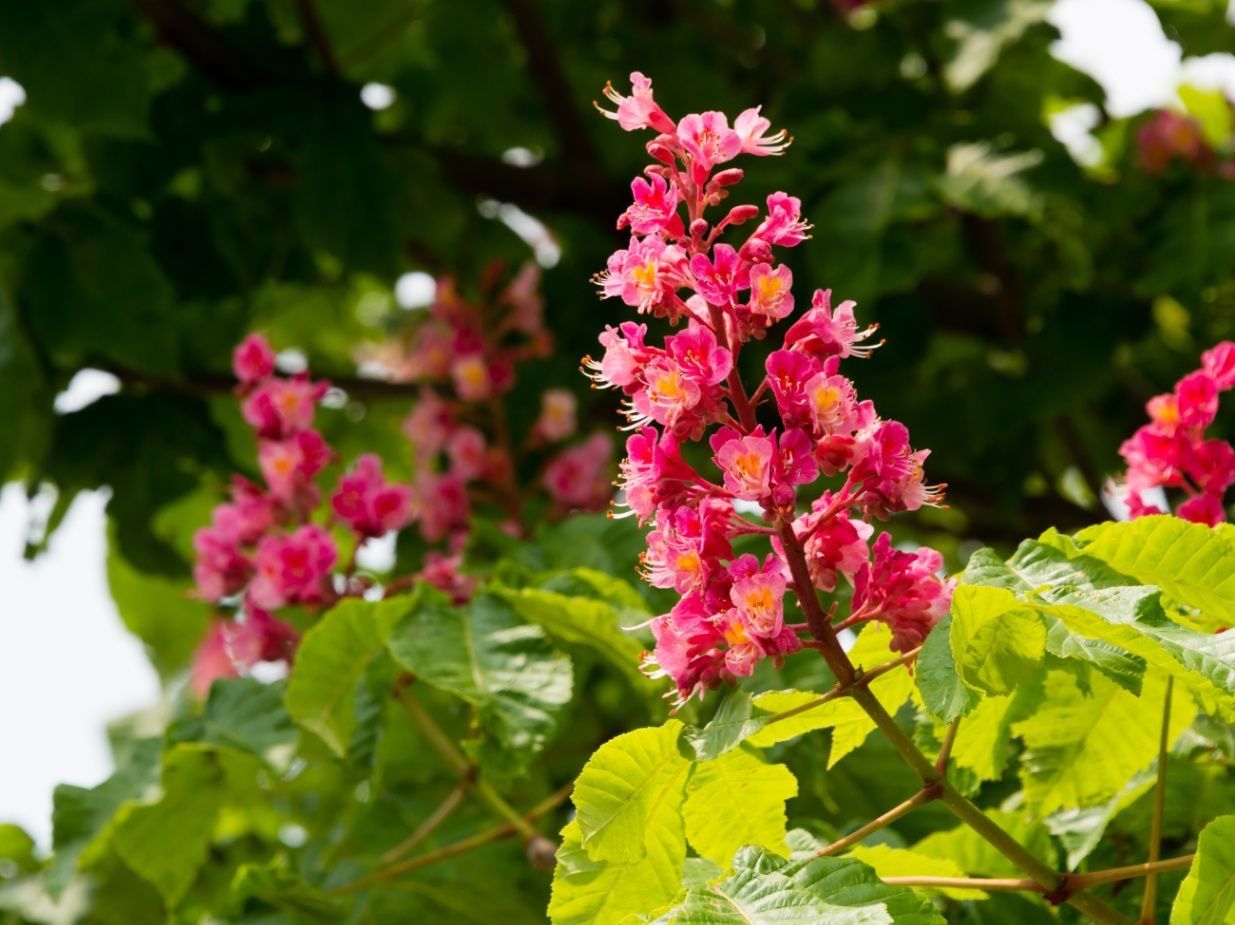
This is a photograph of the flower of the common horse chestnut, Aesculus hippocastanum. (Those of you who are listening while lying back in the bath will have to take my word for it). They are usually either white or a pinky red.
These flowers are also the mothers of conkers.
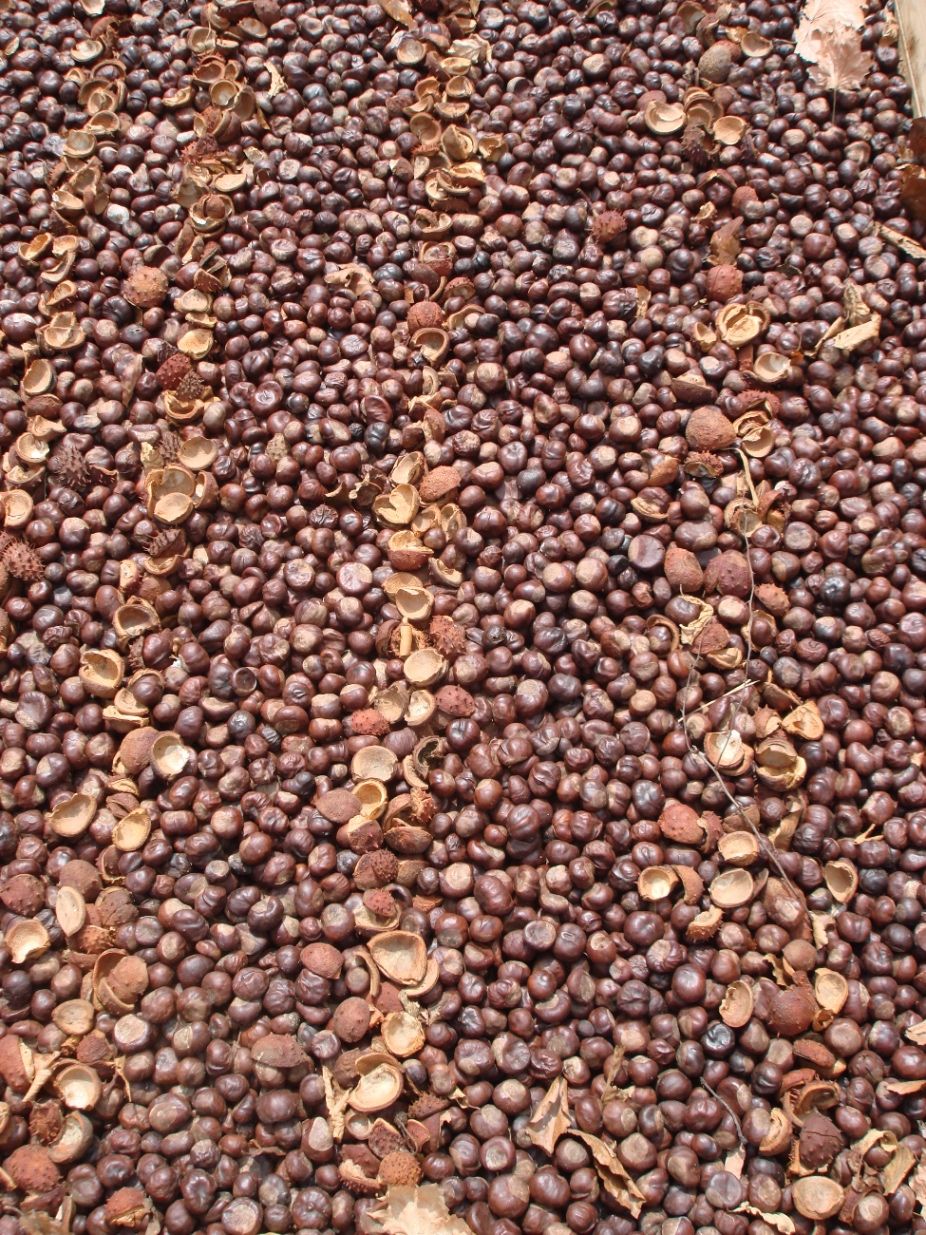
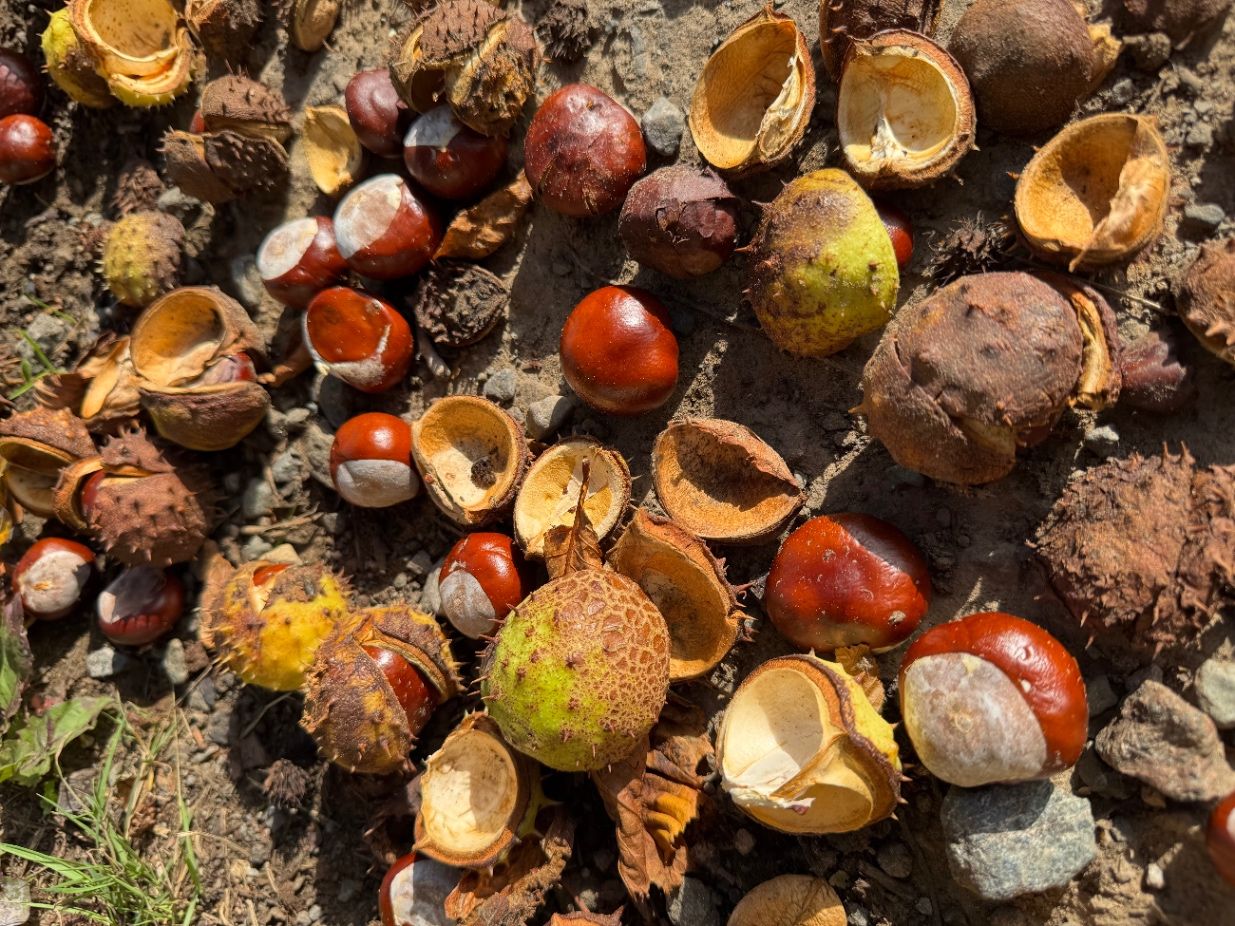
The conker is nature’s blowhard. Look at them with their carapaces as sturdy as spiny armadillos and nuts as glossy as the toe caps of the most fastidious of Regimental Sergeant Majors. You can see them in parkland, streets, woodland edges and as avenues along roads and some of the grander drives.
The reason that we have so many of them is because the Victorians (who were always up for a horticultural craze) planted loads. You can see why: fast-growing, easy to breed, a sense of grandeur and, of course, spectacular flowers. They used to have parties in the spring - a bit like the Hanami festival in Japan where everyone celebrates the cherry blossom. But before we get too excited by their looks let us linger briefly on their disadvantages. They promise so much but deliver nothing really of much benefit to the gardener of today. They are all mouth and no trousers.
The bad bits
Firstly, their parent trees have the misfortune to be beleaguered by not one, but five unpleasant conditions. At number one, bleeding canker which is every bit as unsavoury as it sounds. Secondly, Pulvinaria regalis (horse chestnut scale) which causes circular white blotches that sometimes look like pigeon droppings. Thirdly, wood rotting fungi like Ganoderma which produces large fruiting bodies around the trunk. Next up is chestnut leaf blotch (Guignardia aesculi), a fungus accidentally imported into Britain from North America and, finally for the moment, a benighted insect called horse chestnut leaf miner. This is a moth whose larvae burrow into the leaves and, by late summer, they are left desanguinated, brown and exhausted. Ugly but not much we can do: apparently blue tits help as they can get at the critters but I am not sure where to get hold of a flock of spare blue tits..
If that was not enough, they cannot be eaten by people or, indeed horses. Squirrels have a disconcerting habit of carrying them off to the far corners of the garden where they rapidly germinate, sprout and become a nuisance. It is a sad, sad thing but due to these multifarious diseases and afflictions, nobody has much time for young conker trees any more. They are very much persona non grata and most nurseries refuse to sell them
The good bits..
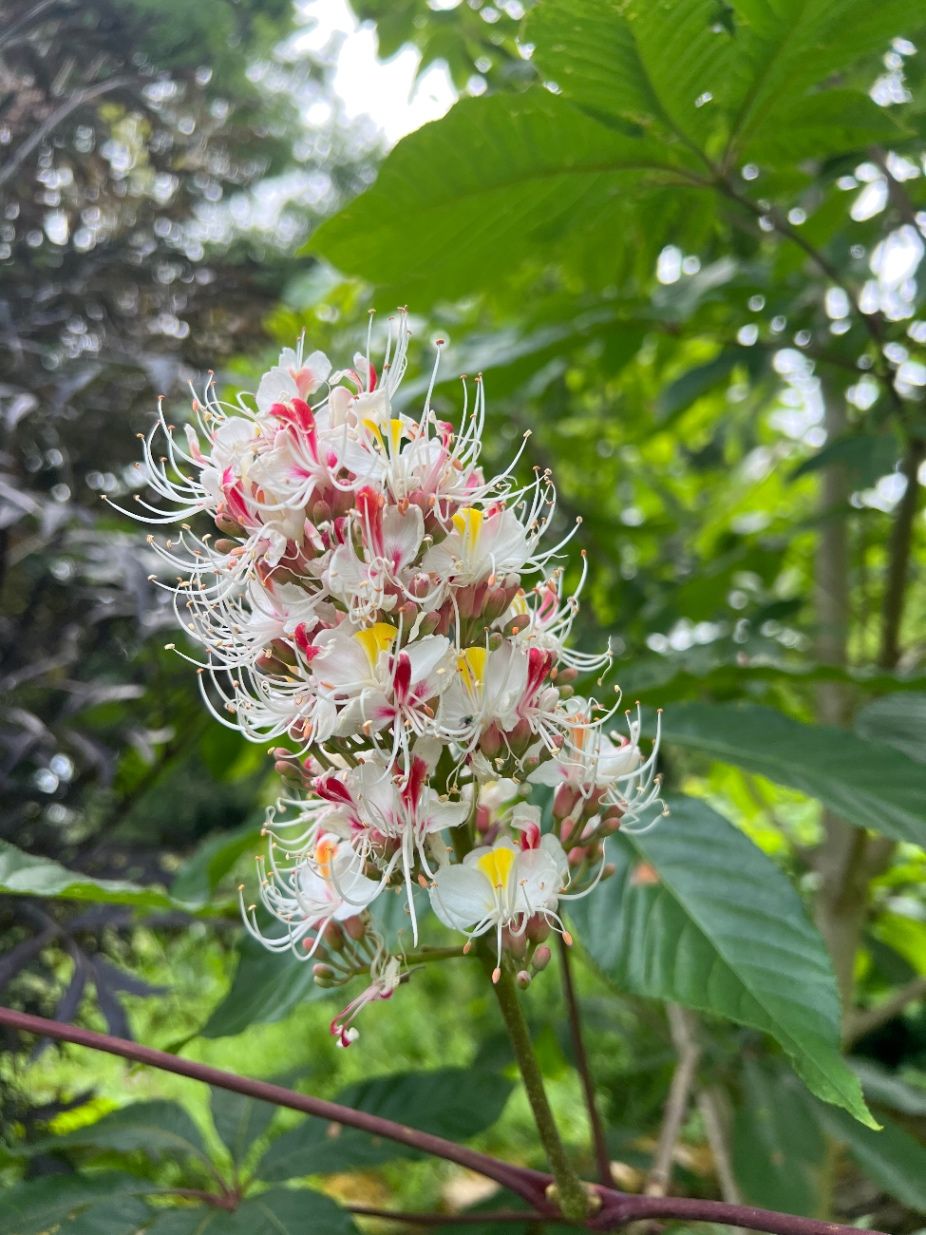
However, after all that chestnutty gloom and in my constant quest for the silver lining in all things, I bring glad tidings. Firstly that there are other conker trees that do not suffer from all this stuff. Most notably Aesculus indica which has delightful white and yellow flowers: the yellow ones are there to lure in the pollinators but, once pollinated, they quickly turn pink (within about 20 minutes) and this way the bees know that someone has been there already and the cupboard is bare. Another option is Aesculus californica, a smaller tree which has conkers as big as some goat testicles.
The second good bit is that the conker provides a convenient snapshot of many of the important emotions of life. Let me give you a short list of virtues , sentiments and feelings encapsulated by conkers.….
Anticipation and excitement
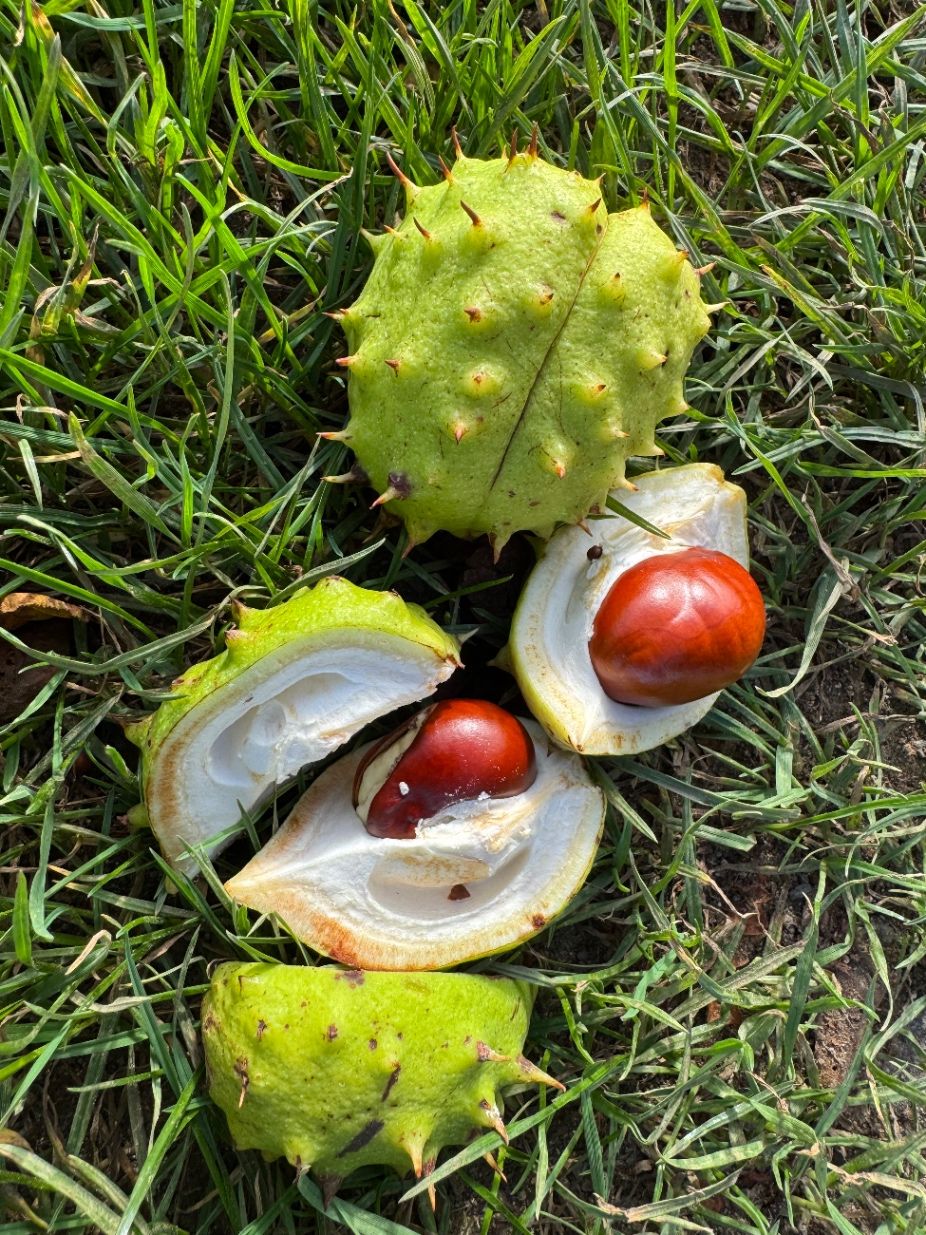
Opening the case of a conker is a great pleasure. The skill is in rocking the spiky casing with your foot just enough to free the conker (thus avoiding pricked fingers) but without crushing or damaging the contents in any way. That is an excitement that never fades (I know, I know - I really should get out more). The anticipation is in not knowing whether the conker nestling within will be large or small: will it be single? empty and undeveloped? one of the doubles with slightly flattened sides? or, glory be, a triple?.
Nostalgia and regret
Conkers used to be so important. My children used to spend happy hours collecting them and putting them in buckets. The contents of the buckets were then decanted into boxes where they would languish in toy cupboards and seldom visited drawers. Nowadays, sadly, the children are gone and there is nobody left apart from us to gather conkers. We collect a few as they are reputed to possess a chemical (Triterpenoid saponin) which deters clothes moths from feasting on woollen jumpers. Months later we come across the shrivelled nuts forlornly nestling in sock drawers amongst nibbled cashmere. Another reason, if another was needed, for mild scepticism when testing folklore.
Mortality and the fading of youth
A conker when first released from the spiny shell is so polished and shiny. You can see your reflection in its deeply burnished depths. But, very soon, the lustre fades and it settles into a dull and unpolished middle age before being overcome by mould and softening into compost. It is good to remember that such is the destiny of all living things: the wrinkles creep across unblemished complexions and the strength fades. A nutty equivalent of the slave who whispered "Remember you are mortal" into the ears of Roman emperors to stop them getting too above themselves.
Courage and fortitude
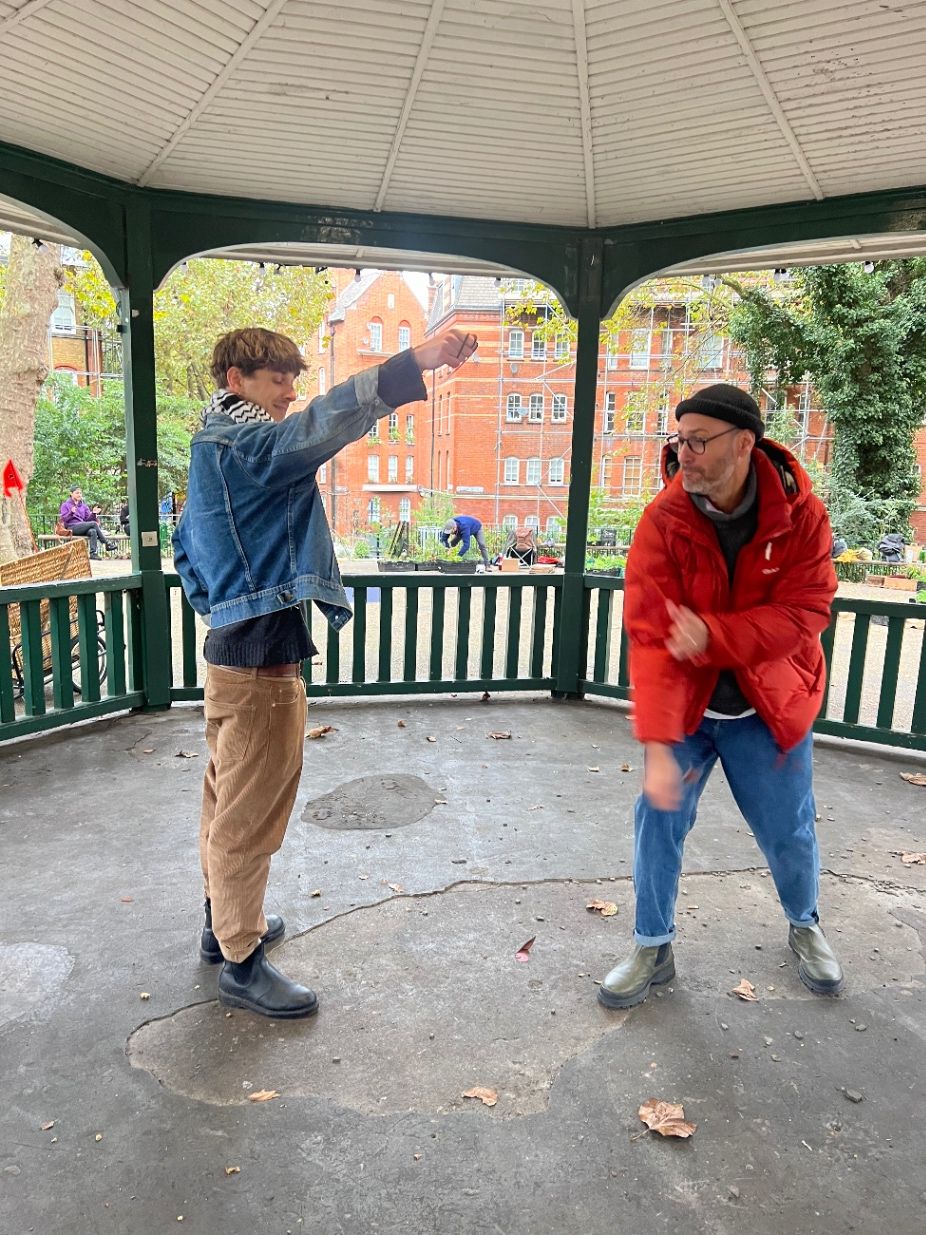
In my grubby kneed, snake-belted childhood conker fights were important. We would gather them in abundance and submit them to various ordeals to harden them up: they were baked in ovens and steeped in vinegar, none of which worked. We would then carefully bore a hole in a conker (using the spike on a penknife designed for the removal of stones from horses’ hooves) and thread them on lengths of hairy string. As a side note I am not sure why ten year old schoolboys were allowed penknives but we were: mine was suspended from a chain that was attached to my belt.
Back to the courage and fortitude: I can vividly remember that it was sometimes difficult to keep your nerve when having a conker fight. To stand perfectly still, dangling your precious champion while some other child takes careful aim. Sometimes they miss and crack you hard on the wrist bone. That hurts - I can remember even though it must be over fifty years since I last played. The fortitude comes when your conker lies shattered upon the ground and you have to hold your head high as you walk away.
Modesty and generosity
See above but instead of defeat you have successfully obliterated your opponent’s conker. His (or her) hopes and dreams lie shattered on the gravel and you stand victorious and panting: the blood pumping in your veins while your all conquering conker dangles loosely by your side. You must not crow (too loudly) about your victory and you must be magnanimous to the loser. You are not, after all, Donald Trump.
You see?
All life is here in, rather appropriately, a nutshell.