Of Dogs’ Graves, Sham Grottoes and Plum Buns
Taking inspiration from a new garden and an old curmudgeon


My dad had a method when it came to window cleaning. “Get the outsides done,” he would say, “and the insides will do themselves”. It sort of works, and it works the other way round too. I would argue that the most debilitating problem a garden can have is its boundaries. Get those wrong and you will always be in trouble.
I have spent the last two years staring miserably at the fences both sides of my tiny, terraced garden. My neighbour’s fence was falling down when I moved in 23 years ago, and has only been held up only by my splendid-if-I-say-so-myself Hydrangea petiolaris, gorgeous, but taking up much of that side of the garden. My own fence was replaced about fifteen years ago, but was well on its way out by last year.

Trouble is, post-pandemic, replacement is a tough ask. I needed the full shebang – much digging out, replacement postage and serious gravel boards. There was no way I could do it myself.
My once neat bay tree had grown into a three-trunked monster ever since the eucalyptus in another neighbour’s garden had had to be felled after it reached 80ft (in a 20ft garden, what were they even thinking?). At least one of those trunks would have to go. No one wanted the job.
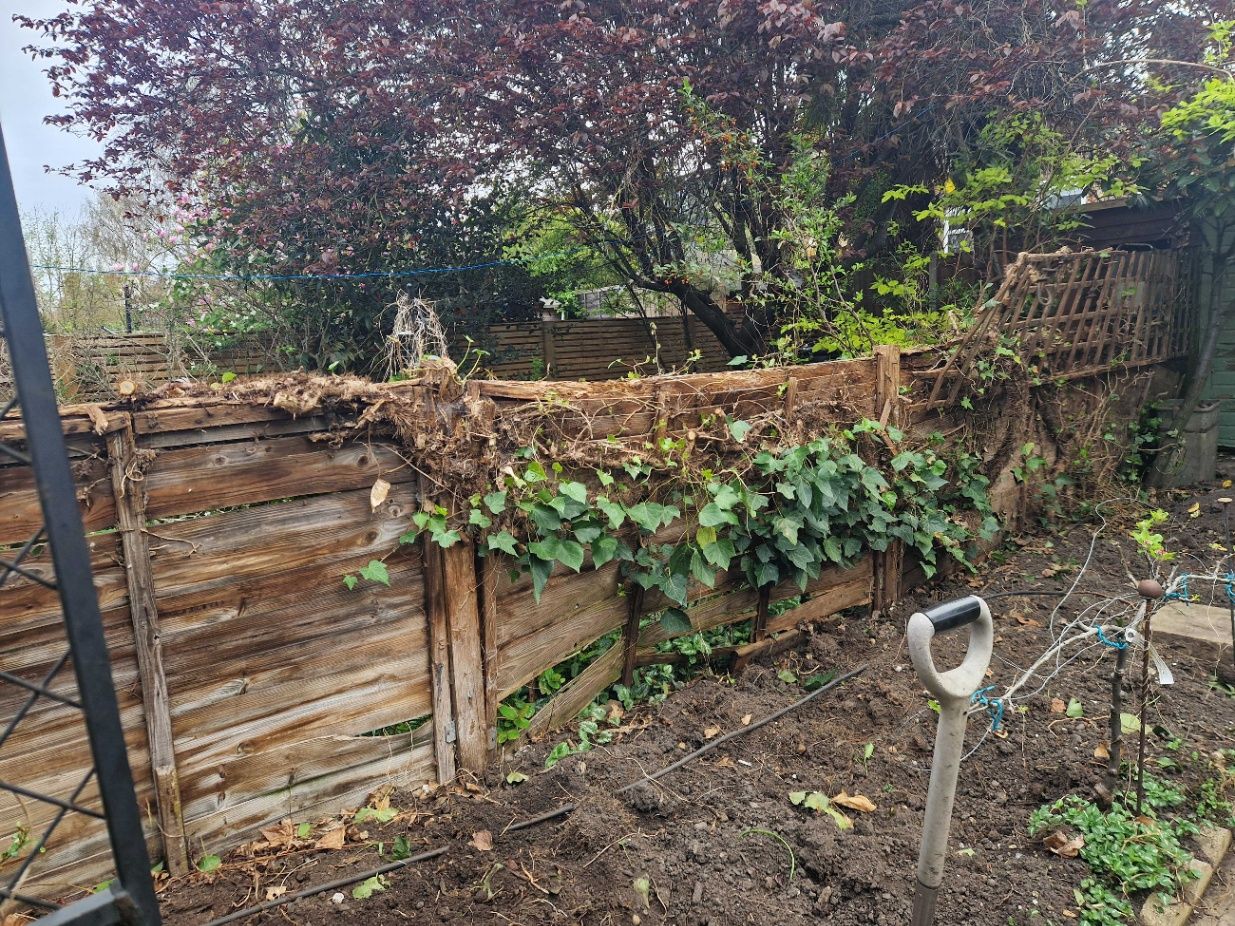
Just as the edges were bad, the rest of the garden went. None of my neighbours, left, right or back, go into their gardens from one year to the next and I was under constant bombardment from bindweed, three-cornered leek, green alkanet, pilewort, and a roaming bamboo that someone had once thought was a good idea in the garden centre without doing due diligence. I found out that bamboo has barbed roots the hard way.

Last year I could hardly bring myself to sit in the garden at all, it was so depressing. Of would-be fencers, few answered my calls at all, and even when I said yes to some frankly silly prices, they still didn’t turn up.
I turned away from my garden. There was other stuff going on in my life, I couldn’t face it.
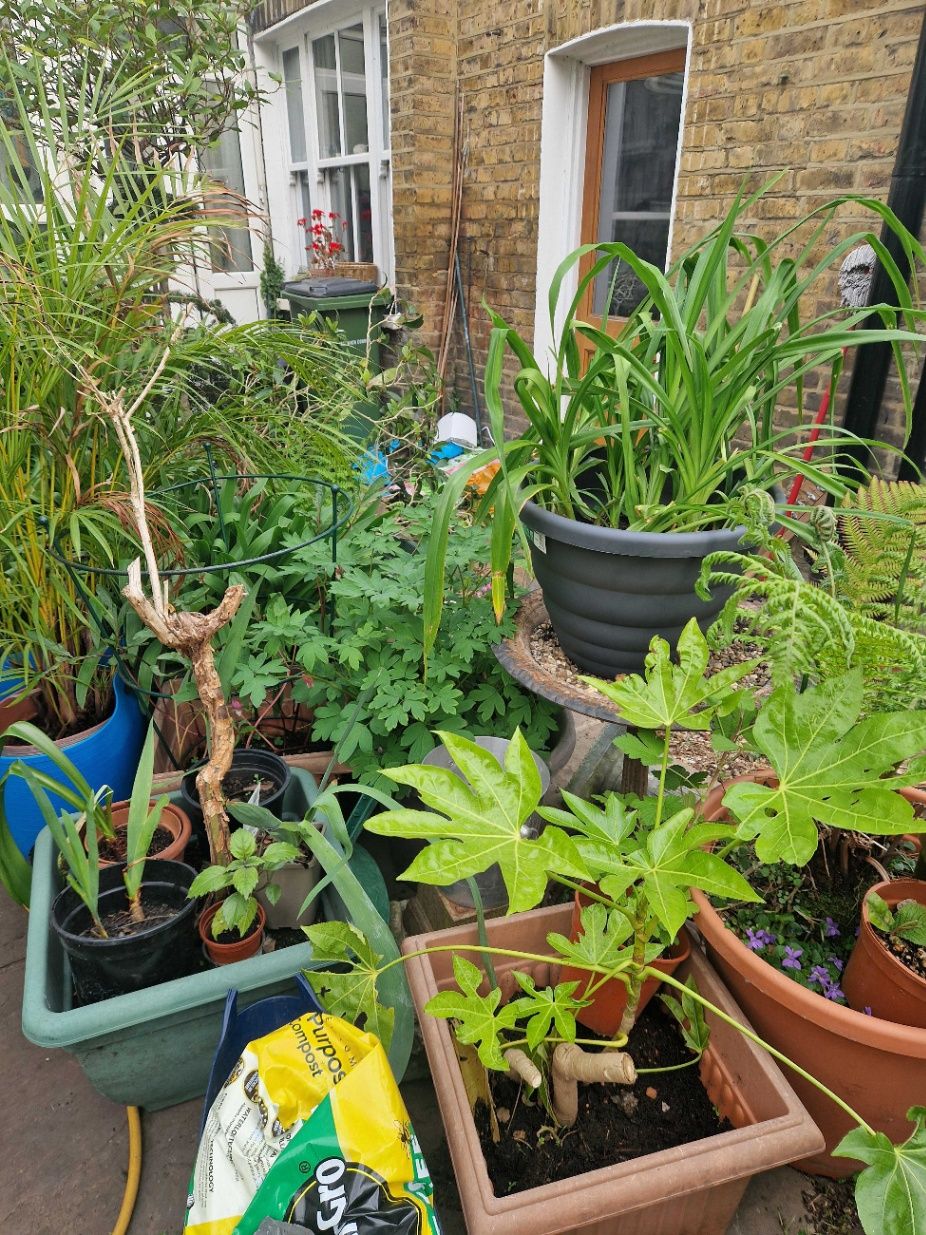
But as this year turned a corner, so did I. I decided to take both fences in hand and just get it done. It took from January to April to clear the rotting woodwork, crumbling concrete posts and their attendant greenery, and about that long again to actually pin down someone willing to lower themselves to installing a fence. But it’s done.
And I am delighted with the results, even if my Victorian garden now looks like a new-build.
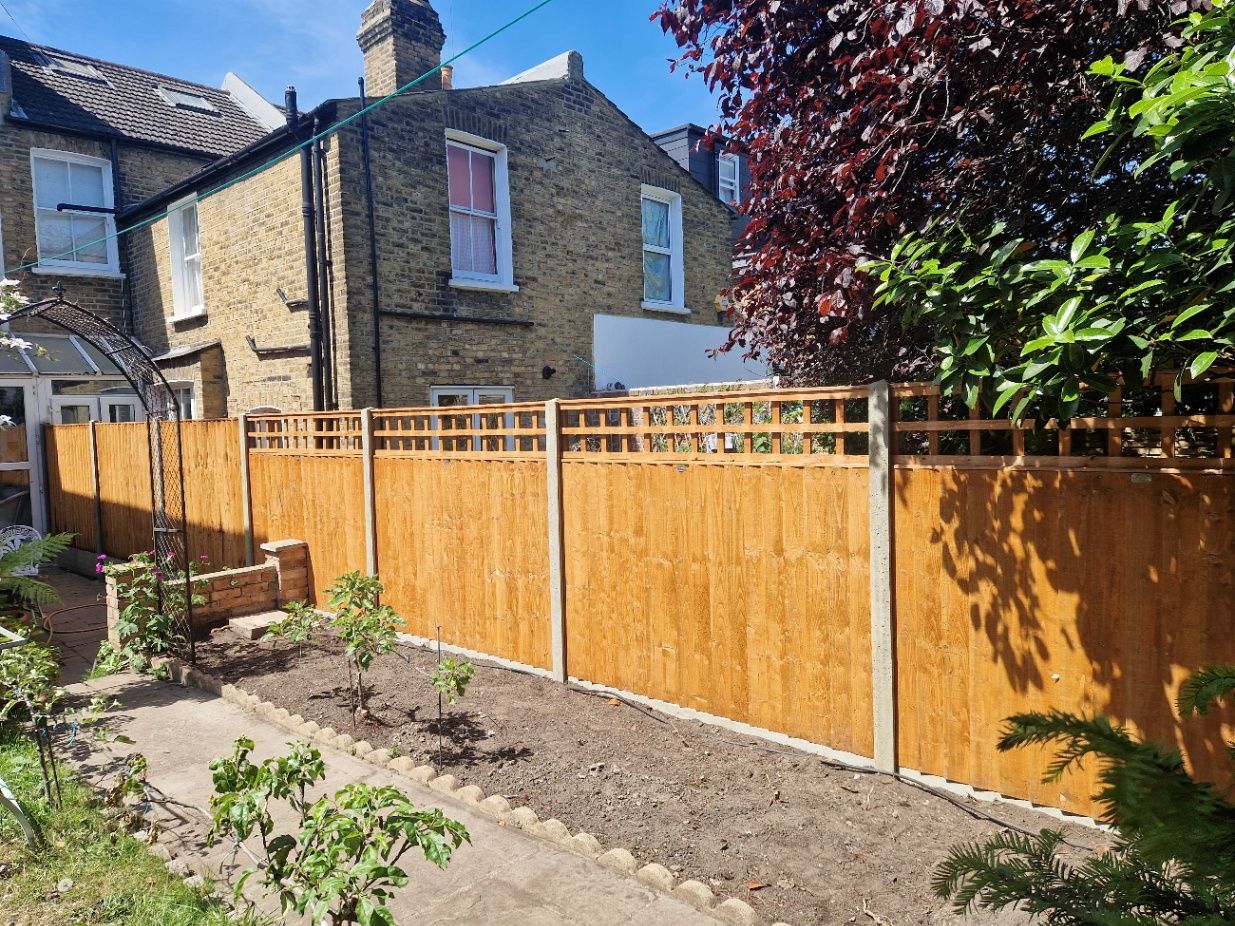
The guys who came in were proper builders and they’ve done a proper job, even if I can only describe the colour as Type 7 on the Bristol Stool Chart. Why do they make fences that colour? It’s clearly a dye, somebody made the decision that diarrhea brown was a good idea.
Proper builders they were, but not gardeners of any description. I’d taken the precaution of saving in pots pretty much everything a builder’s boot could flatten, while also availing myself of the opportunity of getting rid of some horrid shrubs my predecessors had planted that I’d always hated but felt guilty to turf out. Mahonia aquifolium, I’m talking about you.

While they were about it, I asked the guys to put in a barrier each side against the weeds and even told them how to do it. Vertical, straight down under the fence. Instead, they got some plastic membrane and put four inches of weed infested soil on top of a load of weed-infested, compacted soil that was now full of rubble, brick, broken pots, plastic and bits of wire.
I don’t blame them – they’re builders not landscapers (landscapers wouldn’t demean themselves with a fence, I discovered). But I have no real choice now but to horrify Charles Dowding and dig for a kind of Victory.
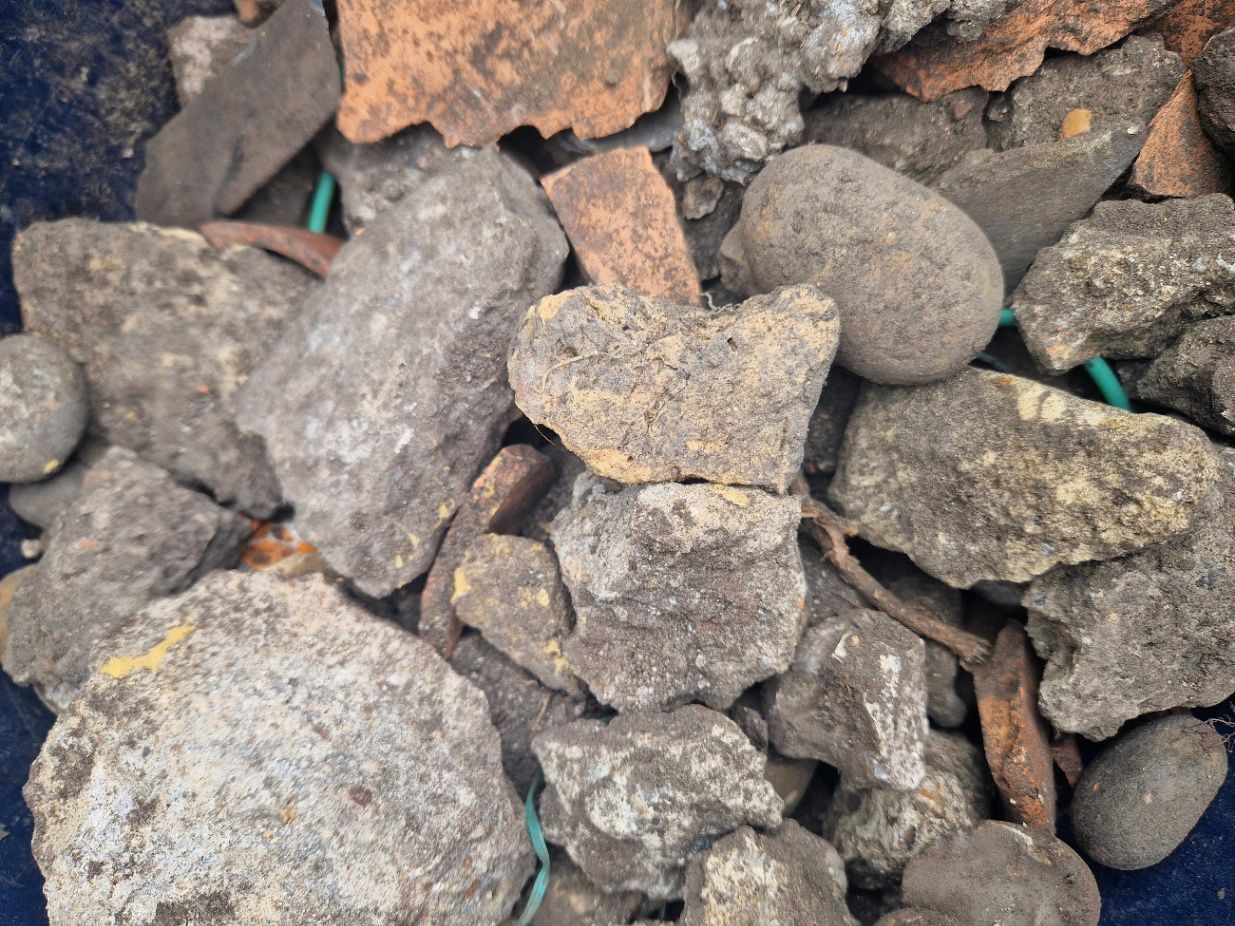
Every square metre of soil pulls out half a rubber bucket full of grot, but in a strange way I’m rather inspired. This is because I recently visited the fabulous new Queen Elizabeth II Garden in Regent's Park, in which among others, fellow Garden Collectivists Noel Kingsbury and Matt Pottage have had a hand.

The site was less brownfield than grey concrete when the garden was first mooted. Old glasshouses, hard-standing and outbuildings presented the team with a problem – how to deal with the waste concrete. Rather than blow the budget merely getting the hardcore offsite and into landfill, Her late Majesty the Queen’s park gardeners turned into rubble-wranglers.

I love that the whole garden is based on crushed up grot, with plants grown hard to withstand the vagaries climate change is going to throw at them.
I have grot.
Loads of it.
The one thing I don’t need, though, is extra drainage. I garden on awful Thanet Sand – the soil looks rich, isn’t. It’s got no body to it whatsoever and can’t hold nutrients to save its sand.

I’ll be adding loads of organic matter to most of it, but I’m taking the opportunity to gather up all the old hardcore, rubble bricks, broken tiles, pots and oyster shells (a reminder of times when oysters were the staple food of the people who once lived in my home); to sift out the broken glass, nails, bits of wire and metal shards and use it with imagination, if perhaps not elegance.

As ever, I am drawn to history, and as I stared at a pile of giant rubble the builders had quietly deposited behind the bay tree, one figure came to mind.
I’m not going to rehearse here the life story of Reginald Farrer, enfant terrible of the Edwardian rock garden.

Instead I’m going to point you in the direction of my favourite garden biography, A Rage for Rock Gardens, by Nicola Shulman. Superbly written in a style Farrer himself might envy, it is both irreverent and sharply observed. It will tell you everything you need to know about a difficult, extraordinary individual, whose caustic, schadenfreudian style entertained all who read it – with the obvious exceptions of the human objects of his attentions.
My great heroine Ellen Willmott (not above the odd acid comment herself) was one such object. She and Farrer fell out on a monster scale, though by most accounts even she had to get in line – he was disliked by many - but that does not mean his horticultural knowledge was poor. In fact, it was his zeal for excellence, matched with apparent lack of filters, that made him so readable. And he loved his rock gardens.

Reg had little time for dabblers. While he wholeheartedly fell behind serious rock gardeners such as Charles Wolley-Dod and the Reverend Henry Jardine Bidder of St John’s College Oxford, he poured scorn on lower-middle-class wannabes who built what they could with what they could afford. The horror…
Dicing with literary death – after all, he was insulting his own readership here – he described various sub-prime rock properties in ever-inventive un-glowing terms:
The Drunkard’s Dream
“Noxious cement blocks, all volutes and exaggerated cavities”.
The Sham Grotto
“Clinker bricks on the lawn, rigged up with nasturtiums to hide the places where your alpines have unanimously died”.
The Almond Pudding
“A round bed, piled up with soil, choose out the spikiest pinnacles of limestone you can find and insert them thickly with their points in the air, like a tipsy cake stuck with almonds”.
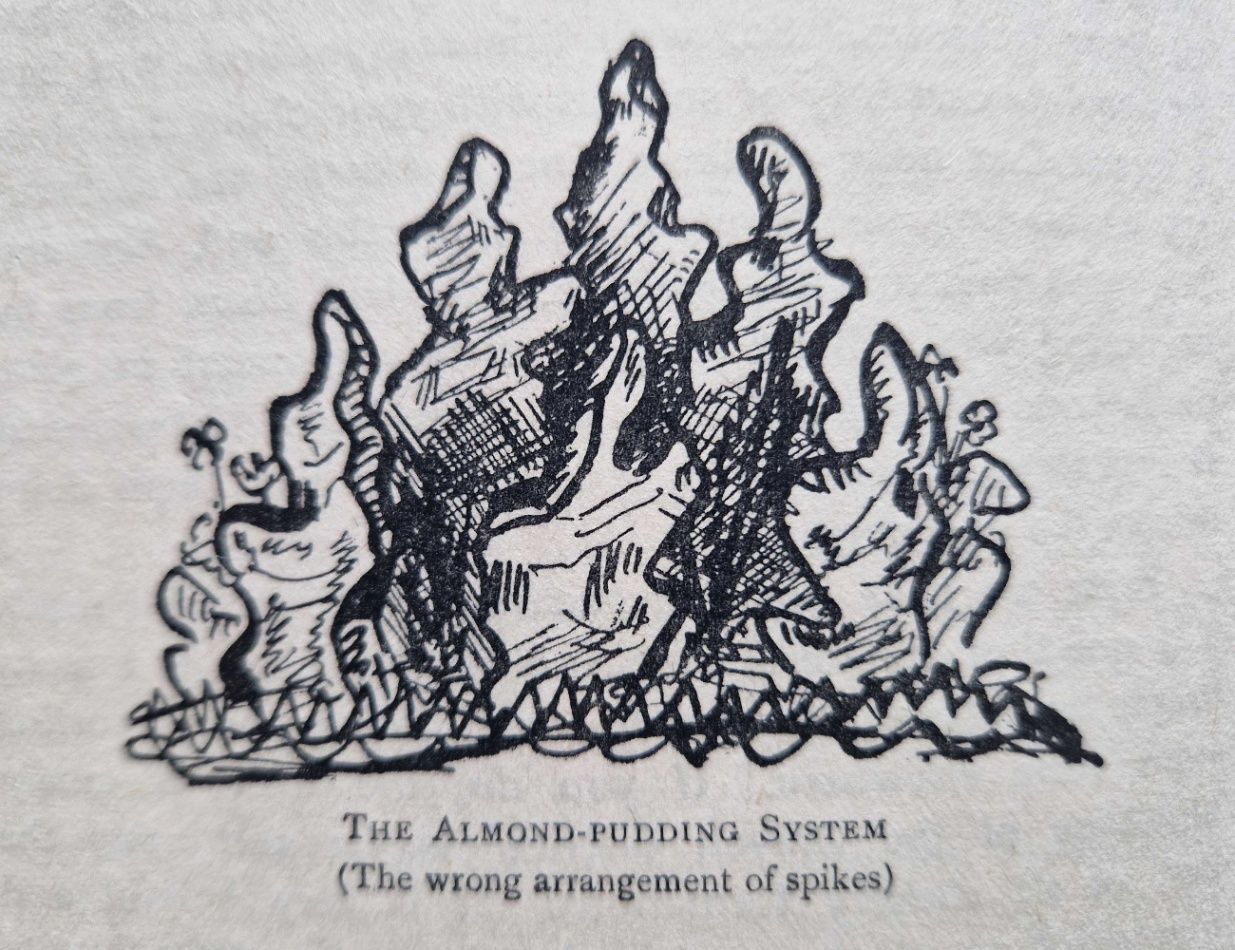
The Dog’s Grave
"Shaped more or less the same as the Almond Pudding, but with the stones laid flat. Stodgy and abhorrent to Nature”.
The Devil’s Lapful
“A hundred or thousand cartloads of bald, square-faced boulders, dropped all about absolutely anyhow.
"Chaotic hideousness”, cries Farrer, gaily adding to his list of sworn enemies by naming a couple of major perpetrators.
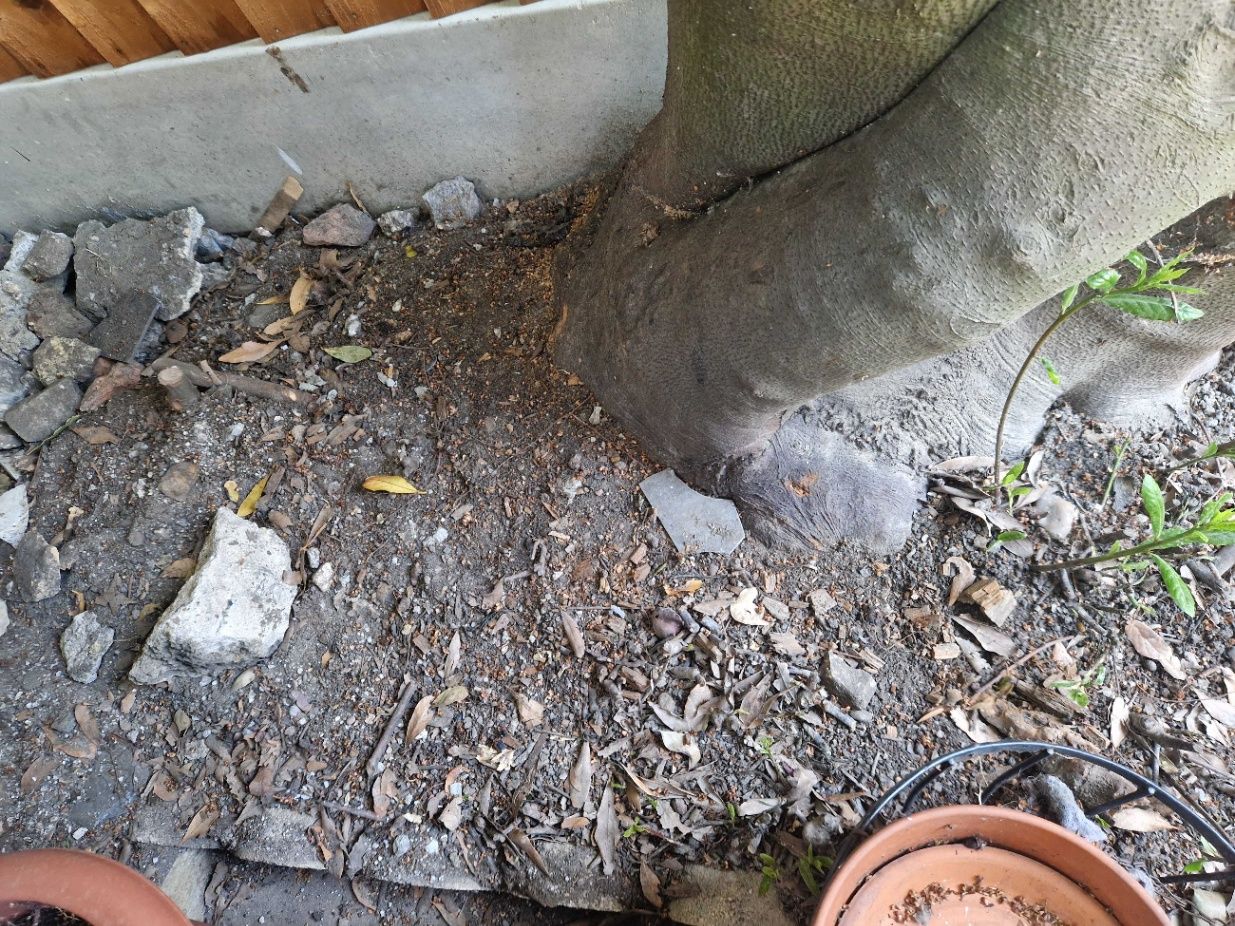
I’ve decided not to get rid of that great pile of rubble. I’m going to keep it, plant it up. I think that makes me the unashamed creator of
The Plum Bun
“A haphazard and disconnected arrangement of humpety-dumpeties,” sniffs Farrer. So be it.

My Plum Bun may yet see its day, (ooh-er…) bulking out the bit at the back where so little else will grow. I’m going to fit it out with yet another Victorian obsession: ferns.
They’ll need to love dry shade, but there are ferns for that. Dryopteris, Asplenium, Polypodium and Polystichum should be friendly enough if I give them a good few drinks of water to start them off.

I even have a really, really bad bust of Julius Caesar I got off Ebay for a tenner, an unwise purchase that I regretted the moment I clapped eyes on it. It had been very artfully photographed indeed.
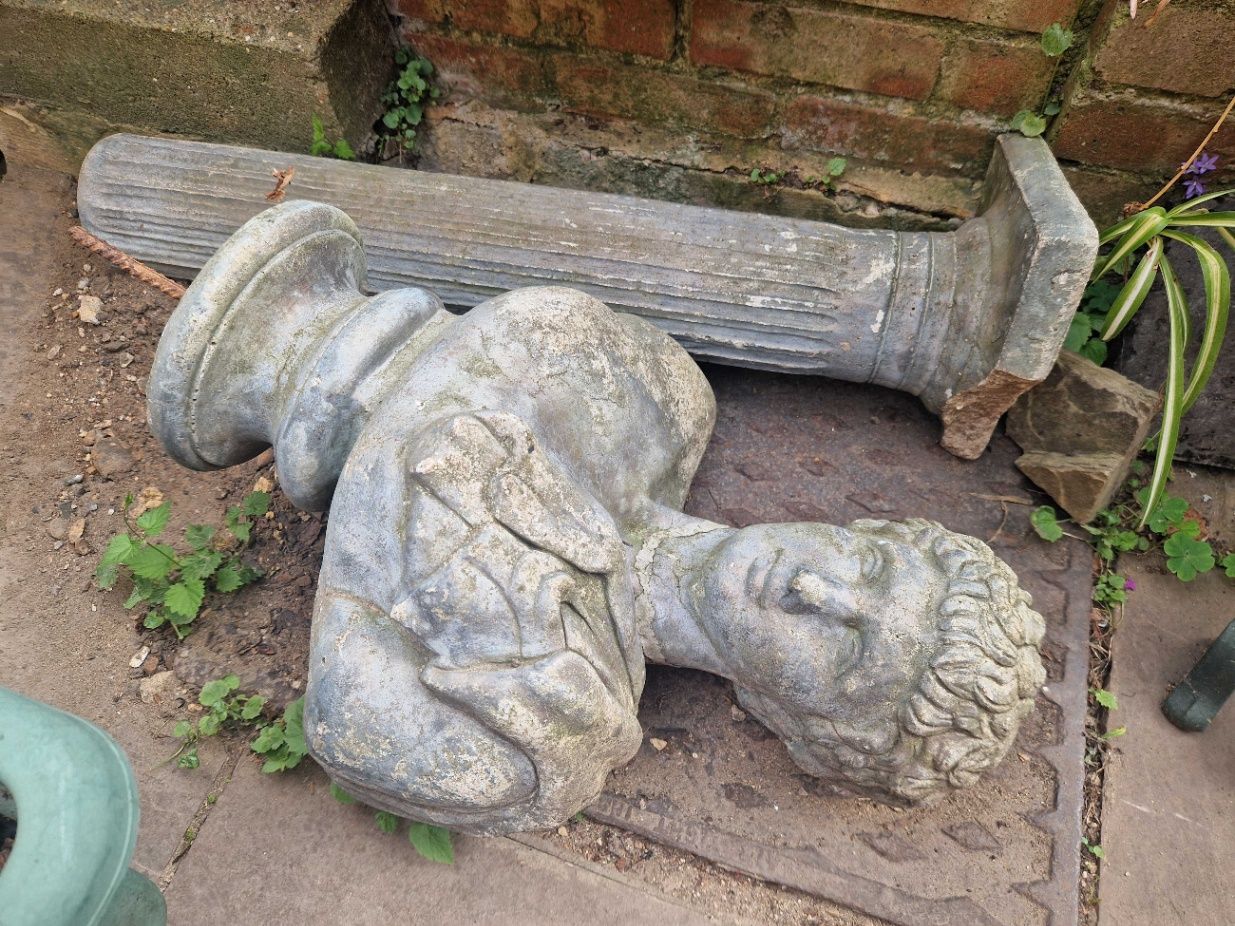
I can topple him from his disproportionately-tall Ionic column into the rubble, amongst the ferns, for a tongue-in-cheek meditation on The Fall of Rome.
For what good is having a Plum Bun without some fun?