Planting A Paradigm Shift
Planting a paradigm shift is about understanding that changing the patterns of when, why and what we plant could significantly help our gardens, ourselves, and our planet. Maybe what you do differently in your garden can change the world.
Why bother to plant anything?
"Never give up" could be written over every grower's potting bench in my opinion. At the start of the spring season, there is always a growing feeling of optimism, actual new growth and yes, new opportunities. But with fires, floods and ferocious changes to our climate in the shadow of an increasingly chaotic world, you may be slumped against the side of the shed wondering if there is any point to planting anything at all this year.
Stop that thought. There is hope. But what could an antidote to this helplessness be? Before you reach for your gardening gloves, how about planting a paradigm shift?
Planting a paradigm shift is about understanding that changing the patterns of when, why and what we plant could significantly help our gardens, ourselves, and our planet. But we need to choose to change.
In her book, Sharon Blackie asks us to consider living 'An Enchanted Life'. To participate in living, to see the wonder, to find ourselves and our place in the world, to dream and do the things that really matter to us. Things like creating and being part of a community. Things like feeling both the mystery and the myth of our land.
Could we galvanise a significant change in how we are and what we choose to do as gardeners, as growers, as consumers, as human beings belonging to this whole wild wonderful world?
What's it all about?
Planting a paradigm shift is not just about no peat, no dig, and conserving water, although all of those things play their part. Does it really matter if your funeral flowers are completely compostable? Who cares whether your wedding flowers have travelled halfway around the world, as long as they look lovely? I believe it does. It matters a great deal. All of these acts have consequences. None of us exists in isolation.
Planting a paradigm shift then is about recognising and acting on our interconnectedness including being conscious about our consumerism.
It is about planting not just the pretty but the productive, flowers as well as food, together with recognising that we’re not the only ones living in our gardens. It’s about being custodians of our trees, guardians of those wild messy edges and being much less precious about perfection. It’s about aspiring to sustainable living.
At the rhythmic heart of a garden paradigm shift is sustainability, and seasonality is the rhythmic heart of sustainability. Paradigm planting is not just planting at any time, but at a specific moment when the constellation advises to secure the greatest growing advantage. And if that sounds too good to be true, let's start with a small but not insignificant step and the concept of the Angel's Share.
When Scotch whisky is laid down to mature, a volume of liquid evaporates through the barrel (let's just trust the Scots on that one eh?) Known as the Angel's Share, it is an accepted loss. In our cutting garden, we adopt a similar acceptance. Over the season, some plants are lost to the wildlife. Now, the wildlife can be an over-enthusiastic bunch at times, but when I cover my beds, I lose more to slugs and snails than when the birds have access. No chemicals for killing the molluscs here. I might as well poison my song thrush. You get the point. Balance is the aspiration, but of course time is required to plant a paradigm shift. It’s a journey not a destination, as the Buddhists say.
Our canalside paradigm shift
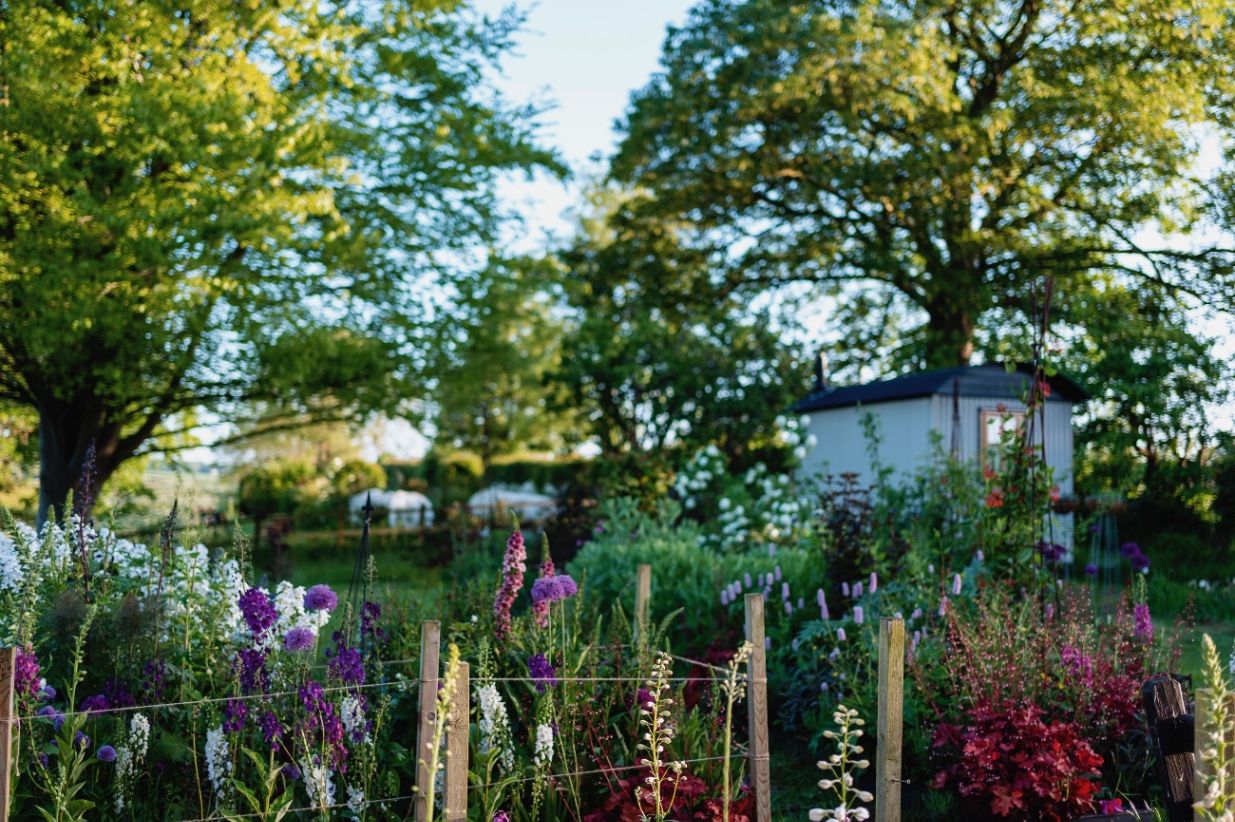
For well over a decade now, flowers have been growing in our canalside cutting garden for our British flower business, providing scent and seasonal beauty, with sustainable flexibility to dry unused stems to create dried everlastings. Nothing is wasted and everything is reused, recycled or returned to the earth in an act of regeneration. No chemicals, no peat. The flowers are pretty effective companion plants managing most diseases. But it’s feeling like it’s getting harder if I am totally honest.
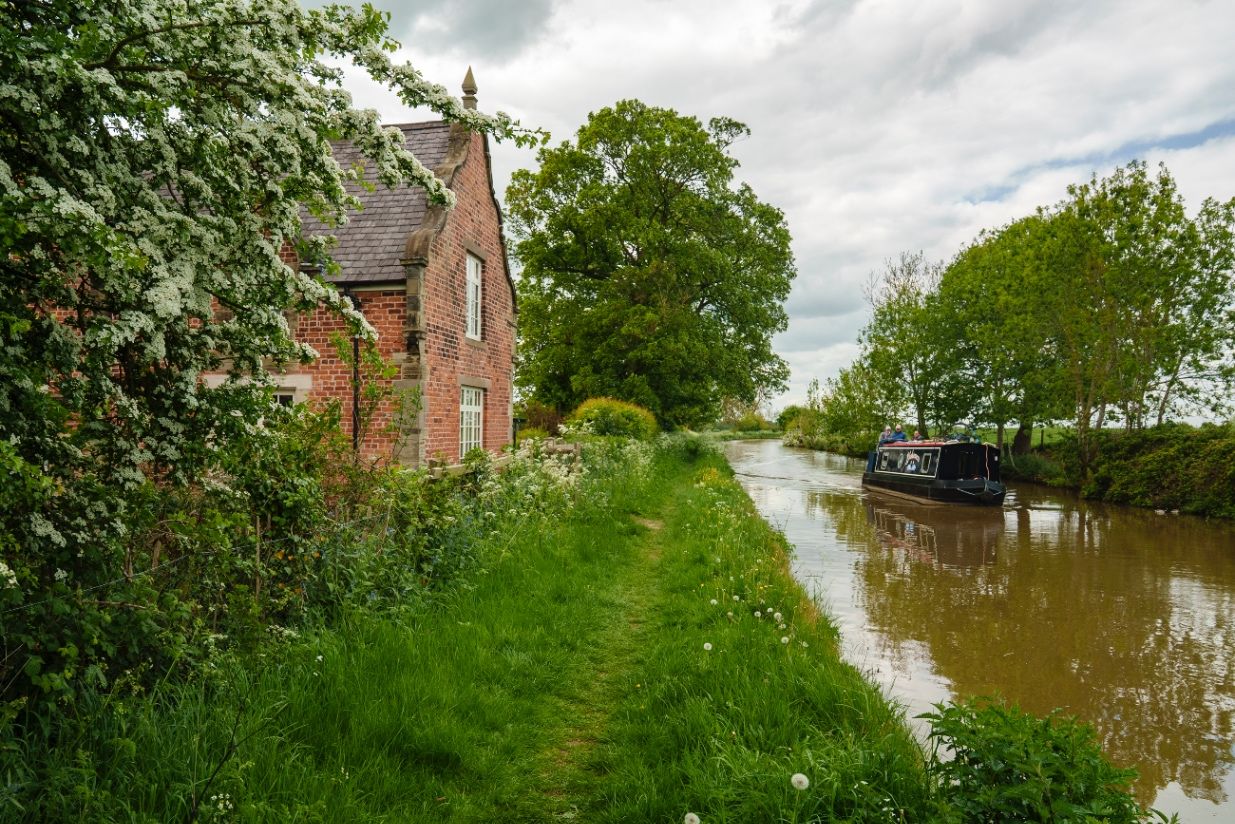
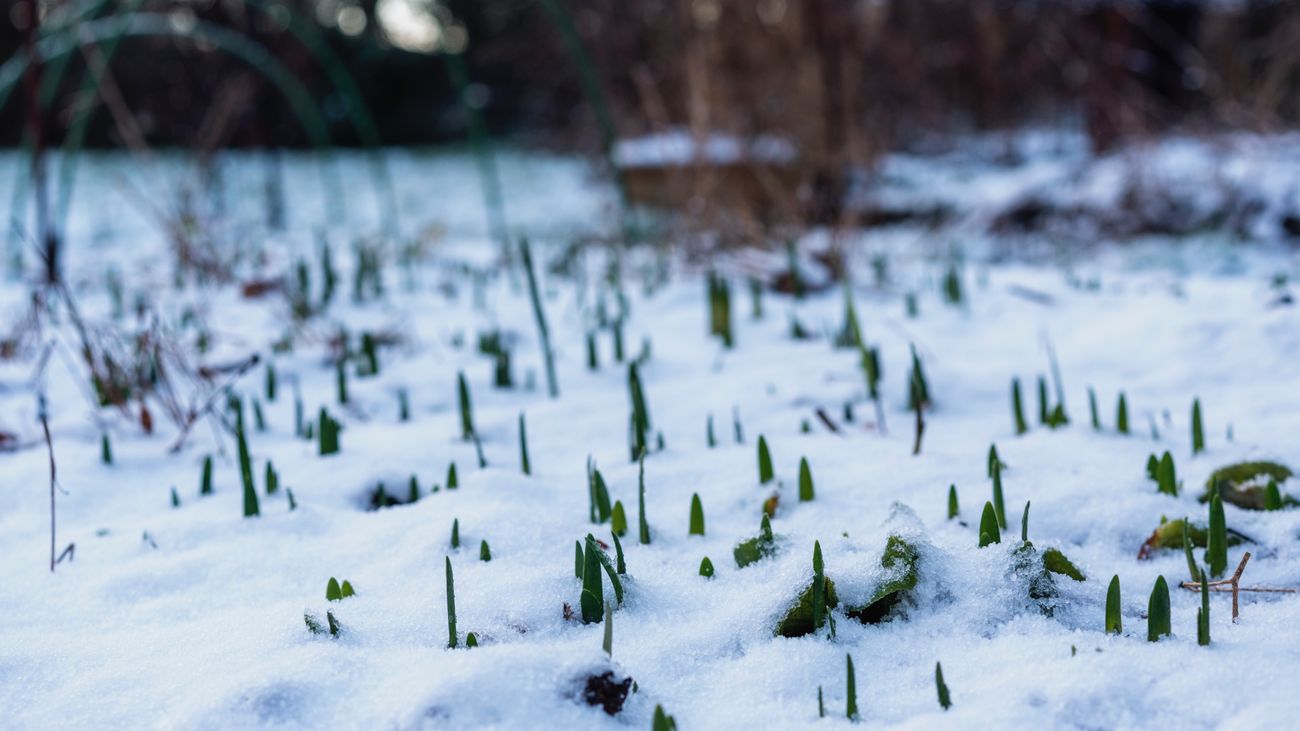
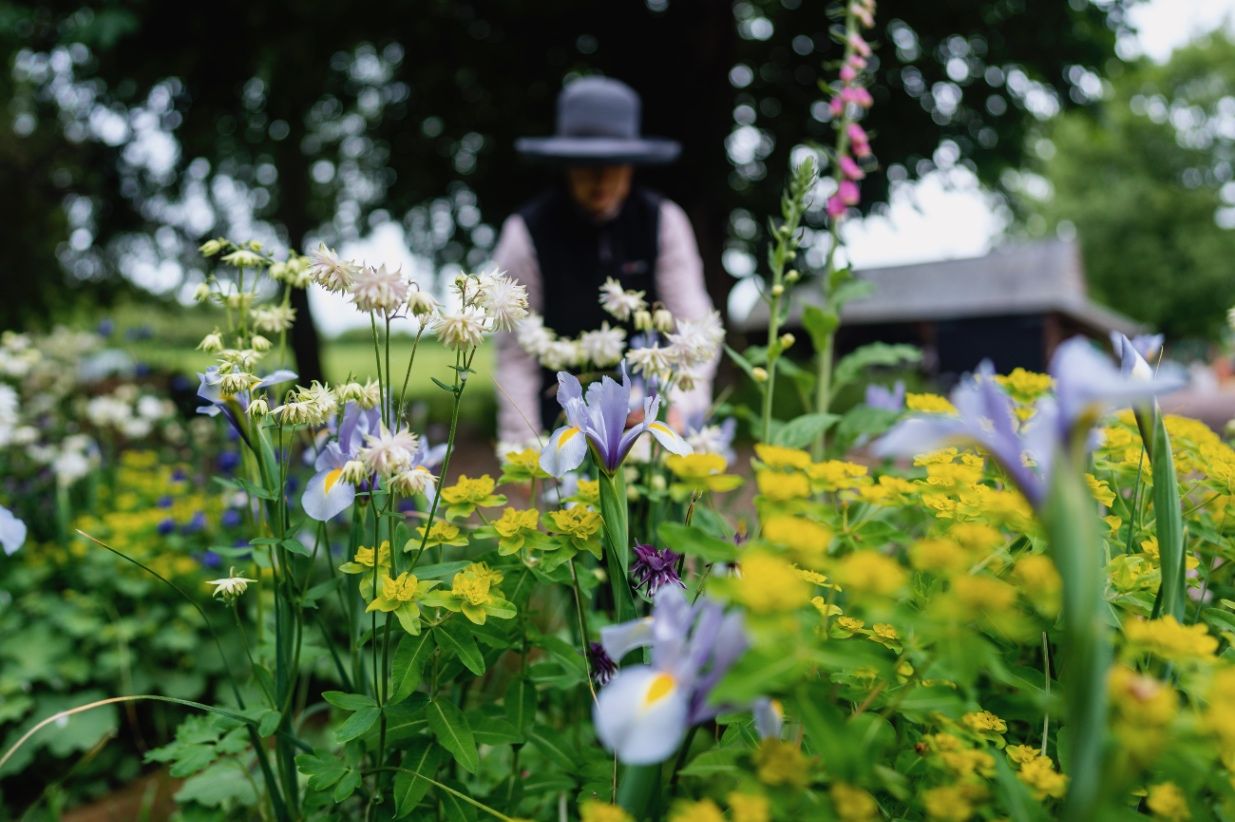
Right now, flower growers up and down the country are planning and plotting. Whether you are thinking about what seeds to grow, or choosing plants, focusing on those that support pollinators is a perfect place to start planting your paradigm shift. With Beltane, the ancient beginning of summertime, starting on May 1, there will be no grand campaign to tidy up here either. We watch as birds bounce on seed laden branches sending ice splinters flying. With plenty of winter weather left in all likelihood, we'll be leaving the less than tidy flower beds filled with slightly scruffy but scrumptious stems.
Truth to be told, I have long understood that ours is an unconventional kind of British flower business. Agonising about cutting flowers when the wildlife may need them more is slightly counterintuitive to common practice. Honestly, I did intend to use my Phacelia tanacetifolia as a green manure until I saw those purple flowers buzzing. The digging in never quite materialised but the insect life thrived. After I saw the cost of buying in ladybird larvae as a naturally pretty but voracious predator, I started to help the ones that were here by temporarily rehousing them in our greenhouse, a sort of luxurious overwintering B&B if you will. Natural, eco-friendly and economic, year on year, their numbers are increasing.
Specific suggestions for shifts in planting a new paradigm
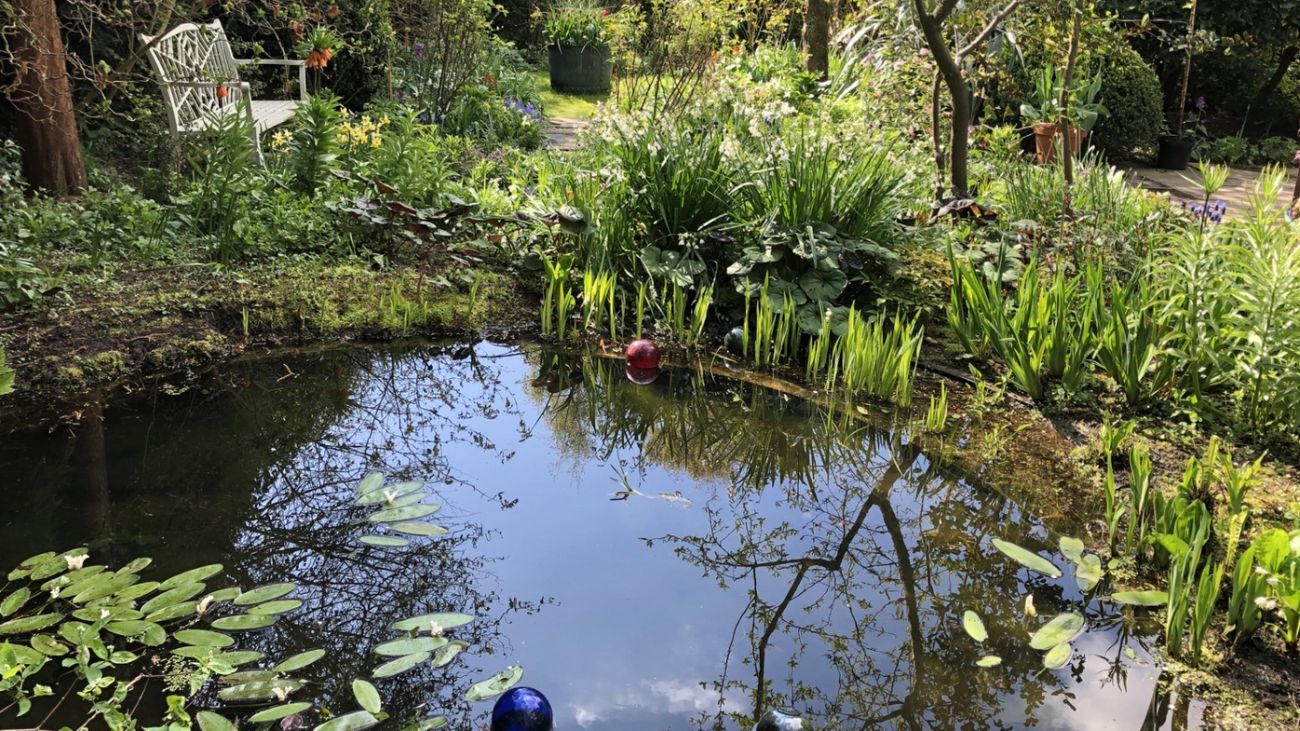
Planting a paradigm shift does involve compromise, however, the good news is that planting a paradigm shift can mean literally doing nothing at all. The edges of our cutting garden are kept deliberately wild. This is our alternative plan to bird feeders and although not feeding the birds may seem counterintuitive, the rats love those feeders as much as the birds do.
In a return to our ancestral Celtic roots, we're foraging, as well as cultivating, medicinal herbs. Planting a paradigm shift is about caring for and cultivating what grows well around you, including growing your own green pharmacy. We gathered lemon balm and mint for teas, froze blackberries for compotes and made rose hip syrup for vitamin C. Jars of spring dried nettles, still needle-sharp, provide a much needed winter tonic together with our first ever batch of fire cider, for medicinal purposes of course.
While everyone advises planting a tree, my advice is to look after your existing ones, however old. With a prop against the westerlies and a fleece over the blossom during last spring's late frost (even mother nature needs a hand now and again), we had a bumper year. Bottles of apple cider vinegar are stored in the cupboard with more fruit left over for apple pies. The birds feasted on what was left, their Angel's Share.
The canal has been ice cold and frozen solid. Ironically, nature now thrives where Telford's industrial engineering cut canals into the landscape. There's a lesson in there somewhere. Soon “the cut” will be billowing with cow parsley and meadowsweet along the towpath. Swallows will swoop, drink and dance as only they know how. If we are lucky, the turquoise flash of kingfisher blue may grace our cutting garden again. I gasped then cried last year. Nature is her own inspiration for a paradigm shift.
Experimenting with the universe
No casual consideration, planting a paradigm shift for any garden is a blend of science and art. Both are needed. Both are necessary. When we experimented with biodynamic planting, we saw significant signs, you'll pardon the pun, of improved growth with the moon's cycles. Why not bring all that cosmic energy to bear was my thinking? Even if you don't see any efficiencies, which I am confident you will, you can revel still, as we did, in the indolence of unfavourable days, those days when biodynamics advises you do nothing at all in the garden. It is permission from the universe to have an official day off. The timing wasn't always great but the joy of time off was!
Aiming for the holy grail of self sufficiency, our paradigm shift for growing food as well as flowers has been underway here for some time now. We're still eating our crop of potatoes stored in thick paper sacks. Food is interplanted amongst the flowers and herbs, all beautiful, edible, scented and chemical free. So as well as seasonal produce with both cost and health benefits, avoiding monocultures of planting is great for biodiversity and disease management.
Planting for scent and season is at the heart of a sustainable floral paradigm shift too. Growing perennials is also perfect for flowers that return year on year. A bride still enthuses about the scent of apple mint in her bouquet that carried her up the aisle during lockdown. The florist in me always feels true seasonality is such a fundamental part of creativity. You don’t need endless choice. What you do need is endless imagination.
What next?
We've come to accept over the last few years that control is an illusion, an outdated mode of thinking. Our paddock next to the canal is surrounded by open Cheshire dairy land. I have no more chance of stopping the wildlife than I do of stopping climate change on my own. But maybe, just maybe, there is something in small deeds enacted by large numbers that can catalyse change and a much needed dose of hope. Following advice from Arthur Ashe, the great American tennis player, we have been inspired to start planting our own paradigm shift. "Start where you are, use what you have, and do what you can" is perfectly practical and rooted in doing.
Watching wildlife struggle and habitats being lost, you may think that climate catastrophe is inevitable. But a garden is nature, we are nature, and nature always nurtures hope. Do you believe your garden can change the world? I do. I hope you’ll think about planting your own paradigm shift. Who knows? It really could change the planet’s temperature needle.