Reservations Required: A Visit to Les Jardins de Quatre-Vents
It's never too early to plan a garden visit, particularly if the garden is only open four days a year.


People have been visiting gardens since ancient times. By the 18th century the garden tour was a well-established pursuit, so popular that a mere three years after the end of the American Revolution Thomas Jefferson, frustrated with the pace of trade negotiations in London, armed himself with a copy of Whately’s Observations on Modern Gardening, and embarked on a spontaneous tour of English gardens.
I like to imagine Jefferson, who later coerced his great friend and fellow gardener John Quincy Adams to accompany him on garden visits, arriving unannounced, Whately in hand. At the time, according to garden historian Andrea Wulf in Founding Gardeners; The Revolutionary Generation, Nature and the Shaping of the American Nation, there were no fees for admission. All in all, despite being a popular pastime visiting gardens was a somewhat casual endeavour. Not so, anymore.
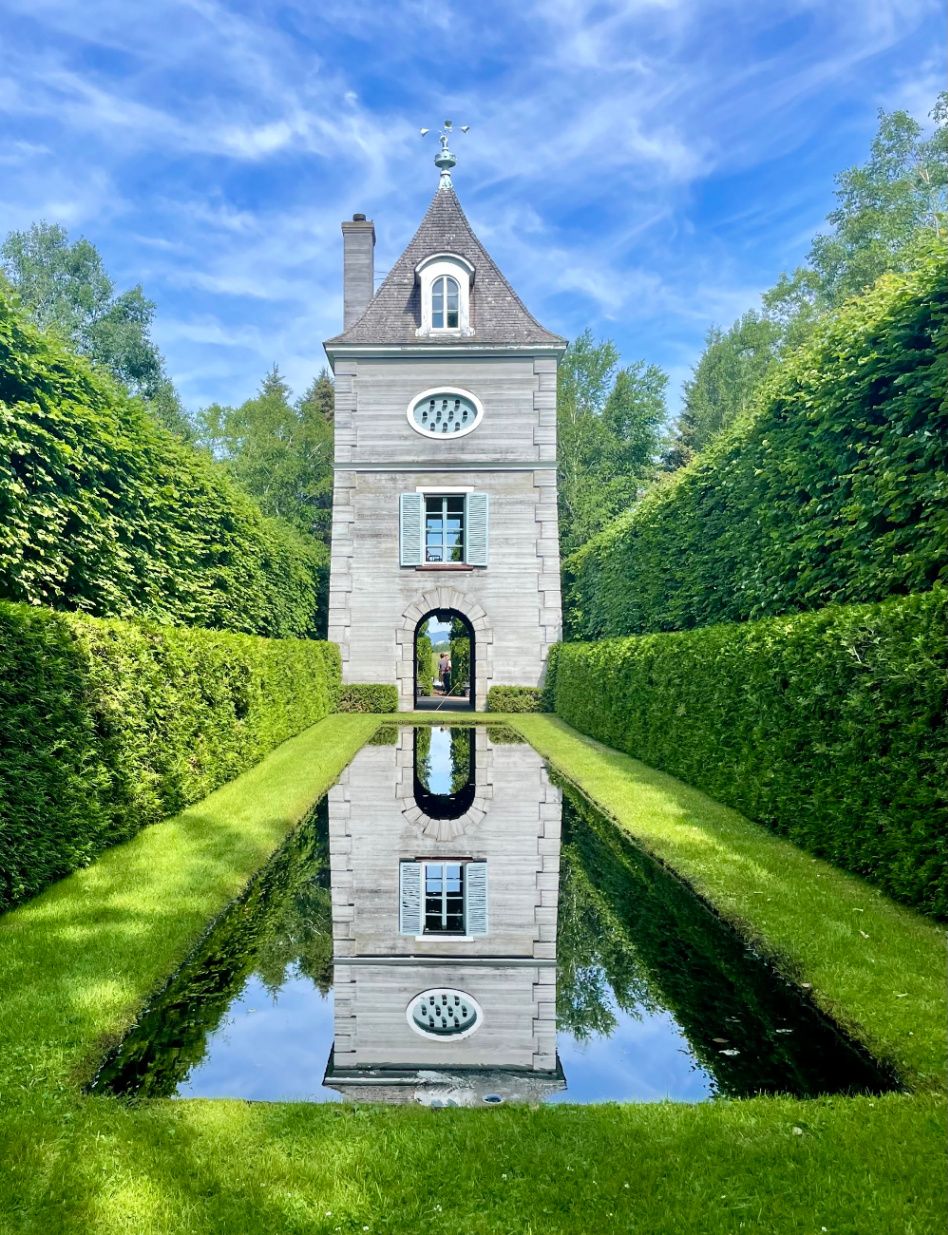
Described as one of the world’s most breathtaking gardens, Les Jardins de Quatre-Vents (The Gardens of the Four Winds) is open to the public only four days a year. The gardens were designed by Frank Cabot, the subject of the 2018 documentary The Gardener, and the highly coveted tickets to visit are sold online only one day a year. Snagging a ticket (particularly in English, as only four English tours are offered on each day) is akin to a small miracle. Which, armed with two computers and aided by dumb luck, I managed to achieve.
Located north of Quebec City on the upper shore of the Saint Lawrence River, visiting the gardens is not unlike obtaining a ticket. It requires a bit of forethought and planning as the charming community of La Malbaie has limited accommodations and just about everyone I met was there to visit the gardens. I was surprised to see how far people had travelled – in my cohort there were people from California, Washington, D.C. and the Pacific Northwest. Visiting is a huge commitment, and one can only imagine arriving in a torrent of rain.
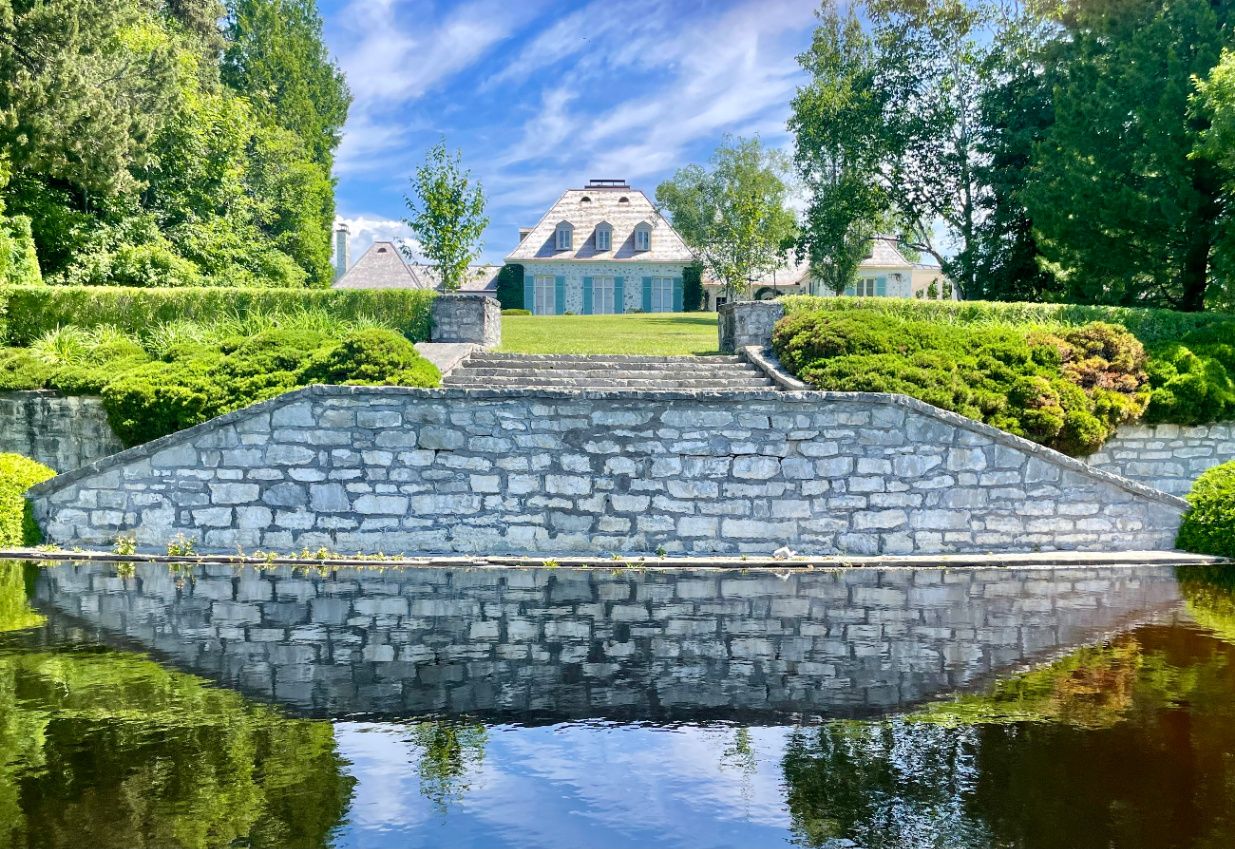
In a delusional attempt to experience the garden without a lot of people, I opted for the first tour of the morning during the one day in June the garden was open. And to be fair, the volunteers from the Ecology Center in Port-au-Saumon who conduct the tours did an admirable job of keeping us garden tourists moving along.
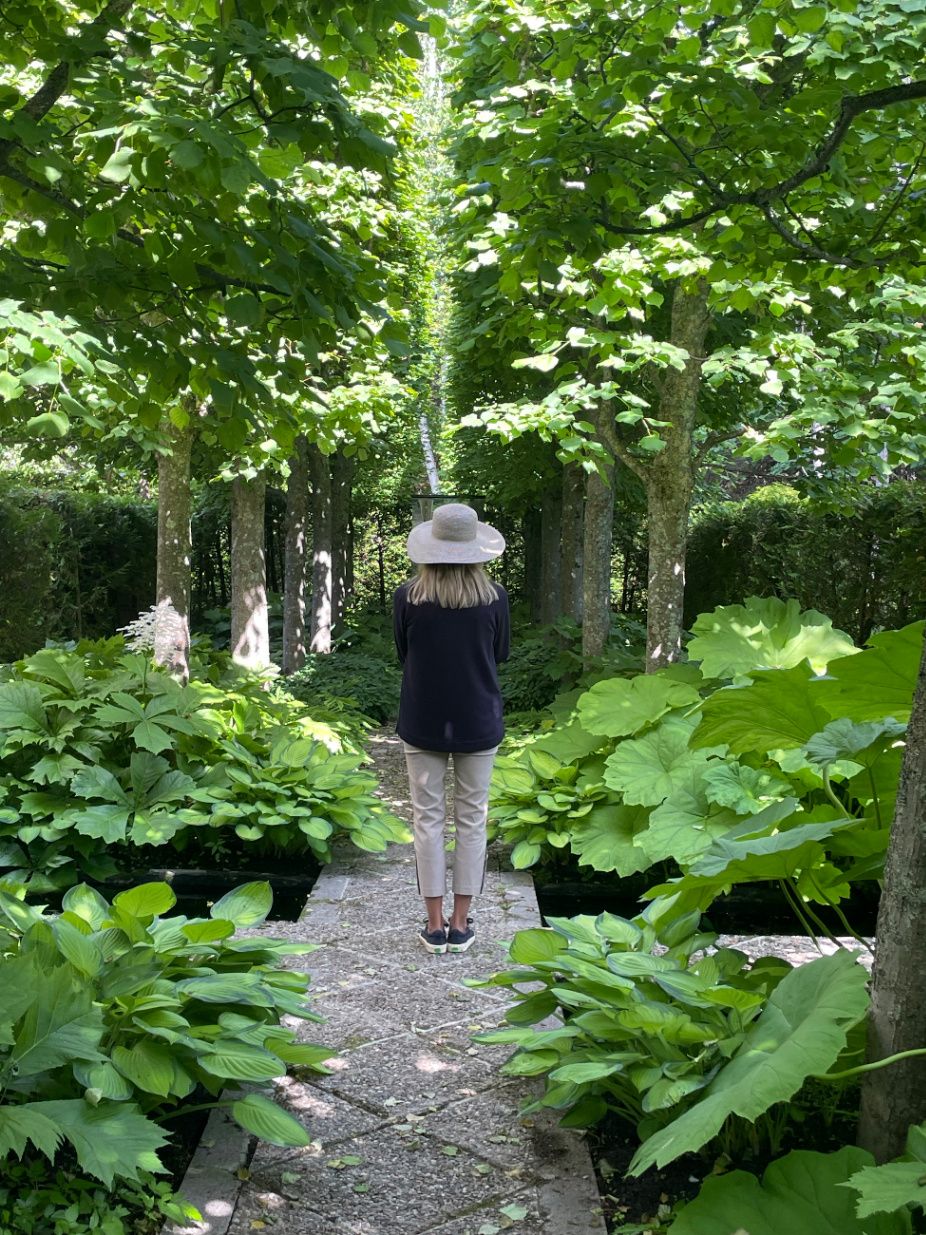
It took Cabot seventy-five years to make the gardens, a process he describes in the recently reissued, The Greater Perfection: The Story of the Gardens at Les Quatre Vents. And while I would have clearly wished for more time, his musings that the garden has aspects that might interest one visitor more than another rang true. Particularly for those of us who lingered behind trying to get a photo of a particular view or feature without anyone in the frame.
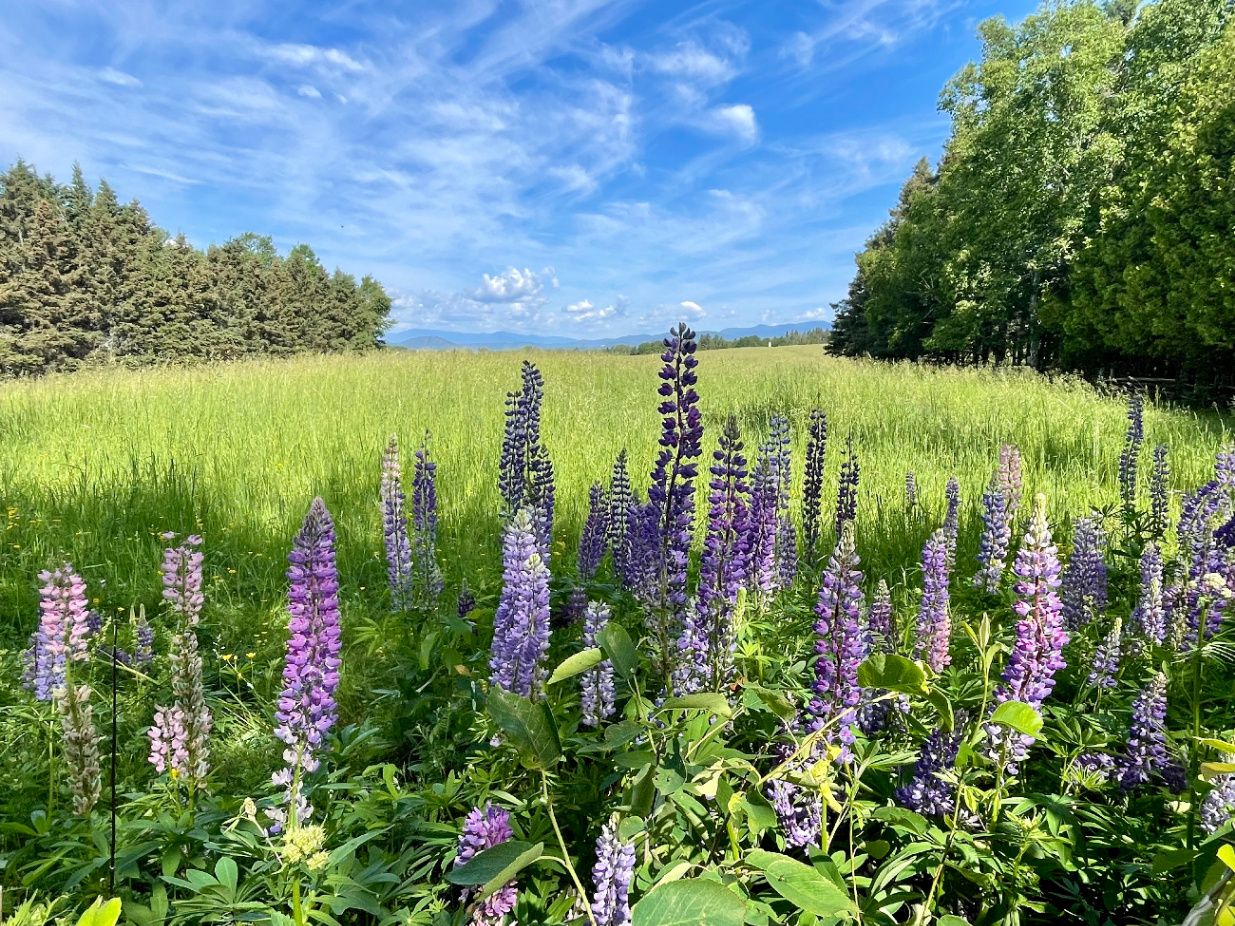
While the Pigeonnier Gardens with their iconic tower and reflecting pool (based on Bodnant in Wales) may be the garden’s most well-known and photographed feature, there are other garden elements to enjoy, many of them less formal. I visited in June while the lupines were in bloom and these, along with the woodland primroses (a particular obsession of Cabot), were mesmerising.
Les Jardins de Quatre-Vents, like so many other famous gardens, was a highly personal endeavour and is deeply rooted in place. Its combination of formal and informal elements maintains a dialogue with the surrounding landscape with intimate spaces that are richly layered with horticultural diversity. Cabot, a hands-on gardener, was prone to “borrowing” ideas from his travels. These influences can be seen throughout, including in the Japanese Garden which despite Cabot’s belief that in principle Japanese gardens do not translate well outside of Japan, he spent ten years building at enormous expense with remarkable success.
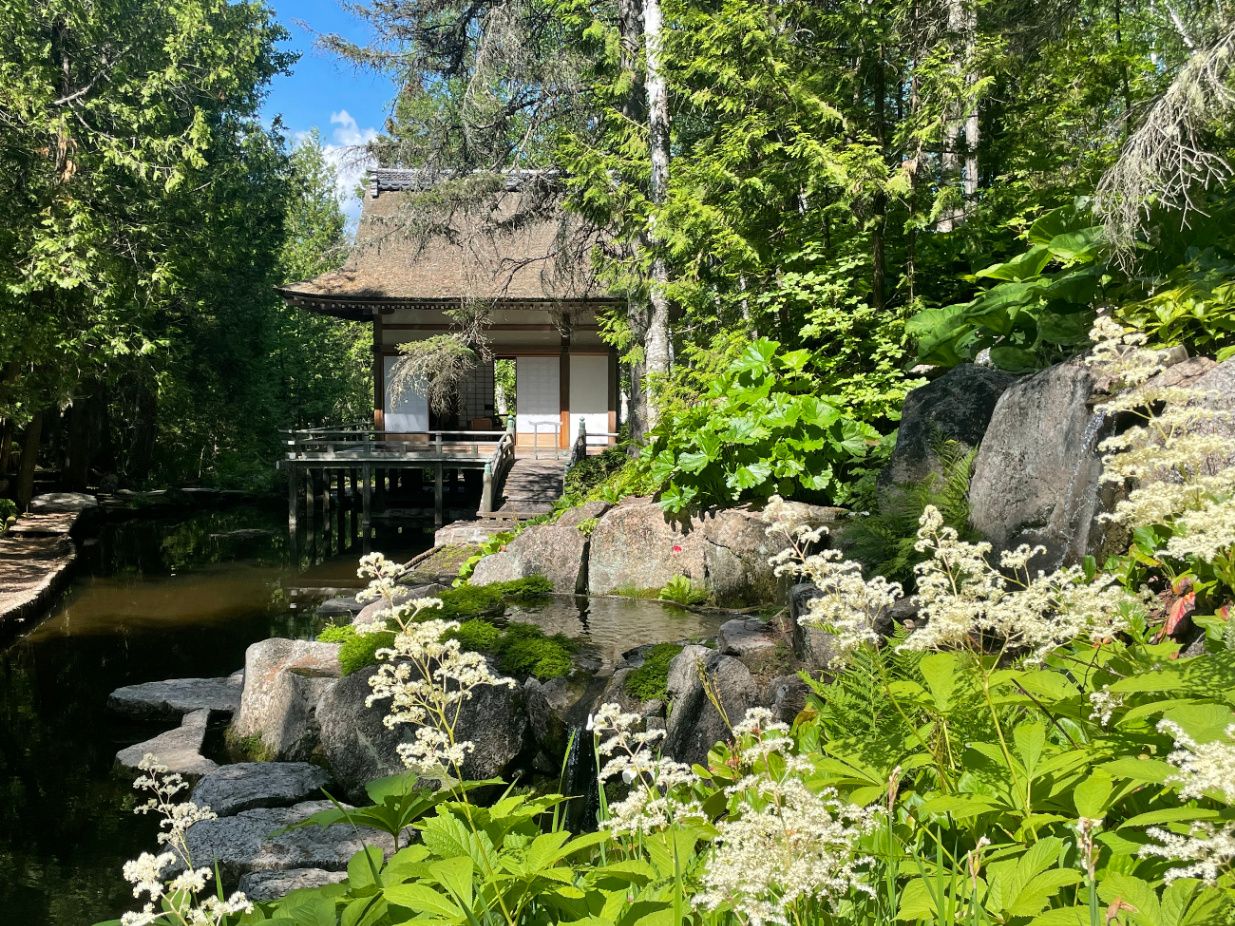
Cabot believed that emotion and sensibility combined to create meaning in the garden fostering “an inner peace… and sense of communion with those who are no longer with us and those whom we love.” As a founder of The Garden Conservancy, a non-profit organisation dedicated to preserving and promoting notable American gardens, his vision resonates beyond Les Jardins de Quatre-Vents to the preservation of more than 100 gardens and their creators.
While much has changed since Jefferson and Adams embarked on their garden tour, the insatiable desire to explore “the spirit of the place” in situ remains despite the complexities of doing so. This year tickets go on sale for Les Jardins de Quatre-Vents on February 28th.