Secrets of the Allotment: Love, Loss, and Leeks
A pithy short story set against the mulch of a familiar allotment. Join Charlotte as she navigates trenched leeks and earns a burgeoning respect from the old timers. A five-minute read with a twist in the tale!

The compost heap was ready to be turned again. It had simmered gently for the last month, watered every few days and feathered with layers of Amazon cardboard. She was fastidious in her attention to it, and began each session with intense scrutiny of their progression. Too wet? Too dry? The optimum was a moisture level of around forty per cent according to Gardener’s Question Time, with lots of aeration. It was a commitment, she thought. Perhaps the addition of a wormery would help?
The heap had taken several pallets and a whole weekend to create, much to the amusement of the old timers in nearby plots. Charlotte had been oblivious. She’d shifted the pallets one by one from the local B&Q, strapping each one in to the back of her little car, washing line securing the boot as far shut as it would go. Lugging each one past the society shed, several pairs of eyes had surreptitiously followed her back, struggling in the embrace of rough wood. Each one laid bets that by the time the early potatoes were ready, she’d pack it in.
She hadn’t.
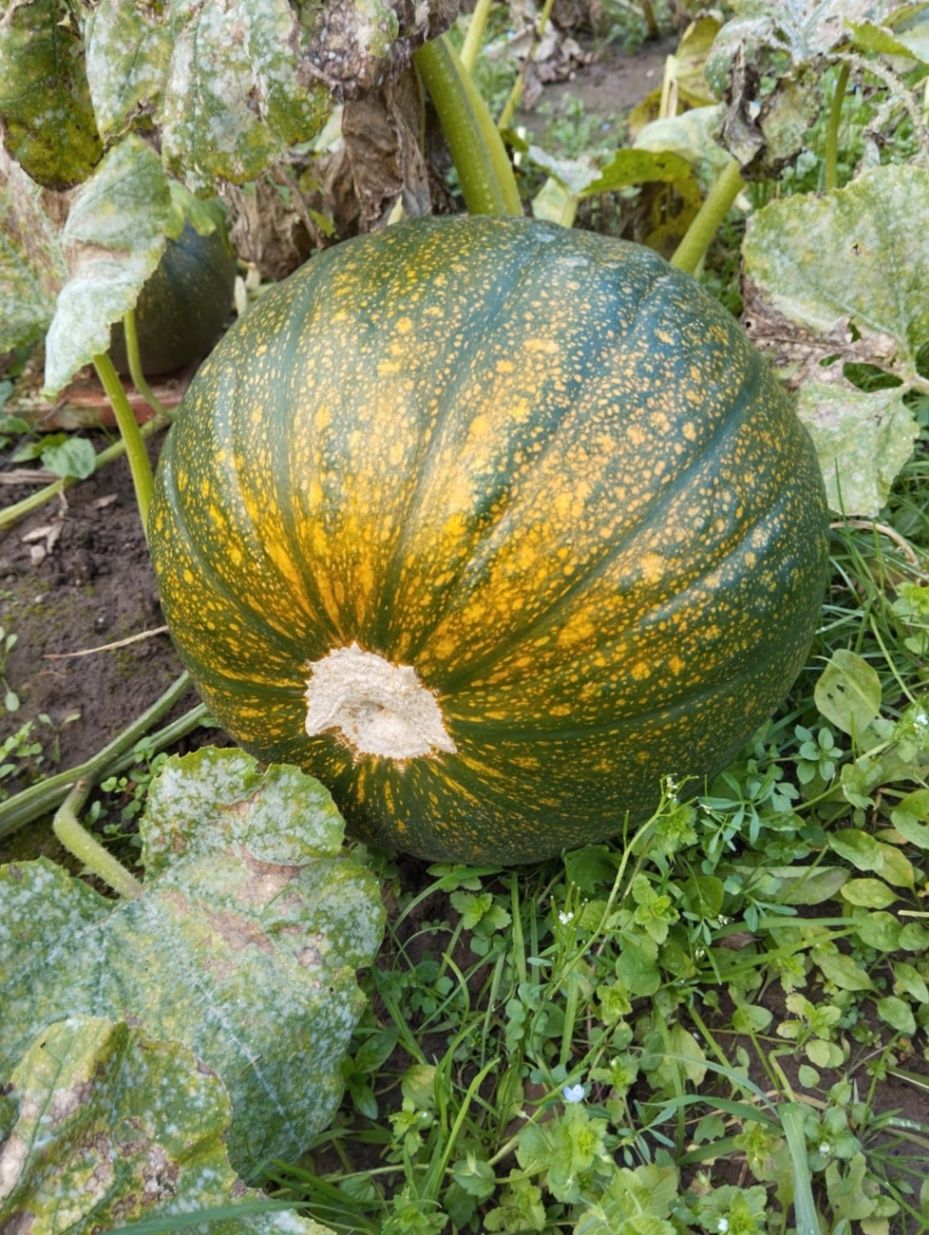
Instead, she’d dug her heels in and, ear buds and conversation always mid flow, she’d built up a respectable compost heap, raised sleeper beds of fresh lettuce and radish, bent canes in origami shapes to accommodate French beans and grown eight pumpkins ready for Halloween with, ‘Not a man in sight!’ There were mutterings of witch craft from the society shed, but no evidence available. Now in to her third summer, she was a familiar anomaly trudging to and from her plot, accepted as an outsider and healthily ignored but begrudgingly respected. ‘Needs an ‘usband, that one.’
The village allotment was at the heart of the sleepy community. It was older than the pit that had employed generation after generation beneath the claggy soil, and as old as the patchwork quilt of hedged fields that now housed commuters. Plots were handed down from father to son, a coming of age for one, and an end of life passage for the other. Courtships had been seen and celebrated with additional hands in soil, hours in all seasons laid on wire trays in garages at harvest time and to be preened over at the local shows. Dusty rosettes and dog eared place cards marked achievements across the county. There was something magical in the soil, they said.
It was rare a plot came available.
Mr Scraggs, retired Ironmonger/local Organist, up and died, inconsiderately leaving no heir apparent from any of his eighty four years of local dalliances. According to the congregation of the Red Lion and one (or several) of the Women’s Institute, he’d been firing blanks due to a nasty case of mumps as a youngster. At the same time, the local borough council had opted to increase the rent for the allotment site as a whole.
Not one of the old timers had foreseen any outsider putting in a ‘bid’ in their newsletter auction for Scragg’s plot, but from somewhere, she’d appeared, paying handsomely for it. Rumour had it at two hundred and fifty pounds per annum plus the monthly fee, but Derek-the-Elected-Official (Plot Fourteen) remained tight lipped, neither confirming nor denying. Truth be told, she brought a bit of interest to that end of the allotments, and one or two of the old timers had given her a begrudging nod upon occasion, but never with an audience.
Forty plots over, Mark the widower was bent double preparing his raised bed for October’s marrow. A half-gallon drum of chicken waste pellets sat next to a thermos of coffee, a gilet hanging off the top of an upright fork, and a ball of twine relaxed at his feet. Classic FM seeped gently from a small wooden shed behind the naked potato bed, surrounded by an armoury of water barrels and complicated, but immaculate, drain pipe system feeding into them. The smell of watered chicken dung clung to the air.
The widower was eight years into the process of being single again. He’d lost Helen after a nasty battle with a cancer that he couldn’t forgive, leaving the pair of them ravaged. It had taken almost five years to cleanse the wardrobe and remove the perfume bottles that had cluttered the top of her side of the dressing table. The bookshelves now lacked the crime thrillers and Harry Potter titles that saw her queue outside Waterstones at midnight but he’d never been able to throw them out, just hid them in the attic space above the garage. It was hard, but he'd learnt to function, rattling around the house and escaping to the allotment for vast stretches of time, closed off to the potential of any interaction that reminded him of living. He and Helen had never lacked conversation but that wasn’t the intimacy he craved now; it was the physical act of ‘doing’ something, anything, together, in what had always been a companionable silence.
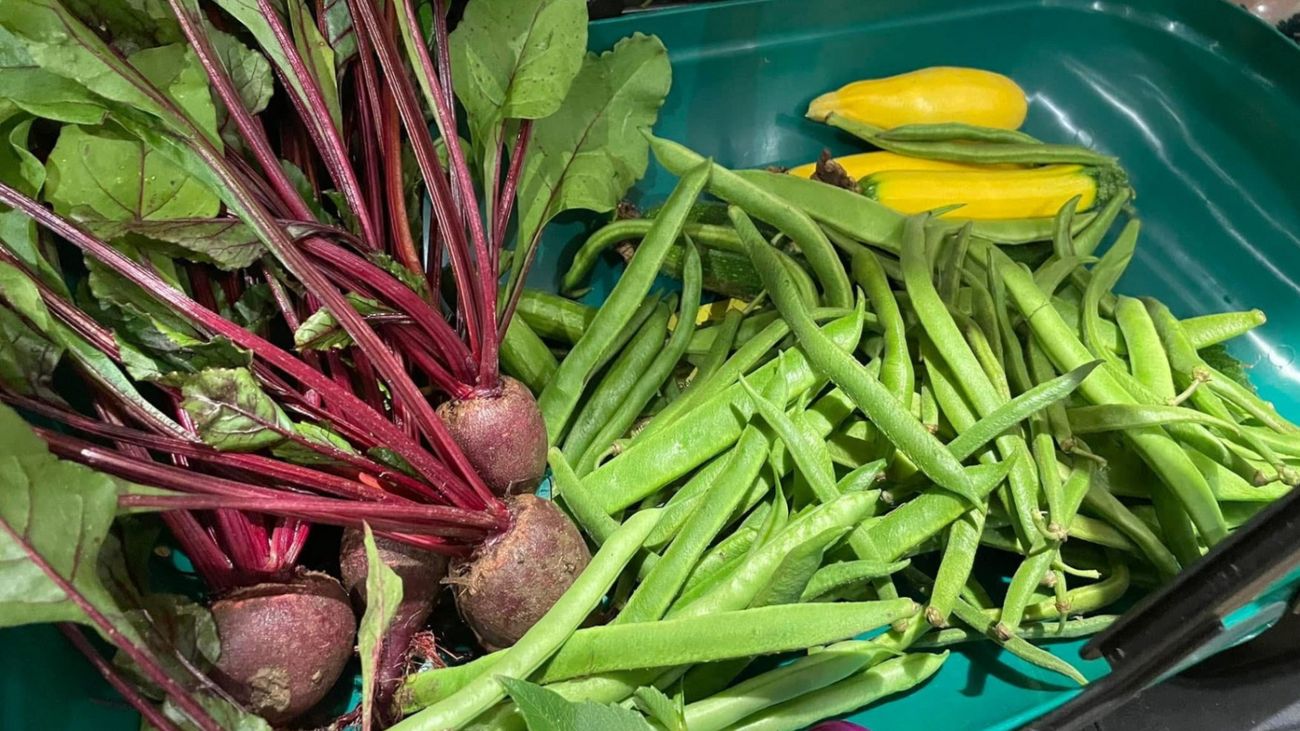
In her plot, Charlotte was busy transplanting. She’d recently exchanged pumpkin seedlings for leek babies via a clandestine exchange left on the bench outside the social shed. Old timer #plot three had prescribed the growing of the leeks in toilet roll tubes and then ‘watering in’ to ensure the teenage leeks were afforded room for a growth spurt and rebellion, but remained on the straight and narrow. She’d never grown leeks before but was very partial to making soup when stressed, so the thought of a potato and leek combination appealed.
Since Jack had gone, she’d half-filled the chest freezer in the garage with bricks of soup - vegetable, tomato and a carrot and coriander that looked like mud but tasted beautifully fresh. The other side was a pilgrimage to Meals For One. When she got to the top of the left hand freezer side, she packed the bricks into boxes and dropped them on the church steps, cardboard dampening until the vicarage cleaner discovered the most recent sacrifices from the vegetable fairy.
His loss had been hard on her and for first couple of months, Charlotte had believed he’d come back eventually, like the heroine in a chick lit book. She’d run to embrace him, white dress and hair flowing behind her – they’d raise a brood of taggle headed kids, or goats, or a bed and breakfast, and live happily ever after. But he wasn’t coming back, his brother Matt had explained again, as he’d collected what was left of a life abandoned: ‘Sometimes you just don’t know what is going on in someone’s head, do you? It wasn’t you, Charlie, it was just, you know, life…’
She’d watched the bags of donation clothes fill up his boot, even added to the pile herself, waterskis, golf clubs, old LPs, man mags of healthy living that he’d worshipped before. A PS3, an old Wii board and artists tilted desk. His Anglepoise lamp that had followed him from teen bedroom, uni bedsit to home office leant sympathetically against the passenger car window. She stared at the debris of him, of them, all chucked haphazardly in to the back of an old estate car and wondered idly just how depressed he’d been. She’d tried to remember if there had been signs, anything that indicated his intention to stop living, but no.
Her heart hadn’t really broken until Matt had pulled out of the driveway and she’d realised that she didn’t want to go back in to listen to the silence. Not in a house that had always been so full of their background noise, so she’d walked past the allotments and had an idea.
The morning was just under way as Charlotte, accompanied by Classic FM, pulled in to the carpark and flicked off her headlights. In the grey light, she fished her thermos, dry gloves, snack bar and charging block from her passenger seat, swept them in to a canvas bag and zipped up her fleece against the chill. Seeing the broad frame of another allotment dweller ahead of her, she picked up her pace and met him at the tall gate as he picked out the combination to the lock, swung it open with an arm over her head, and nodded her through.
Charlotte trotted off down the pathway to plot seven, opened the shed and traded bag for her hoe. In merriment, she chuckled to herself, ‘Who are you calling a hoe, hoe?’ and began to weed. She had a couple of hours before starting her call centre job and was adamant she was going to make a dent on the strawberry bed.
On the other side of the allotment, Mark had unlocked the shed, turned on the radio and sank into the faded deck chair that welcomed the first coffee of the day. He’d just finished nights and needed a well-deserved nap before picking the latest crop of courgettes and spraying the white fly. He had a couple of phone calls to make later, but right now the chair felt good.
Two hours later, the strawberry bed cleaned, onions watered, sweet peas clipped from her cut flower bed and the daily pilgrimage to the compost heap approaching, Charlotte checked the time and switched her phone on. The calls were forwarded from the dingy offices in Handsworth Wood, and screened for customer need. Within seconds, a call came through, and Charlotte made her way to the compost heap, pushing her wheelbarrow.
‘My name is Geoff, are you being a dirty girl? I want you to be dirty,’ a male voice fed through her earbuds, sounding distinctly out of breath and with a backdrop of traffic noise.
‘Oh baby,’ grunted Charlotte, red in the face and breathlessly turning over her first big forkful of horse manure to work into the compost heap, ‘you have no idea – I’m a filthy girl! Filthy! I’m hot and I’m bothered…’ She peeled off the top layer of fleece and dug the fork back into manure, just another day in the office. With luck she’d finish both her caller and the heap in record time before her next client, the quiet man.
At the other end of the allotment, Mark had roused himself, drunk a cup of coffee and was now ready for his one interaction with society for the day. He’d stumbled across the service in the early days, liking the familiarity of being able to request the same voice at the end of the phone for an extra pound per minute, not bothering to speak at all for the first few months, but growing increasingly dependent upon the companionable silence as he pruned, trimmed, dug and turned.
Birds sang in the trees, an aeroplane flew overhead leaving white trails in the blue sky and in the distance, the soft white noise of traffic hummed gently. Across the allotment, it was quiet but for the odd strike of metal hitting stone, buzz of rainbow windmills, rustle of leaves, of growing potential. Charlotte’s phone vibrated.