Start small, go slowly
Jane Perrone describes how heatwaves, burnout, and health struggles have turned her once-joyful garden into a source of stress, and shares five things that helped her recover and reclaim it as a source of joy.

There’s an episode of the classic sci series Star Trek set on a mining planet called Janus VI where a lava-like alien racks up a considerable death toll. The workers had all been ‘burned to a crisp’, the locals tell Kirk and Spock. I’ve found myself wanting to use that exact same phrase about my garden recently: perhaps you have, too?
As the UK swelters under its third heatwave so far this summer, my garden is suffering. The lawn, certainly, is burned to a crisp: the borders, little better. I have written on the Garden Collective before about how my plot has extremely free-draining soil. Despite adding oodles of organic material to my ground over 15-plus years, extended periods of drought brought about by climate change mean it is getting drier and drier. And planting and design choices that I made over a decade ago (among them raised beds and trying to grow - don’t hesitate to chuckle at my naiveté - Hydrangeas) now seem foolish.
My garden is burnt out. The trouble is, so am I.
I’ve been suffering with migraines for years, but they started piling on with no obvious triggers in recent times. It has taken years of trying out different medicines to finally gain access to the latest drug that actually stops my migraines before they start. This migraine bout coincided, not by chance, with going through perimenopause, and a period of career instability, all of which combined has left me feeling, to quote a phrase much-used by my mother, “like a broken reed”.
It’s only since the migraine drug has kicked in that I’ve fully realised that the technical term for what I’ve been experiencing - reeds aside - is burnout. It was only when I started to feel better that I realised how I’d been affected. I’d stopped making social plans because I was exhausted and fearful of kicking off another migraine; I found it hard to concentrate and I stopped looking forward to things I’d normally enjoy. (This list of symptoms from Mental Health UK helped me reach that conclusion.)
We’re told that gardening is great because it makes you feel good. But I think it’s vital to acknowledge that for me at that moment, rather than a source of joy, the garden became a source of stress. All I could see were the problems: brambles snaking out of the hedge and snagging on my clothes as I passed; the sumach runners that insist on popping up behind the greenhouse every summer like that annoying person at a concert who won’t sit down.
It’s hard to see the bigger picture when you’re burnt out, but as my migraines have come under control, I’ve been able - very slowly mind you - to begin to reclaim my joy of gardening. Here is what I have learned along the way to recovery.
1. I started small and forced myself to go slowly
I am one of nature’s rushers. Perhaps it’s down to years of working in breaking news journalism. This comes out in my gardening, in that I tend to throw myself headlong into something in the garden without planning or consideration. I’ll decide to repot every houseplant on my shelves, then get annoyed with myself when I don’t get it all done in an afternoon. Now, I try to make my gardening goals small and achievable: at the moment, I am working on one houseplant a day, rather than trying to handle all of them at once.
Yesterday I noticed that my two flame violet plants needed renovating. Rather than rushing to a conclusion about what to do, I spent time with these houseplants, combing over their leaves and stems, removing dead material and examining the roots with a hand lens. It was quiet, steady work, and enlightening too: I discovered this trailing plant had been collecting strands of my hair for some time in its tangled stems, which was somehow poignant, as like me, the plant needed rest and nutrients. Once finished I had a choice: satisfaction at what I’d achieved, or overwhelm when I looked at what is still to be done. I chose the former.
2. I allowed myself to potter
I used to have a lovely gardener who came to help me a couple of hours a week. She was extremely efficient: setting herself to a particular task and working away until it was done. I’d make her laugh because I’d start pruning a clematis, get half way through then she’d find me turning the compost heap or pulling up weeds. I wondered whether our brains were different, or if working at an hourly rate of pay as opposed to in your own space changed your gardening methodology. I suspect it was a bit of both. I now allow myself to embrace ‘pottering’, as it’s this kind of approach that soothes my brain. Provided, that is, that I stick to point three.
3. I stopped before I felt tired (after two minutes or two hours)
It’s vital to leave some energy for tidying up and putting tools away. Exhaustion can set in quickly, and leaving something unfinished or tools laying about only leads to further feelings of not coping.
4. I forced myself to ask for help: and to talk to other gardeners
No one else in my family is a gardener and if you’d ask them, they’d say the garden looks fine. They don’t see the problems: just an outdoor space they use sometimes. It’s really useful to remember that although I view the garden through a critical lens, they don’t: and they are more than happy to help with tasks like tidying the shed or fixing the compost bin. There’s no shame in hiring someone to help, either. You don’t get medals for hours spent labouring in the garden, after all.
And there is no better way to put things in perspective than to reach out to other gardeners in real life. Once you start to chat, it’s clear that everyone struggles, not everything grows and things sometimes go horribly wrong. What you realise by sharing your own woes with others is that, comfortingly, the universe hasn’t individually picked you out for a good kicking.
5. I remembered that the garden will survive
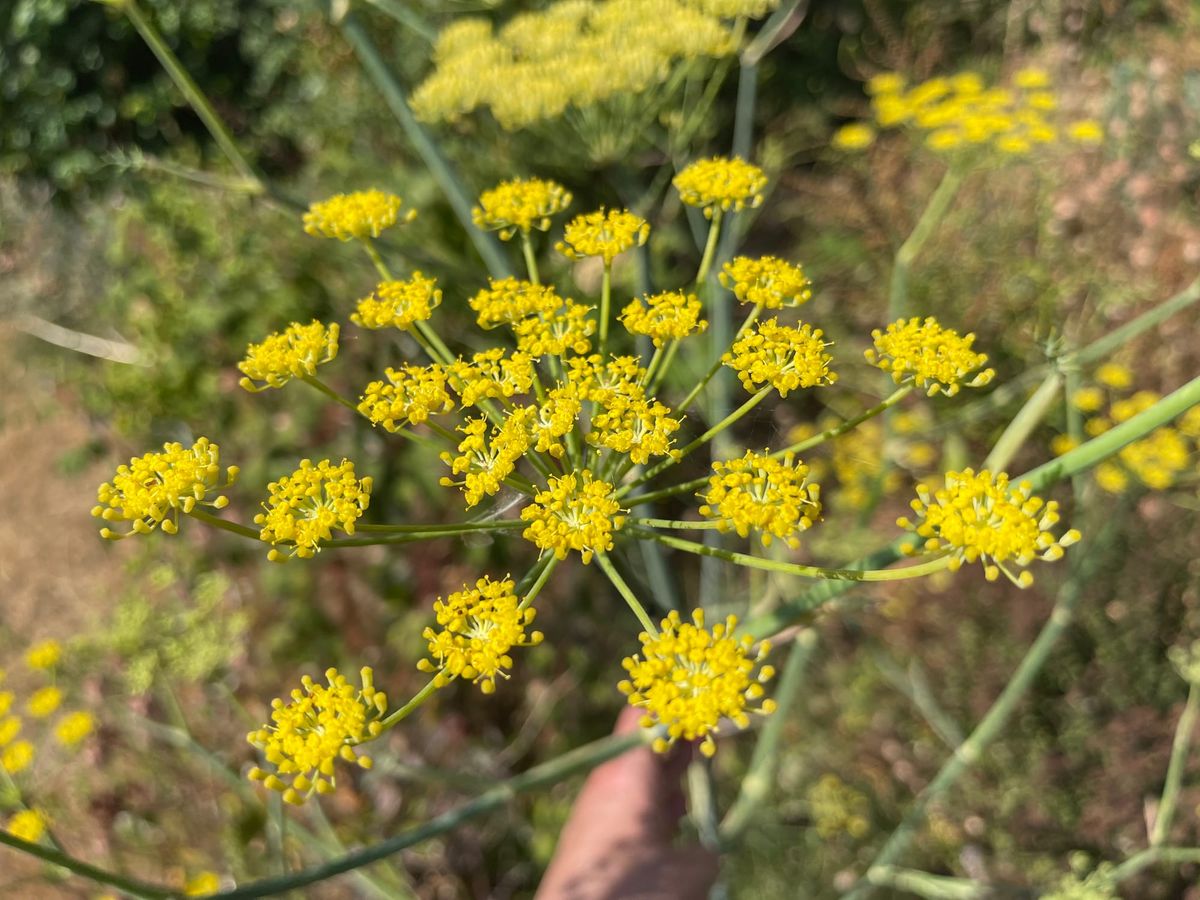
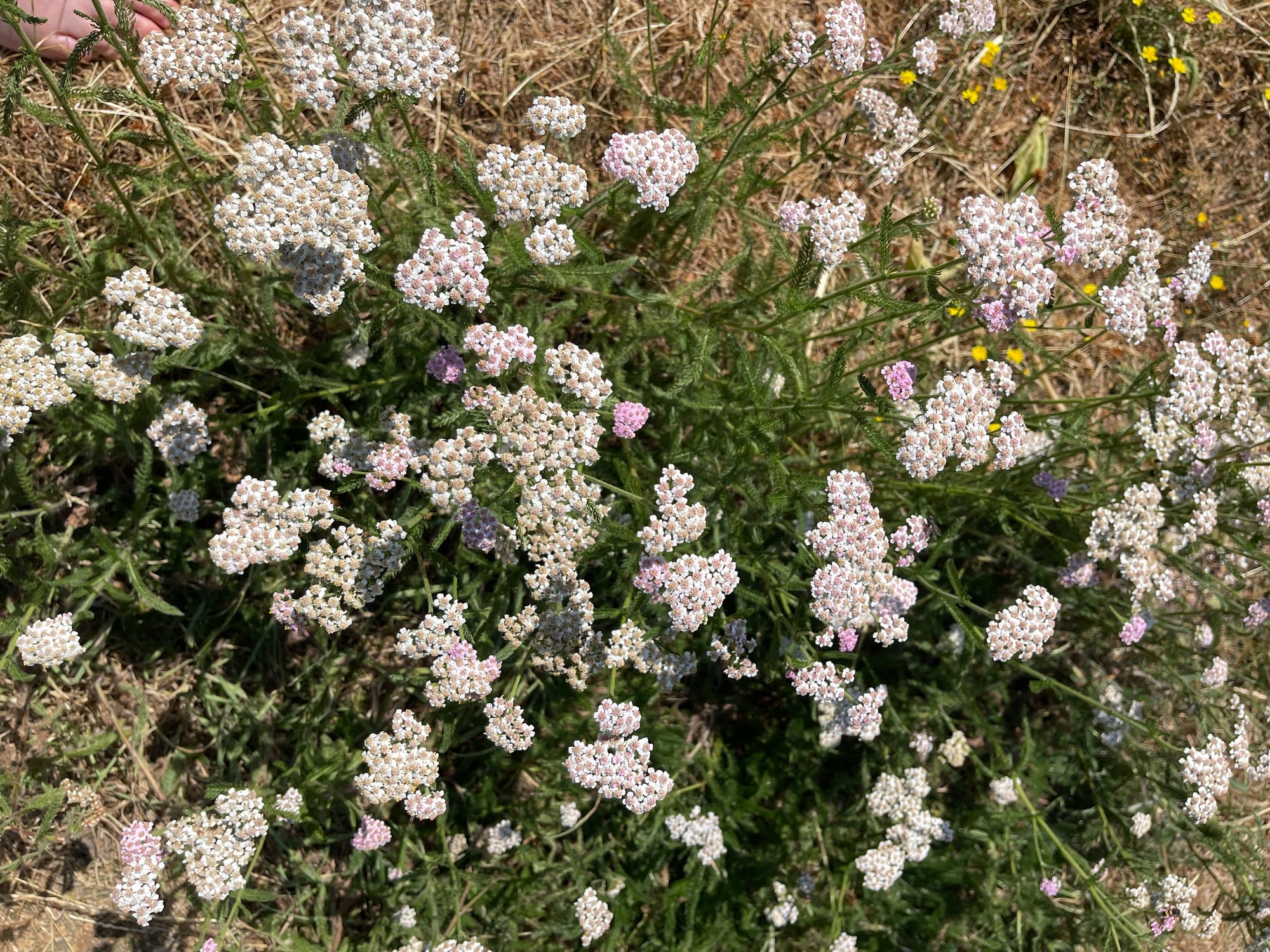
I was beating myself up about the state of my garden when a hedgehog turned up, rustling around among the fallen leaves and unplucked weeds. What I was defining as messy was actually a positive for wildlife. The yarrow that had decided to flower in the lawn and the fennel seeding in the path were full of pollinators. The birds were enjoying all the seedheads, and ladybirds pottered all over the place. It may not win any awards, but creatures are enjoying my space, and so can I - as long as I can start to switch off the narrative of failure my brain keeps trying to deliver.
I’d love to know if you have any tips or words of wisdom for me about recovering from garden burnout? Please do let me know.