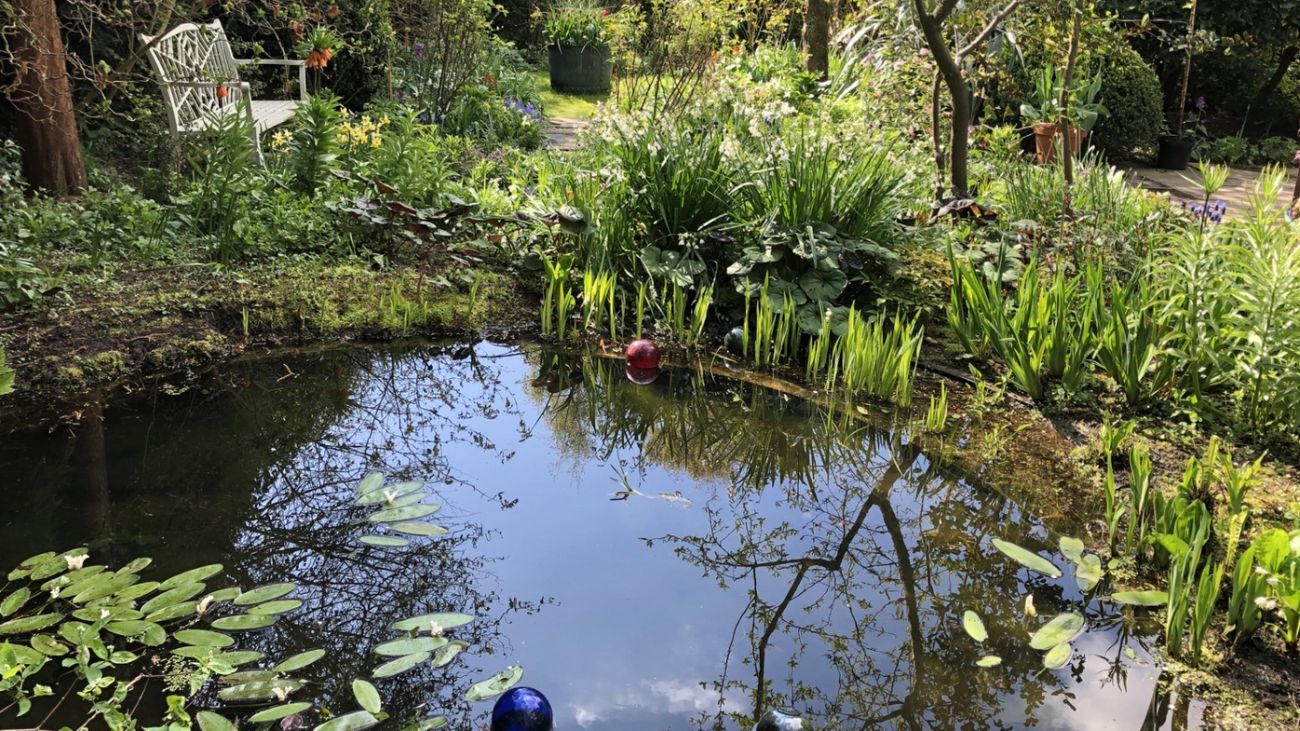
Tall Hedges: Is Privacy Overrated?
There are many good reasons to plant shrubs, and building a fortress for yourself isn't one of them.


There is an unusual square garden in central London which people go out of their way to enjoy when walking to or from Kensington High Street. It is private, accessed by a key, but it's generous: the low railings are unobscured, and there are views across to the other side, taking in some graceful old specimens, including a pocket handkerchief tree. Towards one end, a simple pavilion serves no other purpose but to catch the eye. Although there are many squares in west (and north) London that are all worth a detour, most of their central gardens are blocked from view behind heavy-handed hedging. Ladbroke Square, the grandest of its kind in Notting Hill, sends out an unsubtle message to starry-eyed visitors looking for reminders of the film, 'Notting Hill': 'Nothing to see here.' Not for the likes of you, anyway.
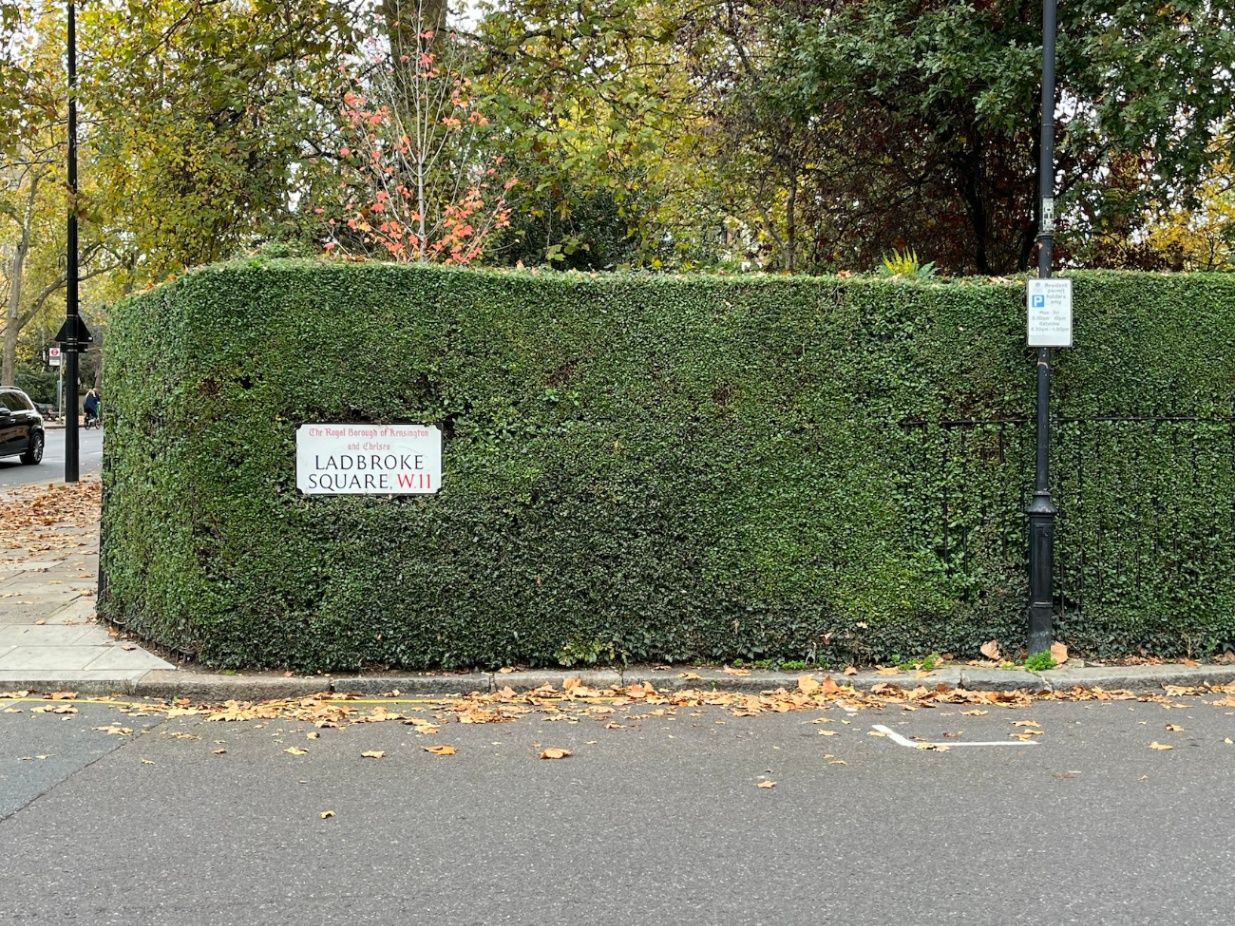
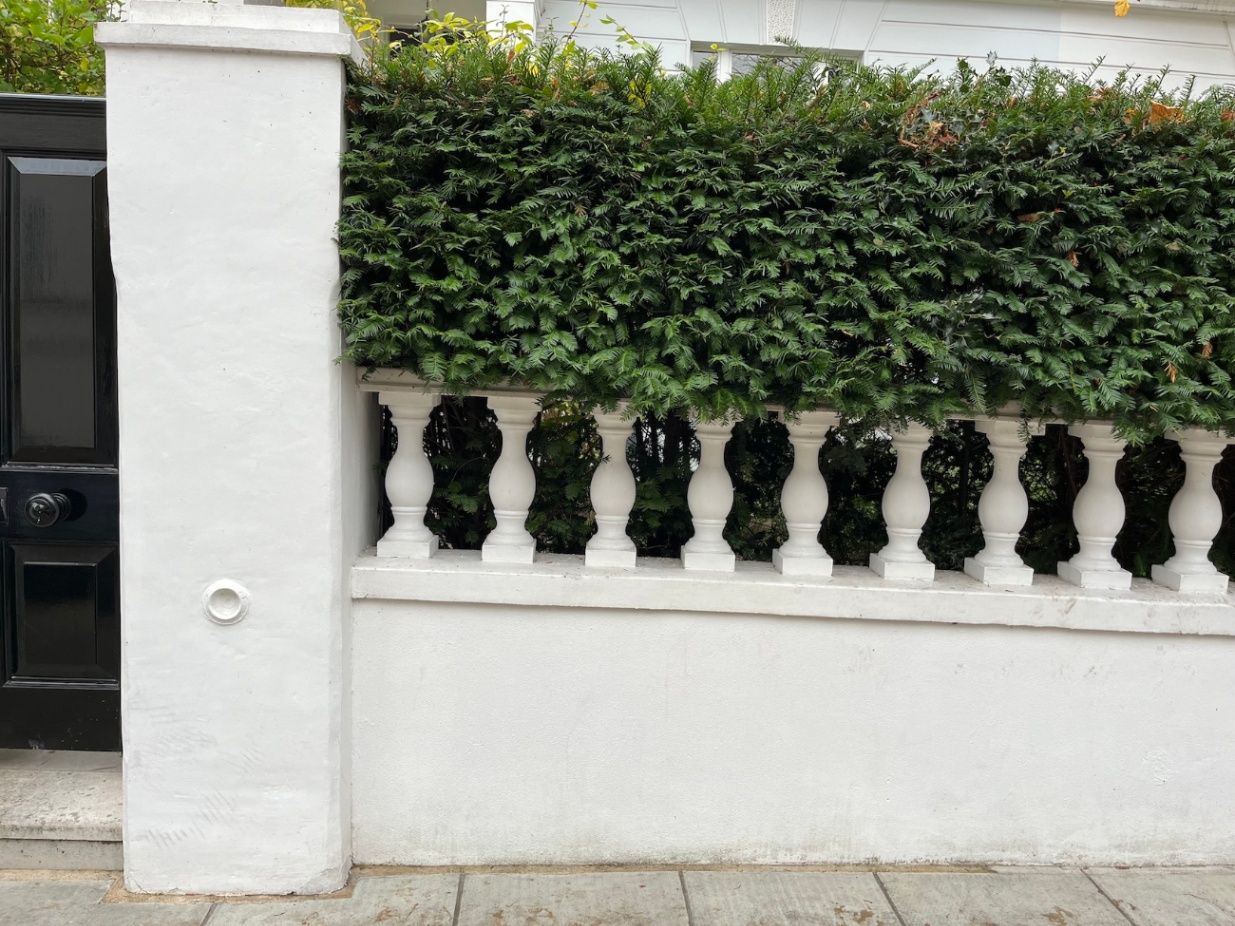
Besides squares and crescents, this mainly 19th-century neighbourhood is famous for its communal gardens, a gutsy middle-class 'design for living', and a not too distant relation to garden cities of the following century, which in turn inspired less well-known utopian enclaves like the Morpool Estate in Birmingham's Harborne. There is an optimism in this overtly green town planning, which was more visible in less prosperous times – when 'communal' meant that people talked to each other, and children used the backways that connected between houses. Sure, some houses were bigger than others but 'status' didn't really come into it. Now, the ultra-formal style of London's private squares has been eagerly adopted in front of houses with character, and every Englishman's home is his fortress.
What are you hiding from?
The square with the clear sight lines was long tended by my friend Anne, who has lived here since the 1950s. 'If you take the trouble to make a garden, isn't it nice for other people to see it?' She asks. This goes for front gardens too: 'Privacy is a disgusting idea. What's the point in these beautiful houses if nobody can see them?' Status-seekers who invest here may be subconsciously influenced by prospect and refuge theory when they're house hunting (in which humans are said to prefer a savannah-like landscape of trees and grass, across which they can see encroaching danger – and hide). Seduced by the prospect of a leafy neighbourhood, a homeowner's focus switches immediately to refuge: it's all about building their safe space.
On these dark islands, we need as much light as we can get, and we need to see people. 'PRYvacy hedges' as Americans call them, block out life, making a prison for the person inside. We know that social isolation is one of the great contributors to mental health problems, for which the NHS is increasingly prescribing green therapy. This translates as time spent outdoors, gardening with other people. So it's a vicious circle. As Jinny Blom pointed out last month, the World Health Organisation tells us that the biggest factor in personal happiness is exposure to nature. It's a primal connection with who we are, as human animals. When you start blocking things, where do you stop? Wallace Stegner, an American writer-environmentalist is quoted in a persuasive new book on shrubs (Shrouded in Light) saying: 'We like what we know, more often than we know what we like.'
Return of the shrubbery
It's the monolithic nature of a privacy hedge that is the problem. Shrubs and bushes support arthropods and mammals; they shelter birds and give them stopping-off places. They are far more useful in the middle of a garden than when they are pushed to the edges, leaving a central void that is fatally tempting for anyone admiring their neighbour's fake grass. Native perennials are fantastic for homegrown ecology, and woody shrubs absorb rain, anchor the soil, drawing down carbon and cleaning toxins in the ground and releasing oxygen into the streets. A privacy hedge that has ambitions to be the straightest, tallest, and thickest on the street demands professional maintenance, whereas free-ranging shrubs are slow-growing and mainly look after themselves. Plus – they absorb quantities of dried leaves that can be raked into their underskirts, providing shelter and food. It's a cyclical arrangement; a virtuous circle.
Shrubberies have the kind of atmosphere that is killed by a privacy hedge. A loose collection of shrubs allows for a 'tangle in the bushes' to quote Alan Hollinghurst in his novel The Line of Beauty. Mazes are formalised shrubberies, a framework for bad behaviour and temporary abandonment. The pleasure partly lies in the chance of being discovered. But there is no fun to be had in the space between the street and a front door when a tall hedge blocks out light and nothing interesting will grow there. Instead, the focus lies in security codes, lighting, alarms, technology.
Low hedging, and railings that are lightly traced with climbers allow you to see across a space. This makes it harder for intruders, but more importantly the garden appears bigger, with changing light drawing attention to volumes and shapes inside. A classic saucer magnolia will obligingly spread horizontally, its curving branches – even when leafless – providing a distraction between windows and street. You could have a relaxed parterre underneath, with a tangle of roses and hydrangeas emerging from shade-loving perennials (and yes, I'm describing an un-wrecked front garden near Holland Park tube). It's a way of showing the world what can happen when culture meets nature. The effect is aspirational.