Terracotta army: why I will never give up my collection of clay pots
In a world of plastic, be more terracotta. Jane Perrone makes the case for baked earth as the ultimate container for your favourite plants, indoors and out, plus the surprisingly simple trick (involving your dishwasher) that could save a dying pot.

I am a pot snob. A clay pot connoisseur. A terracotta warrior.
Give me half an hour spare and you’ll find me on Facebook Marketplace, tracking down new (by which I mean old) pots to add to my collection. I may have trays of terracotta containers sitting empty in my shed, but there’s always another shape, design or size that just might come in useful when repotting.
Like many gardening wares, we seem to have come full circle in our choice of plant containers in the last few decades. In the 1960s and 70s, we couldn’t wait to replace our fusty, heavyweight terracotta pots with lightweight, brightly coloured plastic. Now, as the tide turns well and truly against products made from petrochemicals, we are again embracing the beauty and sustainability of these products of the past: they were made to last, after all.
Humans have been creating clay containers as far back as the records go. Terracotta literally means “baked earth”, and the basic design of the baked clay plant pot is so good - so fit for purpose - that it has not changed for millennia. As a recent article in The House magazine put it, the terracotta pots of today would be familiar to someone from ancient times. “The same taper, the same rolled lip, the same small hole at the base. The terracotta pot is one of the very few objects in daily life that has genuinely resisted improvement, and it has done so not through conservatism but through having been right the first time.”
Terracotta makes the perfect plant pot material. To understand why, we need to consider the root. We all know roots require water, but they also need air, or to be more specific, oxygen. They source that oxygen from tiny air pockets in their substrate. If the pots that hold those roots have porous walls, this aids air circulation and allows excess moisture to escape through evaporation, which also helps to prevent roots from overheating. When baked at high temperatures, the clay becomes tough and frost-proof, but retains its high porosity. Water and air can move into and through the pot: for houseplants in particular, this solves so many problems caused by overzealous waterers.
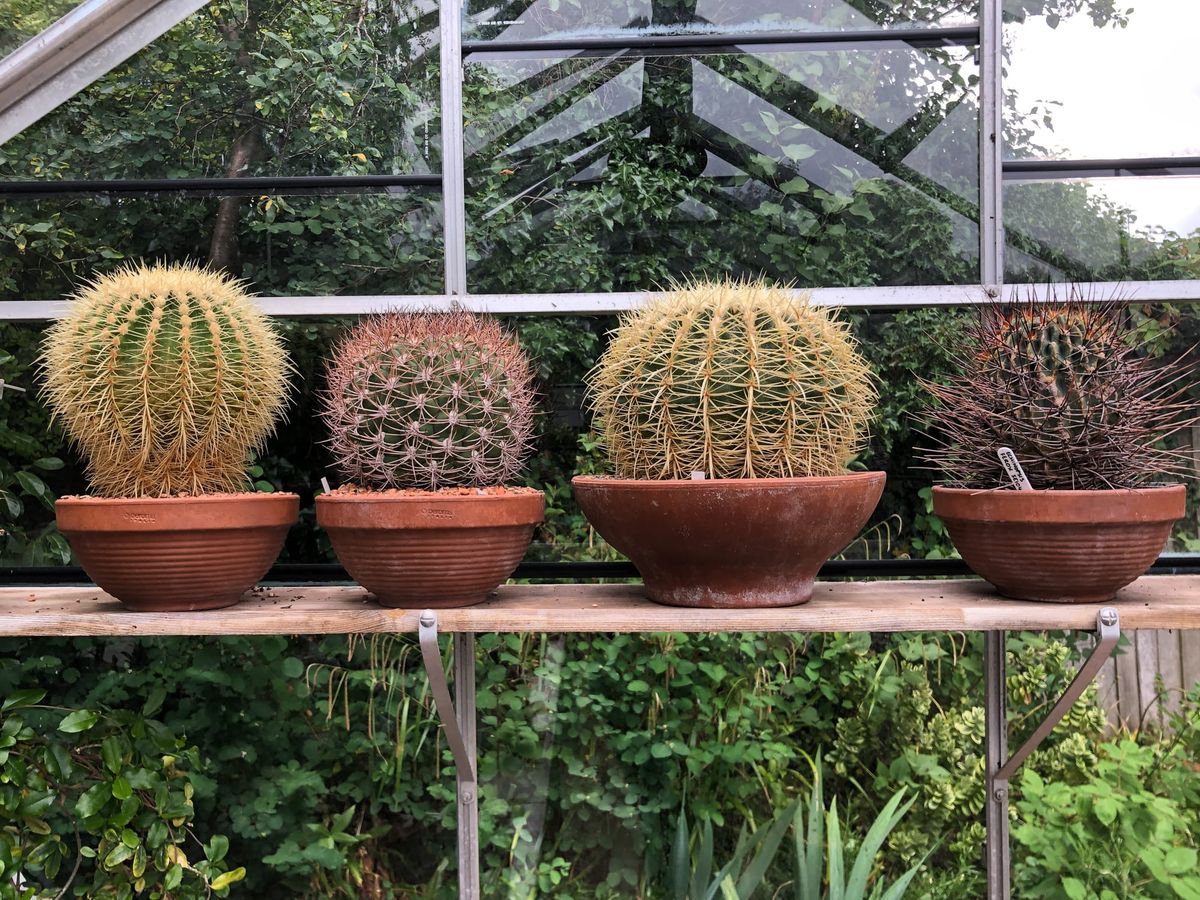
Clay pots also look effortlessly stylish. Their rusty red complements green leaves perfectly: their simple shape lets the foliage stand out. I’ve never seen a cluster of cacti in terracotta pots I didn’t like. They also work brilliantly for orchids, succulents, and many other houseplants: if you grow ferns, you can sit a terracotta pot in a shallow saucer of water and allow the plant to take up water as needed.
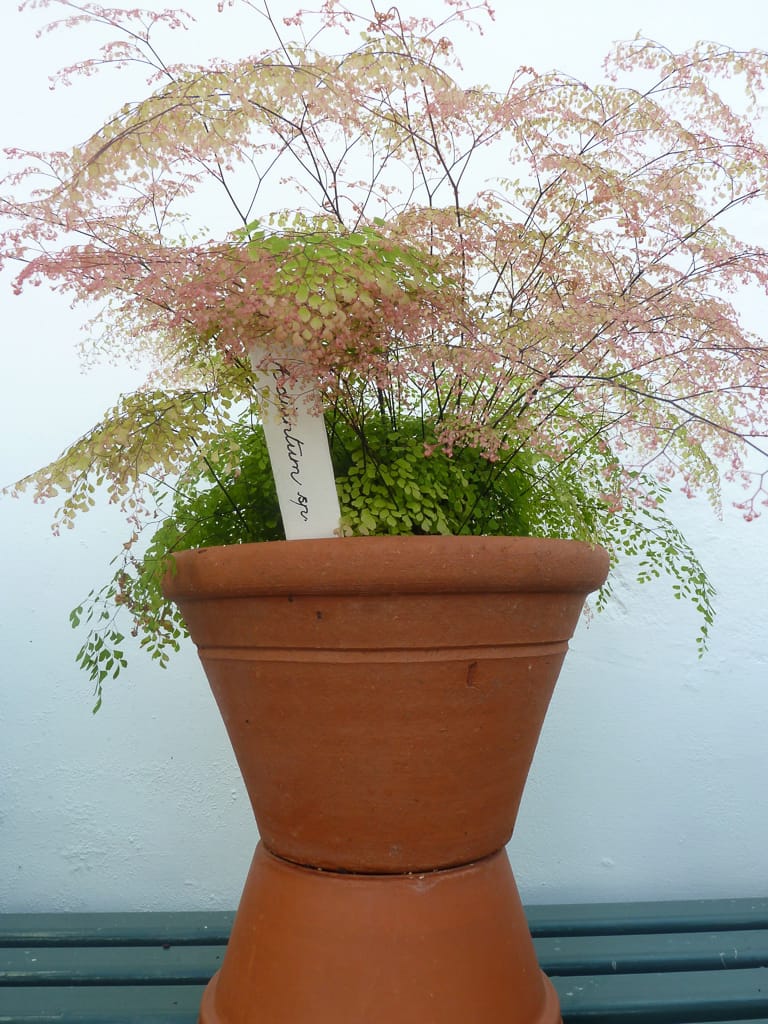
I admit freely, clay pots do have their downsides - there is a reason why they were pushed aside in the past. They are relatively expensive to buy, but extremely easy to break - hence the hallowed tradition of finding a use for smashed pots by placing terracotta shards in the bottom of pots to “aid drainage”. (The efficacy of this approach continues to come under considerable debate - for a deep dive, check out my interview with a grower who has recently conducted scientific research on exactly this issue).
Broken pots also make great wildlife refuges - I have several tucked into the ground at the back of my garden, and have found a hedgehog sleeping in one recently, and toads love them too.
Terracotta pots can be tricky come repotting time. Roots can become welded to the insides of pots - an old palette knife lovingly manoeuvred around the rootball usually solves this problem. Soaking the pot in water for an hour first can ease the most recalcitrant roots from the grip of the clay.
Terracotta also tends to attract growths of algae and blooms of white powder that alarm some gardeners, while others (me! me!) love the “weathered” look. So much so that should they need to buy brand new terracotta pots, they will actively encourage weathering and algal deposits by painting pots with natural yoghurt or garden lime or giving them extended dips in a pond. (I've even seen plastic pots for sale that ape terracotta, complete with a layer of faux algae - falgae, shall we say?)
These deposits turn up because water can contain mineral salts that get deposited on the terracotta surface in a white bloom: adding fertiliser leads to more mineral salt deposits. If you prefer to clean your pots up, this is easily done: some suggest washing in a water and vinegar mix, or some a dilute bleach solution, before scrubbing and rinsing. Country Life magazine suggests soaking in a bucket with a couple of denture tablets, and I know at least two horticulturists who swear by the very hot wash cycle in a dishwasher (no tablet) for sterilising pots that have previously contained plants suffering with pests or diseases.
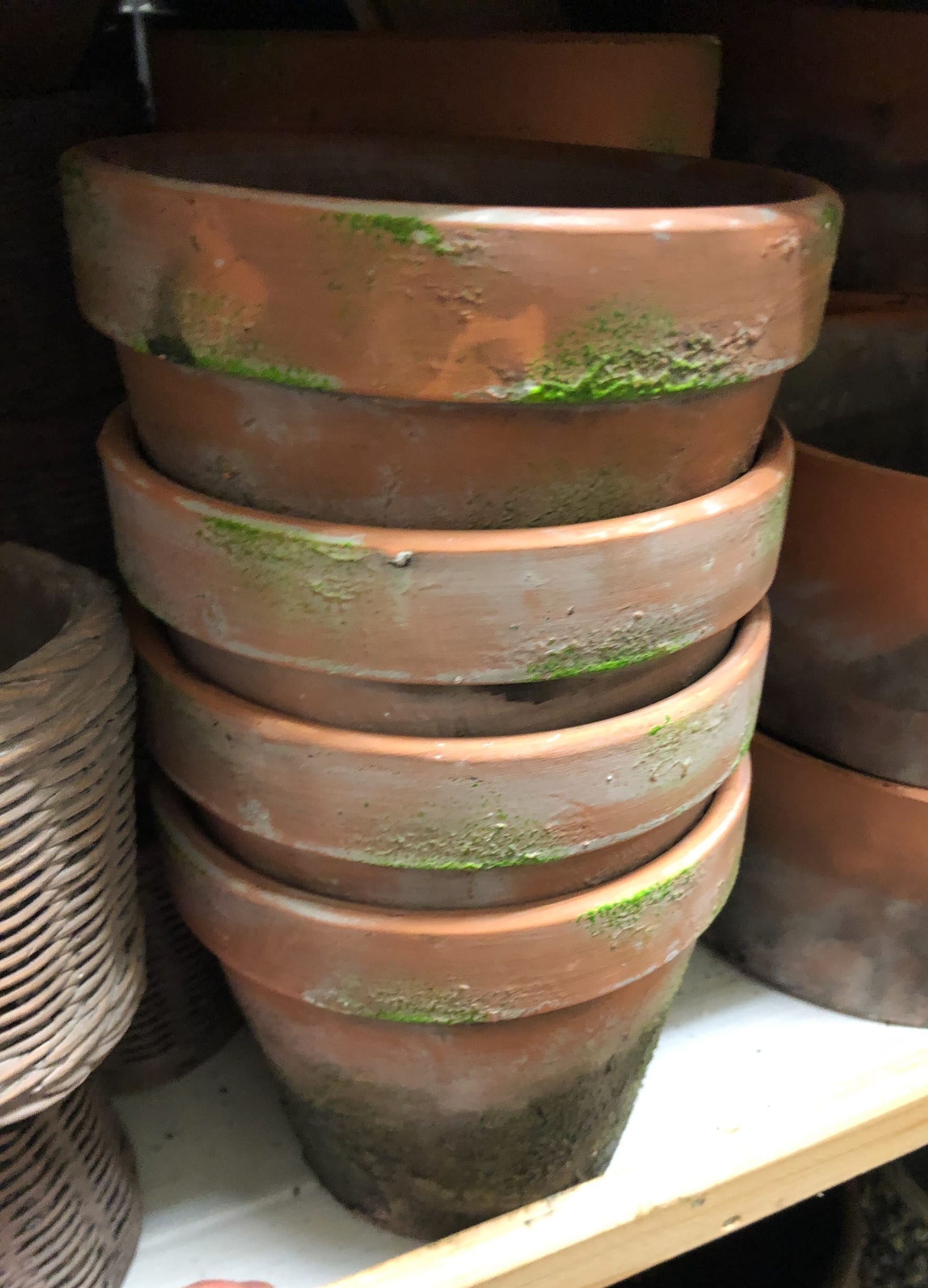
Situated outdoors, terracotta pots can dry out too quickly, and are heavy to move, but if you take care of them, you will certainly be able to hand them on to the next generation of gardeners. Lining pots with old compost sacks can help with moisture retention: just make sure you make some drainage holes when planting, covering any exposed plastic with soil. If you prefer to buy new pots, consider them an investment: cheap terracotta will often break down quickly given a few winters. The next generation of quality terracotta pots are being made by Whichford Pottery in Warwickshire.
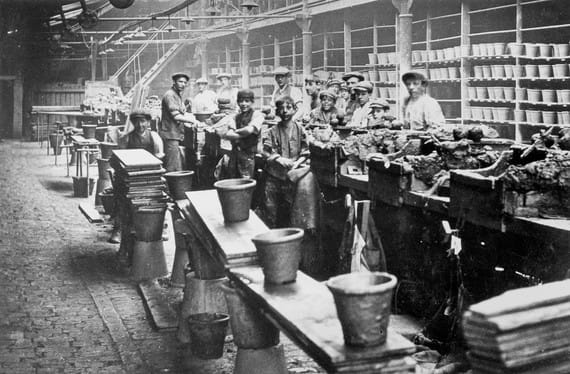
I’ve been building a collection of terracotta pots for years: some of them are so old I swear I can see the ghost of a thumbprint here and there. These vintage pots tend to be extremely well made, and provided you don’t drop them, will last and last. Some of the best will be stamped Sankey. Richard Sankey & Son Ltd is the Nottinghamshire maker who produced clay pots from the 1850s right up until the 1970s.
Before the second world war, they were all thrown by hand. I’ve read a piece by a modern day potter that reports Sankey’s potters could make three 4-inch pots every minute: other workers were responsible for preparing the clay and taking the completed pots to be fired. Come the 1970s, Sankeys stopped making clay pots and switched to plastic: a fire at the factory in the 1980s wiped out most of the physical history of the business. The secondhand market for terracotta pots and Sankey pots in particular is still buoyant, though: even small plain pots are worth a few pounds each; fancier designs like this pair of wall pots or a decorative bulb pan go for more.
If anyone has a clue what these extremely expensive Sankey pots are for, I am sure the seller would love to know. (I have it in my mind they are orchid stands, but I am not convinced I am right.)
So I will continue my terracotta treasure hunt, possibly until I collect enough that I can fill my whole shed with them. Whenever I am looking for the perfect pot for a plant, I can run my hands over the rough surfaces and examine their patina, their dings and damage, their stamps and makers’ marks: I can’t help thinking about the gardeners who handled them before me, raising their own generation of plants with the same loving care as me. If I really care about you, you'll know it for certain when I give you a plant that's cradled in a terracotta pot, carefully chosen from my stash. That's real love.
A note about plastic pots
I am not a terracotta purist, much as I love my clay pots. I use plastic for pricking out seedlings and cuttings: they are lightweight and easy to store, and keep new plants from drying out too fast. But I vowed a few years ago that I would never buy another new plastic plant pot: I was sick of supposedly durable plastic pots collapsing into a pile of impossible to recycle shards after a few years, and convinced that there were already more than enough plastic pots in the world to supply my needs without buying new.
If I run low on pots, there’s always someone local clearing out a shed who has some spare, or some yoghurt containers I can press into service. Failing that, my local nursery has a pot exchange area where you can donate or collect spare pots.
How far would you go for the perfect pot? And is it terracotta...?