The Afterlife of Turf: Why We Must Break Up with the Instant Lawn
Rethinking the reflex of rolled grass in new build gardens and choosing living soil over instant green


The Afterlife of Turf: Why We Must Break Up with the Instant Lawn
There is something undeniably seductive about a fresh lawn.
Unrolled from its plastic cradle, its seams pressed flat with the back of a rake, watered into compliance, it offers the illusion of completion. Within hours of a new build home being handed over, that roll of turf says, “This is finished. This is proper.” It is green, level, reassuring. It is also, more often than not, lifeless.
The lawn has long occupied a particular corner of the British imagination. From the sweeping greensward of Sissinghurst Castle Garden to the ordered serenity championed by Gertrude Jekyll, grass has been both stage and canvas. It sets off borders, catches light, provides space for children, dogs and contemplation. At its best, it is restful and generous.
But what we lay in new estates today is not that.
What we lay is a skin.
Before the turf ever touches the ground, the soil beneath has been stripped, compressed by machinery, and often smeared into a dense, airless substrate that resists both drainage and root penetration. Then comes a thin layer of imported topsoil, sometimes good, often indifferent, levelled to meet fencing lines and patio edges. Finally, the turf is unrolled, like carpet in a show home.
It looks convincing for a season.
Yet beneath it there is no hum of life, no crumbly structure rich with fungal threads, no network of worms patiently engineering fertility. The grass roots skate across the surface. In dry weather it browns quickly. In wet weather it sits saturated, unable to drain. We water it, feed it, cut it, fret about it. We treat symptoms, rarely causes.
The question is not whether grass has a place. It is whether the automatic laying of instant turf in every domestic plot is an ecological reflex we ought to reconsider.
A lawn, in essence, is a monoculture. Even the hardiest turf mixes are composed of selected ryegrasses and fescues bred for uniformity and durability. Uniformity is pleasing to the human eye but sterile to the insect world. A clipped sward offers little nectar, scant seed, and almost no shelter. It is a green desert, interrupted only by the brief flowering of a rogue buttercup before the mower silences it.
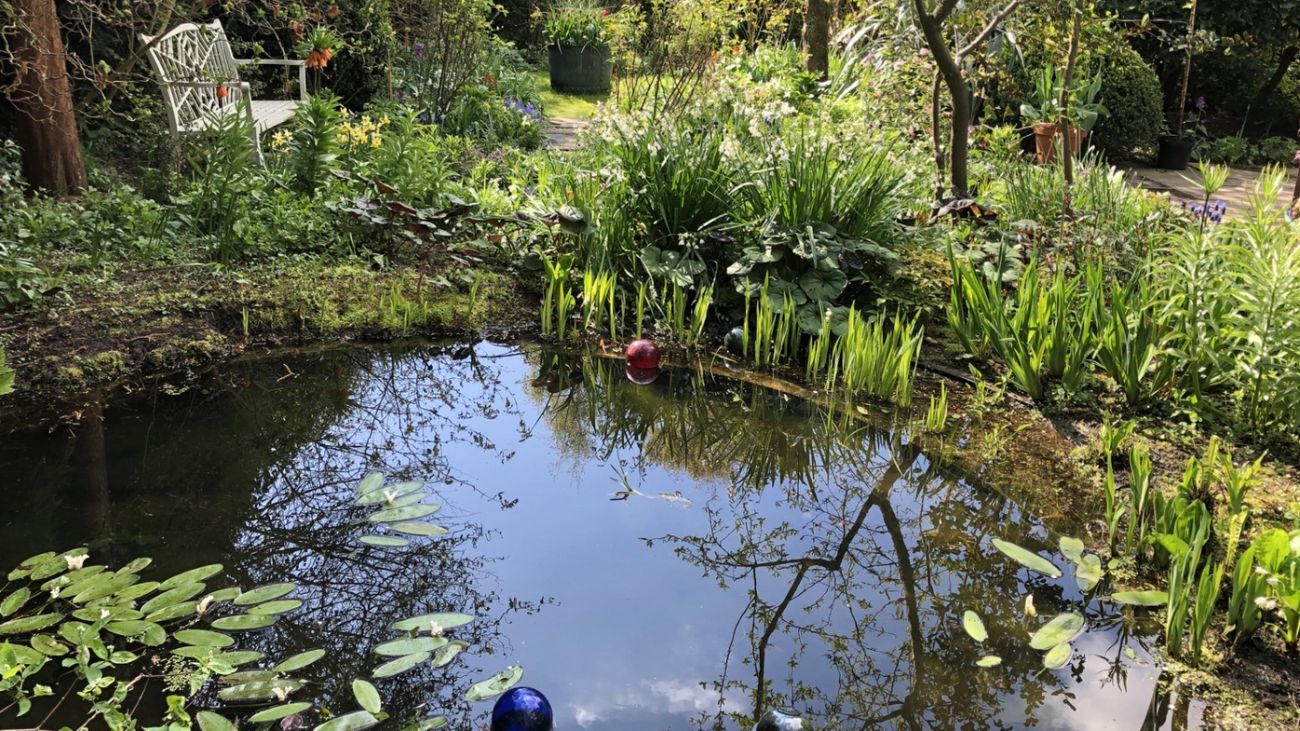
Contrast this with a small patch of longer grass allowed to bloom. Within weeks, there are hoverflies, solitary bees, seed feeding finches. The soundscape alters. The stillness acquires a tremor of activity. Diversity begets diversity.
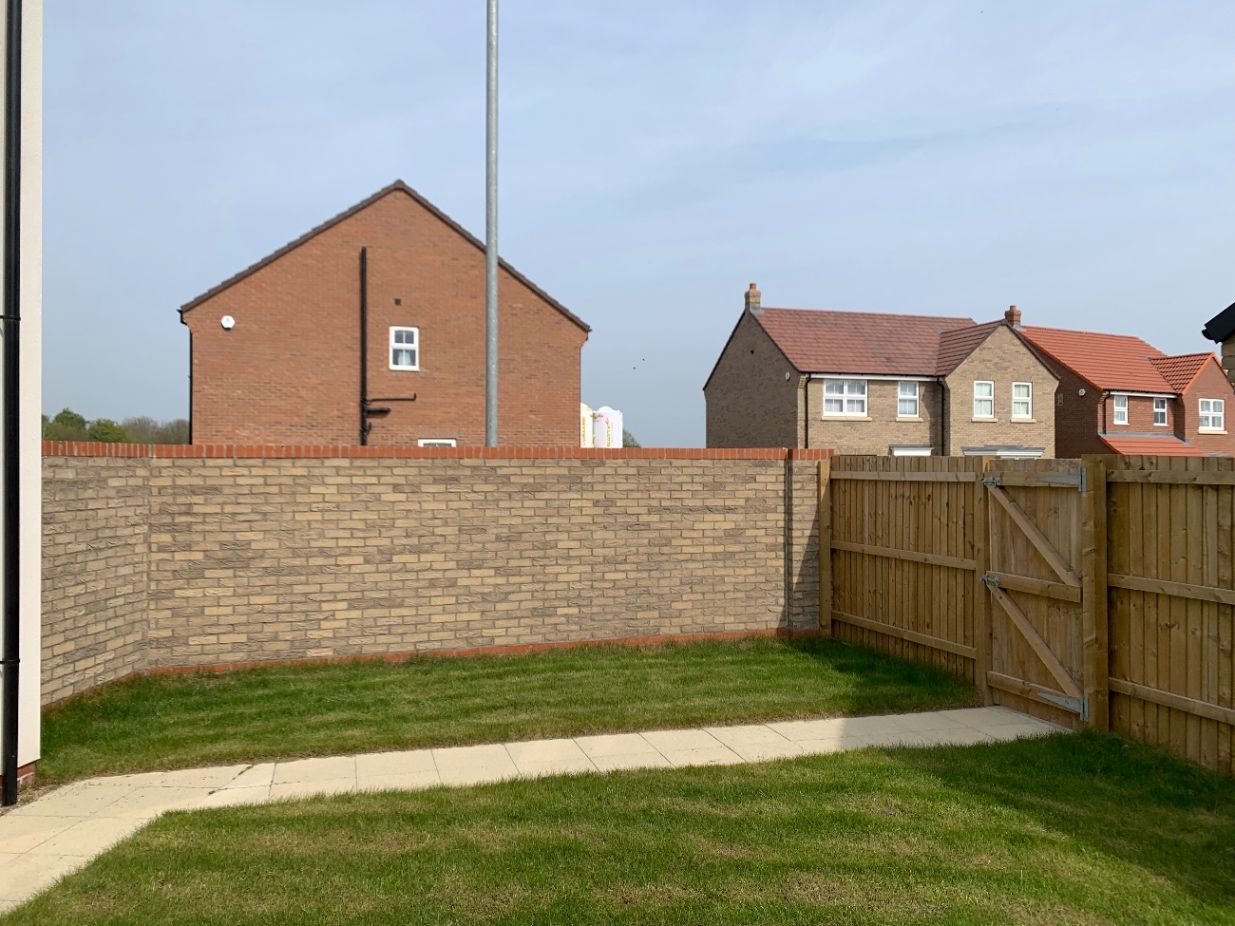
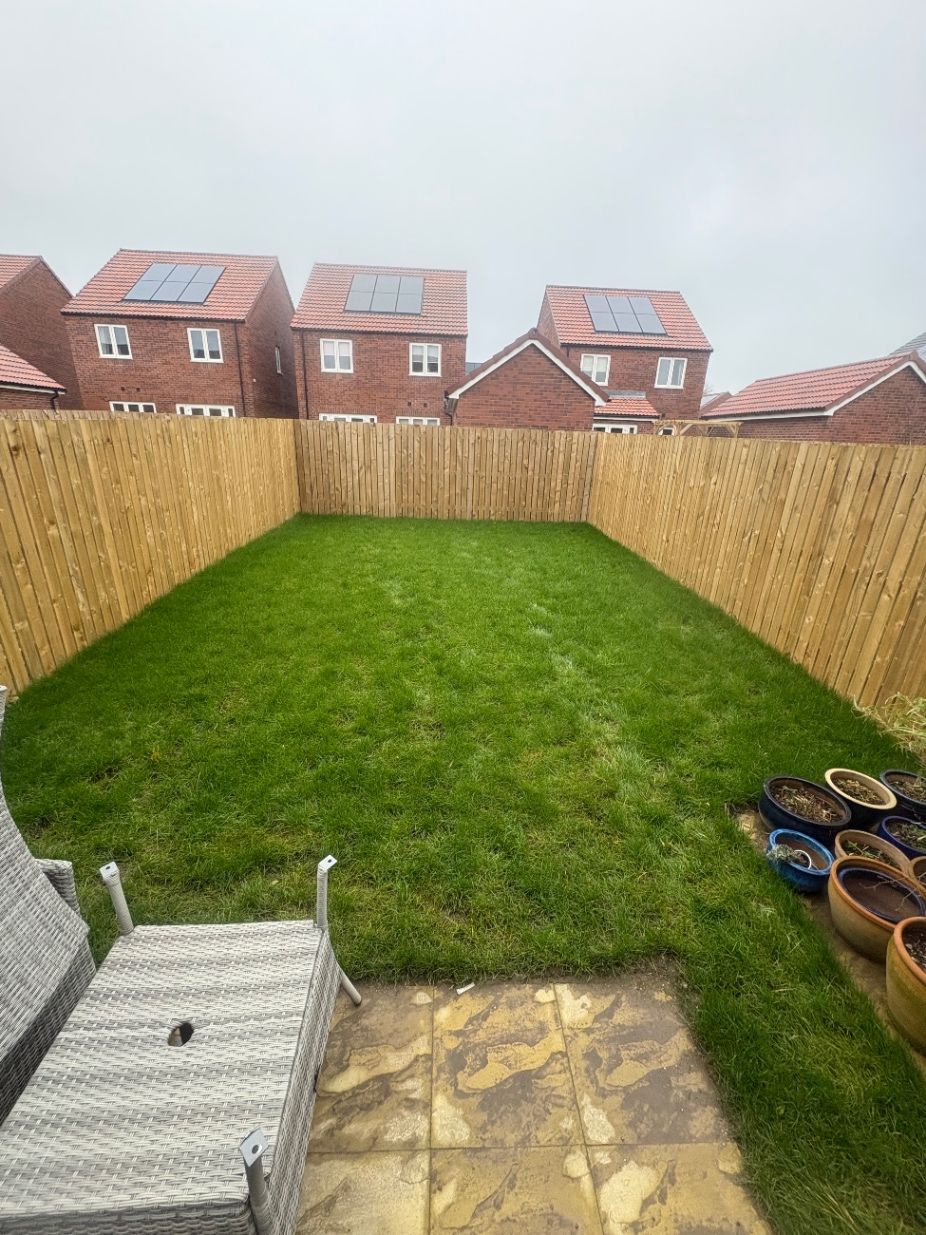
In the context of a large country garden, a lawn can be part of a mosaic. In the tight geometry of a new build plot, fenced rectangles, overlooked from every angle, it often becomes the whole story. Patio. Lawn. Fence. Repeat.
We are told it is practical. Children need it. Buyers expect it. Maintenance must be simple.
But is it truly simpler to water weekly in dry spells, edge obsessively, apply feed and moss killer, then worry when leatherjackets appear? Or is that simply what we have normalised?
The alternative is not neglect. Nor is it chaos.
A meadow style approach, even on thirty or forty square metres, can be structured and intentional. Mown paths can carve movement through longer grass. Spring bulbs can rise before the first cut. Low growing clovers and self heal can form a flowering carpet that tolerates light use while feeding pollinators. Thyme between stepping stones releases scent underfoot. It is not abandonment. It is design with a wider brief.
The most radical act may be to question whether the centre of the garden must always be grass at all.
Gravel gardens, so beautifully demonstrated by Beth Chatto, offer drought resilience and a surprising wealth of nectar. A matrix of perennials knit together, suppressing weeds and supporting wildlife, asks less of irrigation and more of observation. Even a small orchard of three dwarf fruit trees underplanted with bulbs and wildflowers can replace lawn with productivity and seasonal theatre.
And then there is soil, that most overlooked foundation.
When we peel back turf on new sites, we frequently find compaction so severe that a fork rebounds. Roots cannot penetrate. Water cannot percolate. The grass survives only by virtue of constant intervention. To remove turf and invest time instead in aerating, adding organic matter, and encouraging microbial life is to work with processes rather than against them.
It takes longer.
There is no instant photograph for social media, no immediate impression of order. But after a year or two the difference is profound. Plants settle deeply. Drought resilience improves. The garden begins to behave as a system, not a stage set.
We should also be honest about aesthetics.
The clipped emerald rectangle is, in part, an inheritance of aspiration. It signals neatness, control, respectability. In closely packed estates, conformity can feel reassuring. No one wants to be the wild outlier among tidy neighbours.
Yet taste evolves. Once, bedding schemes of scarlet geraniums and lobelia were considered the pinnacle of refinement. Now we lean toward looser planting, softer edges, greater texture. The lawn’s dominance may similarly wane as we grow more comfortable with complexity.
The challenge is courage, individual and collective.
It takes courage to let grass flower when others cut weekly. Courage to explain that a patch of longer growth is deliberate habitat, not neglect. Courage, too, from developers to offer alternatives at the point of sale, a seeded meadow strip, a pre planted grid of hardy perennials, a small copse rather than a roll of turf.
There is pleasure in this shift.
To sit in August and watch seedheads shimmer where once there was blank sward is to feel part of something older and more generous than fashion. To hear bees working clover is to understand that beauty need not be manicured into submission.
The afterlife of turf need not be guilt or reproach. It can be transformation.
Lift a corner of that instant lawn and look beneath. If what you find is thin roots gripping tired soil, consider whether it deserves retirement. Slice it, stack it, compost it. Begin again, not with a desire for quick greenness, but with patience for depth.
A garden is not finished the day the house keys are handed over. It is begun.
And perhaps the most hopeful thing we can do in these constrained plots, edged by identical fences and overlooked by identical windows, is to allow them to be a little less identical. To trade uniformity for vitality. To swap the certainty of instant turf for the quiet, unfolding richness of living ground.
In doing so, we do not abandon the lawn entirely. We simply dethrone it.
And in that gentle act of dethronement, we may find a garden that hums rather than merely glows green.