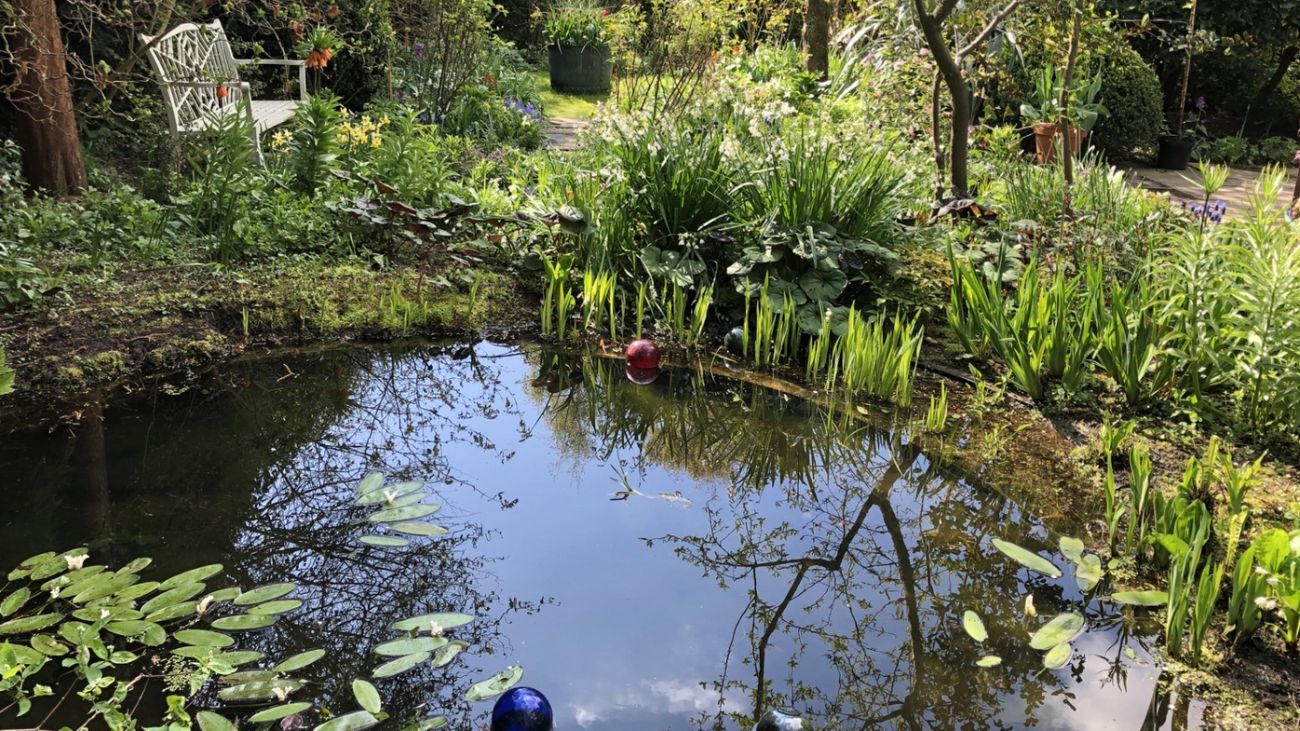
The Garden at Night
Your garden doesn’t go to sleep when you do. After dark, flowers glow, moths work overtime, and the real story begins.

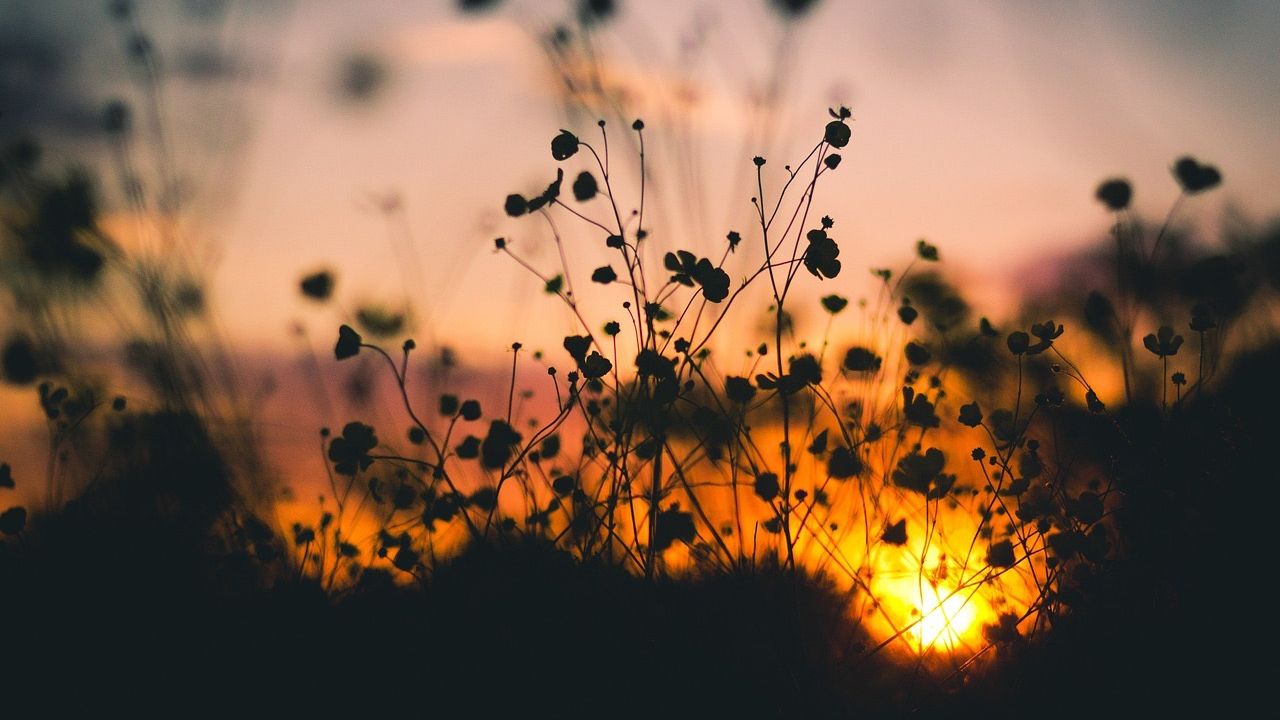
The Garden at Night
If you think your garden goes to bed when you do, you’re wildly underestimating it. Most gardens put on their best performance during the day. They flare, pose and show off. Roses pout. Peonies preen. Bees zoom about like overcaffeinated workers. It’s all very impressive and very public.
But the real party starts after dark.
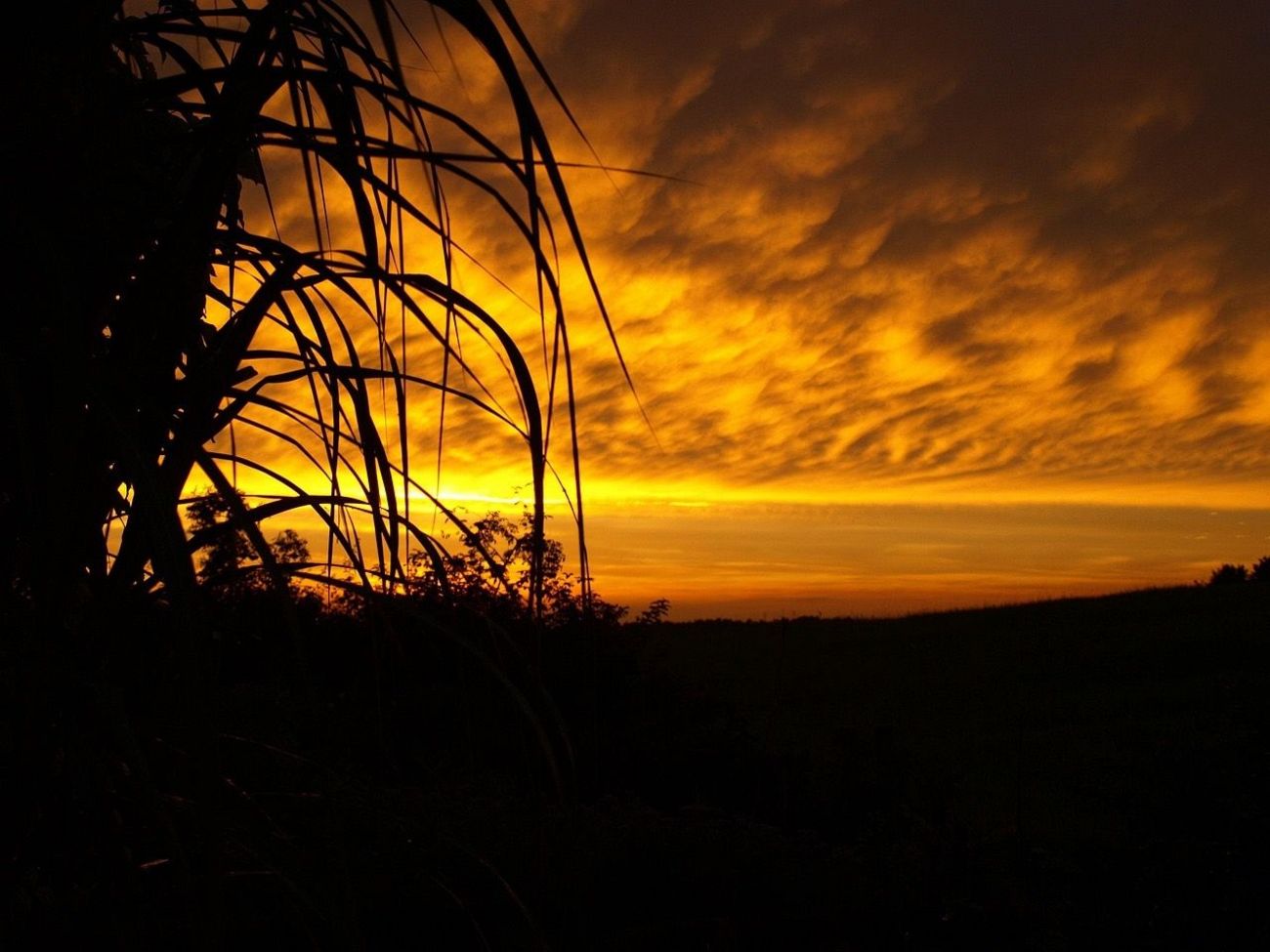
This is when the garden stops performing and starts whispering. When the air cools, the light softens, and the plants that have been biding their time finally get to work. If you’ve only ever gardened in daylight, you’re missing half the story. Possibly the better half.
The Moment Everything Changes
There’s a particular moment, just after sunset, when the garden exhales. The heat drains away, the birds fall silent, and suddenly you can hear things you didn’t know were there. A faint rustle. A soft thud of something landing. A bat squeaking like a dog toy in a puppy’s jaws.
This is when the day crew clock off. The night staff, smaller, quieter, and generally more efficient, take over and they don’t want applause, they just want nectar.
Flowers That Work Late
Some plants are absolute extroverts, desperate for daylight and attention. Others are more discreet. They wait until dusk, then quietly open for business. Take evening primrose. One minute it’s a green, slightly scruffy thing minding its own business. The next, it’s bursting open pale-yellow flowers like it’s been waiting all day for permission. Ipomoea alba (aptly known as ‘Moonflower’) does the same, throwing open white blooms that practically glow in low light, as if plugged into the moon itself.

These flowers are not trying to be subtle. Their pale colours are a beacon in the dark. Their scent ramps up dramatically at night, drifting across the garden like a polite invitation. It’s not for us, though we benefit. It’s for moths. The issue is, moths have an image problem: butterflies get the glory; moths get blamed for holes in jumpers and are routinely greeted with screaming and frantic flapping.
Unfair.
Moths are extraordinary pollinators. Some are so precisely engineered, they match a single plant species, like an elaborate blind date set up by nature. They follow scent trails, not colour, which is why night flowers smell so good. Strong, sweet, sometimes slightly strange. Jasmine, honeysuckle, nicotiana; these are plants with evening plans.

If you sit still long enough, you’ll see moths arrive silently, hovering with surprising grace. No buzz. No fuss. Just quiet efficiency. If butterflies are flamboyant dancers, moths are the industrious set dressers, costume makers and lighting crew keeping everything running behind the scenes.
The Garden Sounds Different
At night, the garden has a soundtrack all of its own. Crickets start tuning up. Frogs clear their throats. Somewhere, a hedgehog crashes through leaves like it’s wearing heavy boots and doesn’t care who knows it’s there.
Slugs emerge with alarming confidence. Snails glide about as if they own the place. Spiders repair their webs, which by moonlight look like finely spun jewellery hung between stems. Nothing is rushing. Nothing is posing. Everything is busy.
And you, standing there with a mug of tea and a cardigan you didn’t think you’d need, suddenly feel like a guest rather than the boss.
Moonlight Changes Everything
Moonlight is honest light. It strips colour away and leaves form, movement, and contrast. Leaves look sharper. Silhouettes matter more. Pale flowers shine. Dark foliage melts into shadow. A garden designed for night is a different thing entirely. Silver leaves come into their own. White flowers glow. Grasses move like smoke. Even ordinary plants feel theatrical, as if they’ve changed costumes.

You notice structure more. The arch of a branch. The shape of a clump. The way a path curves away into darkness. It’s the same garden you’ve always known, but with the volume turned down and the mystery turned up.
The Creatures You Never See
At night, animals you’ve never met suddenly reveal themselves. Bats skim the air, hoovering up insects with terrifying accuracy. Foxes slink past, pretending not to notice you while absolutely noticing you. Birds sleep, mostly, though owls take over the skies with an air of quiet authority. Somewhere under the hedge, something is definitely alive and probably eating something else.

It’s comforting, in a strange way. The garden doesn’t switch off when you go inside. It carries on regardless. Life hums along, mostly unnoticed, doing what it has always done.
Why It Matters
We garden so much with our eyes that we forget the other senses. Night gardening is not about pruning or planting. It’s about noticing. Smell is sharper. Sound carries. Touch becomes more important. You learn which plants release their scent only after sunset. Which flowers stay open late. Which corners feel alive and which feel asleep. You don’t need special equipment. Just a pause. A willingness to stand still. Possibly a torch, though it’s best used sparingly unless you want to blind a moth mid-dinner.
There’s nothing mystical about this, really. No spells. No fairies. Just ecology doing its thing on a different timetable. And yet, it feels magical. Why? Because the garden at night reminds you that the world is not arranged for your convenience. That beauty happens quietly, without witnesses. That some of the most important work is done in darkness by creatures you will never properly see.

So next time the day winds down, don’t shut the door on your garden. Step back outside. Let your eyes adjust. Listen. The night shift has clocked in. And they are very good at what they do.