The Gardener's Resilience: Adapting to Shifts in Climate and Culture
Why our changing climate, political discord, and cultural discontent mean we're living in the most interesting time to be a gardener or designer.


Our world is out of balance.
Deranged, callous politicians are jeopardising livelihoods and removing protection from ecologically valuable landscapes. Climate change is impacting our farmlands, and wallets, and communities. And new development is further degrading our ecosystems and waterways. Societally things are off the rails, too - but I’m a gardener, so I prefer to talk about these things through the filter of landscapes and plants.
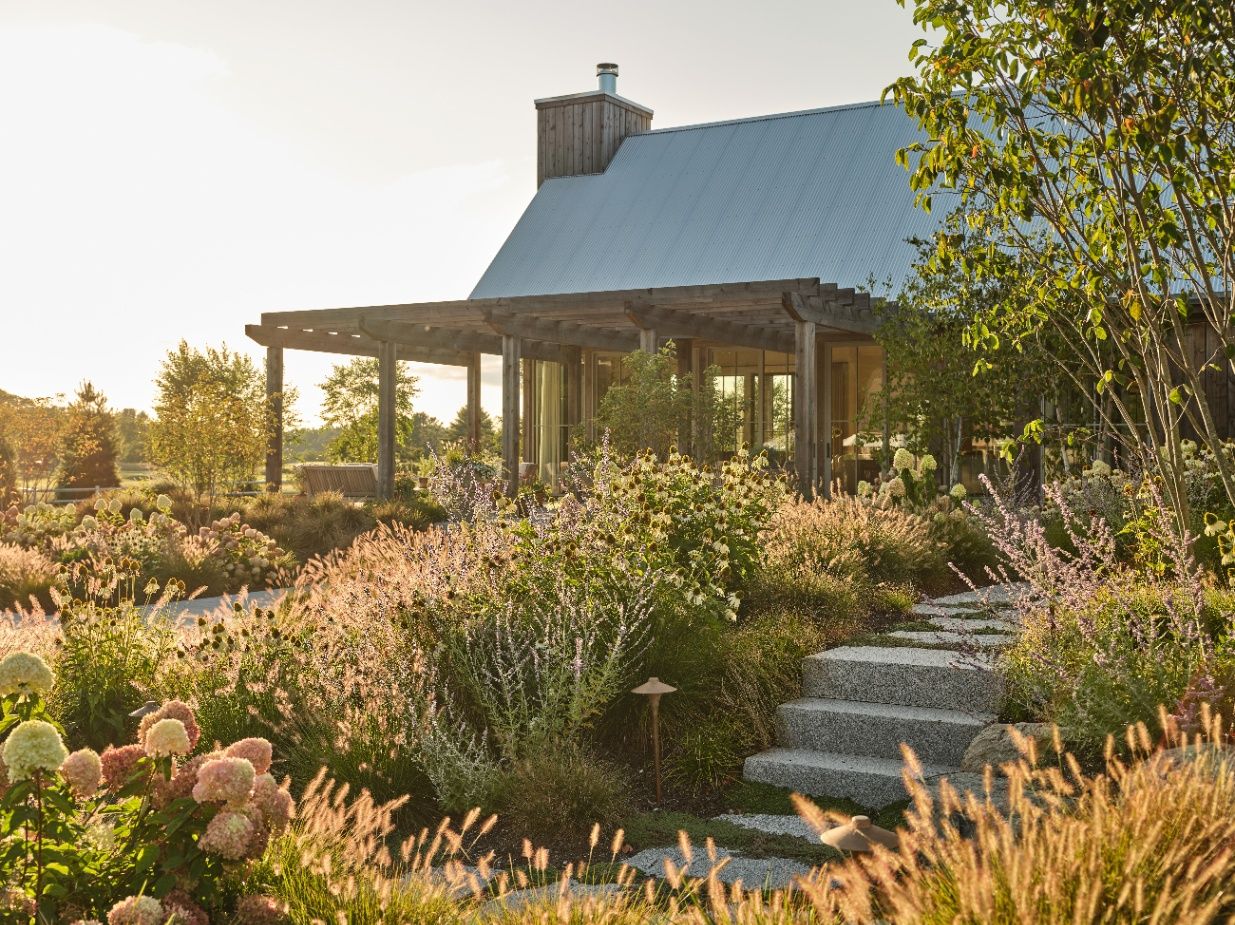
The current reality, on a landscape scale, is that much of our design work is inherently defensive. We design, and engineer, and build with an eye for preventing the next environmental catastrophe. Often, this looks like hardscape-heavy, practical solutions(?) - much of which is certainly necessary.
But to be Pollyannish for a minute: these pressures we’re facing - unpredictable weather, unreliable politics, and cultural do’s and don’ts in the garden - sit us right in the middle of one of the most interesting times to be gardening.
A changing climate
We have more plants at our fingertips than anyone ever has before. Nurseries are bursting with species (both native and not) that weren’t even dreamed of in cultivation a quarter-century ago. This is a fantasy world for horticulturists and home gardeners, and would undoubtedly make many an 18th-century garden designer roll over in jealousy at what we have access to today.
But simultaneously we are wholly unable to treat our gardens as a blank canvas - ripe for whatever wonderful, exotic plant combinations we can think up. Soils are too wet, or too dry, or in proximity to aggressive species that will only play nice with certain plants.
This is a good thing!
While there was a joy and excitement in designing with a carte blanche attitude in the past, there’s a new layer in the mix that requires us to think a bit deeper about what we’re putting in the ground. I see that as a bolster, not a barrier. We can create more intrigue and interest, and have gardens that feel like a part of their site.
Political and social unrest
COVID. Politics. Growing divisions that feel harder and harder to suture. If you let yourself get weighed down with these realities at any cadence, there’s a need for respite and quiet. The innate need for refuge these last few years has transformed many a garden from simply a visual border, to a place of immersion and engagement.
Adjacently, now (if ever) is a time to find agency. Garden for yourself, and the pollinators, and why not the resistance while you’re at it? We can make choices in the garden that take a stand, politically and economically. Don’t buy from big box stores associated with bad deeds abroad; grow fruit and vegetables and contribute to your local food-scene; Dig a victory garden that pervades the current dystopia with hope and generosity.
Loud voices
And somewhere in the middle of all that, we have an opportunity to make landscapes that are unique, and individual - and to develop our own voices in the garden. For a long time, a garden or a landscape has been a tool to represent your place in a community or society. Think midcentury lawn culture, and the craziness of HOA restrictions. It was an important component to show your outward-facing identity, and yet it better not be any different than that of your neighbour.
A lot of those facades are crumbling, and we’re starting to feel emboldened to labour and tend to gardens in a way that feels right to us.
Some of these opportunities and experiences are historical: Victory Gardens, changes in plant hardiness zones, environmental activism, and political resistance. But we are facing them all at once. We are tasked with creating gardens that respond critically to climate threats, while simultaneously being places to gather and foster community. Creating gardens that have a voice, but that also imbue a sense of quiet for those inside.
It’s hard work, and a steep challenge. But our landscapes are arguably more precious and important today than at any time before. So gardeners, designers, and anyone with a plot or pot: know your value in this dark time, and keep digging.