The Trouble With Four Acres
One of the best things about being a reader is being able to enter the world of another and, just for a moment, see life through their eyes. What better way to start the last week of Book Month than by discovering a new writer: Leigh Johnstone, the latest author to join The Garden Collective?
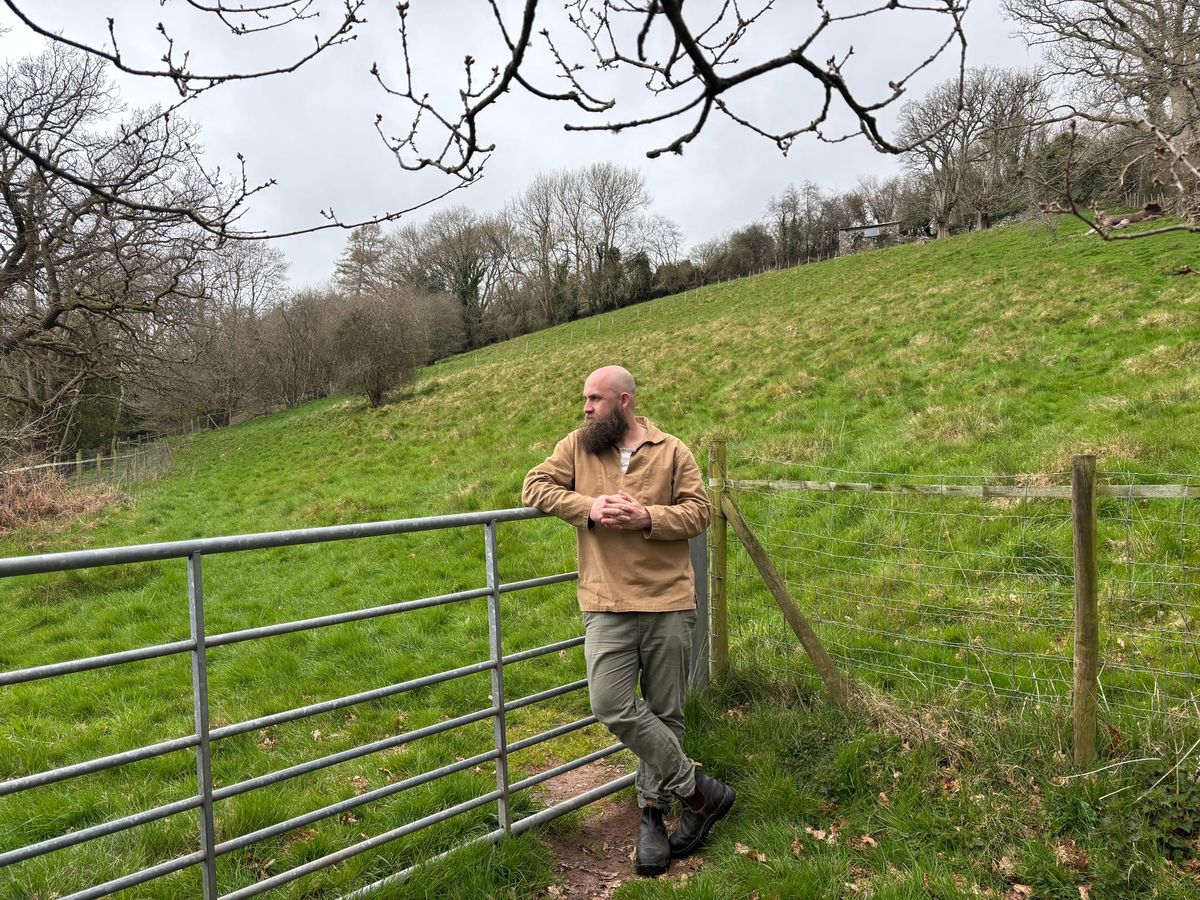
There is a particular sort of madness that comes with moving from a small urban garden in the City to four acres in the Welsh countryside.
You start dreaming about all the things you could do.
Creating a market garden and whimsically selling organic veg in a straw hat from a shabby shed on the roadside. Maybe a vineyard. Is there a market for Welsh wine? An orchard to wassail in. Lengths of luscious meadow that I can sweep with my scythe. Perhaps a pond or even a lake? Goats or pigs. Goats AND pigs. Is there a market for Welsh Ibérico? I could start one. A posh greenhouse with a brick base and ornamental cresting, naturally. The glossy Country Life sort, more outdoor room for long lunches than actually growing anything.
When we first looked around the property, which is now our home, my wife and I were giddy: ‘We have a field!’ ‘We have five!’ The Welsh mist was obscuring some of the realities. The anticipation of possibilities was overwhelming, and for good reason: it’s a beautiful house in a beautiful part of the world. But once the dragon’s breath clears from the valley and the sun starts to shine you take a good look at the four acres and realise you have absolutely no idea what you’re doing or where to start.
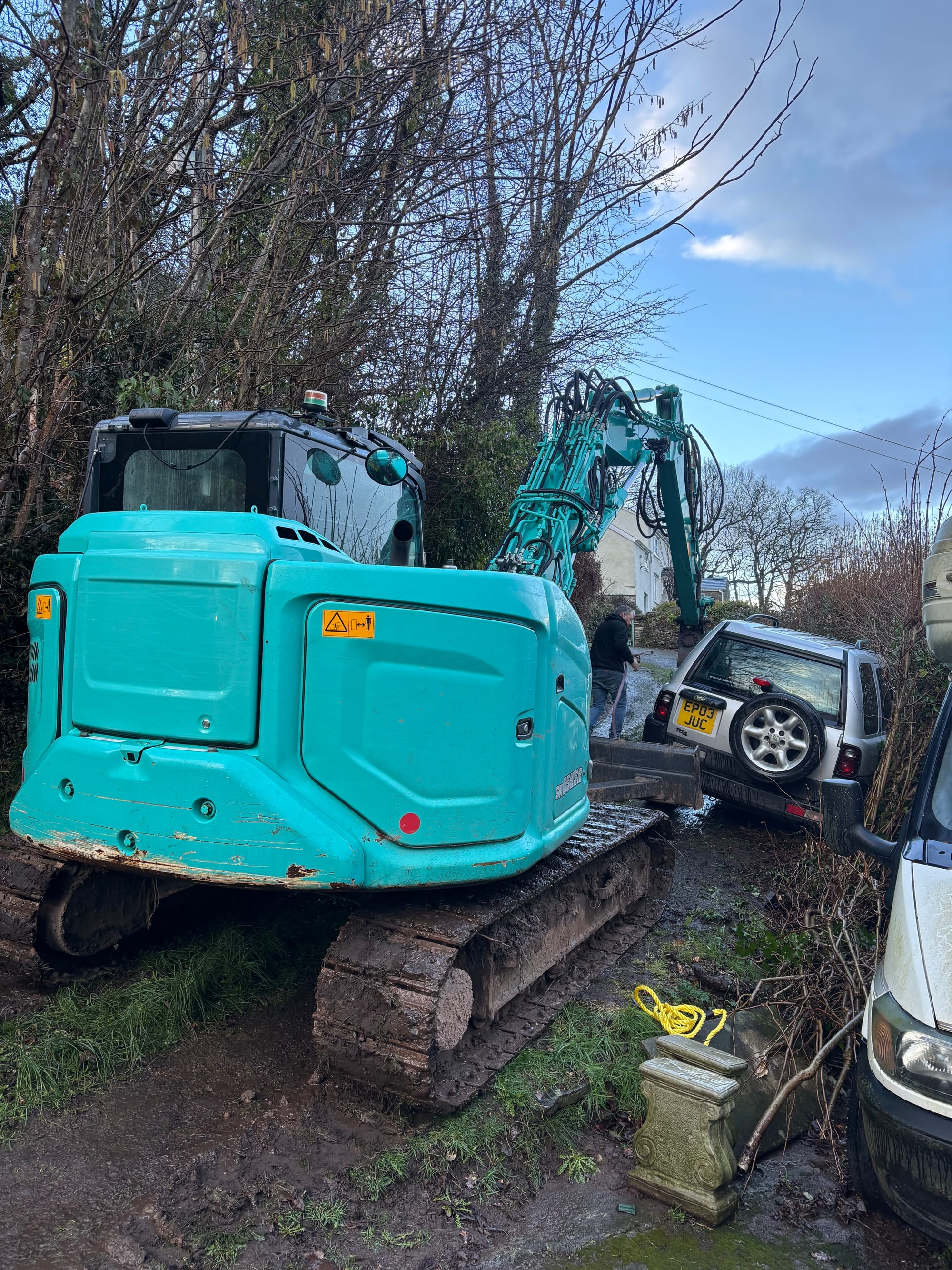
In a first attempt at appearing like I did know what I was doing, I bought a battered Land Rover. With one window permanently ajar, a dented bumper and ripped upholstery, I thought it gave a sort of rugged character that was essential for life in the countryside. I imagined myself looking rather at home behind the wheel, moving hay bales and delivering eggs. The trouble was, I couldn’t even get off the drive. Reversing down the long sloping driveway we’d just inherited, I managed to wedge the thing between a wire fence and a tree stump, the back right wheel tangled in the wire and the whole thing perched precariously over a muddy bank whose stability was uncertain. Nothing was going to shift it, short of divine intervention or an embarrassingly large excavator. Fortunately, my new neighbour arrived with the latter, leaning out to ask, ‘Need a bit of help, mate?’ A lovely way to meet the neighbours… although perhaps not the impression I’d hoped to make.
Friends and family offered further help, this time with land management. ‘It’s all about fences,’ said my dad, arming me with an antique pair of wire cutters that my grandmother had used on her farm in the 1950s. Was this some ancient code or rural wisdom he was passing on that I should know about? ‘Yes, Dad, but what am I supposed to do with it?’ One end had a hook, the other a jammed and mangled clamp. There were various holes for various sizes of wire but I’d never built a fence before, or even fixed one. I didn’t know my 16-gauge from my 20. I found a wonky post and whacked away with the rusty tool without much precision or knowledge. Nothing much happened.
The strange thing about having all this space is that it doesn’t make you feel like a better gardener. It makes you feel considerably less important.