The Winter of our Discontent
The latest musing from Mutton Hill, a timely aside to my regular content.

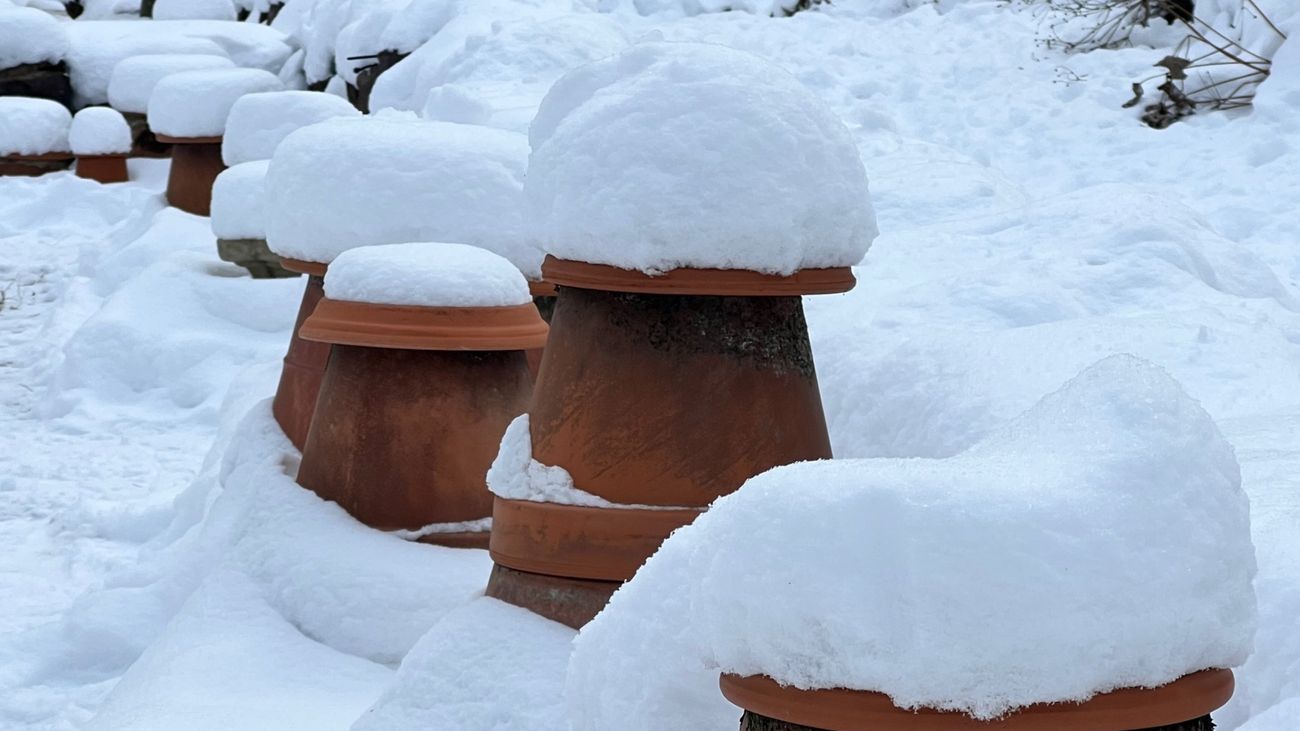
If you follow me, you will know that I missed last month's instalment of my monthly musings, but all for good reason; December at Mutton Hill was full of merrymaking for the holidays and little gardening. While we celebrated with family, food, and drink, the garden slept under a blanket of snow. Given this, I had planned to inaugurate a yearly pause each December, followed by a joint December/January 'Janus-themed' musing that looks both backwards at the garden year past and forward to my plans for the coming year. This I am afraid, at least for this year, will have to fit under the category of "best laid plans," for if you have at all followed what is happening in my country, you understand that January has been an especially difficult month in a string of difficult months. It has, in truth, been a month where I particularly could have used the solace and distraction of the gardens. While I normally love the gardens in winter, and savour playing in the snow and enjoying the beauty of snow-blanketed woods, this year, it just feels cold. Everything feels cold and hard. I have spent more time at protests than I have playing in the snow, and nothing feels like enough. Additionally, it has been difficult to sit at a keyboard and find words that don't feel frivolous at this moment in time. Looking back at the progress of last year's garden feels like it falls short of the current moment, and looking forward to the coming year feels somewhat delusional. Yet, as this is a garden publication for a garden community that I very much enjoy being a part of, it is gardening that I must write about. I have been looking for a way to marry that which is true to the moment that I (and the gardens) exist in, with a topic that centres on gardening. As a result, I have decided to focus this month's instalment on immigrants - green immigrants that is. For, as much as the vast majority of the American (shorthand for U.S. in this context) population originally came from elsewhere, either currently or ancestrally, so too have a vast number of the plants that we grow in our gardens. This month, I am going to focus on a small handful of the green immigrants in my gardens and highlight their origins.
Apple
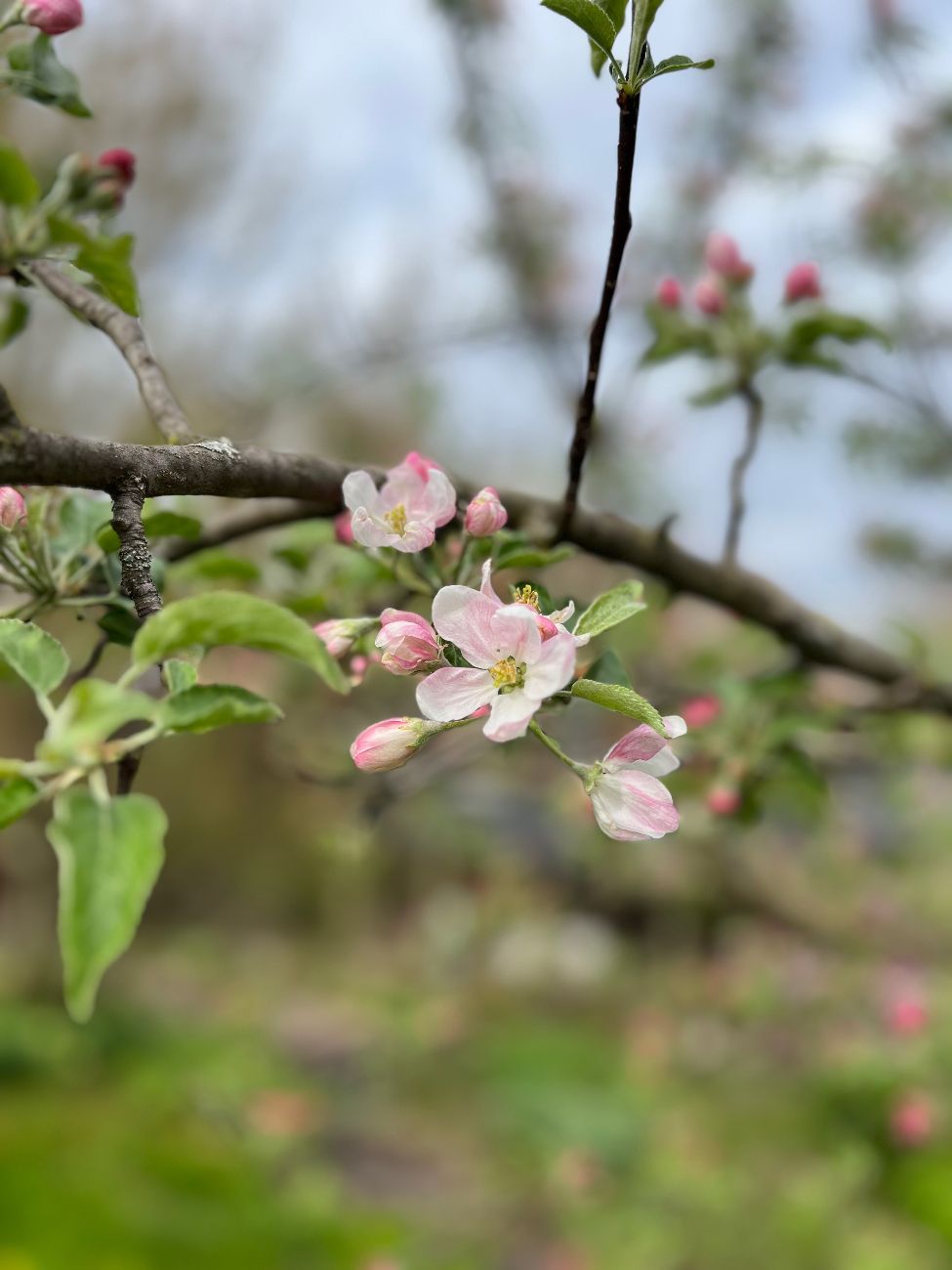
This, the most ubiquitous of fruits, a lunchbox staple, and the star of the dessert that resulted in the phrase "as American as apple pie," had a very circuitous route to the U.S. It is believed to have originated in Kazakhstan, where it was domesticated and then made its way along the Silk Road to Europe. The Romans are credited with introducing apples to England a little under two millennia ago. Much later, the Spaniards would be the first to introduce it to the Americas in their colonies, but it was the Puritans who would be the ones to introduce it to North America. A very successful immigrant, virtually every country and region to which it was introduced has developed their own cultivars. It has also been amalgamated into the mythos of multiple civilisations, playing an important part in Greek, Norse, Germanic, Celtic, and Christian myths, amongst others. Apples are even part of the American mythos through the character of Johnny Appleseed.
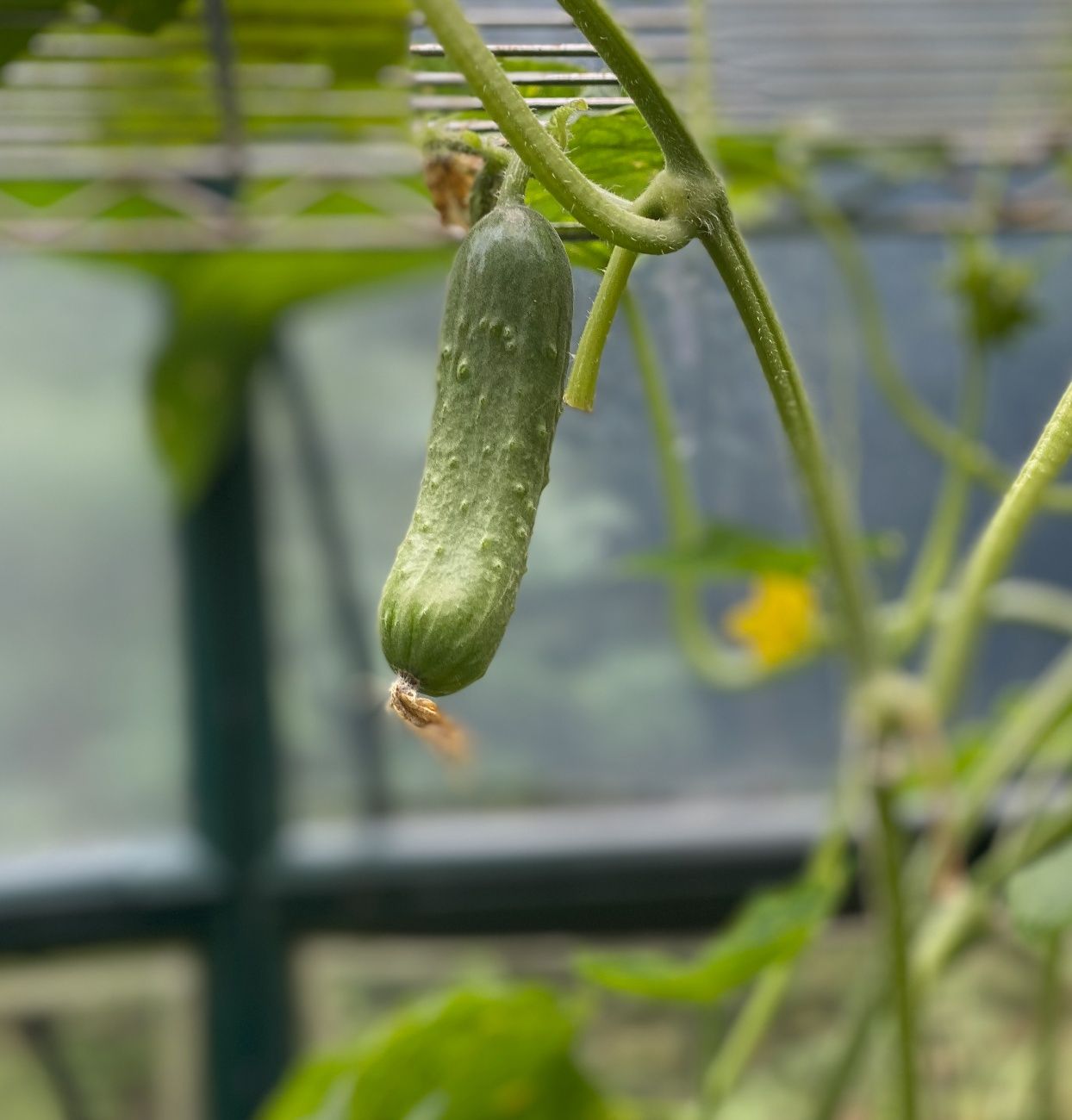
Cucumber
Another lunchbox favourite, whether in the form of fresh slices or pickles, cucumbers originated in India. Long valued in hot, dry climates, in ancient times, the fruits were considered an important portable source of liquid, as their green skins protected the moisture inside until it was needed. They were introduced to Europe by Alexander the Great and were subsequently brought to England by the Romans during their conquest. Both the Spaniards and the British introduced cucumbers to the Americas, where they were widely adopted and flourished. In modern times, few things are as quintessentially American as eating a hamburger or hot dog off the grill on a hot summer's day alongside a kosher dill pickle. Of course, kosher dill pickles were popularised in America by Jewish Eastern European immigrants who turned the progeny of those ancient Indian fruits into the tangy preserve that many consider almost as American as apple pie.
.jpeg)
Dahlia
Dahlias, which were originally known as cocoxochitl, were prized and cultivated by the Aztecs. When Cortés marched his army to Tenochtitlán (modern-day Mexico City) in 1519, the roads were lined with stands of them, attesting to the horticultural skills of the Aztecs. Seeds were inevitably shipped back to Europe, where botanists experimented with growing them, and in 1789, the Spanish King officially named the plant after the Swedish botanist Anders Dahl, who had hybridised a number of them. Originally botanists sought to develop it as an edible tuber, but this was eventually abandoned, and hybridisers instead began to concentrate on developing the flower. Dahlias would eventually gain popularity in the U.S. when the seedsman Peter Henderson began growing and hybridising them during the Civil War. I doubt that any serious gardeners will have missed the current dahlia craze, which seems to show no sign of abating, but I think it is equally likely that many will be unaware of their origins as a prized Aztec flower.
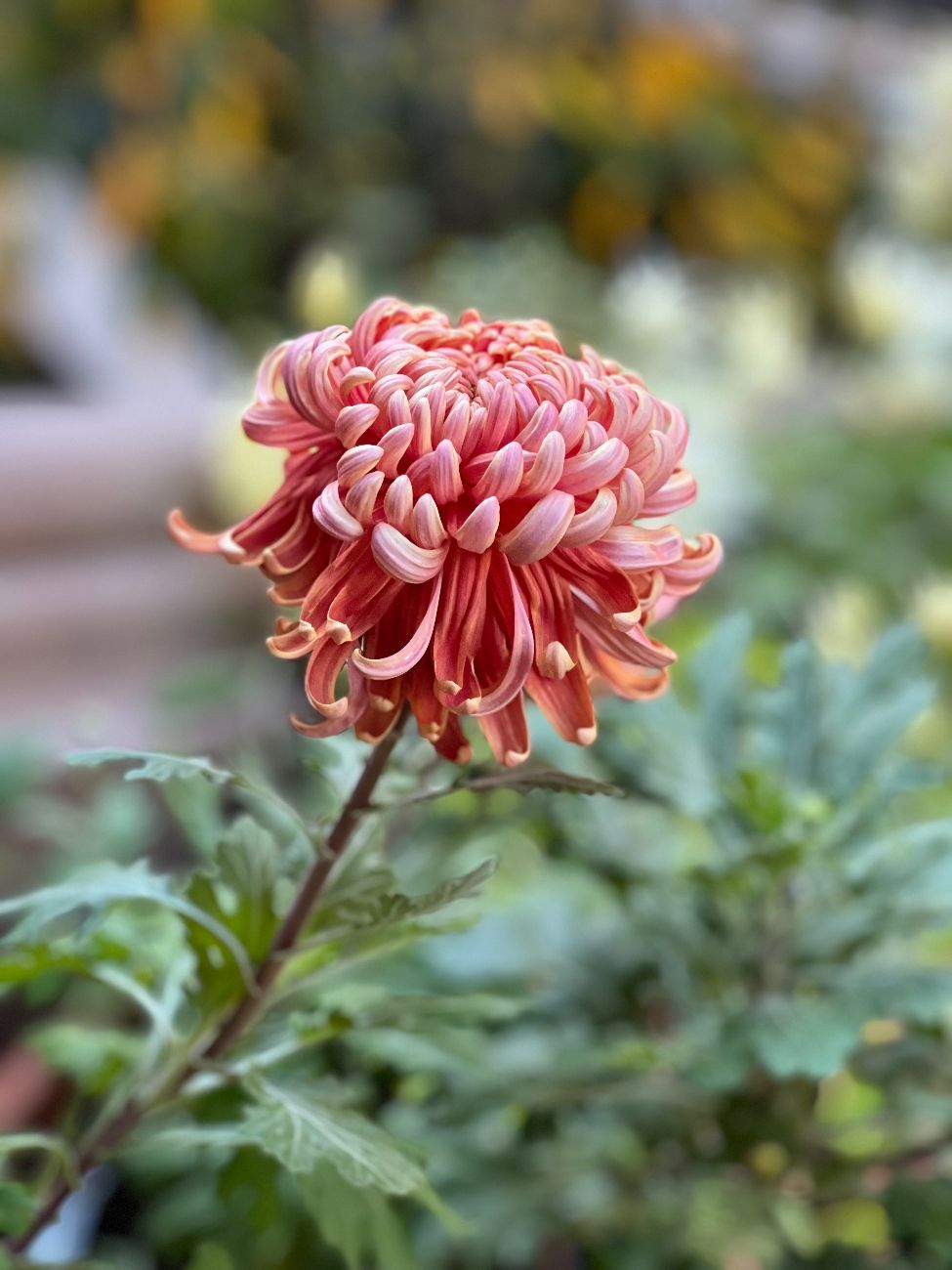
Chrysanthemum
The chrysanthemum was historically revered and bred by the Chinese, and is referred to in even their oldest literature. It is also the national flower of Japan, and is integral to the founding mythos of the empire whose monarchy is known as the Chrysanthemum Throne. The Japanese perfected hybridising and growing chrysanthemums. It is believed that Dutch traders first introduced chrysanthemums to Europe in the late 17th century, but it wasn't until the late 18th century that Europeans began to achieve success with the plants. Additional varieties of chrysanthemums were brought to England by the plant hunter Robert Fortune in the 1860s, and the English subsequently became enchanted with their hybridisation. Chrysanthemums were first introduced to North America by John Stevens, a nurseryman from New Jersey, in 1789. For over a century, their cultivation in the U.S. was limited in the northern states, by climate, to those who had access to hot houses and conservatories. This changed when plant breeders began focusing on developing hardier varieties, and they successfully turned the plant into one of America's most popular autumn garden plants. Indeed, each autumn, American garden centres are practically covered in an avalanche of potted mums for people to purchase and add to their displays. Fancy heirloom varieties, however, have still been limited to those who can provide them adequate shelter and the attention that they need to flourish. Recently, however, there has been a renewed focus on these more delicate heirloom or hothouse varieties, and they are quickly moving from being a quirky side project of nerdy gardeners into rivalling dahlias in their popularity as a cut flower. Those without hothouses, but with an interest in growing them, have become more willing to devote a corner and a dedicated light to them in the cold months so that they can enjoy their blossoms and nurse them through the winter. Recently, many an autumnal American bride has had her portrait taken while holding a bouquet of chrysanthemums.
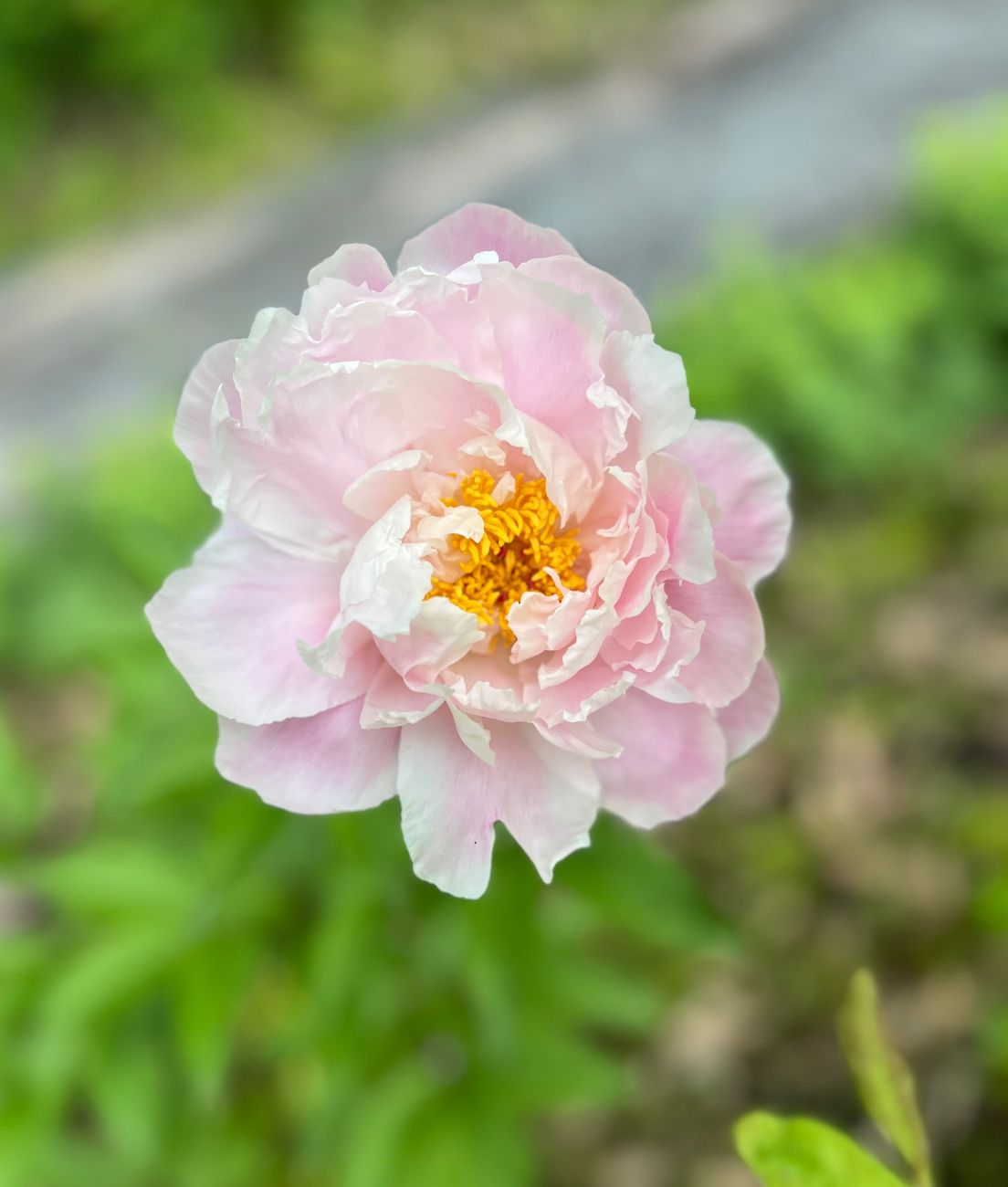
Peony
The herbaceous peony is native to China where it has been used medicinally and treasured for its beauty for millennia. By 320 BCE, it was included in a list of plants by Alexander the Great, and it is another of the many plants brought to England by the Romans. The early colonists brought it to America in the 1600s and it was prized in colonial gardens. Our founding fathers were particular fans; Jefferson grew it at Monticello and Washington at Mount Vernon. The pioneers would later bring it with them as they migrated west and spread its propagation throughout the northern reaches of the country. By the time of the 1876 Philadelphia Centennial Exposition, the peony was highlighted in the horticultural hall as being emblematic of the American spirit.
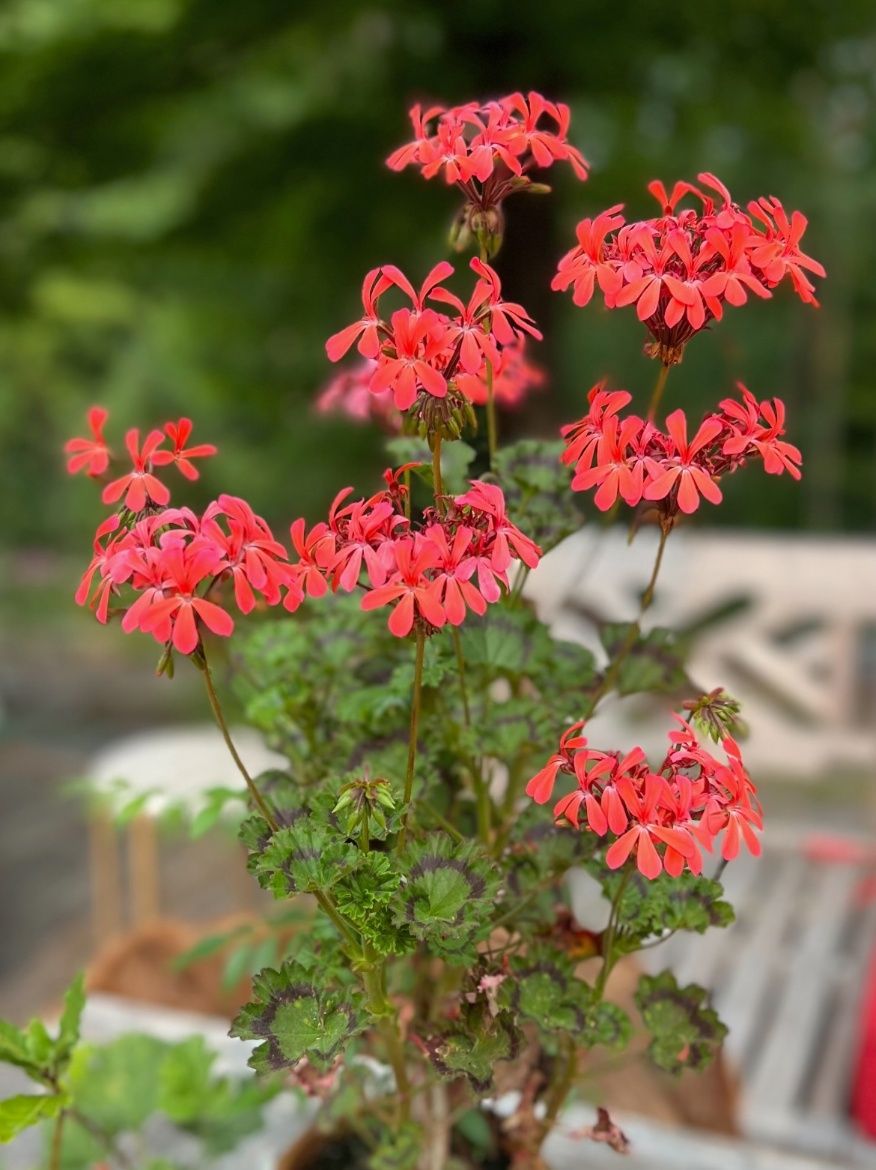
Pelargonium (popularly known in the U.S. as geraniums)
Pelargoniums were brought by plant hunters from South Africa to England in the early 1700s. They were popularised by Jefferson when he imported some plants in 1786 and have been a garden staple ever since. Popular in the U.S. for over two hundred years, they have been described as offering the garden 'a slice of Americana.' They are often displayed as potted plants, filling window boxes and planters across America.
The crux of this musing...
I could go on, and on, and on.... as the vast majority of the plants that we grow in our gardens originate from somewhere else. I tried to choose just a handful of popular plants that, despite their origins, are so commonplace that many just assume that they have always been available, despite their varied and disparate origins. Our gardens are all richer for these plants, and indeed, many couldn't imagine their lives or gardens without them, yet they all originated in areas where the people who originally cultivated them are not and were not white. And now, here in America, despite our foundational pride in being a country of immigrants, our government no longer welcomes them, especially if they are not white.
I (and I believe that this goes for most of us) don't want a homogeneous garden any more than I want a homogeneous country. Monocultures of all sorts are dangerous and weaken plant and human communities. My experience of gardening over the years is one of generosity. I have been blessed by people who have gifted me seeds, cuttings, and young plants, and I have tried to do the same. An overwhelming trait of most gardeners that I know is one of curiosity, combined always with an interest in trying something new, be it a new cultivar, or a new-to-them plant or vegetable. I hope that we as gardeners can carry this openness and curiosity over to our personal lives as well, so that we can welcome people from areas and cultures that are different from us with joy and curiosity, because if we don't, the road ahead is dark. What is currently happening in my country is as much poison as the pesticides we used to traditionally douse our gardens with, which, we have come to learn, harmed us as much as it did the pests we were trying to destroy.