Unlocking the Mysteries of Kek
Cake and gardens have long held each other in a passionate and lingering embrace. Would a garden centre or open garden still be the same without cakes?


- This article has been unlocked for everyone to read after its author James Alexander-Sinclair won Digital Writer of the Year at the Garden Media Guild awards 2025. Want to hear more from The Garden Collective? Subscribe now.
A few years ago I was on an aeroplane, staring out of the window at the clouds. Suddenly I am aware of a looming presence. “Hello” says the unsmiling flight attendant looking down on me from beneath a stern but not unflattering hat, “would you like kek?”
Kek?
I am confused and I can see that she is slightly disappointed as she allows a flicker of sadness to dart across her large brown eyes. Another idiot foreigner incapable of understanding his own language. She forces a smile and repeats, louder and more slowly “Would - you - like - kek?”
The penny drops. Ah - ha. Of course. Kek. Now you’re talking: of course I want Kek: I am a man who has never ever refused Kek. Indeed I come from a nation and work in an industry that values kek above most things. If you ever employ gardeners and you give them kek then they will love you forever.
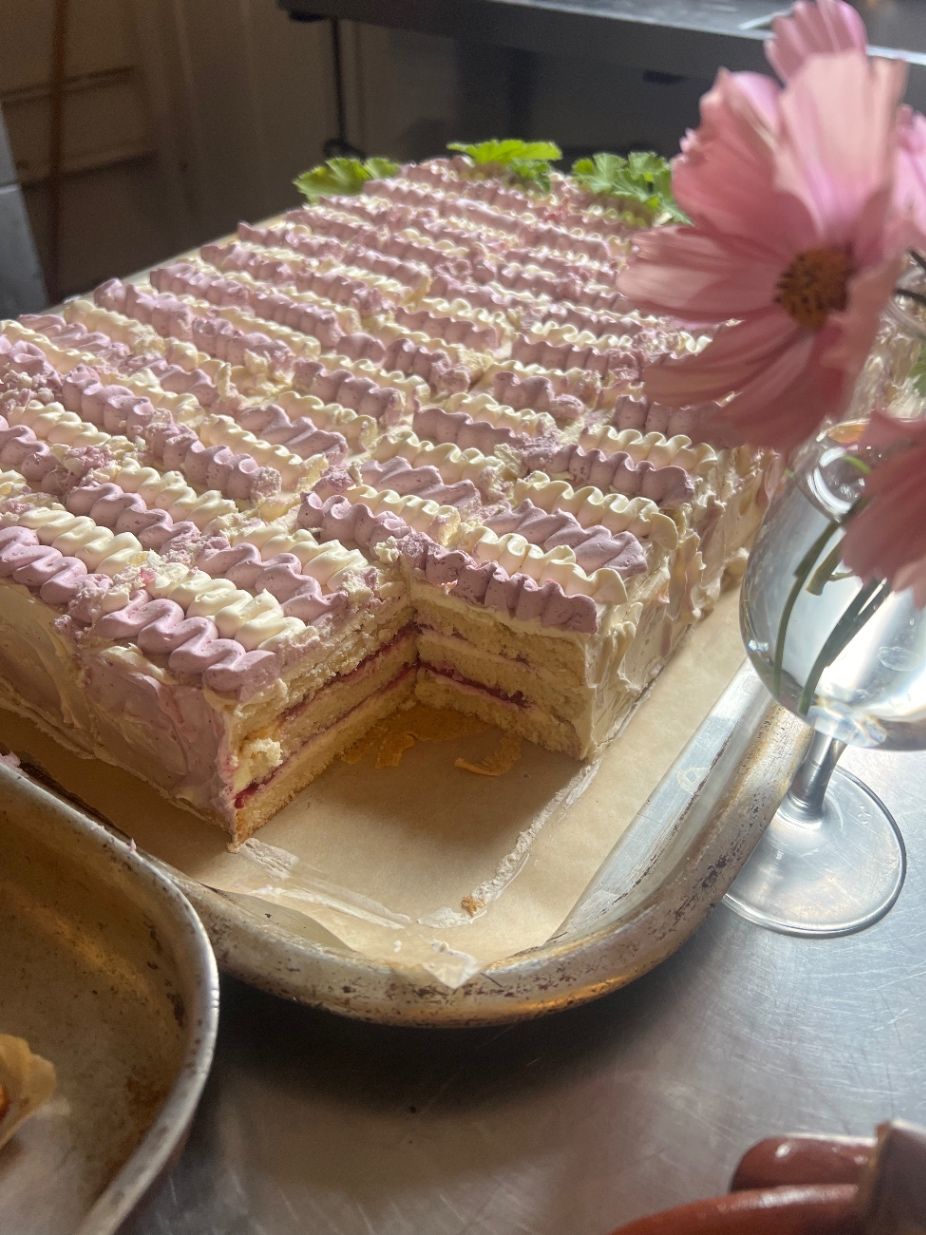
At its most obvious kek (or cake if we revert to the English) is the fuel upon which the gardeners of this country have run for ages. I have seen hefty landscapers shed a poignant tear when a client appears with a slice of homemade cake. Cake has almost magical powers to revive and rejuvenate the weary gardener after a long day fossicking in a border somewhere.
Cake in context
Cake features large in history - most of you will know about King Alfred’s burning of the cakes and be well aware of Marie Antoinette’s alleged dismissal of the starving peasantry with the instruction to “let them eat cake” (which is almost definitely a slanderous story). Cakes have marked endless coronations, weddings and state funerals with everything from ornate confections armoured with royal icing to slices of damp Battenberg dished up at Jubilee street parties.
It touches our literature: Lewis Carroll provided the jam tarts filched by the Knave of Hearts. Charles Dickens got in on the act in Bleak House with "a piece of the best plum-cake that can be got for money – sugar on the outside an inch thick, like fat on mutton chops”. Sir Gawain (as in the Green Knight) got twelve "exquisite cakes" to celebrate his birthday - which, I think, sets quite a serious precedent for future birthdays. In music, a cake appeared on the cover of the 1969 Rolling Stones album Let it Bleed, Frank Zappa raves about muffins and, in MacArthur Park, Richard Harris plaintively lamented the cake that had been left out in the rain.
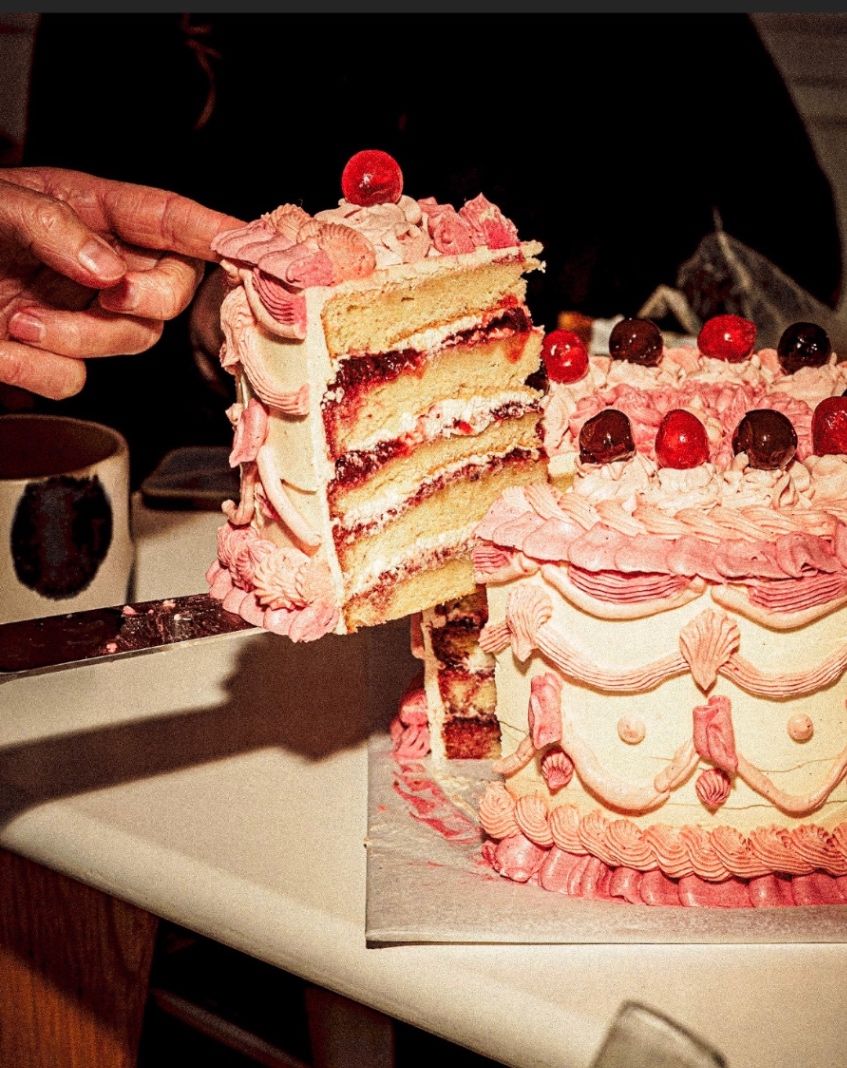
To bring it back to gardens: the 1970s saw the rise of the garden centre. Before this, garden shopping required both effort and patience: herbaceous plants were sent out, wrapped in newspaper, by nurseries in the autumn. Trees and roses bare-rooted in the winter, fertilisers and tools were sold by the ironmongers in the high street and gloves at the haberdasher. The garden centre brought all this together under one roof and added pet shops, books, jam, outdoor clothing and, of course, cakes. Now a visit to the garden centre was incomplete without a cup of tea and a Bakewell slice. Good for the garden centre's bottom line, not so good for the customers bottoms.
Buns or borders
Nowhere is this more obvious than in the work of the National Gardens Scheme (for more details flip to the writings of my fellow Scribehound George Plumptre) which has hit upon the perfect way to lure people out on a warm summer afternoon. They promise not only some sensational gardens but also an unlimited supply of homemade cakes thus snaring not only the keen gardeners but also those who are unbothered by gardens but find the siren call of a Victoria sponge impossible to resist.
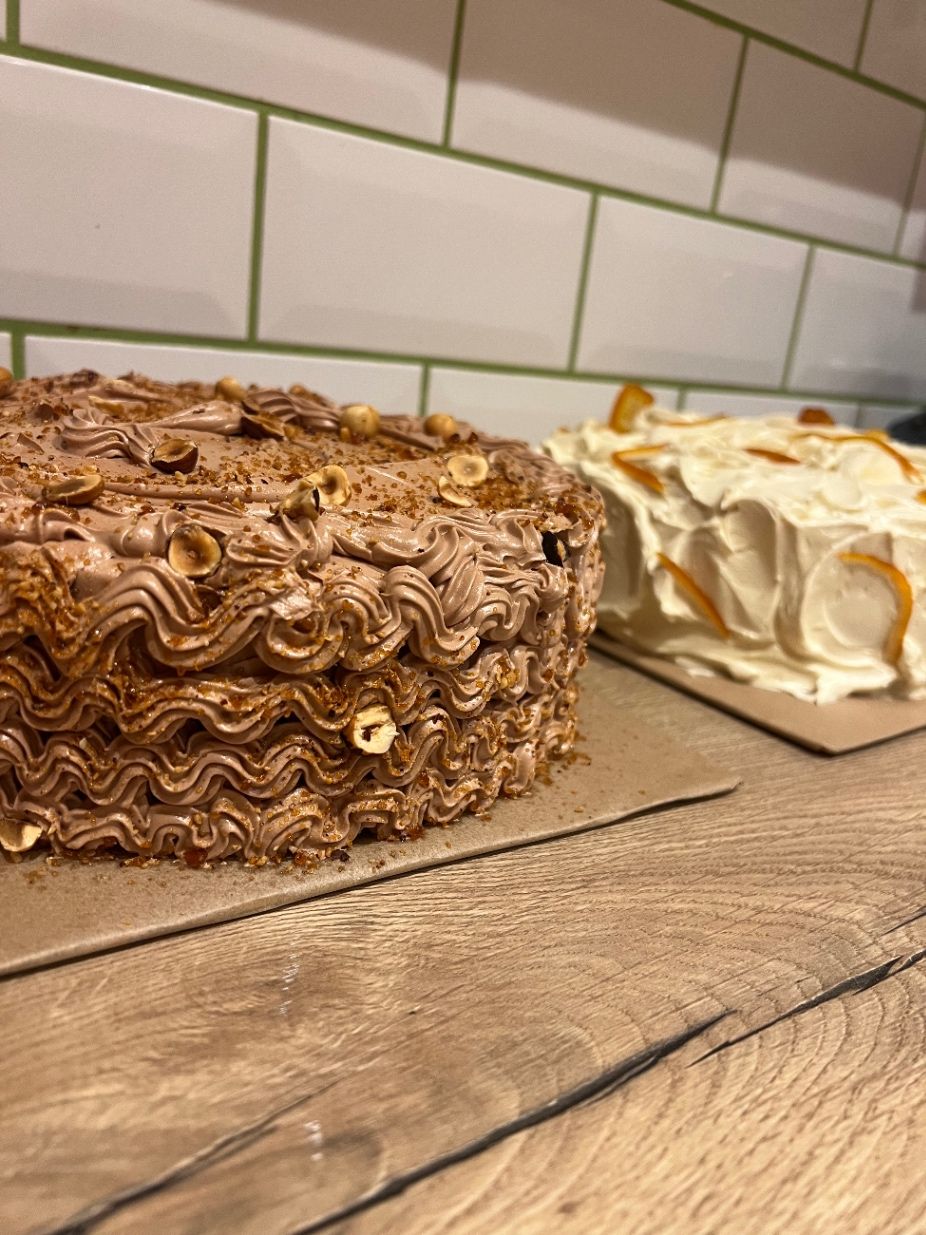
Interestingly those in the first category are often partners of those in the second category: that way lies domestic harmony. Clever visitors will know from previous visits that such-and-such a garden supplies an unimpeachable tray bake but they also know that there is only a finite supply so the canny will go straight for the cake and ignore the horticulture completely - especially if it is raining or a bit chilly. They can always go and see the borders later: or next time.
George tells me that providing a “tip-top tea as part of the NGS experience” has always been popular and particularly in 1950s and 1960s when the numbers of people signing up to open their gardens was at its peak. Afternoon tea is one of those rituals that came from the leisured classes. They found that the period between luncheon and dinner tended to lag a little: after all there is only so much embroidery, watercolouring, inspecting the tenantry and pianoforte playing that a body can take. To plug that gap a new meal was invented (probably by the Duchess of Bedford) consisting of small sandwiches and, of course, various cakes. This progressed from a way of battling through the boredom of a long afternoon into a social occasion and, hey presto, tea was invented and it was only a short jump to becoming a vital part of any garden opening.
Cake day
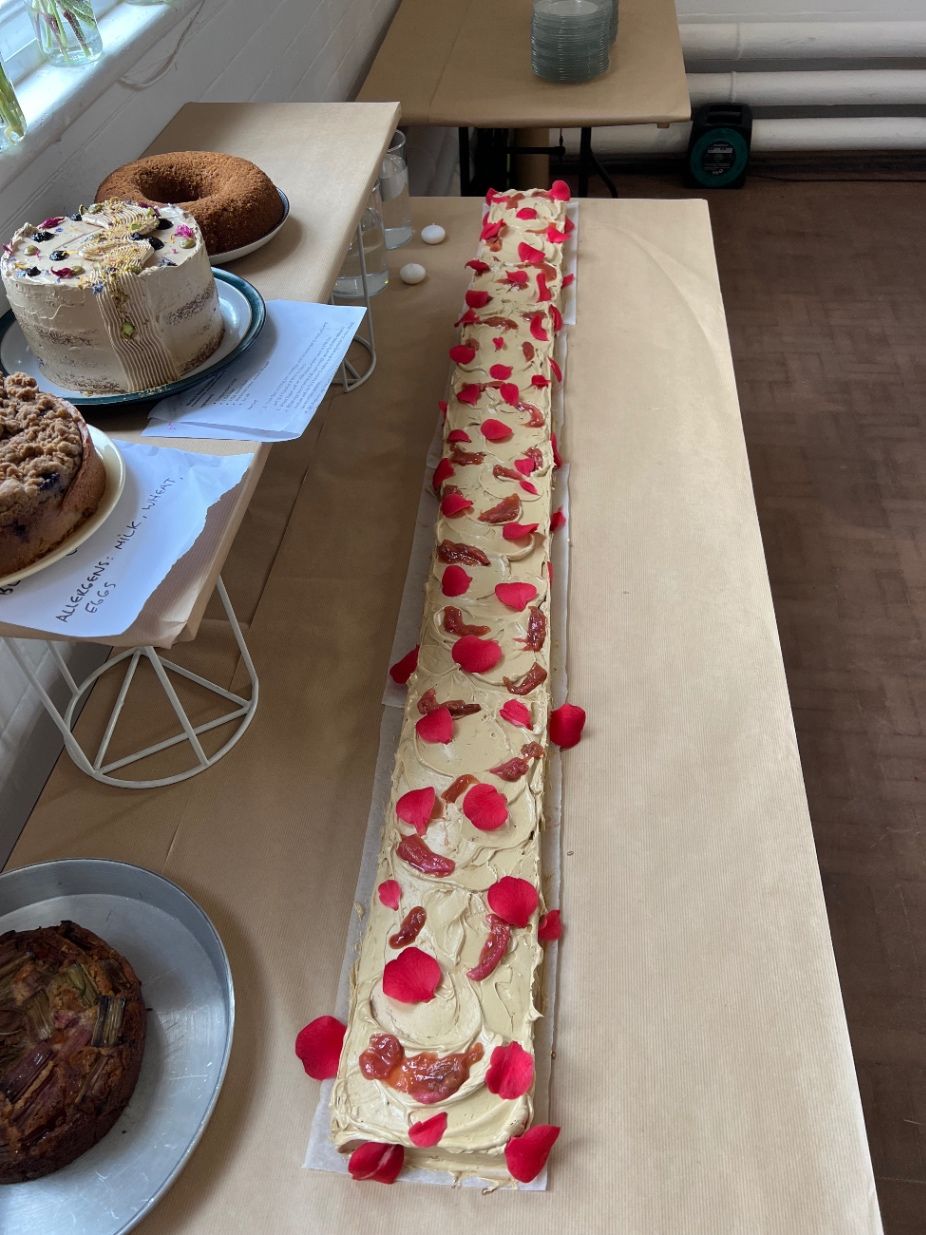
An example from my personal experience - years ago my mother-in-law (an excellent gardener) used to open her garden for the National Gardens Scheme. A lot of work was put into the garden in the weeks running up to this day. Plants were primped, lawn edges were tonsured and paths raked. However, in our house (which contained three small children) the horticulture was taken for granted and was considered to be of limited interest in comparison to the excitement of the cake stall. The privilege of being selected by the slightly scary county organiser, the nervousness endemic in opening one’s garden to a critical public was as naught compared to the prospect of a limitless supply of cakes. Rather than Open Gardens Day - it was quickly rechristened Cake Day and that is what it will be to us: always and forever. It had such an effect on my daughter (whether conscious or unconscious) that she is now a pastry chef of great distinction.
Overseas cake
Of course other nations also have fine cake. I spent a large part of my childhood in Germany where kafe and kuchen was an established ritual. On special occasions we would be taken to a dark timbered cafe and sit, surrounded by solid matrons in solid millinery sombrely tucking into solid slices of Schwarzwalder Kuchen or quark cake with mandarins while sipping small cups of coffee. For many of the customers a heavy slab of cream cake was augmented by an extra dollop of cream. The culinary equivalent of gilding a lily. In America I have chased cupcakes in New York and pumpkin pie in California. The French have pastries (and Proust's Madeleine), the Turks baklava, the Scandinavians cinnamon buns and the Australians have Lamingtons. But, for garden openings the public far prefer the old favourites.
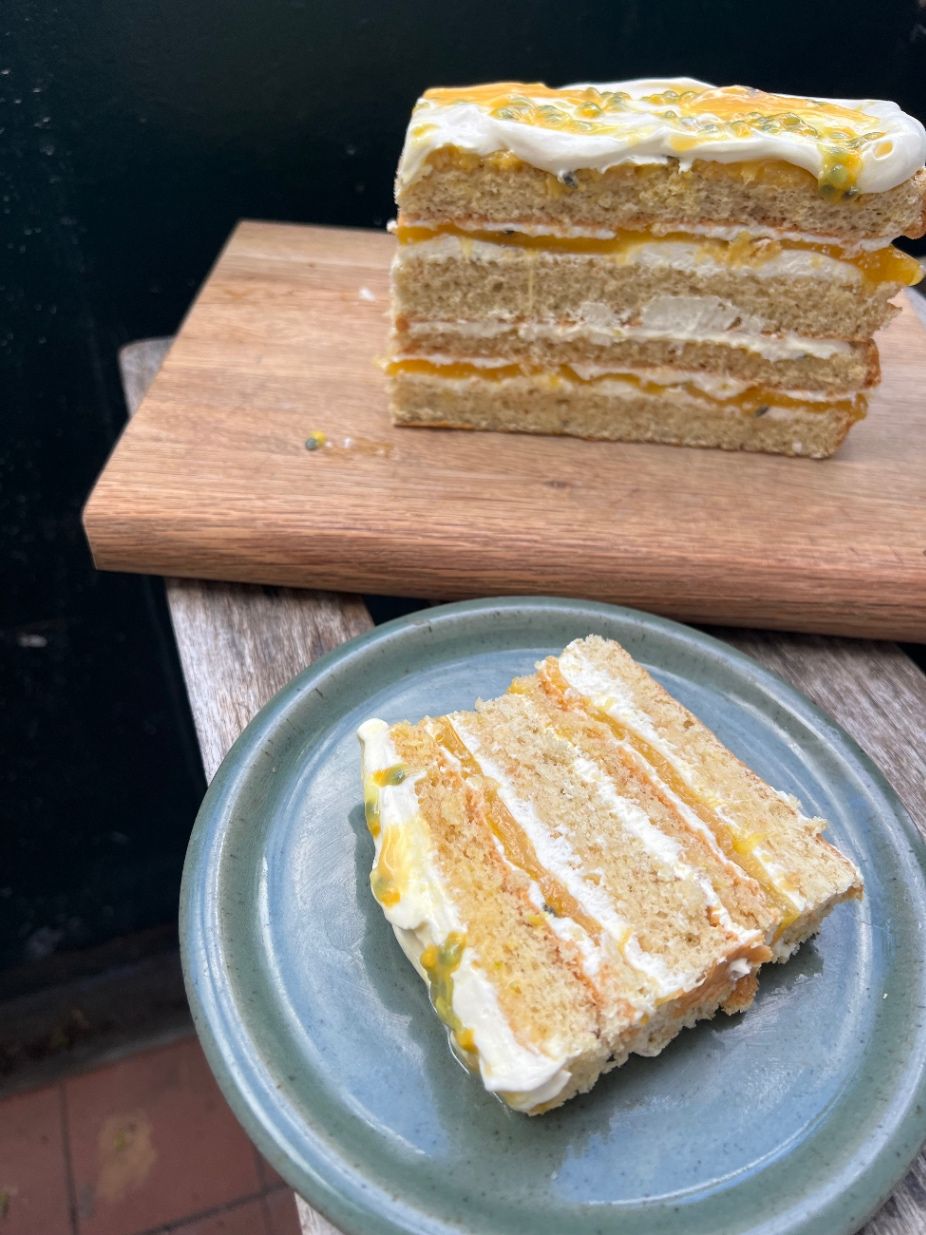
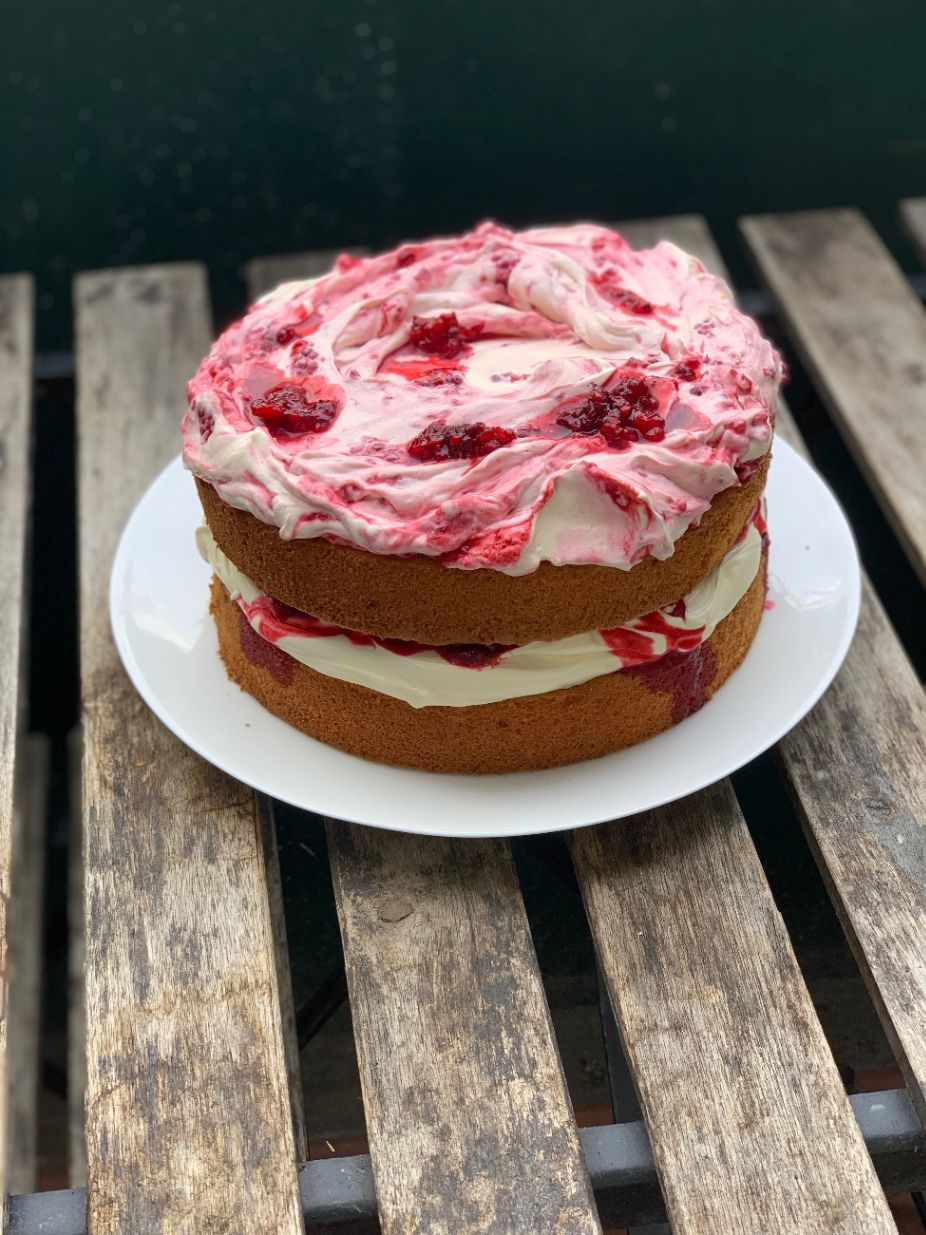
According to George Plumptre the top three cakes in NGS Gardens are the Victoria sponge (fresh cream and, ideally, home grown strawberries picked that day), a tart Lemon Drizzle and the old (and slightly sickly) favourite, coffee and walnut. In the runner up positions are chocolate layer cakes, rock buns, brownies and flapjacks.
In short, an open garden without a cake stall will, no matter how glorious the borders or how majestic the tree cover, always be slightly disappointing.
Long live kek.