When Lilacs Last in the Dooryard Bloom’d
Gardens, memory, and nostalgia.

.jpeg)
As a child, going to the nursery with my grandmother and mother was a spring ritual, and I would wait while they picked out annual bedding plants for their gardens. Each year they would bring home flats of petunias and impatiens, which they would then plant, both in the ground and in hanging baskets and planters. I disliked each and every one. I aspired to greater things and lusted after perennials that wouldn't have stood a chance in the tundra-like winters of the Dakotas. Similarly, there was a Harrison rose at the corner of our house that I turned up my nose at. It was plain and boring. I wanted voluptuous cabbage-type roses. Our neighbour's garden was full of white daisies, and our entire town was abundantly dotted with purple lilacs, yet I was not impressed. Neither did the stands of white double peonies lovingly cultivated, nor the German bearded irises that were the pride of many a garden, earn my admiration. Ditto zinnias, hollyhocks, pansies, snapdragons, pelargoniums, begonias, etc.
The issue was that I was young (insufferable?) and that I had seen that there were other possibilities through the wonders of PBS (the public broadcasting service) that screened British programmes and opened my eyes to English-style gardening. This was in addition to the fact that while I was unusually interested in gardening for my age, I held the typical desire of teenagers everywhere to be different and unique. This was a tall order in the gardening world of the Dakotas in the early 1980s. There were a handful of nurseries, but they were mostly seasonal extensions of florist shops, and their offerings were very limited to generic and inexpensive bedding plants and vegetable starts. No one whom I grew up with knew about, much less coveted, the newest cultivars. This might seem impossible today in the world of social media, where anyone with the slightest interest in gardening can be immediately bombarded with ads and information, but it was a different time. There were a couple of gardening catalogues that sold varieties of hardy plants (mostly seeds) that were suitable for the prairie, but to get any other catalogues you had to know about them and request one.

As a teen, I managed to get a hold of a fancier catalogue from a nursery in Ohio and ordered a smattering of perennials. You can read about that fiasco here. Doing so seemed so unusual and was such a shot in the dark at the time, though I now regularly order plants by mail and don't think twice about it. How times have changed. As a teenager, I loved gardening (or at least certain aspects of it), but I did not want my garden to look like everyone else's because in the Dakotas at that time, most everybody's gardens held the same plants. Some had a bit more variety than others; the design might be a bit different from garden to garden, but the ingredients were generally the same.
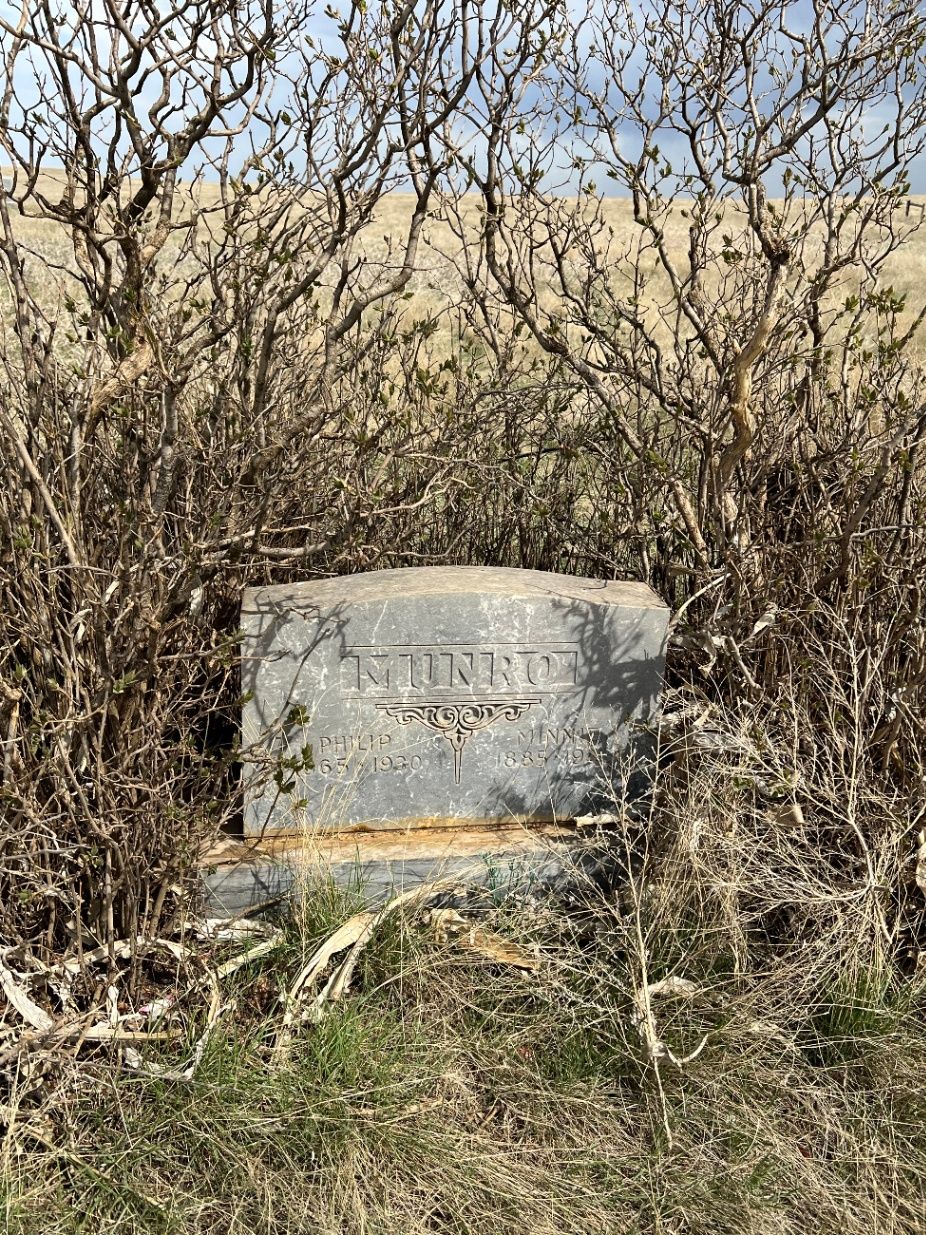
The part that I missed and did not appreciate at the time, was how those gardens were a testament to surviving adversity and creating beauty in the face of scarcity. People who had generally come to the prairie with little to nothing had brought with them not just seeds that would provide them with sustenance, they had also brought seeds and roots for plants that they simply found beautiful. Flowers were a very small percentage of what they grew; most of their efforts were devoted to growing food, but despite this, they still sought and cultivated beauty that could thrive in a difficult climate and shared that beauty with each other. This was why everyone had the same flowers; they shared their garden plants. Everyone had the same generic purple lilacs and Harrison roses because they were hardy and easily shared through root suckers. Peonies and irises were divided, pelargoniums (which we knew as geraniums) and begonias were overwintered in back bedrooms to be shared as rooted cuttings, and seeds were freely passed around. I can think of no one who didn't share divisions, cuttings, and seeds generously and easily. Trying to scrape a life from the land on the prairie was hard, and it did not make sense to hoard beauty to oneself. A testament to the difficulties of farming and ranching on the prairie is the plethora of lilacs that dot the landscape; lilacs that once graced farmsteads and now are the only vestige of farms long ago abandoned. Lilacs were also used in graveyards to mark the graves of loved ones. Together, these provide a poignant reminder of the hopes, dreams, and lives of those who came before.
I have long since left the Dakotas; in fact, I have now spent more of my life away than I did there. And, I have managed to fill all of my gardens since with a plethora of flowers that tickle my fancy. I have abundant masses of cabbage roses and a diverse assortment of perennials that I had never even heard of growing up, and I am constantly trying out new annuals. My gardens bear little resemblance to those I grew up with, but over the years, certain elements have crept in that echo the gardens of my childhood.
All things come around
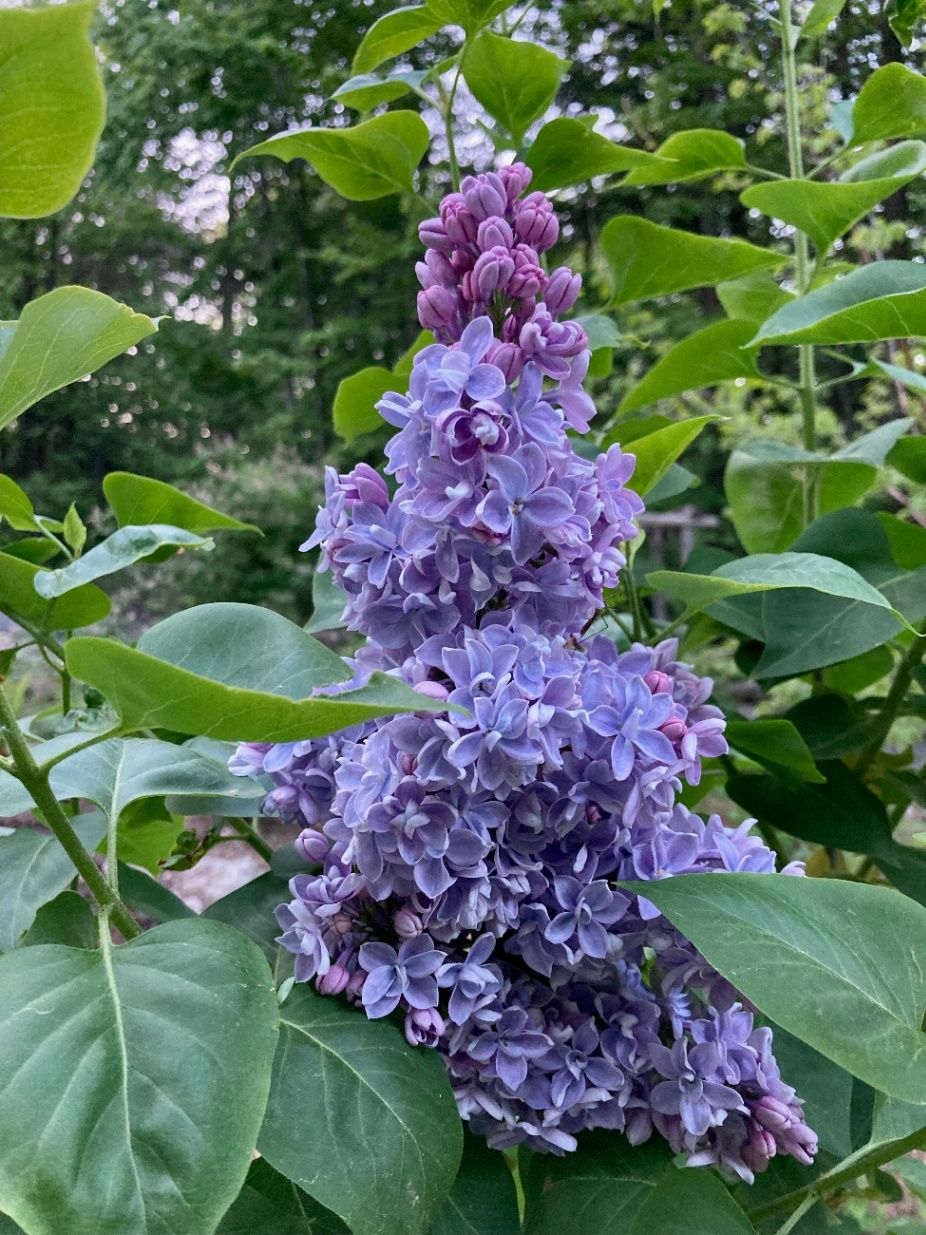
For years, I held the line against those dreaded plants of my childhood, and then something strange happened. I began to covet them and the memories that they brought back. It started with the lilacs. My husband loves lilacs, and I have had lilacs in every garden that I have owned, but they had always been there when we moved in. I, however, did not particularly appreciate them; they were just there, and I never planted any until we built a house. Then, suddenly I realised that a garden did not feel like a garden to me without a lilac. Those formerly boring bushes that only bloomed for a short time each spring became the stuff of fantasy for me, and I planted several and anxiously waited for the couple of years it took for them to bloom.
By the time we moved to our current garden, I began collecting lilac varieties, and much to my husband's delight, we now have twelve different types of lilacs, from the generic purple to fancy hybrids. Each spring when they flower, the scent is intoxicating, and I find that they vividly bring to my mind a stunning bouquet my mother made one spring as a model for a still life. Suddenly, I am once again four or five and playing on the ground next to the table where she painted, both of us enveloped in their aroma.
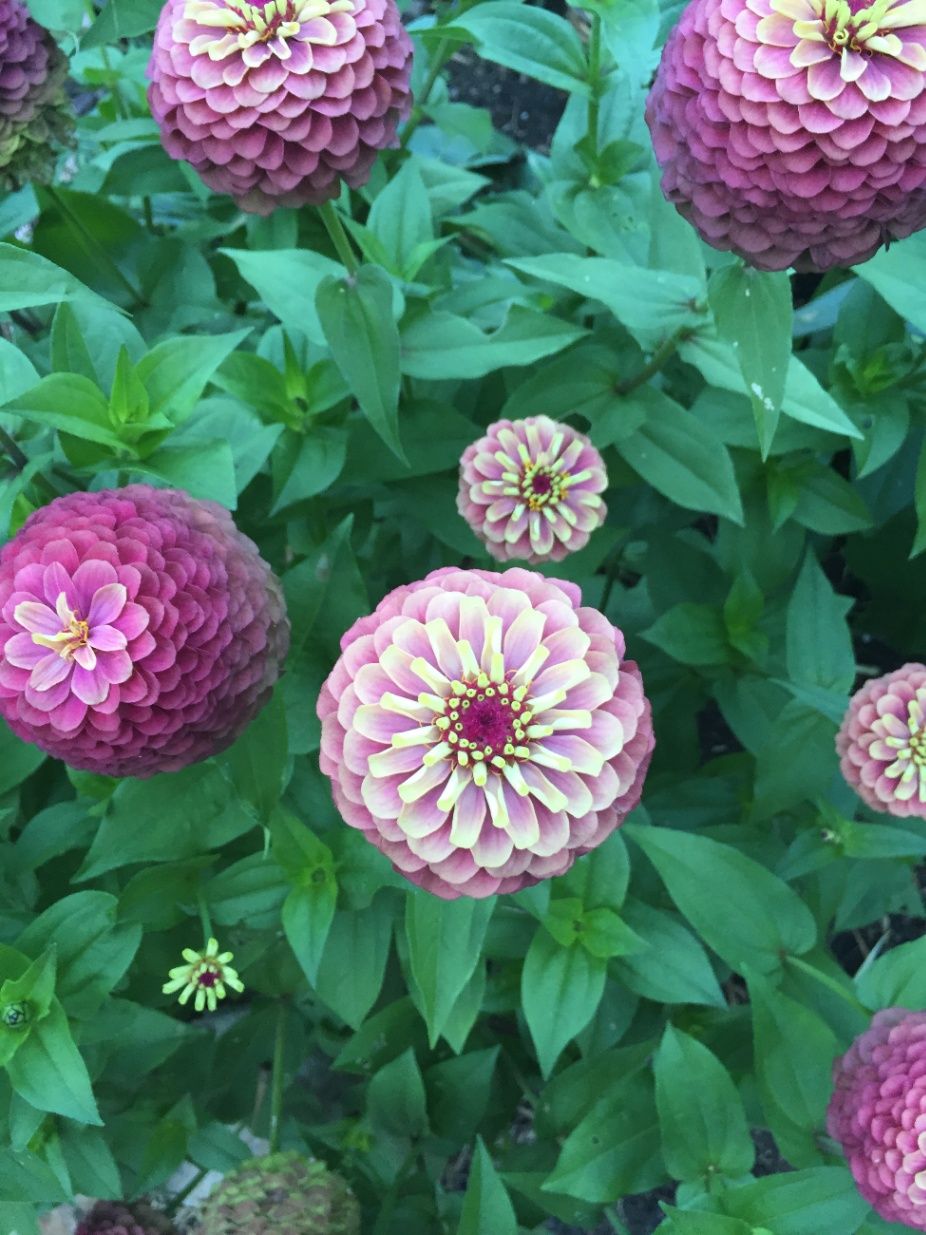
Soon after I bought the lilacs, I saw some hollyhocks and remembered the hollyhock dolls I would make from their flowers, and their funny coin purse seed pods, and decided that my children should have an opportunity to make hollyhock flower dolls. Somehow, my fond memories of playing with the flowers as a little girl completely obliterated my teenage opinions, and in came the hollyhocks. Then came the zinnias, followed by marigolds and pansies. There is a bit of a caveat, however, that while these were all flowers that had met with my disdain as a young adult, they weren't quite the same. Other than a few common purple lilacs, the varieties that I chose were much fancier than those I grew up with. I planted more unusual examples such as crème de cassis hollyhocks and queen red lime zinnias, so they weren't exactly the same as the ones I turned up my nose at in my teens. Similar, but in my mind better.
That is until the pelargoniums. One summer, I walked into a nursery with a display of fairly generic red and white zonal pelargoniums and was suddenly transported to my grandmother's front garden when we were filling a planter with flowers just like these. I remembered the hot spring weather and the cool feel of the soil. I could hear the particular way that my grandmother would purse and smack her lips around a toothpick as she worked and could see her sitting on the chair brought out next to the planter where she would sit because of her bad knees. Needless to say, I brought home several red and white pelargoniums that day and have had some each summer since. These were not fancier versions of the flowers of my childhood but carbon copies, and I loved them for it. That fall, I ordered a bare-root Harrison rose.
The next plant to cross the Rubicon were petunias. I particularly loathed petunias as a child. I did not like the feel of their foliage or the way their flowers melted when they went past, but my youngest fell in love with a purple petunia at a nursery early one summer and begged me to let her get it. I have to admit, I struggled not to turn up my nose at it, but not wanting to discourage her love of gardening in any way, I relented and even had her pick out a couple more as one petunia would look pretty sad in a planter. When we returned home, she planted them in a large planter surrounding a dahlia. As they grew and hung languorously over the edge of the planter, I could recall looking up at baskets of lush petunias hanging around our patio as a child while I lay on a chaise reading. A very grounding feeling of home came over me, and I knew that I would never again be rid of petunias. I currently have several flats of seedlings maturing as I write this.
Taste is a funny thing, as is memory, and both seem to shift and mutate over the years. I often find that the more commonplace my memories are, the more meaningful they seem. It isn't the family trips or celebrations that stand to the fore in my mind, but the feelings of safety and the security of being in the presence of those I love and who love me performing everyday tasks. For me, many of these feelings and memories are intrinsically tied to the time I spent as a child surrounded by both plants and loved ones as we worked in the garden. Much that I found to be mundane and boring as a child are the things that now offer me a sense of rootedness and connection, particularly important in a world that feels uncertain and as if it is careening away from those values. When it comes to memory, gardens can be especially joyful and poignant places, particularly considering the ways in which scent so vividly brings back images from the past. With a nod to T. S. Eliot, it does seem that through memory, time present and time past do reside together in my garden, and when I think of my youngest and her thrill at her petunias, time future is there as well.