When The Garden Stops Performing
As winter strips the garden back to its bones, do we let it rest,or demand it still look good? A quiet reflection on beauty, intention and what we’re really asking of our gardens when the colour fades

Should Gardens Ever Look Good Over Winter?
By the time winter arrives, the garden has usually let go of its need to impress. Growth slows, colour drains away, and what remains is a quieter, often awkward thing: seedheads sagging under frost, stems leaning where they once stood proud, soil exposed and damp. To some eyes, this is neglect. To others, it is honesty.
The question of whether a garden should look “good” in winter is one that sounds simple but isn’t. Because underneath it sits another question altogether: what, exactly, do we ask of our gardens?

For many years, gardeners have been encouraged to think in terms of “year-round interest”. It’s become a catch-all phrase, usually shorthand for evergreens, tidy structure, and some reliable visual reward even on the bleakest January day. There is nothing inherently wrong with this. We live alongside our gardens, often seeing them from a kitchen window when the light is low and spirits lower. Wanting reassurance from them at such times is deeply human.
And yet.
There is a risk that in demanding our gardens look good through winter, we deny them the right to rest—and ourselves too.
Winter is not a failure of the garden. It is the garden fulfilling a different role. Those collapsed stems and faded flowers that can seem so disappointing in December are doing vital work. Seedheads feed birds. Hollow stems house insects. Fallen leaves insulate soil, protect roots, and quietly return what was borrowed in summer. Tidiness at this point can feel productive, but often it is destructive, dismantling life in the name of order.
I am often struck by how uneasy we have become with visible decline. We celebrate gardens at their peak, June borders bursting, August abundance spilling over paths, but we struggle with their retreat. Brown has become an undesirable colour. Stillness an absence. As if the garden should always be performing, always available.
But gardens are not displays. They are systems. And systems need downtime.
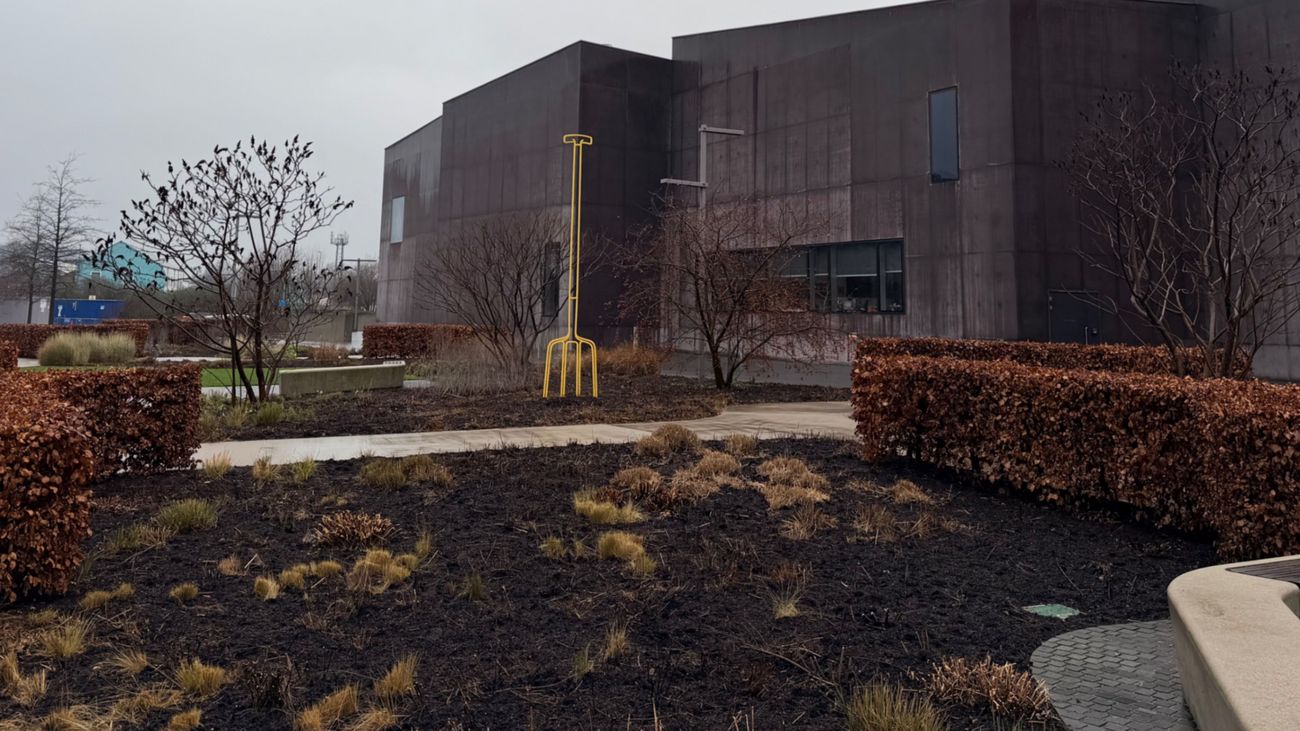
There is also something to be said for allowing a garden to show its bones. Winter strips away distraction. Without leaf or flower, structure matters. The angle of a branch. The shape of a hedge. The relationship between ground and sky. A garden that feels coherent in winter, even if it is sparse, is often the one that has been thoughtfully laid out rather than endlessly decorated.
This is not the same thing as looking “good” in the conventional sense. Winter beauty is quieter and more ambiguous. It might be found in the way frost catches on grass stems, or how low sunlight grazes a rough wall. It asks us to pay attention rather than be entertained.
And yet we must be careful not to romanticise neglect either.
One of the strongest arguments for winter interest is not aesthetic but emotional. A garden that looks entirely abandoned can be read as unloved, even by the gardener themselves. When days are short and motivation thin, a sense of care can be hard to sustain if the garden appears to have given up altogether. Structure, whether that’s evergreen planting, strong paths, or deliberate pauses of space—can anchor us through winter. It reminds us that the garden is still there, waiting.
There is also the reality that many gardeners do not live alone in the landscape. Neighbours, passers-by, housing developers, estate agents, each brings their own expectations. In tightly packed urban and new-build settings, a winter garden that reads as “messy” is more vulnerable. Vulnerable to complaint, to being tidied on someone else’s terms, or to being paved over altogether in the name of improvement.
In that sense, designing for winter presence, rather than winter prettiness, can be an act of protection.
So perhaps the question is not whether gardens should look good over winter, but whether they should look intentional.
An intentional winter garden does not rely on endless evergreen shrubs or clipped shapes. It may still be largely brown, skeletal, even messy. But that mess has a logic to it. Paths remain visible. Edges are held. There are signs, subtle ones, that the gardener has chosen to stop, rather than failed to continue.
This distinction matters. It allows us to resist the pressure for constant control without relinquishing care.
There is also something quietly radical in accepting that winter asks different things of us. Summer is expansive. It rewards action, ambition, planting plans drawn up in hope. Winter, by contrast, rewards patience. Observation. A willingness to let go of outcome. In allowing a garden to be less beautiful by conventional standards, we might find it becomes more truthful.
I often think that our discomfort with winter gardens mirrors our discomfort with winter itself. We hurry it along. We distract ourselves. We cover it up. But seasons, like gardens, lose their meaning if we smooth them into sameness.
A garden that looks resolutely alive in winter can sometimes feel suspiciously static. A garden that visibly dies back, that allows collapse and decay, is telling us something important: that this is not an object, but a living process.
And yet, it is also entirely reasonable to want pleasure from the view outside your window in January. We should not shame gardeners for craving beauty when light is scarce. The mistake is in assuming beauty has only one form.
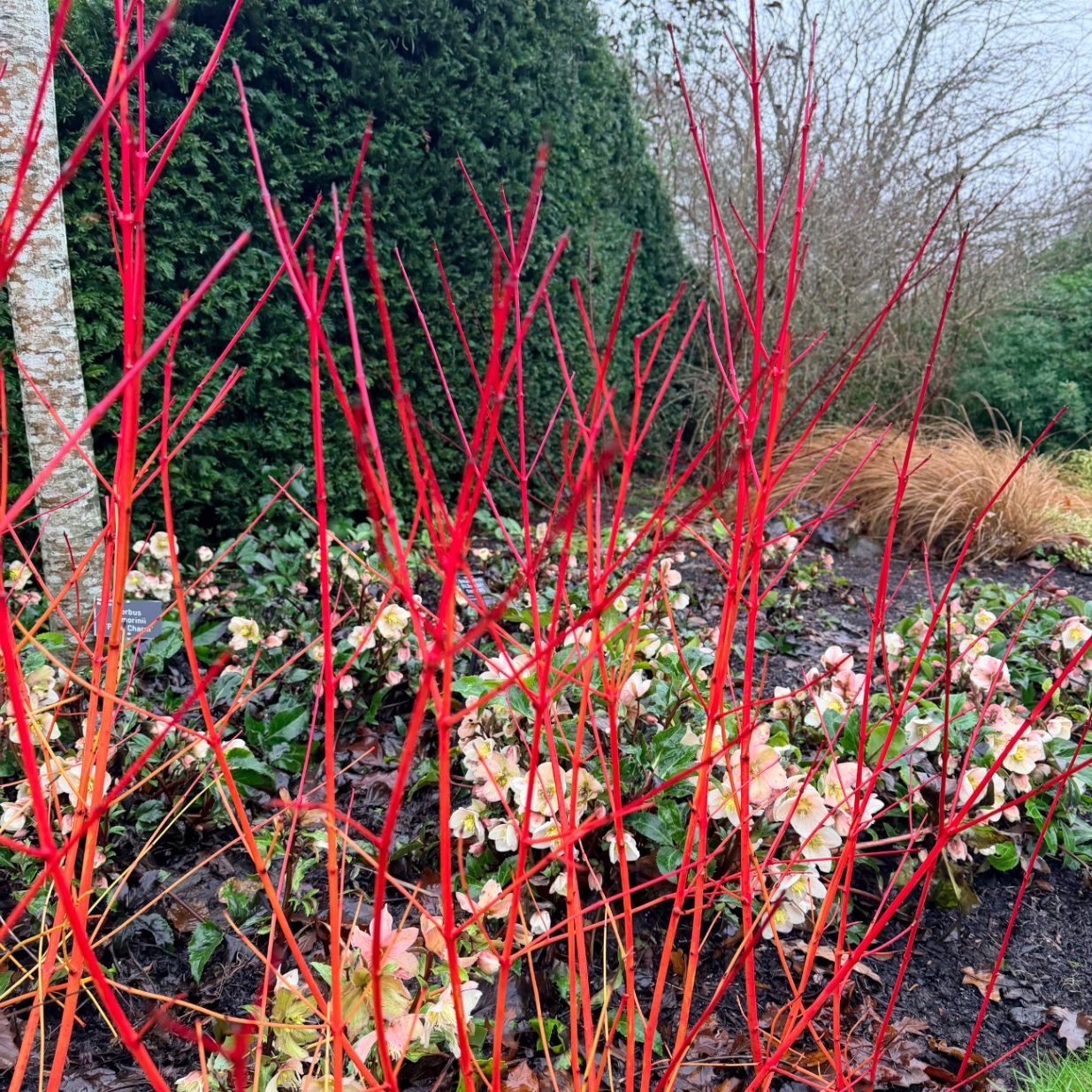
Winter beauty is lean. It is about line, shadow, texture, silence. It will not shout at you. You have to step closer.
So should gardens ever look good over winter?
Perhaps they should look considered rather than composed. Held rather than controlled. Allowed to rest, but not erased.
If we can learn to value that state—to recognise that a quiet garden is not an empty one—we may find winter becomes less something to endure and more something to notice.
And in doing so, we might finally allow our gardens, and ourselves, the grace of not having to perform all year round.