Where Art and Nature Converse: The Hepworth Garden’s Magic
The Hepworth Garden: A Quiet Dialogue Between Art and Nature

There are places where art and landscape seem to speak to each other with a kind of gentle familiarity. The Hepworth Garden in Wakefield is one of those rare places where the calm presence of sculpture lives at ease among plants that sway and shimmer in the Yorkshire light. There is an unmistakable sense that each element knows its place and that each occupies it with a serene confidence. It is a garden that persuades rather than demands. It leads the visitor not through instruction but through invitation.
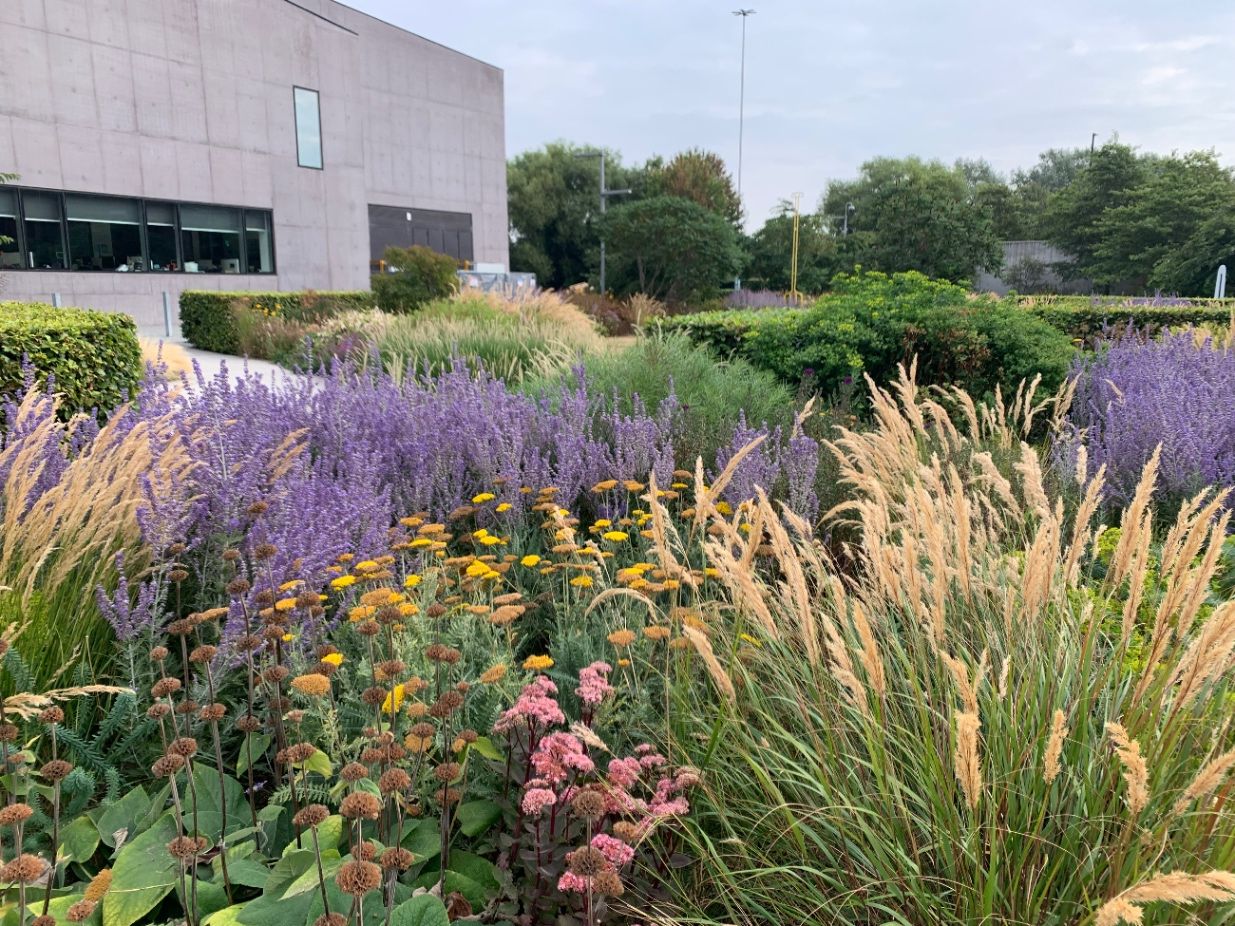
Designed by Tom Stuart-Smith, the garden sits in harmony with David Chipperfield’s striking concrete building which houses the Hepworth Wakefield. The gallery itself is composed of sharp angles and smooth planes. It looks almost like a collection of sculpted blocks placed with deliberate care beside the River Calder. It can appear cool at first glance. But set beside it is the garden, which acts like a soft breath around the edges. It brings warmth, movement, and a sense of living time to a place devoted to the stillness of art. Walking from street to garden to gallery feels like moving through different tempos of the same piece of music.
The first impression is often a sense of release. The garden opens itself gradually. It is not a grand or theatrical reveal but something more natural. A gentle unwinding. Grasses catch the breeze with a lightness that suggests the landscape is breathing. Plants of varied height form soft layers that guide the eye upward and downward. From the very start it is clear that the planting is intended to be felt as a living conversation rather than an ornamental border.

A Garden that Breathes with Light
Tom Stuart-Smith has a rare gift for creating plantings that feel both free and composed. He allows plants to behave as they wish, while offering a structure that holds the whole scene together with calm clarity. In the Hepworth Garden this method suits the modern architecture with remarkable sensitivity. Tall perennials rise with assurance. Fine textured grasses drift like ripples on water. Rounded umbels lift themselves as if listening to the wind. It all appears spontaneous yet is underpinned by deliberate thought.
Light is perhaps the most expressive material in this garden. On a bright day the tall seed heads of Stipa gigantea shimmer with a warm gold that seems suspended in the air. The delicate hairs of Deschampsia glint in the sun like strands of spun glass. The luminous purple of Verbena bonariensis catches the eye from almost any angle and seems to float. The plants do not simply fill space. They hold and shape the light.
Colour plays a quieter role but it is no less important. The deep crimson tones of Persicaria, the soft blues and mauves of asters and salvias, and the gentle whites that rest among them shape the overall rhythm. Nothing feels forced. Nothing jars. The palette seems to have been softened by river air and open sky. It is a fitting counterpart to the sculpture of Barbara Hepworth, which carries its own quiet intensity without showiness or sentiment.
A Space for Pause and Reflection
One of the most compelling qualities of the garden is the way it invites the visitor to rest for a moment. Paths wind through the planting in a way that encourages slow movement rather than haste. They lead you not to a single destination but through a series of moments. The seating is placed with obvious care. Morning sun warms one side of the garden. Later light settles gently on another. Each bench feels like an invitation to stay awhile. To lean back. To watch the wind move through the grasses.
A successful public garden creates a sense of belonging. It provides space for many kinds of people to enjoy it. Families gather after visiting the galleries. Children run freely among the tall stems. Artists sketch quietly in corners. Gardeners tend their work with steady attention. The Hepworth Garden accommodates all of this with a grace that speaks not only of good design but also of good intention.
This garden does more than offer an attractive approach to the gallery. It acts as a transition. A softening of the mind before stepping indoors to experience sculpture. Plants teach the visitor to look more closely, to notice shifts of shape and rhythm. The rise and fall of stems. The natural arcs of seed heads. The calm emptiness of the spaces between them. Without instruction, the garden prepares the eye for art.
The Sculptural Rhythm of the Seasons
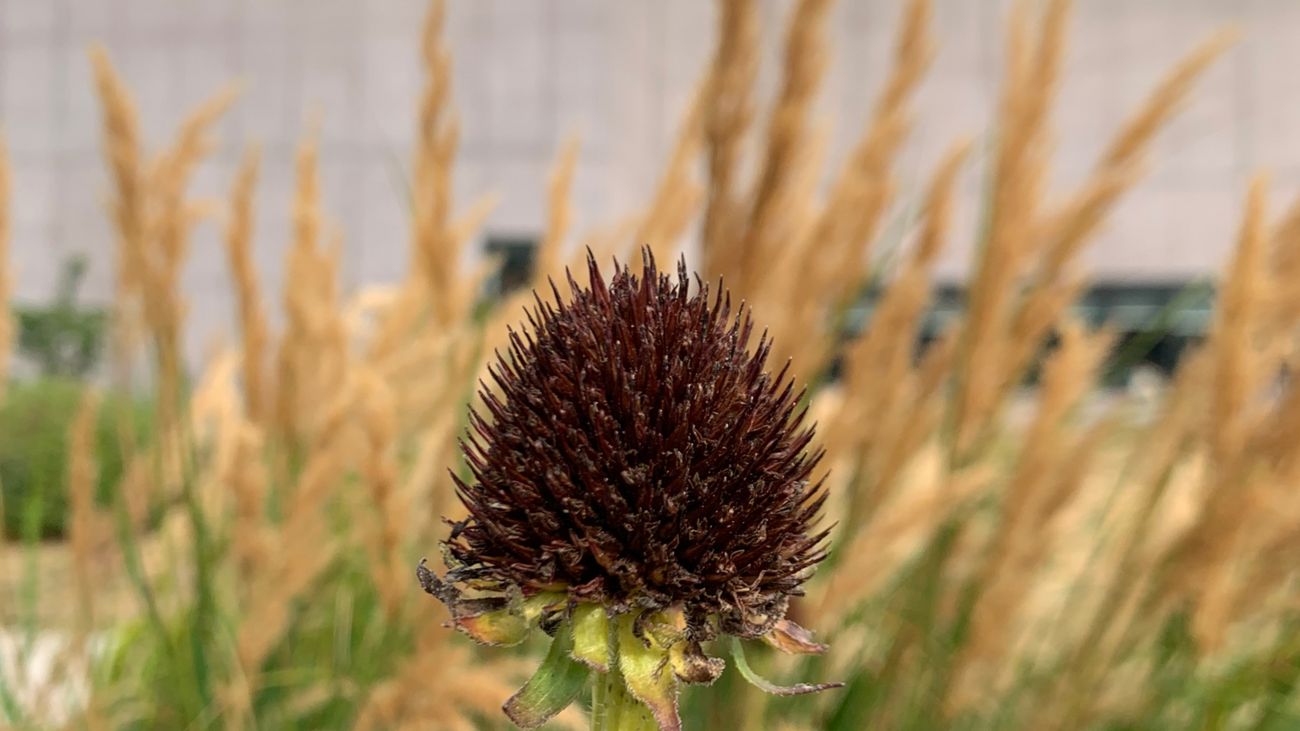
Seasonal change shapes the garden as surely as any design decision. In spring, new growth rises clean and fresh. Everything feels alert. In summer the plants reach their full expressive range. They sway, they lean, they catch the breeze and respond to it. Autumn brings a return to definition as seed heads darken and grasses pale. In winter the garden shows its structure with honesty. Stems and seed clusters hold frost. The shapes become clearer in the stillness.
This cyclical rhythm echoes Barbara Hepworth’s own relationship with nature. She often spoke of the landscapes of Yorkshire as her earliest teachers. The lines of hills. The play of wind across open places. The rawness of coast and moor. Her sculptures bear the imprint of those landscapes. There is a sense of deep connection between form and place. It feels entirely right that the garden outside the gallery should echo that sense of natural rhythm.
A Garden Rooted in Community and Place
Wakefield is a city with a long industrial past. Mills, waterways and working yards have shaped its character. The Hepworth Garden acknowledges this history not by imitating it but by offering a place of calm within it. It is open. It is welcoming. It feels generous. It belongs to Wakefield not because it mirrors its past but because it provides a breathing space within its present.
It is also a garden that celebrates accessibility. There is no entrance fee. There is no need to dress up or prepare. Anyone can enter. Office workers enjoy their lunch on the benches. Residents pass through simply to enjoy a few minutes of calm. Visitors from far away treat it as part of the wider experience of the gallery. Children see the tall grasses as a place for delight. The plants themselves reflect this democratic feel. They are not rare or complicated. They are chosen because they thrive. Because they flourish in the Yorkshire climate. Because they offer beauty that is honest and sustainable.
The gardeners are a quiet but essential presence. Their work maintains the balance. They allow many plants to self seed where it adds to the sense of natural ease. They gently redirect where necessary. They keep the garden vibrant without polishing it into something overly controlled. Their approach respects nature while guiding it with a careful hand.
A Living Artwork
Walking through the garden on a mild early summer morning, I noticed how the sound of the city shifted. The grasses softened the noise. Bees moved with patient focus from flower to flower. The tall stems of angelica appeared almost architectural as they framed the sky. Everything felt alive yet calm. It had the quality of a deep breath after a long day.
The impression that lingers is not tied to a single plant or a specific feature. It is the character of the place as a whole. The garden has poise. It has warmth. It holds itself with ease beside the strong lines of the building. It does not compete with the architecture and yet it holds equal presence. It feels not like an accessory but like another artwork. A living one.
As I reached the edge of the garden and looked back, a breeze swept through and set the entire planting in gentle motion. The stems bent and rose again as if in conversation. That single moment captured the essence of the Hepworth Garden. It is a place where art and nature meet in a relationship that is simple, honest and profoundly nourishing.
This is a garden that does not insist on admiration. It earns it. It draws visitors back season after season because it has something to offer that is rare in a public space. It provides kindness. It provides calm. It provides beauty that changes with the light and the weather and the time of year. It is a reminder that art can live outdoors in a way that feels natural and that gardens can speak as clearly as sculptures when given the chance.
And like all truly successful gardens, it stays with you long after you leave.