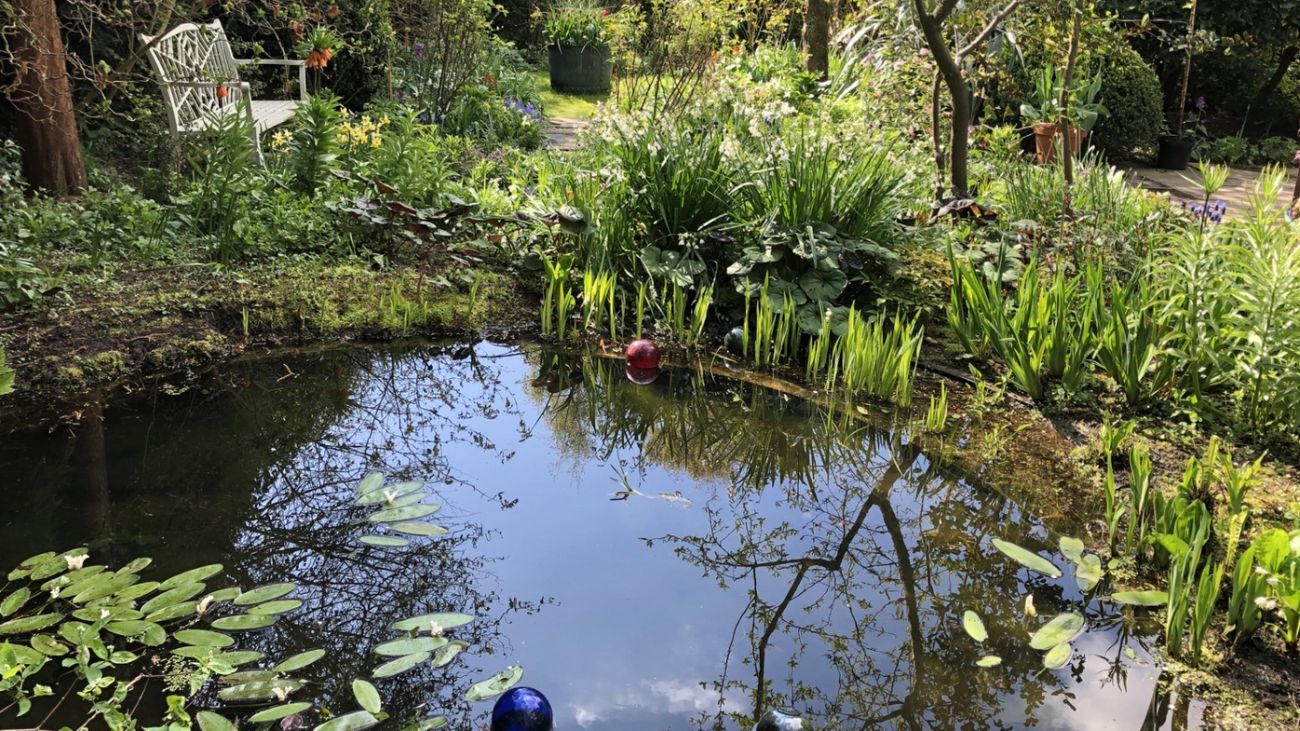
Why Your Garden’s Magic Is Happening Right Now
Discover how embracing the present moment in your garden can change the way you see time, beauty, and your own life—stop waiting, start experiencing.


To garden is to enter into time differently.
We are encouraged, in so many areas of modern life, to anticipate: to pre order, to pre book, to forecast, to strategise. Even our pleasures are deferred. The catalogue arrives in January, its pages luminous with roses that will not bloom until July. The seed packets speak of “days to maturity,” the garden designer of “three year establishment,” the orchardist of fruiting “once settled.” We become fluent in a grammar of imminence. Spring will be better. Next year will be abundant. When the hedge has thickened, when the tree has canopied, when the border has knitted together, then we shall rest.
But the garden does not exist in the conditional tense. It is always happening now.
This is not a new truth. The old herbals and country diaries understood it instinctively. Read Gilbert White in The Natural History of Selborne and you find not a project plan, but a series of attentions: to the first swallow, to the phenology of frost, to the quiet industry of earthworms. Or turn to John Clare and discover how a single clump of meadow grass can become a universe, if only you will pause long enough to look. They wrote not of gardens perfected but of landscapes observed, of life caught in its passing.

Yet we gardeners, for all our professed devotion to nature, are adept at wishing life away. In March we long for June, in high summer we tire of watering, by November we yearn for the clean, declarative light of spring again. The mind skips forward like a stone over water. We fast forward through blossom to fruit, through fruit to harvest, through harvest to seed. We are rarely content with the precise, fugitive condition of today.
Part of this restlessness is built into the act of gardening itself. Sowing is an optimistic gesture, planting a young tree is an investment in shade we may never sit beneath. Gardening is hope made physical. And hope, by its nature, leans towards the future. But there is a difference between hope and postponement. To hope is to trust in cycles, to postpone is to overlook what is already before you.
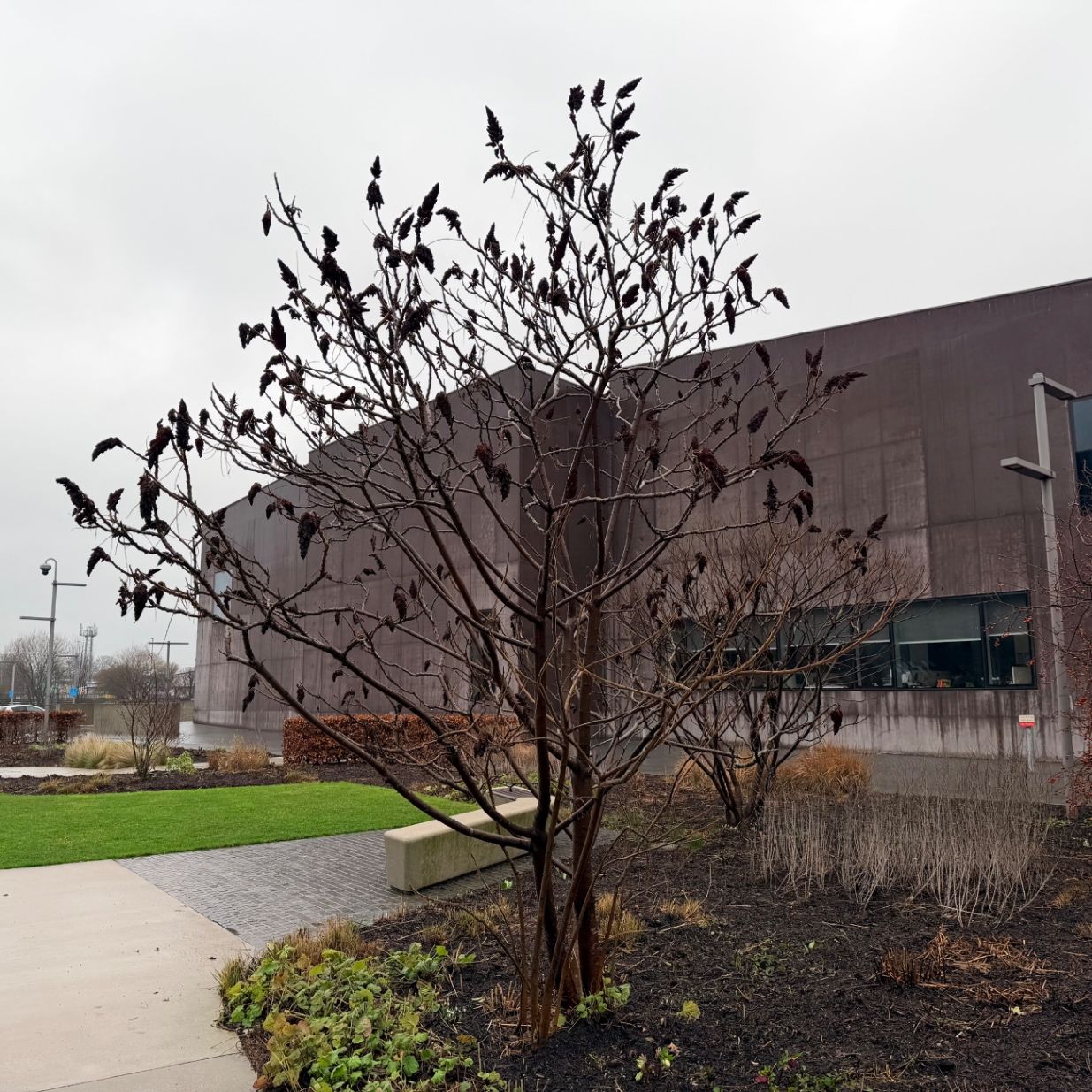
Consider the winter garden. In popular imagination it is a season of lack, a skeletal interlude between the glories of growth. We endure it, tidying and planning, waiting for colour to return. Yet on a January morning, when frost feathers the seedheads and the low sun turns every cobweb into a silver net, the garden possesses a precision and clarity that no other season can rival. The architecture of stems reveals itself. The evergreen leaves of hellebore hold their dark, lacquered calm. A robin sings not because the garden is finished, but because it is sufficient.
To stand there, without mentally leaping to April, is an act of discipline and of liberation.
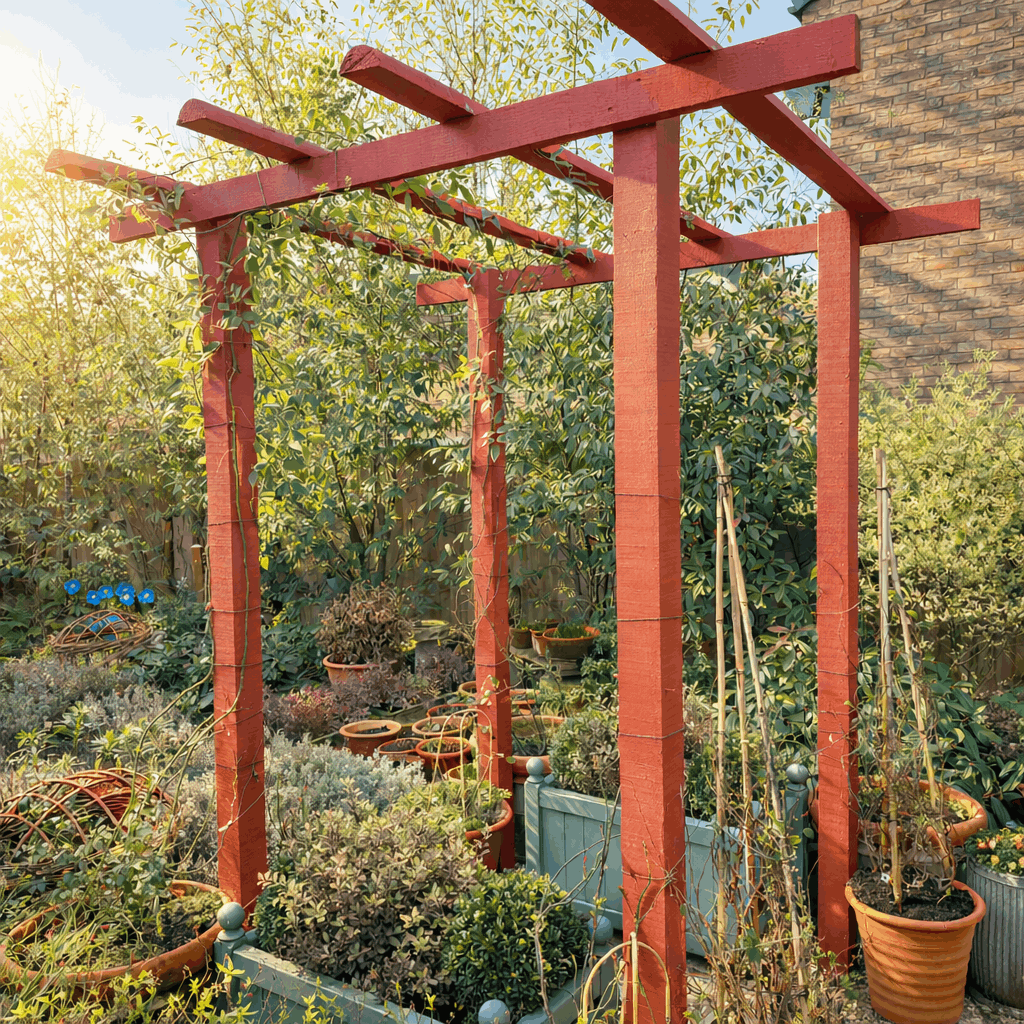
The urge to accelerate is sharpened in new gardens, where the bare soil seems accusatory. We plant hurriedly, filling every gap, anxious to reach some imagined maturity. Yet the early stages of a garden have their own eloquence. The rawness of turned earth, the slight sway of newly set perennials, the way space itself moves through a young planting scheme, these are not absences but beginnings. A garden in its infancy speaks in lighter tones. Its pauses are as important as its statements.
There is an ecological humility in attending to the moment. The more closely one watches a garden, the more one sees that it is not a static composition but a series of negotiations. A patch of nettles becomes a nursery for small tortoiseshell caterpillars. Aphids bloom on the rose tips, ladybirds follow. A self sown foxglove appears where none was planned, and the bees declare it indispensable. If we are forever projecting forward, imagining the perfected border, the future symmetry, we risk editing out these spontaneous collaborations.
The Victorian passion for bedding schemes, with their military precision and seasonally replaced displays, aspired to suspend time, to hold a design in perpetual correctness. But time will not be suspended. Soil organisms labour invisibly, roots quest outward, leaves respond to minute shifts in light. The real drama of the garden lies in these ongoing adjustments. To inhabit the present in a garden is to align oneself with that drama.
There is, too, a personal reckoning in this practice. Human life mirrors the seasons in ways both obvious and subtle. Childhood is its own spring, impulsive and green. Midlife carries the density of high summer. Age, like autumn, can bring a kind of burnished clarity. Yet at every stage we are tempted to compare, to feel too early or too late, to measure ourselves against some forthcoming harvest. Gardening can either intensify this anxiety by constantly asking us to plan, to improve, to extend, or soften it by reminding us that process is not inferior to outcome.
When you kneel to weed, you are not merely correcting a future imbalance, you are engaging with the soil as it is now, its texture, its moisture, the faint aniseed scent released by crushed fennel. When you deadhead a dahlia, you are not only encouraging further blooms, you are noticing the precise geometry of the spent flowerhead. The action matters, but so does the attention.
The Japanese concept of mono no aware, an awareness of transience that deepens appreciation, has much to teach the Western gardener. Blossom is poignant not because it will become fruit, but because it will fall. The petal strewn path is not a failure of retention, it is a moment of exquisite passage. We do not accuse the cherry of betrayal when it sheds its bloom. Why, then, do we accuse the season of insufficiency when it shifts?
To garden in the moment does not mean abandoning foresight. It means resisting the tyranny of deferred enjoyment. Plans are necessary, seasons will turn regardless. But the future garden is always an abstraction. The present one hums, drips, scents the air. It is granular beneath the fingernails and cool on the back of the hand.
One of the quiet paradoxes of attentive gardening is that time seems to expand. An hour spent pruning, fully absorbed, can feel longer and richer than an afternoon of distracted labour. This is not productivity measured in tasks completed, it is presence measured in sensations registered. The blackbird’s alarm call. The sudden musk of rain on warm soil. The way evening light finds the undersides of leaves and holds them briefly aloft.
To wish for next year’s abundance is understandable. We all hunger for growth. But next year will arrive as this year once did, in increments, in weather, in moments that resist being rushed. If we practice looking now, we are better prepared to receive whatever comes.
Perhaps that is the deeper gift of gardening, not the border at its peak, photographed and admired, but the slow tutoring of perception. A garden teaches us to see gradations, between bud and bloom, between green and gold, between waning and rest. It asks us to accept that beauty rarely arrives fully formed, it emerges, hesitates, alters.
Stand still for a while in your own plot, however modest. Resist the urge to calculate what will flower next. Attend instead to what is present, a bee worrying at the last of the thyme, the slight creak of a bamboo cane in the wind, the rich, fungal smell beneath a layer of leaf mould. This is not a rehearsal for some future splendour. It is the thing itself.
Gardening, at heart, is a practice of belonging, to place, to season, to the unfolding hour. If we can learn to inhabit it without constantly skipping ahead, we may find that life, too, feels less like something to be managed and more like something to be lived.