Writing the portrait of a garden
Chatsworth is a garden that holds a special place in many hearts, and Kendra explores how two books have charted its incredible history and left a trail of clues of how its atmosphere was created, and how it was very nearly spoiled.

This time last year I was writing a book on garden visiting called Britain's Best Gardens. There wasn't much time and there was no obligation to go to all of them, but I spent my fee on travelling, which seemed better for everyone, including the reader.
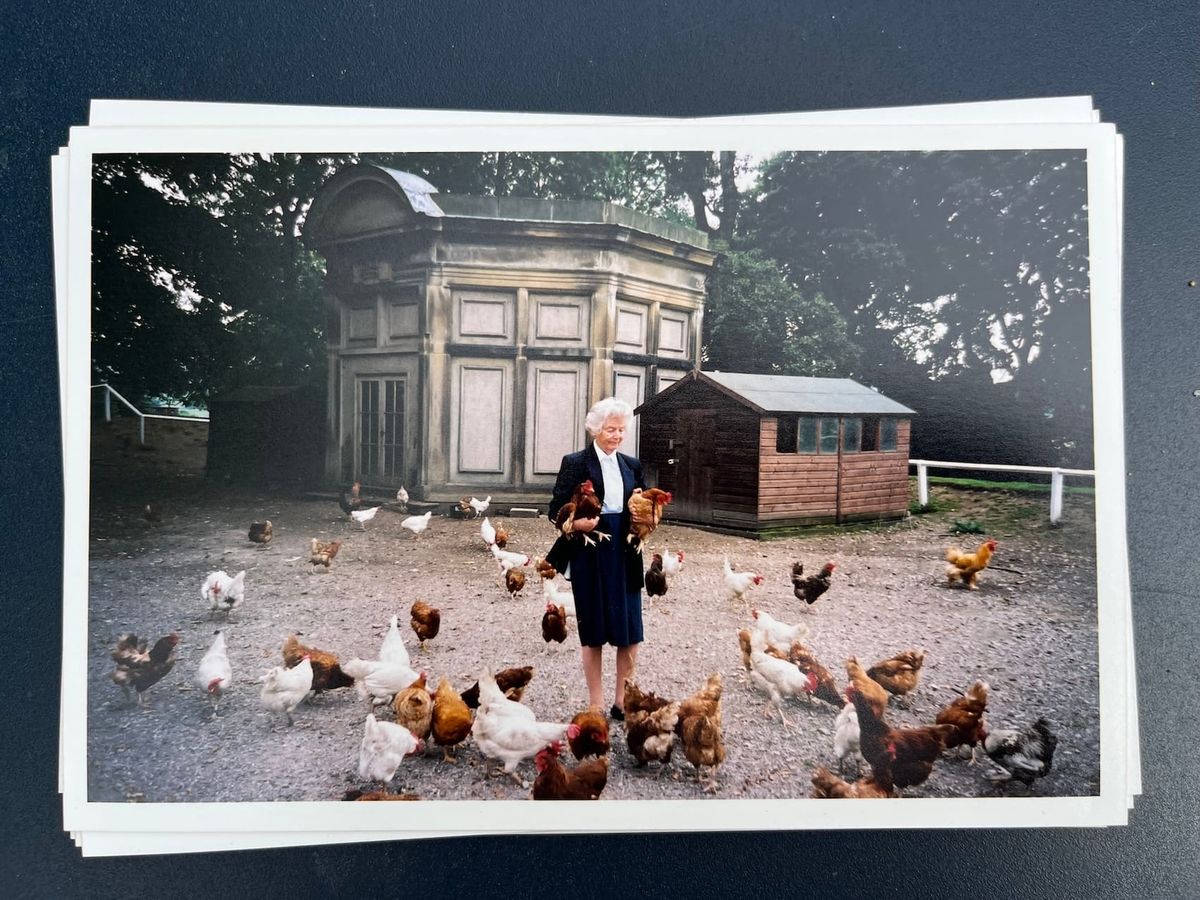
In the blur of criss-crossing England as the light faded and plants went dormant, some places made the heart sing more than others. They were the ones with a resident family involved, who cared for the gardens they had established, often over hundreds of years. I also revisited places, such as Chatsworth in Derbyshire, which had made a deep impression several decades before, during the reign of the 11th Duke and Deborah, Duchess of Devonshire.
There is a glamour to Chatsworth that pulls visitors into its orbit, demanding that any trip to the Peaks is scheduled around exploring the house and grounds. On my first visit, I was vaguely aware that the chatelaine in 2000 was famous in her own right, and I had watched a so-so adaptation of Nancy Mitford's Love in a Cold Climate in 1980, in which the youngest sister declared, "I want to be a duchess" while sitting in an airing cupboard. I didn't have a Mitford "crush", but I'd read the books.
What I fell for on that visit was the atmosphere of the garden and park, the mix of stately and homemade, and a sense that here was a place that was no longer run with the kind of extravagance of the past but was doing fine, thanks to the vision and personal effort of the owners. It was also clear that this great palace of a house was much loved by locals. When I was staying nearby on a later visit, fireworks were scheduled in the evening, and we hoi polloi filed past the windows. I for one was looking inside, and it was clear that the duke and duchess were sitting in the Great Dining Room, looking out at us. I surprised myself by buying a copy of The House: A Portrait of Chatsworth, by the former Deborah Mitford, and it was more gripping than any house book has a right to be. It should be a joint entry here, with The Garden at Chatsworth, written 17 years later after much clearing of ground, including the former paddock, which was redesigned for growing vegetables.
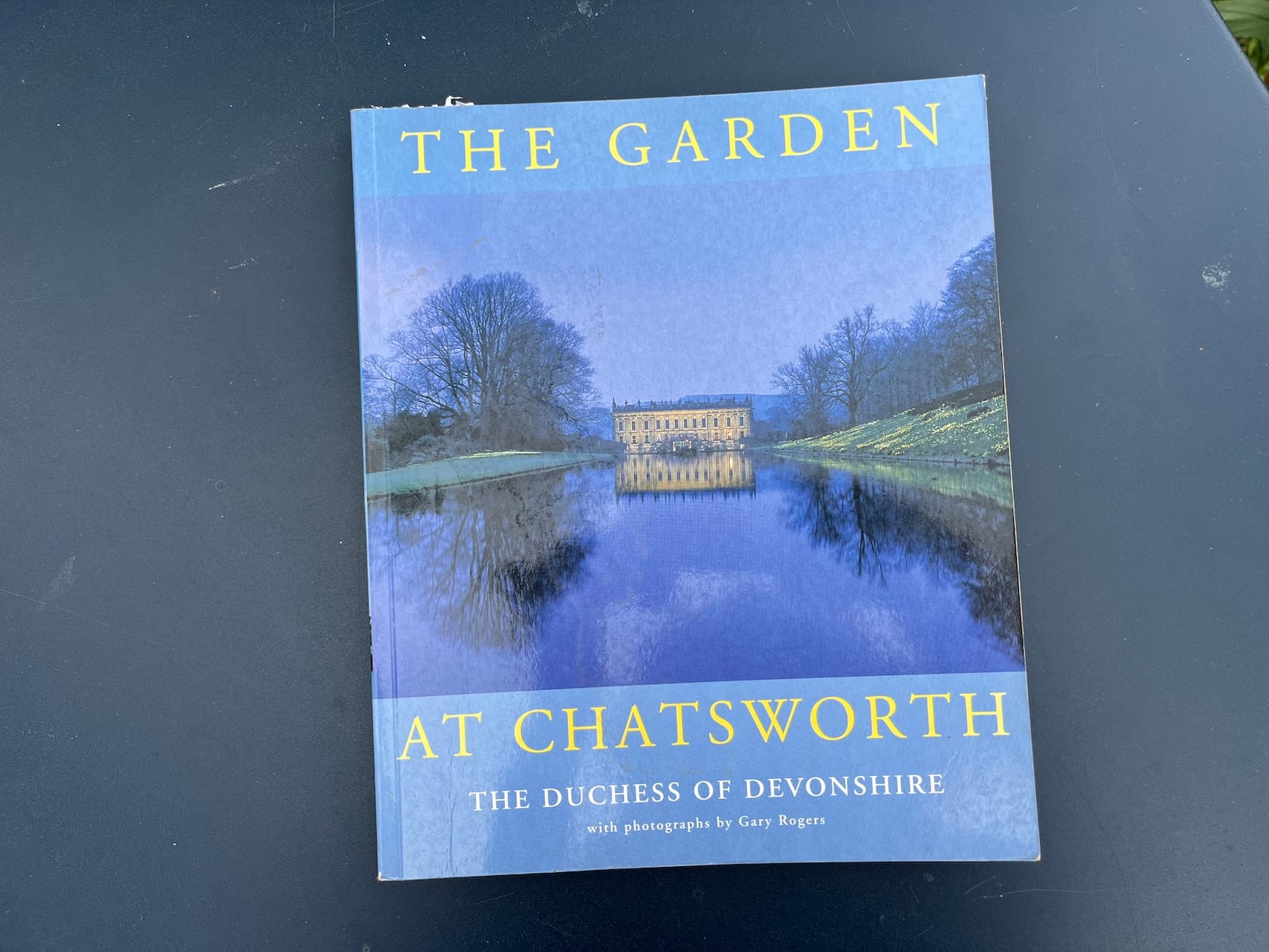
The garden book traces the ebb and flow of energy from past garden makers, with affection reserved for key figures, such as the "Bachelor Duke", who discovered Joseph Paxton as a gardener in Chiswick and lured him north – and to trips on the continent, setting Paxton on the path towards Eminent Victorian status. There is open hostility towards Capability Brown: "I am always thankful that Brown did not persuade his patron to dam the river in front of the house to make one of those soggy lakes which were his trademark."